Quick Navigation
- What Exactly Is Pink Quartz? Let's Define Our Terms
- Rose Quartz vs. Pink Quartz: Is There a Real Difference?
- Digging Deeper: Properties & Characteristics
- Meanings and Uses: Beyond the Pretty Color
- How to Identify Genuine Pink Quartz (And Spot Fakes)
- Caring for Your Pink Quartz
- Your Pink Quartz Questions, Answered
- Final Thoughts: Embracing the Pink
Let's be honest, when you hear "pink quartz," you probably picture that soft, milky pink stone everyone calls rose quartz. I did too, for years. I had a little tumbled stone on my desk, bought from a crystal shop, labeled simply "pink quartz." It wasn't until I got deeper into geology and gemology that I realized I, and likely the shop owner, might have been simplifying things a bit. The term "pink quartz" can be a bit of a trapdoor—step on it, and you fall into a world of mineralogical nuance, marketing hype, and genuine beauty.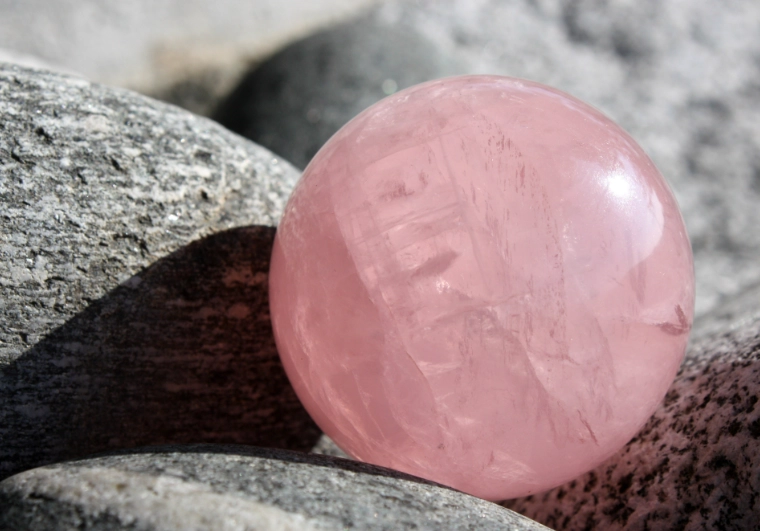
So what is it? That's what we're here to unpack. This isn't just a fluffy overview; it's a deep dive to clear up the confusion once and for all. Whether you're a crystal enthusiast, a jewelry lover, or just someone who saw a pretty pink stone and wondered about it, you'll find the answers here. We'll cover what makes pink quartz tick, how it's different from its famous cousin, where you can actually use it, and how to avoid getting misled. No fluff, just the stuff you actually need to know.
The Core Confusion: In everyday conversation and even in many crystal shops, "pink quartz" is often used interchangeably with "rose quartz." But strictly speaking, in mineralogical circles, they can refer to different things. This guide will tackle both the common usage and the scientific distinction, so you're informed no matter the context.
What Exactly Is Pink Quartz? Let's Define Our Terms
Quartz, in its pure form, is silicon dioxide (SiO₂) and is usually clear as glass (that's rock crystal). Color comes from tiny impurities or structural quirks. Amethyst gets its purple from iron, citrine its yellow from iron too (but in a different state), and so on. Pink quartz gets its color primarily from trace amounts of aluminum, phosphorus, and sometimes titanium. But here's where the path forks.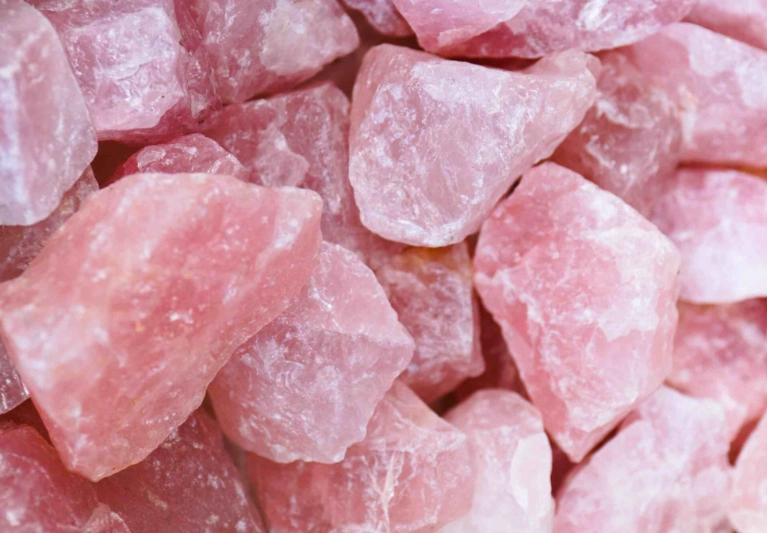
When people search for "pink quartz," they're usually met with two main characters in the story. Understanding both is key.
The Two Main "Types" of Pink Quartz You'll Encounter
1. The Classic: Massive Rose Quartz
This is the one you know. It's almost always a massive form (meaning it forms in huge, solid chunks without obvious crystals), has a hazy, translucent to opaque appearance, and sports that iconic soft baby pink to rosy pink color. The color is usually caused by microscopic mineral fibers, like dumortierite, within the quartz. It's abundant, affordable, and the darling of the spiritual and decorative world. When most folks say "pink quartz," this is what they mean. It's the workhorse.
2. The Rare One: Crystalline Pink Quartz
Now, this is where it gets interesting for collectors. Occasionally, quartz forms with a pink color in well-defined, terminated crystals. This is much rarer. The color in these crystals is often attributed to irradiation-induced color centers (from natural, trace amounts of aluminum and phosphorus). Here's the kicker—this color can be unstable. Some crystalline pink quartz can fade in direct sunlight, unlike massive rose quartz which is generally colorfast. You'll find these specimens more in mineral collector showcases than in your average bead shop. The Mindat.org database, a trusted resource for mineral data, lists "rose quartz" as the massive variety and notes the crystalline form as a separate discussion, highlighting this distinction.
See? Already more complicated than just "a pink rock."
Rose Quartz vs. Pink Quartz: Is There a Real Difference?
This is the million-dollar question. In short: in common parlance, no. They're synonyms. In stricter mineralogy and gemology, sometimes yes.
Think of it like this: "rose quartz" is the proper, widely accepted gemological name for the pink, massive variety of quartz. "Pink quartz" is more of a descriptive term. It's like the difference between "sedan" and "four-door car." One is a specific category, the other is a description that could apply to several categories.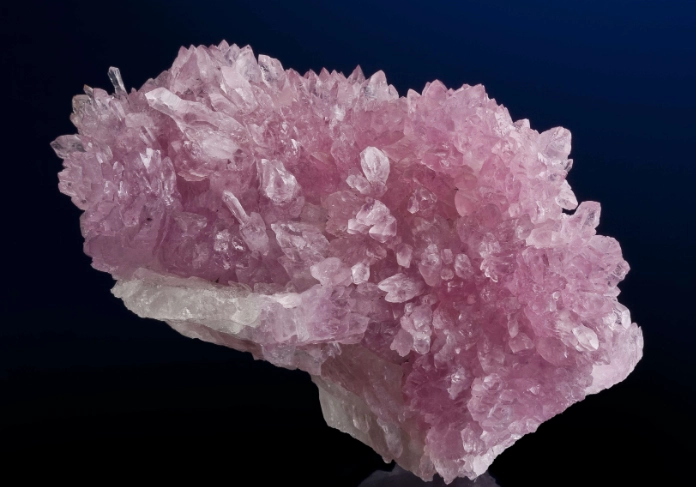
However, some experts and institutions reserve "pink quartz" specifically for the rare, faceted, crystalline material that can fade. The Gemological Institute of America (GIA), a leading authority, uses "rose quartz" for the gem material. Their entry focuses on the massive type used in jewelry. This is the standard you'll see in reputable jewelry guides.
Practical Takeaway: If you're buying tumbled stones, spheres, or carved figures, "rose quartz" and "pink quartz" are almost certainly referring to the same, common material. Don't stress over the label. If you're looking at a faceted gemstone or a pricy museum-quality crystal labeled "pink quartz," ask questions about its stability and origin.
I once bought a "pink quartz" pendant online that was clearly just dyed howlite. It was a cheap lesson. The seller was using the vague term to mask the inferior material. Knowing the proper name—rose quartz—and its typical appearance (slight cloudiness, waxy luster) would have saved me the disappointment.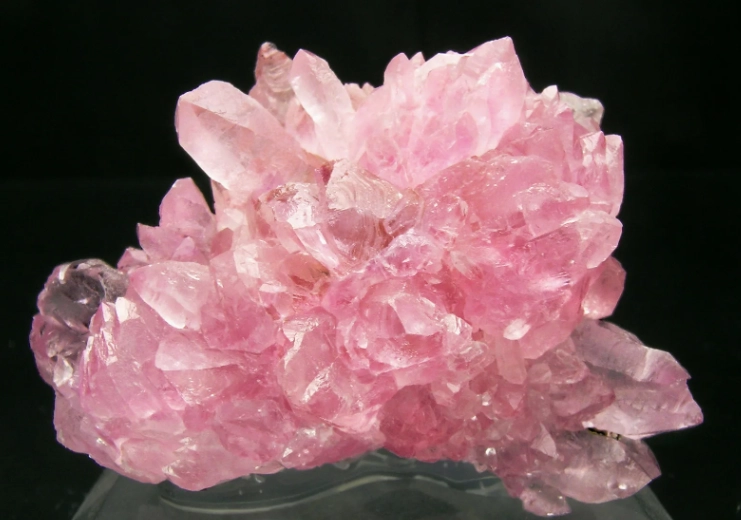
Digging Deeper: Properties & Characteristics
Let's get technical for a moment, but in a useful way. Knowing these specs helps with identification and care.
| Property | Details (for Massive Rose Quartz / Common Pink Quartz) | Why It Matters to You |
|---|---|---|
| Chemical Composition | SiO₂ (Silicon Dioxide) with trace impurities (Al, P, Ti) | It's fundamentally quartz, so it's durable and widely available. |
| Color | Light to medium pink, often with a milky or hazy quality. Can have white streaks or clouds. | The classic look. Very deep, clear pinks are rare and may be treated or fake. |
| Hardness (Mohs Scale) | 7 | Excellent for jewelry. It can scratch glass and resists everyday abrasions pretty well. |
| Clarity & Transparency | Translucent to opaque. Rarely completely transparent. The cloudiness is typical. | Don't expect it to be crystal clear. If it is, and it's cheap, be suspicious. |
| Luster | Vitreous (glassy) to waxy when polished. | It takes a beautiful polish, giving it that soft glow. |
| Key Identifying Feature | Its distinctive soft pink color and massive, non-crystalline habit. | The combo of color and form is its fingerprint. |
Its hardness of 7 is a big deal. It means a pink quartz bracelet or necklace is suitable for daily wear (with a little care, of course). It's harder than most common dust particles (which contain quartz), so it won't get scratched up just from being in the air. That's a practical win.
Meanings and Uses: Beyond the Pretty Color
Alright, let's talk about why people are so drawn to this stone. It's not just geology; it's about what it represents. I'll break this into the spiritual/intentional side and the downright practical side.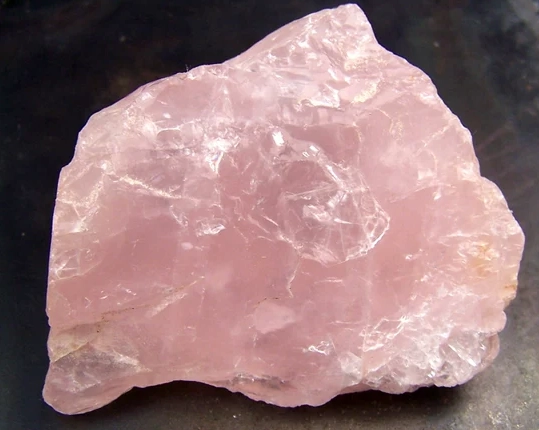
The Heart-Centered Stone: Symbolism and Energy
Rose quartz is famously known as the "stone of unconditional love." It's associated with the heart chakra. Now, I'm not here to tell you what to believe energetically—I'm a bit of a skeptic myself—but I can report on its cultural significance. It's overwhelmingly linked to:
- Emotional Healing: Promoting compassion, forgiveness, and soothing emotional wounds.
- Self-Love: This is a huge one. In a world of self-criticism, it's become a tangible symbol for being kinder to oneself.
- Relationships: Attracting or nurturing love, whether romantic, familial, or platonic.
How do people use it with these intentions? Common practices include meditating while holding a piece, placing it in a room to "set the vibe," or carrying a small tumble in a pocket. I keep a piece on my desk not because I'm convinced it's emitting waves of love, but because it's a physical reminder to be more patient. Sometimes, the ritual itself is the therapy.
A Reality Check: The crystal healing market is full of extravagant claims. While many find personal value in these practices, it's crucial to remember they are not substitutes for professional medical or psychological care. A pink quartz crystal won't mend a broken heart or cure anxiety on its own. It can be a tool for mindfulness, but not a treatment.
Down-to-Earth Uses for Pink Quartz
This is where the stone really shines (pun intended). Its beauty and durability make it incredibly versatile.
In Jewelry: This is the big one. Its 7/10 hardness makes it a fantastic gemstone for all types of jewelry.
- Beads: The most common form. Strung into bracelets, necklaces, and anklets. The matte or polished rounds are everywhere.
- Cabochons: Smooth, polished, domed stones set in rings, pendants, and earrings. This style highlights its color and waxy luster beautifully.
- Carved Pieces: Hearts, angels, animals, geometric shapes. These are popular as gifts with meaning.
- Faceted Gems: Less common due to its typical cloudiness, but when clear material is found, it can be faceted for a more traditional, sparkly look. These pieces are special and command higher prices.
I have a simple rose quartz cabochon ring I wear often. It goes with everything, and I've gotten more compliments on it than on any of my flashier pieces. It's understated and elegant.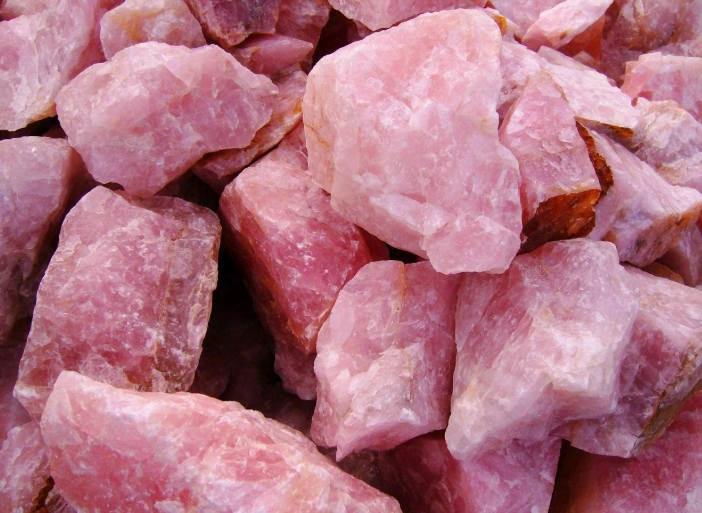
In Home Decor & Feng Shui: Pink quartz isn't just for wearing.
- Spheres: A classic decor item, believed in Feng Shui to promote harmonious energy flow (Chi). They look beautiful on a shelf or desk.
- Clusters & Raw Pieces: A chunk of raw pink quartz on a coffee table is a natural art piece. The texture and color add warmth to a room.
- Bookends, Paperweights, etc.: Functional art. It's heavy and stable, perfect for these uses.
The US Geological Survey lists quartz as one of the most abundant minerals on Earth, and rose quartz deposits are found in many places, making these decorative items relatively accessible. You can find information on major quartz deposits, including sources for rose quartz, through the USGS Mineral Commodity Summaries.
How to Identify Genuine Pink Quartz (And Spot Fakes)
This is a major user pain point. With its popularity comes imitation. Here’s a quick guide to playing detective.
Signs It's Likely Real:
- The Color: It's usually a soft, uneven pink. It often has a slightly hazy or milky look. The color is rarely uniform and may have whitish streaks.
- The Temperature: Real quartz feels cool to the touch and takes a moment to warm up in your hand. Plastic fakes feel light and warm up quickly.
- Imperfections: Look for tiny inclusions, cracks (feathers), or cloudy zones. Flawless, bubblegum-pink, perfectly transparent pieces are huge red flags for glass or synthetic material.
- Hardness Test (Carefully!): Real quartz (Mohs 7) can scratch a piece of common glass (Mohs ~5.5). You can carefully try to scratch the bottom of a glass bottle in an inconspicuous spot. If it leaves a clear scratch, it's likely genuine quartz. Don't do this on a finished piece you love!
Common Fakes & Simulants:
- Dyed Howlite or Magnesite: This is the most common fake. Howlite is naturally white with grey veining. When dyed pink, the dye often collects in the veins, making them look like dark pink or red spiderwebs. Real pink quartz doesn't have that veining pattern.
- Glass: Glass can be molded into any shape and dyed any color. It often feels warmer, may have bubbles trapped inside, and is usually too perfectly uniform.
- Plastic/Resin: Very light, warm to the touch, and you can sometimes even smell it or see mold lines.
- Reconstituted Quartz: This is ground-up quartz dust mixed with resin and dye. It's heavier than plastic but lacks the natural crystalline structure. It can look oddly perfect and have a uniform, dull color.
Trust your gut. If a deal seems too good to be true for a large, perfect piece, it probably is.
Caring for Your Pink Quartz
Good news: it's not a delicate flower. But a little care will keep it looking its best for decades.
- Cleaning: Warm soapy water, a soft brush (like an old toothbrush), and a thorough rinse is all you need. Avoid harsh chemicals like bleach, ammonia, or acids.
- Sunlight: While massive rose quartz is generally stable, prolonged direct sunlight can potentially cause some fading over many, many years. It's not like amethyst which fades relatively quickly, but why risk it? Don't leave it on a sunny windowsill permanently. Store it in a box or drawer when not in use.
- Storage: Because of its hardness (7), it can scratch softer stones like calcite or fluorite. Store it separately in a soft cloth pouch or a compartment in a jewelry box. Don't just throw it in a jar with harder stones like sapphires or diamonds, which can scratch it.
- Ultrasonic & Steam Cleaners: Usually safe for massive rose quartz, but never use them on stones that are fractured, included, or have been treated with fillers. If in doubt, stick to soap and water.
Your Pink Quartz Questions, Answered
I've been asked these questions a lot. Let's tackle them head-on.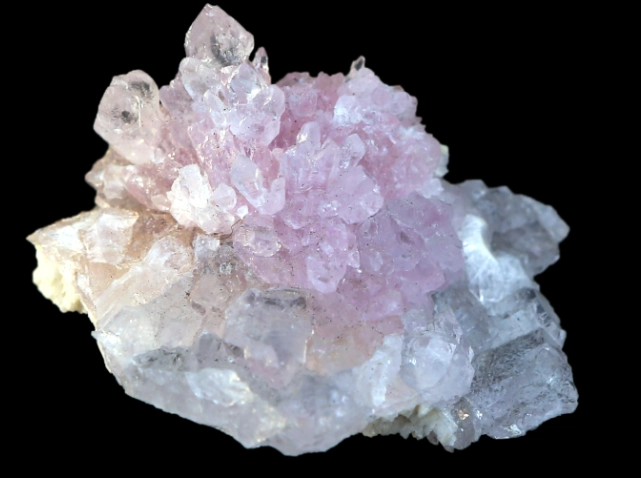
Is pink quartz rare?
Massive rose quartz? Not at all. It's one of the most common and affordable quartz varieties. Major sources include Brazil, Madagascar, India, and South Dakota (USA). The rare, faceted crystalline pink quartz is, well, rare and can be quite valuable.
Can pink quartz go in water?
Yes, absolutely. It's a non-porous, stable mineral. Making elixirs or just washing it is fine. The only caveat is if the stone has been treated with dyes or resins (a fake), then water could damage it. For genuine stone, water is safe.
What chakra is pink quartz associated with?
Primarily the Heart Chakra (Anahata), located in the center of the chest. It's associated with love, compassion, and emotional balance.
How can I tell if my pink quartz is real?
Review the identification section above. Check for temperature, imperfections, and the characteristic hazy pink color. The dye-in-veins trick for dyed howlite is the biggest giveaway for cheap fakes.
Is pink quartz valuable?
Massive material used for tumbled stones, spheres, and standard cabochons is very affordable. Value increases with size, depth and evenness of color, and clarity. A large, deeply colored, clear enough-to-facet piece is valuable. A flawless, faceted pink quartz gemstone is a collector's item.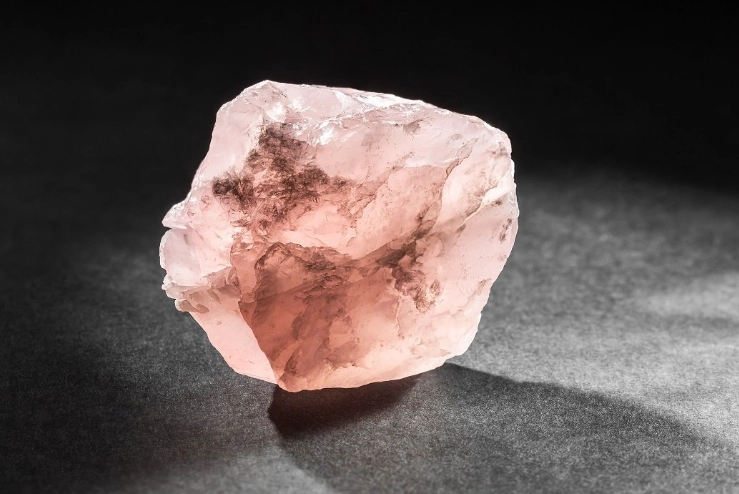
What's the difference between pink quartz and rose quartz?
As covered in detail, in most practical cases—buying jewelry, decor, tumbled stones—there is no difference. The terms are used interchangeably. The technical distinction (massive vs. crystalline, stable vs. potentially fading) is important for collectors and gemologists but less so for the average buyer.
Where should I place pink quartz in my home?
According to Feng Shui principles, the southwest corner of your home or bedroom is associated with love and relationships, making it a popular spot. But really, place it anywhere that brings you joy. A living room for harmony, a bedroom for peaceful energy, or an office as a reminder for self-compassion.
Final Thoughts: Embracing the Pink
Pink quartz, in its most common form as rose quartz, is a gateway stone. It's accessible, beautiful, and loaded with cultural meaning. Whether you're drawn to it for its aesthetics, its purported energetic properties, or simply because you like the color pink, it's a stone that has earned its popularity.
The key is to be an informed enthusiast. Know that the name can be fuzzy. Understand what genuine material looks and feels like. Appreciate its practical durability. Don't get swept away by over-the-top marketing claims, but don't let skepticism rob you of the simple pleasure of owning a beautiful piece of the natural world.
At the end of the day, my original little tumbled "pink quartz" stone is still on my desk. Now I know it's technically called rose quartz. I know it came from a likely massive deposit, probably in Brazil. I know its pink comes from tiny mineral inclusions. That knowledge doesn't diminish its beauty; it adds layers to it. And isn't that what we're all searching for? Not just a pretty object, but a deeper connection and understanding. That's what a true guide should offer.
So go ahead, find a piece that speaks to you. Just maybe check it for dye lines first.
Related Articles
Are Sodalite and Lapis Lazuli the Same? No, Here's the Real Difference
Pink Quartz Properties: Healing, Meanings & How to Tell It's Real
Tiger's Eye: Your Complete Guide to Meaning, Uses, and Benefits
Uranus Symbolism: Astrological Meanings and Life Impacts
The Rarest Kunzite Color: A Collector's Guide