Quick Navigation
- What Is Sodalite, Really? Let's Get Technical for a Second.
- The Meaning and Symbolism Behind the Blue
- Practical Uses: From Your Meditation Corner to Your Living Room
- The Big Question: How to Tell Real Sodalite from a Fake
- Caring for Your Sodalite: It's Not Invincible
- Your Sodalite Questions, Answered (The Real Stuff People Ask)
- Final Thoughts: Is Sodalite Right for You?
Alright, let's be real. You've probably seen this stunning blue stone all over Instagram, tucked into jewelry, or sitting pretty on someone's meditation altar. Maybe you picked one up at a crystal shop and felt a weird sense of calm, or maybe you're just curious about what all the fuss is about. That deep, royal blue with those white streaks or patches... it's hard to miss. That's sodalite.
But here's the thing. There's a lot of information out there, and honestly, some of it is pretty vague. Some sites make wild claims, others just repeat the same basic facts. It can be frustrating. Is it just a pretty rock? Is there more to it? How do you even know if the piece you have is real?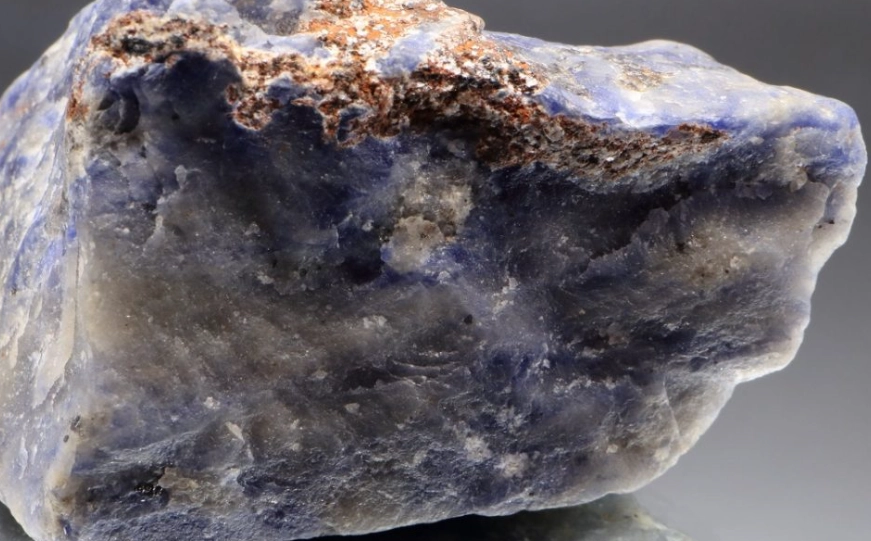
I remember the first time I held a good piece of sodalite. It wasn't in a fancy store; it was at a small, dusty gem show. The vendor, an older guy who clearly loved his rocks, handed it to me and just said, "The thinker's stone." I was hooked. But it took me years of digging, talking to geologists, and yes, making a few bad purchases, to really understand it. This guide is that conversation I wish I'd had back then.
We're going to go way beyond the basic "good for throat chakra" spiel. We'll crack open what sodalite actually is (geologically speaking), what people really use it for, how to avoid getting ripped off with a fake, and whether its so-called healing properties hold any water for you. Consider this your no-nonsense, deep-dive manual.
What Is Sodalite, Really? Let's Get Technical for a Second.
First off, let's clear the air. Sodalite isn't lapis lazuli. I can't tell you how many times people mix them up. They're like cousins who look similar from afar but are totally different up close.
Sodalite is a mineral. A tectosilicate, to be precise, which is just a fancy way of saying its silicon and oxygen atoms are arranged in a specific 3D framework. It's part of the feldspathoid group. What you really need to know is this: it's a rock-forming mineral, which means it's not super rare in the grand scheme of things, but high-quality, gemmy pieces used for carving and jewelry absolutely are.
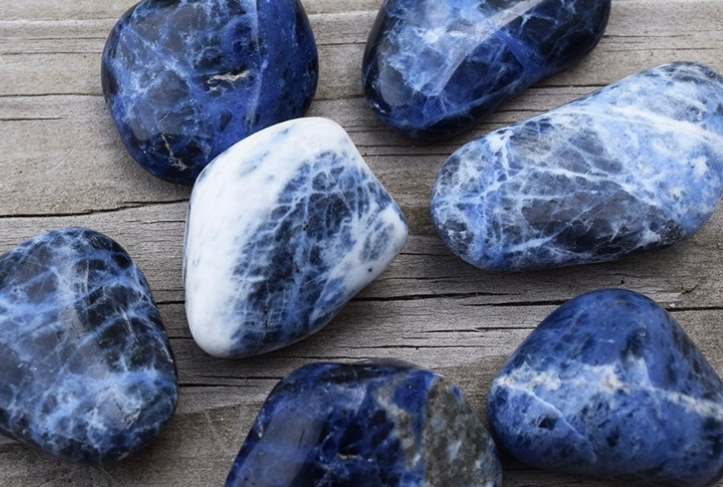
Its signature color is that rich, royal blue, but it can also be gray, yellow, greenish, or even pink (that's a rare variety called hackmanite). The blue comes from trapped sodium atoms within its structure that have been exposed to natural radiation over millennia. The white calcite veins or patches? That's just other minerals that grew alongside it. Those veins aren't flaws; they're part of its character. Sometimes you'll find sodalite with a shimmering effect called chatoyancy, though it's not common.
The Nuts & Bolts: Its chemical formula is Na8(Al6Si6O24)Cl2. It has a hardness of 5.5 to 6 on the Mohs scale. For comparison, a steel knife blade is about 5.5. This means sodalite is relatively soft for a gemstone—it can be scratched if you're not careful. It's also brittle and has perfect cleavage, so it can split along certain planes if whacked hard enough. Not the best stone for a rugged, everyday ring, but perfect for pendants, earrings, or display pieces.
Major sources include Brazil (the best gem-quality stuff, in my opinion), Canada (huge deposits), Namibia, Russia, and the USA. The most famous deposit is in Bancroft, Ontario, Canada, where it was discovered in large quantities in 1891. That discovery is actually why it became a popular decorative stone.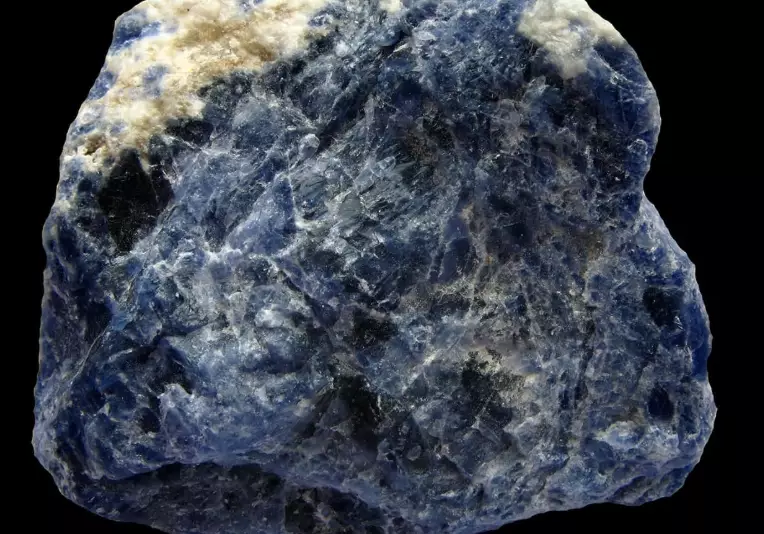
The Meaning and Symbolism Behind the Blue
This is where things get interesting, and admittedly, a bit subjective. The "meaning" of any crystal is a blend of history, folklore, and modern metaphysical beliefs. There's no scientific lab that can measure this stuff, so take it with a grain of salt—or in this case, a chunk of sodalite.
Historically, sodalite wasn't used like lapis lazuli in ancient times. Its modern discovery meant ancient Egyptians or Mesopotamians weren't carving it. Its symbolic meaning is largely a 20th and 21st-century construction, built on its color and perceived "vibe."
That deep blue is almost universally associated with depth, wisdom, and calm. It's the color of a clear night sky or a deep, still ocean. So, it's no surprise that sodalite became tied to themes of inner peace, truth, and logic.
Common Symbolic Associations:
- The Stone of Logic & Truth: This is its biggest tagline. It's believed to help cut through mental fog, emotional confusion, and wishful thinking. The idea is that it promotes rational thought and objective perspective. Feeling stuck in an emotional loop? Sodalite is said to help you step back and see the facts.
- Communication & Self-Expression: Linked to the throat chakra (the energy center associated with communication in Eastern traditions), it's thought to help you speak your personal truth clearly and calmly, especially in difficult situations. It's not about being loud; it's about being clear and authentic.
- Inner Peace & Emotional Balance: That calming blue energy is associated with soothing anxiety, calming panic, and bringing a sense of order to inner chaos. Some people use it to help with insomnia by placing it on a nightstand.
- Group Harmony & Teamwork: An interesting one—because sodalite often forms in groups of crystals, it's also linked to fostering harmony, unity, and honest communication within groups, families, or teams.
Practical Uses: From Your Meditation Corner to Your Living Room
Okay, so you have a piece of sodalite. What do you actually do with it? Its uses fall into two main camps: the spiritual/personal growth side and the purely practical/decorative side.
In Spiritual & Personal Practice
If you're into meditation or energy work, sodalite is a popular tool. People often hold it or place it on their body (typically the throat or forehead) during meditation to focus on themes of truth, communication, or mental clarity. It's also common in crystal grids—arrangements of stones meant to amplify a specific intention.
Some carry a tumbled stone in their pocket as a touchstone for calm during a stressful day. The idea is to feel it and reconnect with that intention of clear thinking. Journaling with sodalite nearby is another practice, aimed at helping you write more honestly and introspectively.
As Jewelry & Decor
This is where sodalite truly shines (figuratively, it has a dull to greasy luster, not a sparkle). Its bold color makes for stunning statement pieces.
- Jewelry: Beaded bracelets, wire-wrapped pendants, and cabochon rings/earrings are common. Remember its softness—pendants and earrings are safer than rings for daily wear. A sodalite pendant sitting near the throat is both aesthetically pleasing and symbolically resonant for many.
- Carved Items & Decor: You'll find beautiful sodalite spheres, pyramids, animal carvings, and bookends. In the early 1900s, it was used as an ornamental stone in buildings. The famous Princess of Wales's necklace in the UK is made of sodalite.
- Raw Specimens: For collectors, a fine raw specimen of sodalite with defined crystal faces (they're usually massive, meaning no obvious crystals, but they exist) is a treasure. They display the raw, geological beauty of the mineral.
The key is to use it in a way that resonates with you. Don't feel pressured to meditate with it if you just think it looks cool on your shelf. That's perfectly valid.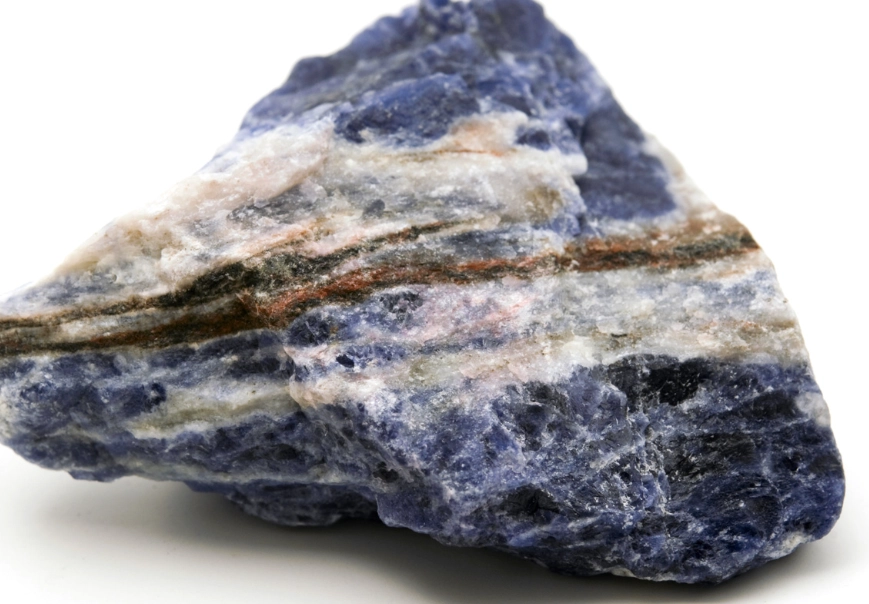
The Big Question: How to Tell Real Sodalite from a Fake
This is crucial. The crystal market is flooded with fakes, dyes, and imitations. I've been burned before, paying for "sodalite" that was just dyed howlite or even plastic. It leaves a bad taste.
Watch Out For: The most common impostor is dyed howlite. Howlite is naturally white with gray veins and is very porous, so it soaks up dye like a sponge. Dyed howlite is often sold as "turquoise" too, but it's also passed off as sodalite.
Here’s a quick comparison to help you spot the differences:
| Feature | Real Sodalite | Dyed Howlite (Common Fake) |
|---|---|---|
| Color | Deep, often uneven royal blue. White calcite veins are distinct and usually crisper. | Color can be too uniform, electric, or powdery blue. The dye often collects in cracks, making veins look blurry or smudged. |
| Vein Pattern | Veins are typically white (calcite) and can be web-like or in patches. | Veins are usually the original gray or black web pattern of the howlite, now dyed a darker blue. They often look like a spiderweb. |
| Transparency | Opaque. You cannot see light through it. | Also opaque. |
| Hardness & Feel | Hardness 5.5-6. Has a slightly waxy or greasy feel when polished. | Softer (around 3.5). Can feel chalky or porous. A damp Q-tip might pick up dye on a hidden spot. |
| Price | Moderate. Large, high-quality pieces or carvings can be expensive. | Often suspiciously cheap for the size and color intensity. |
Simple At-Home Tests (Be Gentle!):
- The Scratch Test (Careful!): On an inconspicuous spot, try to gently scratch it with a steel knife (Mohs 5.5). Real sodalite should be barely scratched or not scratched at all. Dyed howlite will scratch much more easily. Don't do this on a finished piece you love!
- Acetone Test: Dip a cotton swab in pure acetone (nail polish remover) and rub it firmly on a hidden area. If blue comes off on the swab, it's absolutely dyed. Real sodalite's color is part of the mineral.
- Visual Inspection: Use a good magnifying glass. Look for dye concentration in cracks or an unnatural, sprayed-on appearance.
Buy from reputable dealers. If a deal seems too good to be true for a giant, perfect blue sphere, it probably is.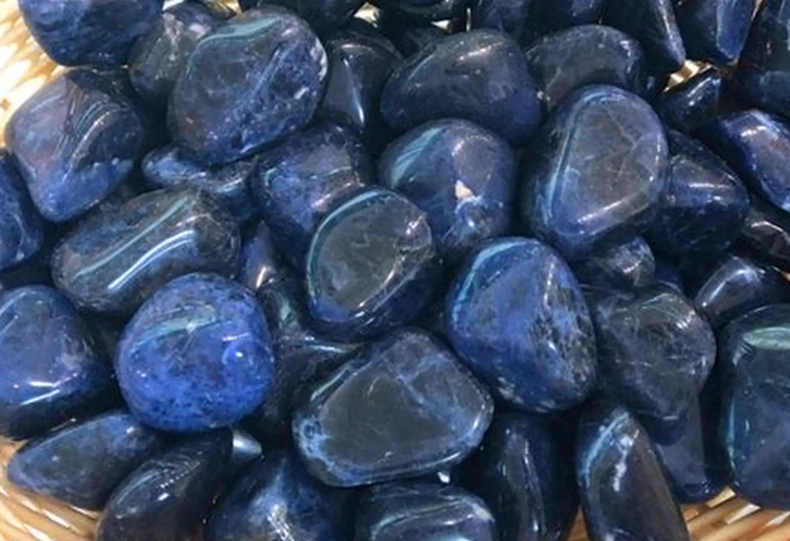
Caring for Your Sodalite: It's Not Invincible
Because of its middling hardness and cleavage, sodalite needs a bit of TLC.
- Cleaning: Use warm, soapy water and a soft cloth. Avoid harsh chemicals, ultrasonic cleaners, and steam cleaners. They can damage the stone or its polish.
- Storage: Store it separately from harder gems like quartz, sapphire, or diamond to prevent scratches. Wrap it in a soft cloth or keep it in a fabric-lined box.
- Sunlight: Prolonged direct sunlight can fade the color over many years. It's not as sensitive as amethyst, but don't leave it on a sunny windowsill permanently.
- Water & Salt: Brief contact with water is fine for cleaning. However, I wouldn't recommend leaving it submerged for long periods (like in a saltwater bath for cleansing), as it could potentially degrade the surface or loosen glue in jewelry settings.
Your Sodalite Questions, Answered (The Real Stuff People Ask)
Final Thoughts: Is Sodalite Right for You?
Look, sodalite isn't a magical fix. No crystal is. If you're struggling with anxiety or communication issues, a blue rock is not a substitute for therapy or honest work on yourself.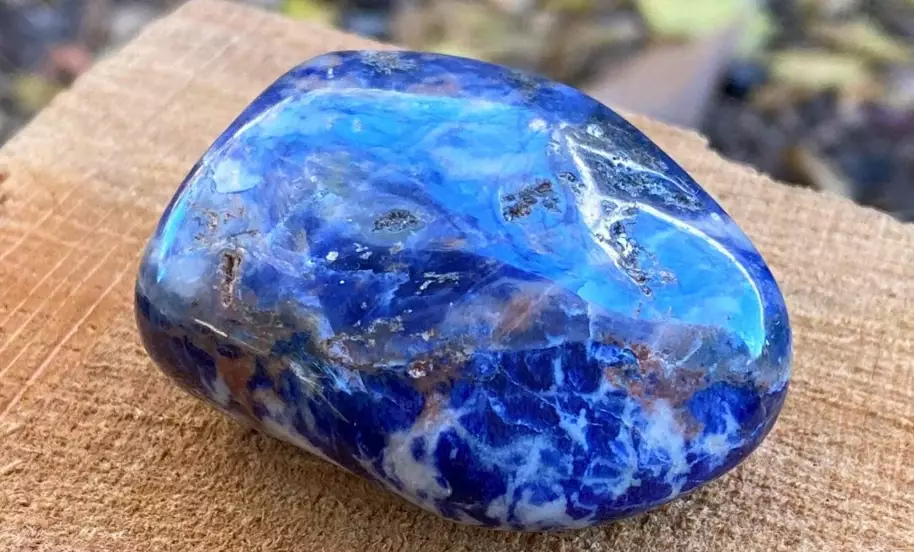
But as a tool for mindfulness, a beautiful object of nature, or a symbol of the clarity you're seeking, it can be incredibly powerful. Its real value might be in the pause it creates—that moment you stop to look at its deep blue and take a breath, reminding yourself to think clearly and speak truly.
My advice? If you're drawn to it, get a small, genuine piece from a reputable source. Don't spend a fortune at first. Hold it. See how it makes you feel. Use it as a paperweight on your desk, wear it as a simple pendant, or just keep it in your pocket. Let its meaning develop from your own experience, not just from what you read online.
The world of crystals can be overwhelming and filled with hype. With sodalite, what you see is often what you get: a strikingly beautiful, somewhat soft blue stone that has captivated people for over a century. Whether its depth is geological or metaphorical is up to you to decide.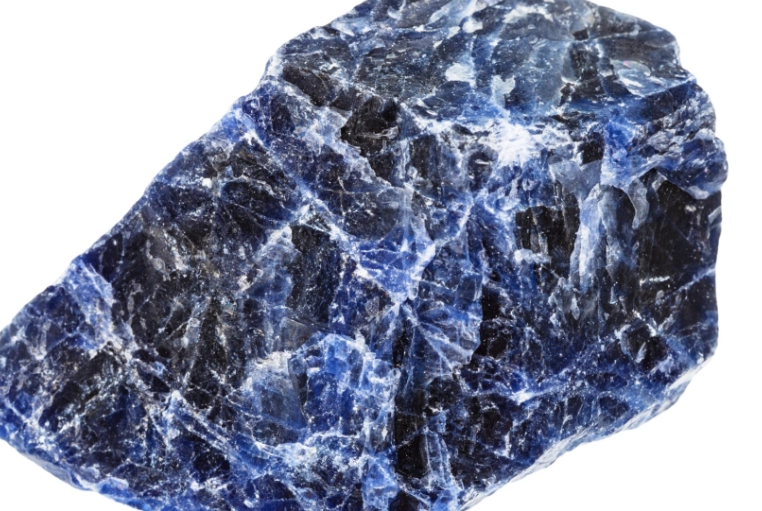
Want to learn more about specific mineral properties from an academic perspective? The Gemological Institute of America's (GIA) Gem Encyclopedia is an unparalleled resource for gemstone data, and the International Gem Society's guide offers detailed insights for jewelers and enthusiasts alike.
Related Articles
Unlock the Power of Clear Quartz: The Ultimate Guide to Properties & Uses
Lapis Lazuli Spiritual Meaning: Ancient Wisdom for Modern Life
Blue Chalcedony: The Complete Guide to Meaning, Properties & Buying Tips
Malachite Safety Guide: Who Should Avoid It & Why
Quartz Crystal Guide: Healing Properties, Types, and Practical Uses