Quick Guide
- First Things First: What in the World Is Moss Agate, Really?
- The Heart of It All: The Spiritual and Emotional Moss Agate Meaning
- A Journey Through Time: The Historical Moss Agate Meaning
- Moss Agate vs. The Look-Alikes: How to Know You Have the Real Deal
- Putting It to Work: Practical Ways to Use Moss Agate
- Caring for Your Stone: Cleansing and Charging (A Pragmatic View)
- Your Moss Agate Questions, Answered (FAQ)
- Wrapping It All Up: What Does Moss Agate Truly Mean?
You've probably seen it all over Instagram and crystal shops – that beautiful stone with green, moss-like inclusions floating inside. It's stunning, no doubt. But when people talk about the moss agate meaning, things can get a bit... fuzzy. Is it just a pretty rock? A powerful healing stone? A gardener's lucky charm? Honestly, when I first got into crystals, I found the information overwhelming and sometimes contradictory. Some sources made it sound like a magical cure-all, which always sets off my skeptic alarm. So, let's clear the air and get to the heart of it, blending the cool science, the rich history, and the practical uses that actually make sense.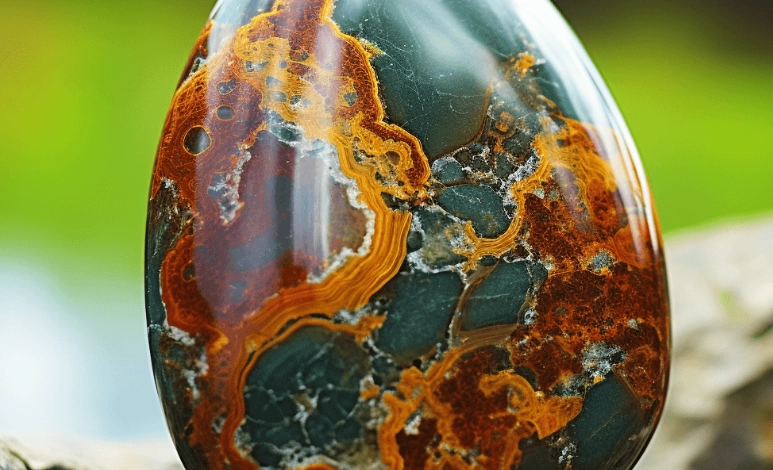
Here's the thing upfront: The meaning of moss agate isn't a single sentence. It's a layered story. On one hand, you have its literal, geological makeup – a fascinating tale of minerals and time. On the other, you have centuries of human belief and symbolism attached to it. Both are valid, and understanding both gives you a much richer appreciation for the stone than any quick social media post ever could.
First Things First: What in the World Is Moss Agate, Really?
Let's strip away the mystique for a second. Scientifically speaking, moss agate isn't actually an agate. I know, mind-blowing, right? A proper agate has concentric banding. Moss agate doesn't. It's technically a chalcedony (a type of microcrystalline quartz) that contains mineral inclusions, usually manganese or iron oxide, that create those plant-like, dendritic patterns. The "moss" isn't fossilized plant life, though it looks eerily similar. It's inorganic. Nature is just an incredible artist.
This distinction matters because it grounds the conversation. We're talking about a specific mineral formation with specific properties, not just a vague "green crystal." You can find great, detailed explanations of chalcedony and dendritic formations on the Gemological Institute of America (GIA) website, which is an absolute authority on gemology.
It forms in volcanic rocks or ancient lava flows. Silica-rich water seeps into cavities and deposits layers of chalcedony, and the manganese or iron seeps in alongside it, creating those beautiful, branching designs. The colors can range from clear to milky white, with the inclusions in various shades of green, black, red, or even brown.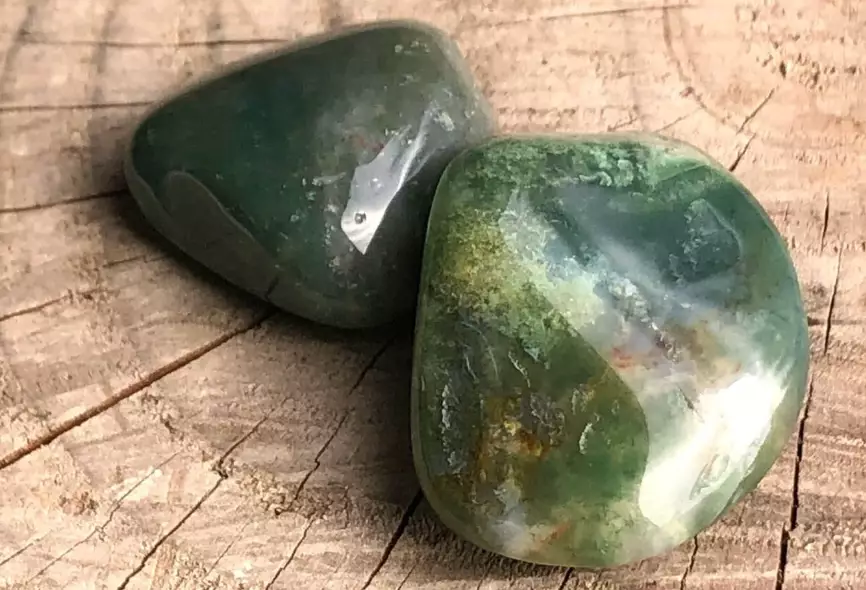
Moss Agate at a Glance
- Mineral Class: Silicate, Chalcedony variety
- Key Feature: Dendritic (tree-like) inclusions, not bands.
- Common Colors: Clear/white host with green, black, or brown "moss."
- Hardness: 6.5-7 on the Mohs scale (durable for jewelry).
- Where It's Found: India, USA (Montana, Wyoming), Brazil, Australia.
The Heart of It All: The Spiritual and Emotional Moss Agate Meaning
Alright, now onto the part most people are searching for. The moss agate stone meaning in spiritual and metaphysical circles is overwhelmingly tied to themes of growth, abundance, and new beginnings. It's not called the "Gardener's Stone" for nothing. But let's break that down beyond the buzzwords.
Connection to Nature and Steady Growth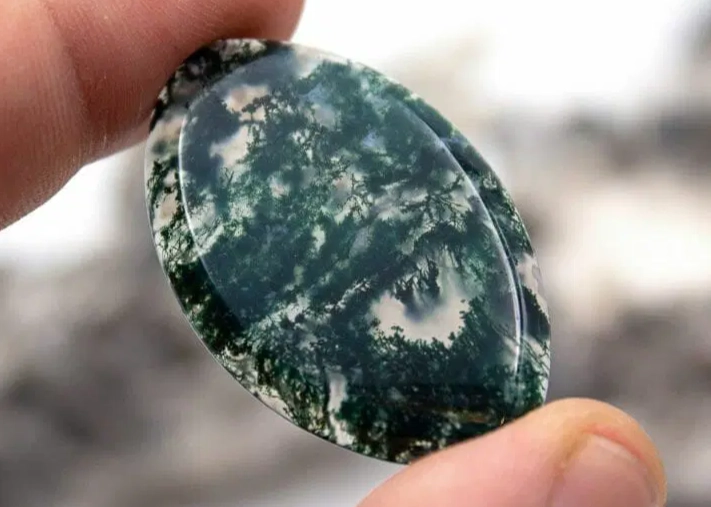
This is the core. Looking at moss agate is like looking into a miniature, fossilized forest. It directly symbolizes the slow, persistent, and resilient force of nature. Nothing in nature grows overnight. A tree takes decades. Moss creeps slowly over a rock. The moss agate crystal meaning reminds us of that pace. In a world obsessed with instant results, this stone is a talisman for patience. It's for the person planting a new business, starting a creative project, or working on personal development. It whispers, "Keep going, steadily."
I've personally kept a piece on my desk while writing long-term projects. Does it magically write the words for me? No. But as a physical reminder to trust a gradual process, it's surprisingly effective. It helps quiet the panic of "I'm not there yet."
Emotional Stability and Releasing "Toxicity"
Here's a more psychological take. The stone is often associated with emotional balance and cleansing. The idea is that its energy can help "filter out" negativity, anxiety, and stress, much like moss filters water in nature. It's linked to the heart chakra, promoting a sense of emotional calm and stability.
Some people find it helpful during times of transition or stress, not as a fix, but as a focal point for meditation—a reminder to root themselves and find calm amidst chaos. The meaning of moss agate crystal here is less about magic and more about mindful symbolism.
Abundance and Attraction: A Reality Check
This is where crystal marketing can go off the rails. You'll see claims that moss agate "attracts wealth." I think that's a superficial take. Its connection to abundance is deeply tied to its agricultural history. Farmers carried it for a bountiful harvest—a result of hard work, good timing, and nurturing, not a lottery win.
So, a more grounded interpretation of this aspect of moss agate meaning is about fostering the conditions for abundance to grow. That means nurturing your skills, your relationships, and your opportunities. It's an abundance mindset rooted in action and care, not passive attraction.
Let me be honest: I'm skeptical of any crystal being presented as a direct line to cash. It feels disingenuous. The "abundance" that resonates with me regarding moss agate is the abundance of a full garden, a finished project, or a strengthened connection—things that require your input.
A Journey Through Time: The Historical Moss Agate Meaning
Our modern interpretations aren't pulled from thin air. They have deep roots. Ancient civilizations, lacking our geological science, saw the landscape inside the stone and attributed divine or powerful properties to it.
- Ancient Greeks & Romans: They associated it with demigods of agriculture and used it as an amulet to ensure full harvests. Farmers would tie it to their ploughs or animals. This is the direct ancestor of the "Gardener's Stone" nickname.
- Islamic & Persian Traditions: It was believed to relieve thirst and protect travelers in the desert. Some warriors would carry it, believing it made them more agile and victorious.
- European Renaissance: Apothecaries and healers used powdered moss agate in elixirs, believing it could treat everything from digestion issues to poisoning. (Please do not ingest crystals! This is historical context, not advice.)
This historical context adds a layer of richness. The moss agate meaning has always been intertwined with survival, nourishment, and protection in the physical world.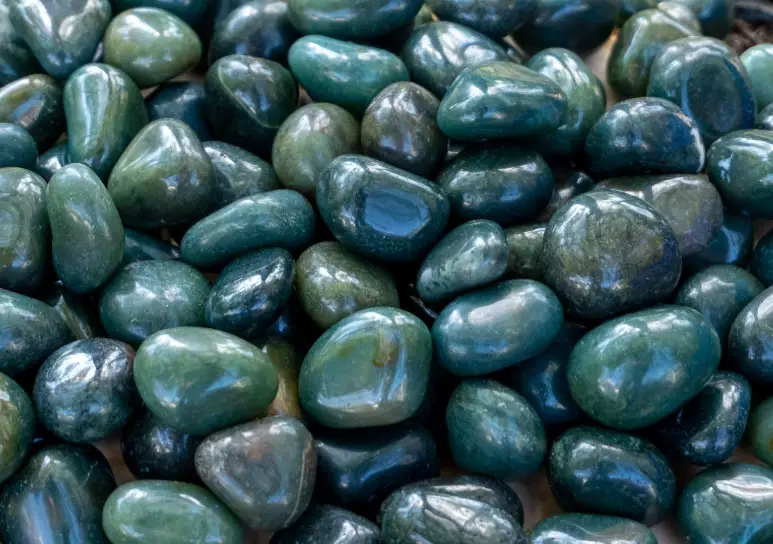
Moss Agate vs. The Look-Alikes: How to Know You Have the Real Deal
This is a huge practical concern. With its popularity, misidentification is common. Knowing the moss agate meaning is pointless if your stone isn't moss agate! Here’s a quick comparison table I wish I had when I started collecting.
| Stone Name | Key Difference from Moss Agate | Why It Gets Confused |
|---|---|---|
| Moss Agate | Dendritic inclusions in chalcedony. No bands. Inclusions are 3D and look like ferns/moss. | This is the real one! |
| Tree Agate (Dendritic Agate) | Usually has a white, opaque background. The dendritic patterns are often black and very bold, like a stark tree silhouette. | Both have dendritic patterns. Tree agate is more opaque and graphic. |
| Plume Agate | Inclusions look more like soft feathers, plumes, or smoke. They have a wispy, flowing quality, not a branching, plant-like one. | Both have inclusions in clear chalcedony. The texture of the inclusion is different. |
| Green Aventurine | A quartzite with sparkly inclusions (fuchsite mica). It has a uniform green, sparkly appearance, not isolated dendritic patterns. | It's green. That's about it. The texture is completely different. |
| Malachite | Has distinct, concentric banding in shades of green. It's a completely different, opaque copper mineral. | The green color. Malachite bands are nothing like moss agate's dendrites. |
If you're a visual learner, comparing your stone to verified specimens in a mineralogy database like the one maintained by the Mindat.org mineralogical database can be incredibly helpful. It's a community-driven resource with thousands of authentic photos.
Putting It to Work: Practical Ways to Use Moss Agate
Understanding the moss agate meaning is one thing. Applying it is another. Here are some concrete, non-fluffy ways to bring its symbolism into your life.
1. As a Focus Object for Meditation or Intention-Setting
Hold a piece in your hand while you meditate. Instead of asking for vague "abundance," set a specific intention related to growth. "I am focused on steadily growing my savings by $X this year." "I am patiently developing my skill in X." Let the stone be a physical anchor for that intention. Its patterns can serve as a visual focus point to quiet a busy mind.
2. In Your Living Space (Especially the Garden!)
Place a tumbled stone in your garden, on a windowsill with plants, or on your desk where you do creative or nurturing work. It's a simple, symbolic nod to the energy you want to cultivate in that space—vitality, creativity, patience. Gardeners have done this for millennia. There's a comforting tradition to it.
3. As Jewelry for a Constant Reminder
Wearing it as a necklace, bracelet, or ring keeps its grounding, growth-oriented symbolism close. Choose a piece you genuinely like the look of. Every time you glance at it, let it be a cue to check in: Am I being patient with myself? Am I nurturing what's important?
Moss agate is decently hard, but its inclusions can sometimes create weak points. Be a bit more careful with rings or bracelets that might take knocks. A pendant is often the safest bet for daily wear.
4. For Creative Block or Problem-Solving
Stuck on a project? Place the stone in front of you. Its dendritic patterns are nature's perfect example of problem-solving: finding a path, branching out, exploring multiple routes from a single point. Use it as a metaphor. Look at the branches and ask, "What's one small branch of this problem I can tackle today?"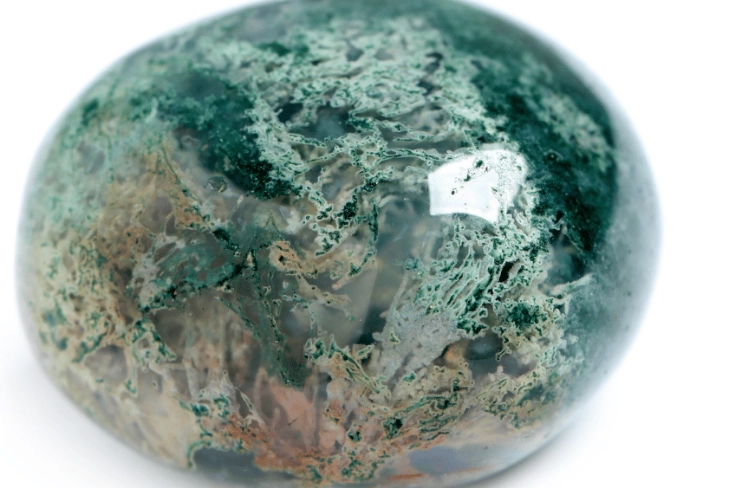
Caring for Your Stone: Cleansing and Charging (A Pragmatic View)
In crystal practice, it's believed stones absorb energy and need occasional "resetting." Whether you believe in energy or just want to treat it as a ritual of care, here's how to handle moss agate safely.
- Best Methods:
- Moonlight/Sunlight: Placing it in gentle morning sun or moonlight is classic and safe. Avoid harsh, direct afternoon sun for long periods as it *can* potentially fade some colors over many years.
- Smoke: Passing it through the smoke of sage, palo santo, or incense.
- Sound: Using a singing bowl or bell near it.
- Other Crystals: Placing it on or near a cluster of clear quartz or selenite.
- Use Caution With:
- Water: While technically safe for brief rinses (Mohs 6.5-7 is water-safe), prolonged soaking isn't necessary and could loosen settings in jewelry. Just wipe with a damp cloth.
- Salt: Avoid salt water or burying in salt. Salt can be abrasive and damage the polish or the metal in jewelry settings over time.
Your Moss Agate Questions, Answered (FAQ)
Is moss agate a birthstone?
It's not a traditional monthly birthstone (like diamond for April). However, in some modern or mystical systems, it is associated with the zodiac sign of Virgo, linking to its earthiness and connection to nature's cycles.
What chakra is moss agate associated with?
Primarily the Heart Chakra (Anahata). Its green color and themes of nurturing growth align with this energy center of love, compassion, and connection. It's also sometimes linked to the Root Chakra (Muladhara) for its grounding, earthly properties.
Can moss agate go in water?
As mentioned above, a quick rinse is fine. It's a hard stone. But I don't recommend making a habit of soaking it or wearing it in the shower regularly. It's unnecessary and constant exposure to soaps and hard water can dull its shine. Keep it simple.
How can I tell if my moss agate is real?
Look for the dendritic, internal, 3D patterns. They should look natural, random, and enclosed within the stone. Fake ones might have painted-on patterns that sit on the surface, look too perfect, or have bubbles in the glass if it's an imitation. Real moss agate is cool to the touch and has a substantial feel. When in doubt, buy from a reputable dealer who provides the mineral name accurately.
What's the difference between moss agate and tree agate?
This is the #1 confusion. Moss Agate typically has a clear to milky translucent background. Tree Agate has a solid, opaque white background, making the black or dark green dendritic patterns look much more stark and graphic, like a pen-and-ink drawing. Both are beautiful, but they have a different visual feel.
Is moss agate expensive?
Generally, no. It's considered a semi-precious stone and is quite affordable, especially as tumbled stones or in simple wire-wrapped jewelry. High-quality specimens with exceptional, scenic dendritic patterns or in large sizes for carving will cost more. But for the average person wanting a piece, it's very accessible, which is part of its appeal.
Wrapping It All Up: What Does Moss Agate Truly Mean?
So, after all this, what's the final take on the moss agate meaning?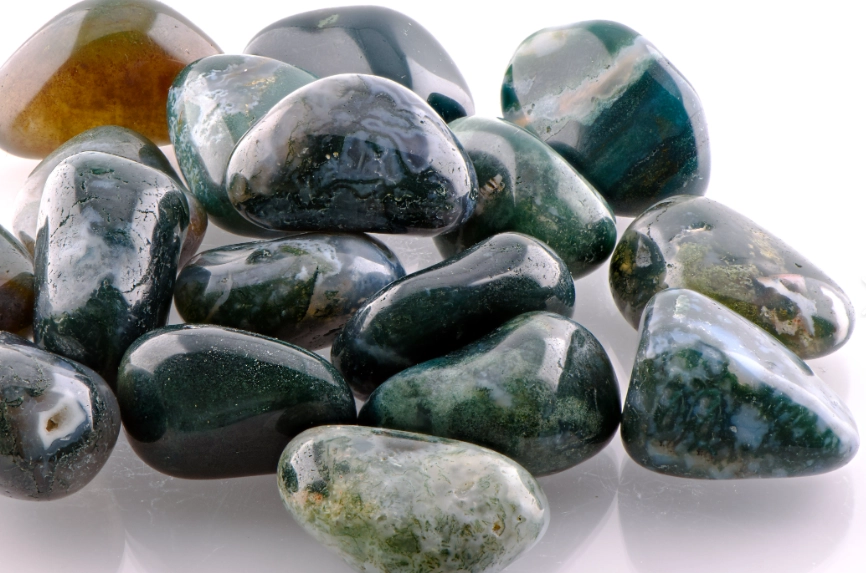
It's a stone of grounded growth. It connects us to the slow, steady, powerful rhythms of the natural world as an antidote to our frantic, instant-gratification culture. Its meaning is a blend of fascinating geology and enduring human hope—for good harvests, for emotional stability, for the patience to see our efforts bear fruit.
It won't do the work for you. No crystal will. But as a symbol, a reminder, and a tool for mindful focus, its value is real. Whether you're drawn to its scientific story, its historical journey, or its symbolic promise of nurturing new beginnings, moss agate offers a unique and beautiful connection to the enduring force of growth itself.
Find a piece that speaks to you. Learn its real name and story. Then, let it be a companion on your own path, whatever that may be. Just remember to water your actual plants, too.
Related Articles
Unveiling Green Onyx Properties: A Deep Dive into Its Meaning, Uses & Care
Selenite Crystal Uses: Healing, Energy Cleansing & More
Kunzite Formula: The Ultimate Guide to Meaning, Uses & Healing Properties
Are Sodalite and Lapis Lazuli the Same? No, Here's the Real Difference
Unlocking the Heart: The Comprehensive Guide to Rose Quartz Benefits