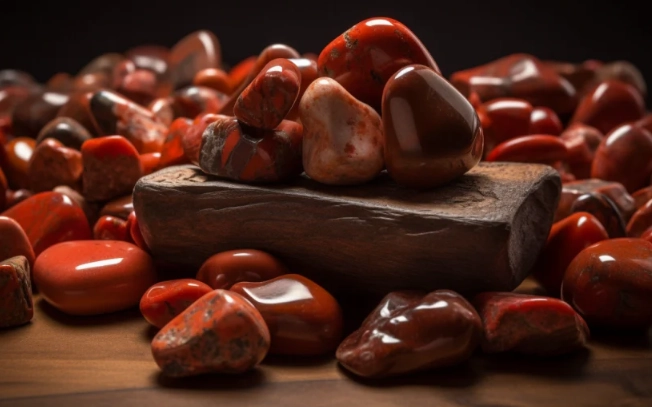
Let's clear something up right away. When you hear "garnet," you might picture a deep, wine-red stone—maybe something you'd see in vintage jewelry. Rhodolite garnet laughs at that stereotype. It's the vibrant, energetic cousin in the garnet family, famous for its stunning raspberry-red and purplish hues. I've been collecting and studying gemstones for over a decade, and rhodolite remains one of my top recommendations for anyone wanting color, clarity, and character without a sky-high price tag. It’s a stone that consistently surprises people.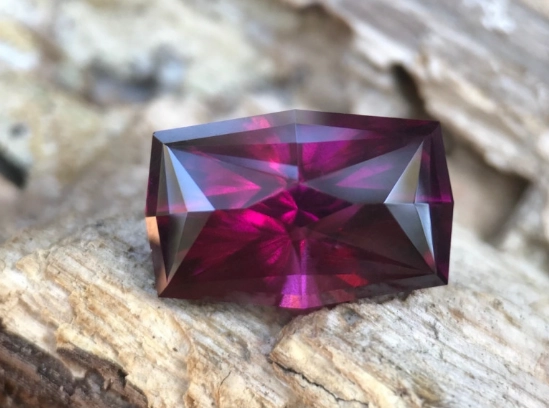
More than just a pretty face, rhodolite sits at a fascinating intersection. It's a gem for jewelers looking for a unique centerpiece, for crystal enthusiasts seeking heart-centered energy, and for savvy shoppers who want the look of a rare gem without the auction-house drama.
What's Inside This Guide?
What Exactly Is Rhodolite Garnet? Breaking Down the Science
Rhodolite isn't a standalone mineral. Technically, it's a variety of garnet, specifically a blend of two others: almandine and pyrope. Think of it like a natural cocktail. Almandine brings the rich red, while pyrope (often found in deeper crimson) lightens the mix and introduces those coveted purple and raspberry notes.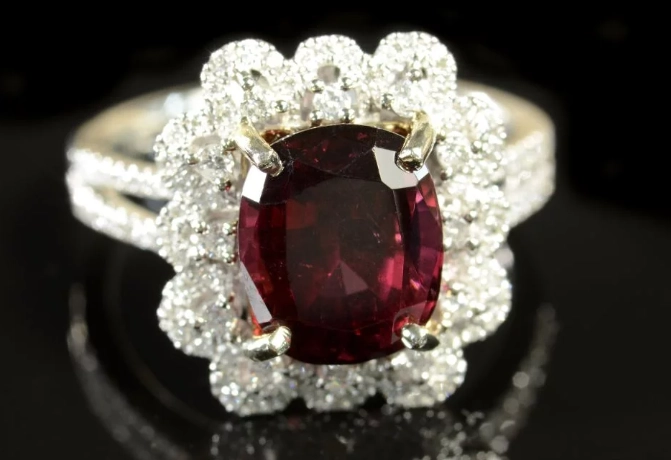
The name gives a clue. "Rhodolite" comes from the Greek word 'rhodon,' meaning rose. It was first described in the 1880s in North Carolina, USA, though today, major sources include Tanzania, Sri Lanka, India, Mozambique, and Zimbabwe. Each location can impart subtle differences. Tanzanian rhodolite, for instance, is often praised for its saturated, vivid color.
Quick Specs: Its chemical formula is a mix of (Mg, Fe)₃Al₂(SiO₄)₃. It has a Mohs hardness of 7-7.5, making it durable enough for rings and daily-wear jewelry with proper care. It has a refractive index that gives it a brilliant, glassy luster—not the fiery sparkle of a diamond, but a warm, glowing brilliance.
Here's a practical point most blogs miss. Because it's a mix, the exact color can vary batch to batch, even from the same mine. This isn't a flaw; it's a signature of its natural origin. A uniform, factory-perfect color across all stones would be a red flag.
How to Identify and Value Rhodolite: Color, Cut, and Clarity
Forget the Four Cs for a second. With rhodolite, it's really the Three Cs: Color, Color, and Color. Then we talk about cut and clarity.
The Rhodolite Color Spectrum: From Raspberry to Violet
The value hinges almost entirely on its hue. The most prized color is a balanced, medium-toned purplish-red or raspberry pink. Not too dark, not too light. You don't want it so dark it looks black in low light (a common issue with some almandine), nor so pale it washes out.
Secondary hues can include slight orange or brown tones, but these generally lower the value compared to a pure purple-red. The best stones have a luminous, almost electric quality in sunlight.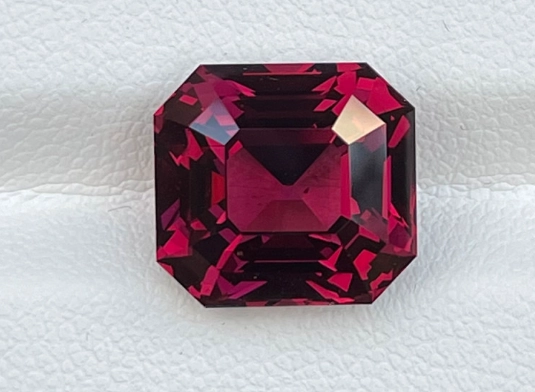
Cut and Clarity: Where the Magic Happens
Rhodolite is typically very clean to the eye. Unlike many rubies, it's common to find stones with excellent clarity. This allows cutters to focus on maximizing the color and light return. You'll see it in everything from classic ovals and cushions to more creative trillion or Portuguese cuts.
A good cut makes the color sing. A bad cut—too shallow or too deep—can leave it looking dull or creating a "window" where you can see straight through the stone. Hold it face-up and look for even color distribution and sparkle.
Pricing? This is where rhodolite shines. You can acquire a stunning, eye-clean 1-carat stone for a few hundred dollars. A comparable color in a ruby or spinel could cost thousands. It's arguably one of the best values in the colored gemstone world.
Smart Buying Tips: Where to Find Real Rhodolite
You won't find it at every mall jewelry kiosk. Here’s how to navigate the market.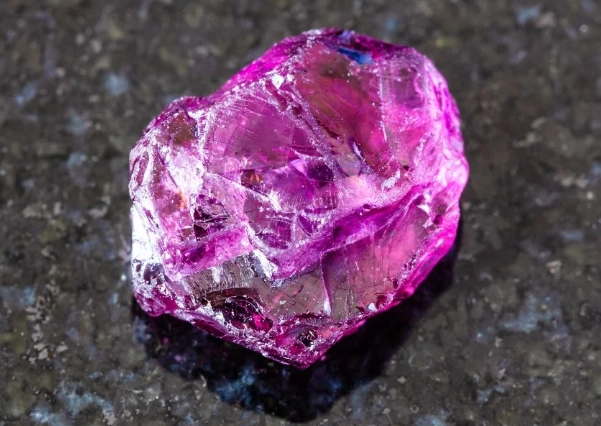
Watch Out For: The single biggest confusion is with rhodochrosite. The names sound similar, but they're completely different. Rhodochrosite is a manganese carbonate mineral, typically banded in pink and white, much softer, and not suitable for everyday rings. Always check the description for "garnet."
Look for reputable sellers who provide:
- Accurate Descriptions: It should be listed as "rhodolite garnet," not just "garnet."
- Origin Information: While not always necessary, sellers who know the source (e.g., Tanzanian) often know their stuff.
- Good Photography: Images in natural daylight, not just studio lights that can distort the purple/red balance.
My go-to sources are specialized online gem dealers (sites like Earth's Treasury or The Gem Trader have good reputations), gem shows, and custom jewelers who work directly with cutters. I avoid large, generic e-commerce platforms where misidentification is rampant.
Consider a precision-cut stone from a lapidary artist. The difference in performance—how the light moves—is often worth a small premium.
Rhodolite Meaning and Healing Properties: Beyond the Sparkle
In the world of crystal healing, rhodolite garnet is known as the "stone of inspiration and emotional balance." Now, I'm a geologist by training, so I look at this through a lens of historical tradition and personal experience, not hard science.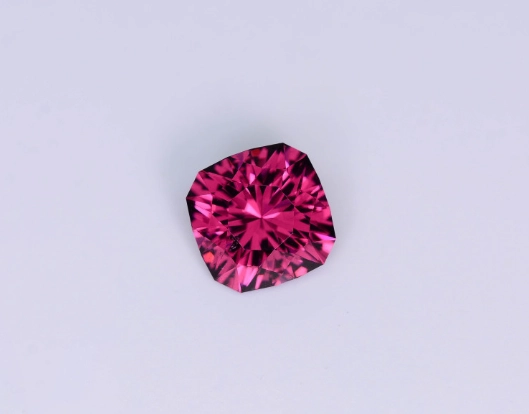
Traditionally, it's linked to the heart and root chakras. The idea is that it bridges our emotional heart (the purplish-red) with our sense of safety and grounding (the garnet family's classic association). People use it to:
- Stimulate a sense of compassion and self-love, especially after emotional hardship.
- Boost confidence and a sense of personal power (not aggression, but steady assurance).
- Encourage a positive outlook and revitalize passion for life's projects.
I've had clients tell me they feel a subtle "warming" sensation when holding it, which aligns with its historical use for circulation and vitality. Whether that's a physical or psychological effect is an open question, but the consistency of the anecdote is interesting.
It's not a magic pill. But as a tangible focus point for setting intentions—like wearing a ring as a reminder to speak from the heart—it can be incredibly powerful.
How to Care for Your Rhodolite Jewelry (The Right Way)
With a hardness of 7-7.5, it's durable but not indestructible. It can scratch quartz (hardness 7) but can be scratched by topaz or diamond. Common sense prevails.
Cleaning: Warm soapy water, a soft brush, and a rinse. Ultrasonic cleaners are usually safe for untreated stones, but if you see inclusions, skip it. Steam cleaners are generally fine.
Storage: Keep it separate from harder gems. A soft pouch or a compartment in a fabric-lined box is perfect.
Wear: It's fine for daily wear in rings, but maybe take it off for gardening, gym workouts, or dishwashing. It's more about protecting the setting and avoiding sharp blows than the stone being fragile.
The stone itself is stable in light and won't fade. The beauty you buy is the beauty you keep.
So there you have it. Rhodolite garnet is a gem that defies expectations. It's vibrant, not somber. It's accessible, not elite. It carries a warmth that feels both ancient and immediately comforting. Whether you're drawn to its color, its purported energy, or simply the incredible value it represents, it's a stone that deserves a closer look. Skip the assumptions about garnet and let the raspberry-red glow speak for itself.
Related Articles
Sunstone Crystal Guide: Healing Properties, Identification, and Practical Uses
Quartz Spiritual Properties: A Complete Guide to Meanings, Uses & Benefits
Azurite Crystal Meaning: Uses, Benefits & How to Identify Real Azurite
Azurite Crystal Properties: A Complete Guide to Meaning, Uses & Benefits
Malachite Safety Guide: Who Should Avoid It & Why