Amethyst isn't just a purple rock—it's a powerhouse of spiritual meaning and healing energy that's been valued for centuries. If you're curious about what amethyst crystal really means, you're in the right place. I've spent over a decade working with crystals, and I've seen how amethyst can transform lives when used correctly. Let's cut through the hype and get into the real deal.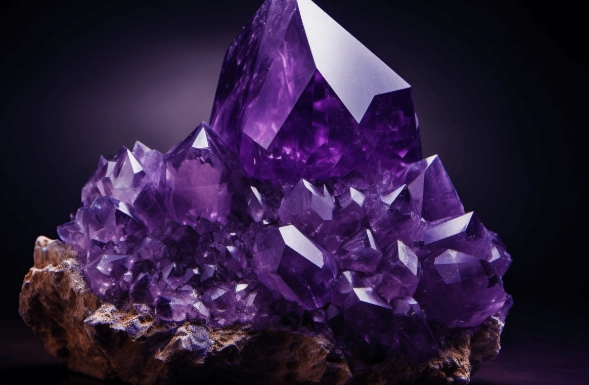
What You'll Discover in This Guide
The Rich History Behind Amethyst
Amethyst has a story that goes way back. Ancient Greeks believed it prevented drunkenness—hence the name "amethystos," meaning "not intoxicated." They'd carve drinking cups from it, thinking it kept them sober. Funny, right? But there's more to it.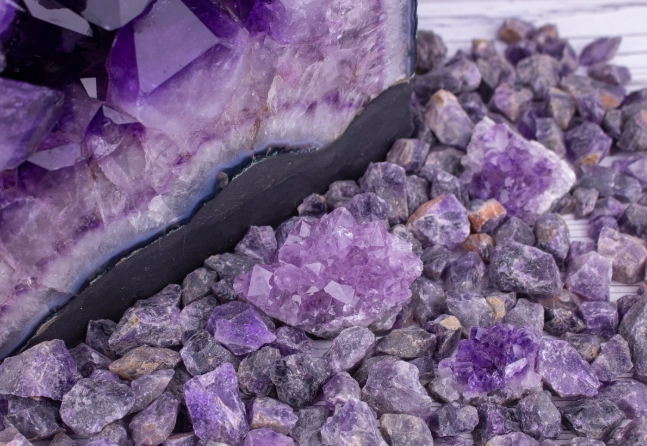
Amethyst in Ancient Civilizations
From Egypt to Rome, amethyst was a symbol of royalty. Cleopatra wore amethyst rings, and Roman emperors used it in their regalia. The British Museum has artifacts showing amethyst beads from 2000 BC. It wasn't just for show; people believed it warded off evil and brought clarity.
Religious and Spiritual Roles
In Christianity, amethyst represented piety and was used in bishops' rings. Eastern traditions like Ayurveda linked it to the crown chakra for spiritual connection. I once met a meditation teacher who swore by an amethyst mala for deepening practice—she said it reduced mental chatter instantly.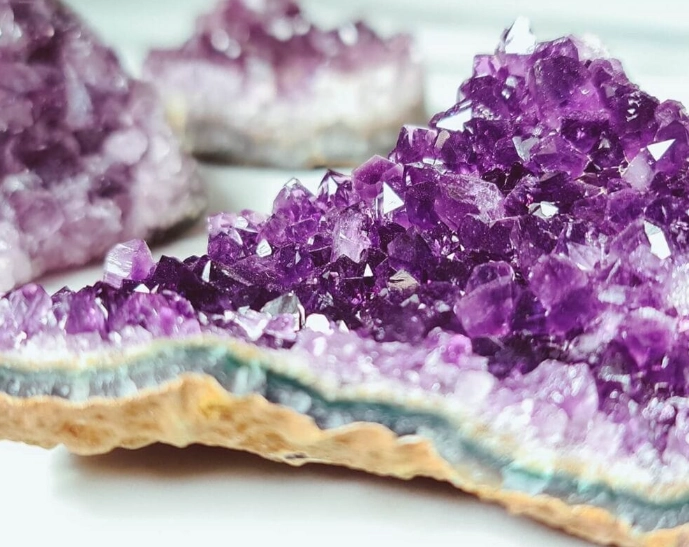
Healing Properties and Spiritual Meanings
Here's where things get practical. Amethyst is often called the "all-purpose" healer, but that's vague. Let's break it down.
Key Insight: Many beginners think amethyst's meaning is only about peace. Actually, it's equally about transformation—helping you move from stress to growth. That's a nuance most guides miss.
Emotional Healing with Amethyst
Amethyst is fantastic for calming anxiety. I've used it during stressful work deadlines—placing a tumbled stone on my desk reduced that frantic feeling. But it's not a magic pill. You need to pair it with intention. For example, hold an amethyst while taking deep breaths, focusing on releasing tension. Studies from the International Journal of Complementary and Alternative Medicine suggest crystals can aid mindfulness, though more research is needed.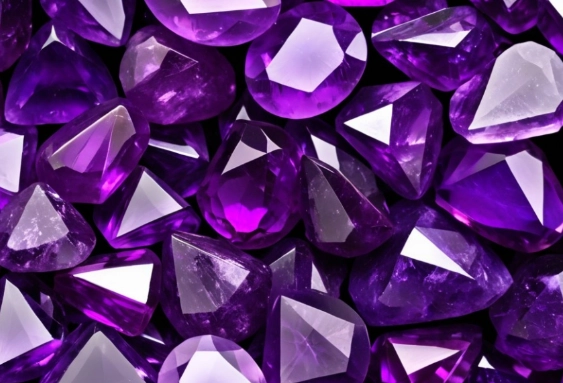
Spiritual Growth and Intuition
This crystal is linked to the third eye and crown chakras. It enhances intuition, but here's a non-consensus point: you don't need a perfect, clear amethyst for this. In fact, stones with inclusions or bands often have more dynamic energy. I've found that a slightly cloudy amethyst from Uruguay works better for meditation than a flawless Russian one. It's about the energy, not the aesthetics.
How to Choose and Buy Amethyst
Buying amethyst can be overwhelming. Let's simplify it.
Spotting Fake Amethyst: Expert Tips
Fake amethyst is everywhere—often glass dyed purple. Here's how to avoid it:
- Check the temperature: Real amethyst feels cool to touch and warms slowly. Glass heats up fast.
- Look for inclusions: Natural amethyst has tiny flaws or color zoning. Perfect uniformity is a red flag.
- Test hardness: Amethyst scores 7 on the Mohs scale. It should scratch glass easily.
I learned this the hard way when I bought a "bargain" amethyst cluster online—it turned out to be resin. Now, I only buy from reputable sellers like local gem shows or trusted online stores with return policies.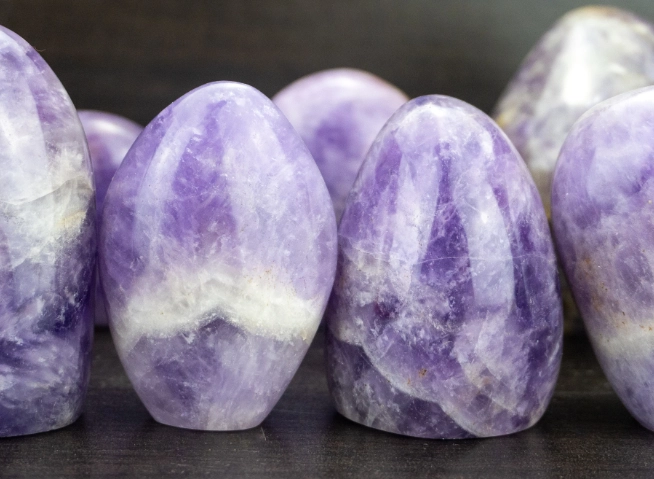
Price Ranges and Quality Grades
Prices vary wildly. Here's a rough guide based on my experience:
- Low-grade (tumbled stones): $5–$20—great for beginners, often from Brazil.
- Mid-grade (clusters or points): $30–$100—good for home decor, sourced from Uruguay or Zambia.
- High-grade (faceted gems): $150+—used in jewelry, typically from Siberia or Madagascar.
Don't overspend. A $10 tumbled amethyst can be as effective as a $500 specimen if you connect with it.
Practical Uses in Daily Life
Amethyst isn't just for collectors. You can integrate it into your routine easily.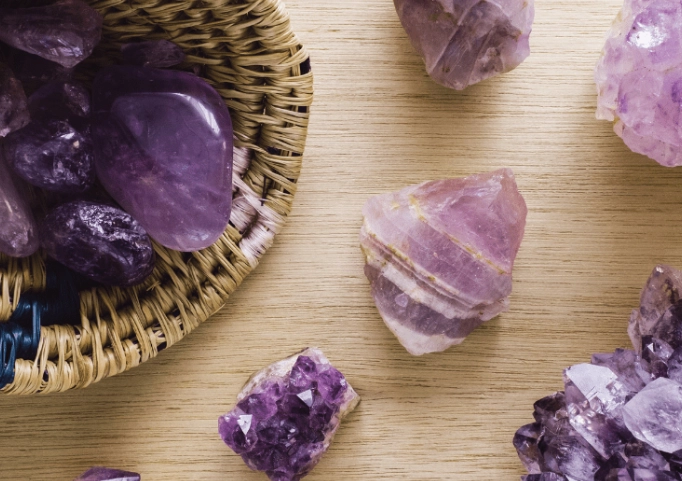
Decorating Your Home with Amethyst
Place amethyst geodes in living rooms or bedrooms. I have one on my nightstand—it improved my sleep quality within a week. The color purple is soothing, and the crystal's energy promotes a calm atmosphere. Feng shui practitioners recommend amethyst in the wealth corner (southeast) to attract abundance, but I've found it works better in spaces where you relax.
Wearing Amethyst Jewelry for Benefits
Necklaces or rings keep the energy close. My friend wears an amethyst pendant daily; she says it helps her stay centered during meetings. But clean it regularly—sweat and oils dull its vibrancy. A quick rinse under lukewarm water monthly does the trick.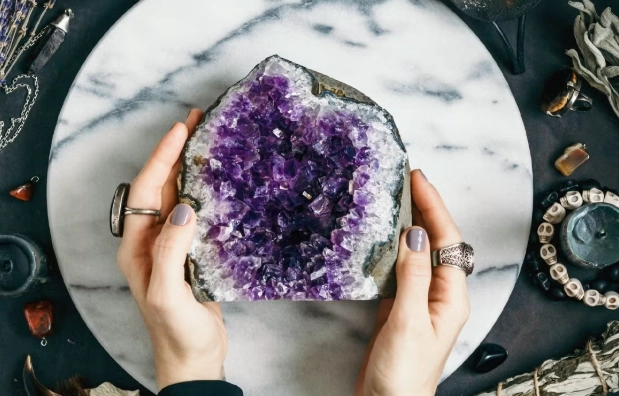
Common Mistakes and Expert Insights
Even seasoned users slip up. Let's fix that.
The Over-Reliance Trap
Biggest mistake? Treating amethyst as a cure-all. It's a tool, not a replacement for medical advice. I've seen people skip therapy because "amethyst healed them." That's dangerous. Use it alongside professional care, not instead of.
Proper Cleansing and Charging Methods
Amethyst absorbs negative energy, so cleanse it weekly. Moonlight charging is popular, but sunlight can fade its color. Instead, try burying it in salt (for a few hours) or using sound from a singing bowl. I prefer sound—it's quick and doesn't damage the stone.
Your Burning Questions Answered
Amethyst's meaning is deep and personal. It's not about following rules but finding what resonates with you. Start small, experiment, and remember—the real magic happens when you pair the crystal with your own growth. Happy exploring!
Related Articles
Selenite Crystal Cleansing: How to Cleanse & Charge with Moonlight
How to Use Malachite for Healing: A Complete Safety & Practice Guide
Blue Crystals Guide: Types, Meanings, and How to Use Them
Obsidian Crystal Meaning: Your Ultimate Guide to Protection & Clarity
Sun Stone: A Guide to Meaning, Uses & Healing Properties