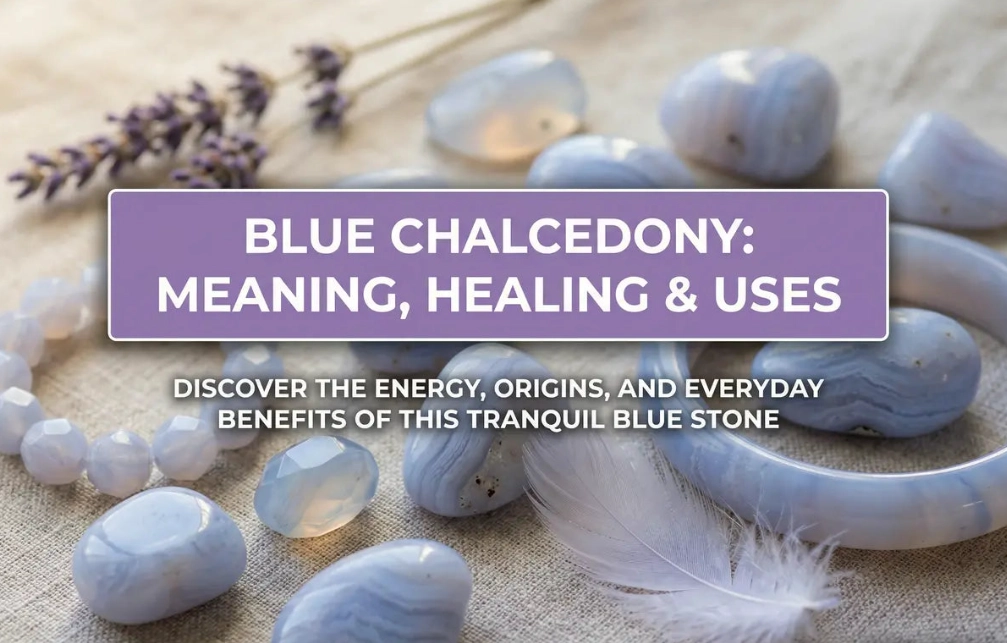
Blue aventurine caught my eye years ago in a dusty crystal shop, and since then, I've seen it transform from a niche stone to a must-have for anyone seeking calm and clarity. If you're wondering what blue aventurine means and how it can fit into your life, you're not alone. This guide cuts through the fluff to give you the real scoop on its healing properties, practical uses, and even some mistakes to avoid.
What You'll Discover
What is Blue Aventurine?
Blue aventurine is a variety of quartz, speckled with inclusions of hematite or mica that give it a shimmering blue color. It's not as rare as some gems, but its appeal lies in that subtle sparkle. Most blue aventurine comes from Brazil, India, and sometimes Tibet. I remember buying a piece from a miner in Brazil who said it's often mined alongside green aventurine, but the blue version has a quieter energy.
Geologically, it's a form of quartzite. For accurate mineral data, sources like Mindat.org confirm its composition. Don't confuse it with blue goldstone, which is man-made and has a more uniform sparkle. Real blue aventurine feels cooler to the touch and has a natural, uneven color distribution.
Blue Aventurine Meaning and Symbolism
The blue aventurine meaning revolves around communication and calm. In crystal lore, it's tied to the throat chakra, which governs how we express ourselves. But here's something many blogs miss: it's not just about talking more. It's about speaking with intention and listening better.
Symbolically, blue aventurine is linked to serenity and luck. Ancient cultures used it as a talisman for safe travel, probably because of its calming hue. I've found that people who carry it often report feeling less overwhelmed in chaotic situations. It's like having a pocket-sized peacekeeper.
Some say it attracts opportunities, but in my experience, it works by clearing mental fog so you notice opportunities already there. That's a subtle but crucial difference.
Healing Properties of Blue Aventurine
Blue aventurine's healing properties span physical, emotional, and spiritual realms. Let's break it down without the jargon.
Physical Healing Benefits
Traditionally, blue aventurine is believed to support throat health—think soothing sore throats or reducing inflammation. I'm skeptical about miracle cures, but I've heard from users who pair it with hydration and notice faster recovery. It might help with allergies, too, by calming the respiratory system. Always consult a doctor for medical issues, though.
Emotional and Mental Healing
This is where blue aventurine shines. It's a natural anxiety reducer. I used it during a stressful job transition, keeping a stone on my desk. It didn't magically fix everything, but it served as a reminder to breathe and stay grounded.
It enhances communication by easing social anxiety. If you struggle with public speaking or difficult conversations, holding a piece can quiet the inner critic. One client told me it helped her speak up in meetings without overthinking.
Spiritual Healing
Spiritually, blue aventurine opens the throat chakra, promoting clarity and truth. It's great for meditation, especially if you're working on expressing your authentic self. Some use it to connect with higher guidance, but I find it more effective for everyday mindfulness.
Here's a quick table to summarize key properties:
| Aspect | Properties |
|---|---|
| Physical | Supports throat health, may reduce inflammation, aids respiratory function |
| Emotional | Calms anxiety, enhances communication, reduces stress |
| Spiritual | Opens throat chakra, promotes clarity, encourages truthful expression |
How to Use Blue Aventurine
You don't need to be a crystal expert to use blue aventurine. Here are practical ways I've seen it work.
Wearing Blue Aventurine Jewelry
Wearing it as a necklace or bracelet keeps its energy close. A necklace near the throat is ideal for communication issues. I have a simple blue aventurine pendant I wear on days with important calls—it's become a ritual that sets the tone.
Placing It in Your Environment
Put a blue aventurine stone on your desk to create a calm workspace. Or place it in the living room to foster peaceful conversations. One friend keeps it in her car to reduce road rage. It sounds silly, but she swears by it.
Using in Meditation
Hold a blue aventurine during meditation to focus on throat chakra healing. Visualize blue light filling your throat area. I recommend starting with 5-10 minutes daily. Combine it with affirmations like "I speak my truth with ease."
Carrying It Daily
Toss a small tumble stone in your pocket or bag. When anxiety hits, hold it and take a deep breath. It's a tactile anchor. I've given these to friends, and they often say it's more effective than they expected.
How to Choose and Care for Blue Aventurine
Choosing the right blue aventurine matters. Look for stones with a deep blue color and natural sparkle. Avoid pieces that look too perfect or cheap—they might be dyed or synthetic. Trusted sellers often provide origin details; Brazilian blue aventurine tends to have richer hues.
To care for it, cleanse it monthly. Running it under lukewarm water works fine. Some prefer moonlight charging; leave it out during a full moon. I avoid salt because it can damage the surface. Store it separately to prevent scratches.
A common mistake is over-cleansing. You don't need to do it daily. Once a month is plenty, unless you're using it intensively for healing work.
Common Misconceptions and Expert Tips
After years in the crystal community, I've seen myths pile up. Let's clear the air.
Misconception 1: Blue aventurine works instantly. Truth: It's a tool, not a magic wand. It supports your efforts, but you still need to take action. For anxiety, pair it with therapy or mindfulness practices.
Misconception 2: It's only for spiritual people. Nope. Even skeptics can benefit from its calming presence as a focus object.
Expert tip: Combine blue aventurine with other stones. For communication, try it with lapis lazuli. For calm, add amethyst. But start simple—one stone at a time to feel its effects.
Another tip: Don't rely on it alone for big life changes. I've seen people buy crystals hoping for a quick fix, only to feel disappointed. Use it as part of a holistic approach.
Frequently Asked Questions
Blue aventurine is more than a pretty stone—it's a companion for modern stress. Whether you're seeking calm, better communication, or just a touch of serenity, give it a try with realistic expectations. Remember, the meaning you assign to it shapes its impact. Start small, observe, and let it become part of your journey.
Related Articles
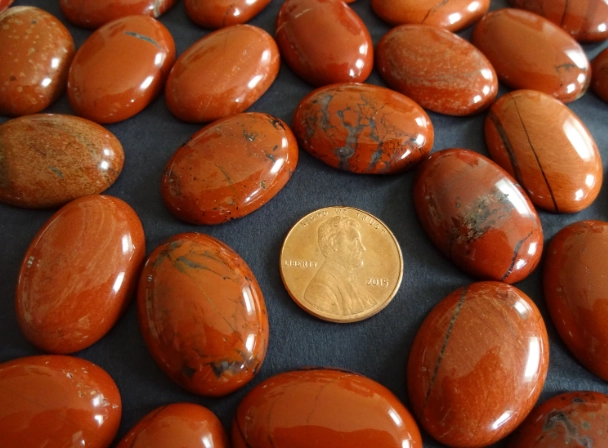
Natural Jasper Stones: The Complete Guide to Types, Meanings & Uses
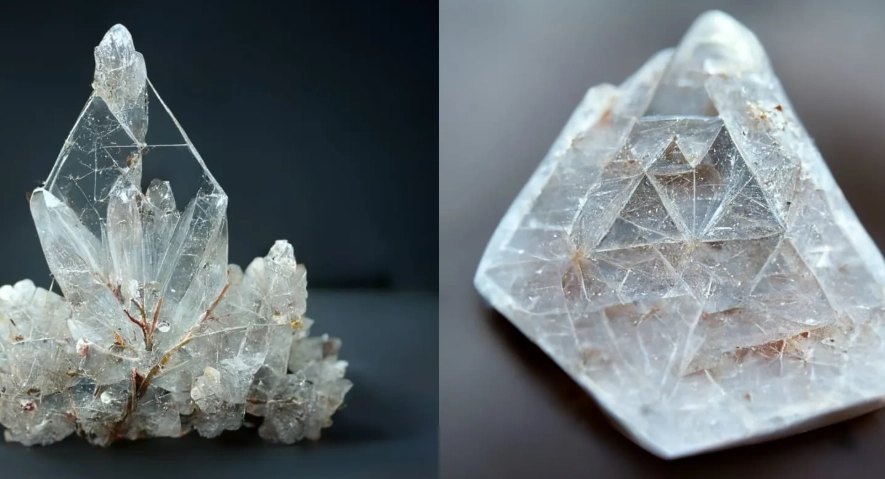
The Ultimate Guide to Clear Quartz Healing Properties & How to Use It

Huawei: China's semiconductor will be reborn under sanctions.
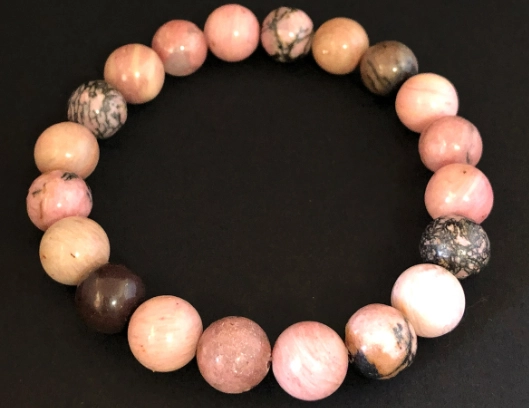
Who Should Wear Rhodonite? The Ultimate Guide to Benefits & Who It's For