Quick Navigation
Let's talk about green jasper. You've probably seen it – those earthy, opaque stones with deep green hues, sometimes speckled, sometimes striped. They pop up in crystal shops, jewelry stores, and even home decor sections. But what's the real deal with this stone? Is it just another pretty rock, or is there more to it? I remember picking up my first piece years ago, drawn by its calming color, but I had no clue what I was really looking at. Was it even real? What was I supposed to do with it?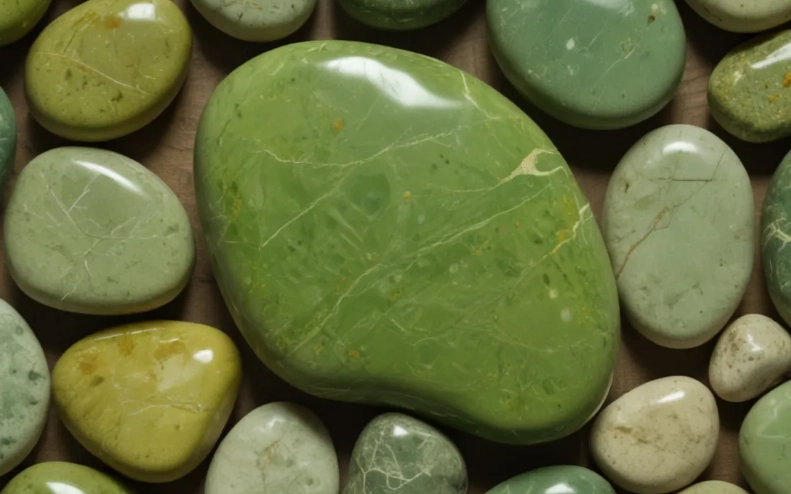
This guide is here to clear all that up. We're going beyond the basic "it's a grounding stone" description you see everywhere. We'll dig into what green jasper actually is, the different forms it takes (some are surprisingly not even pure green jasper!), the practical ways people use it, and most importantly, how to avoid getting ripped off with a fake. Because let's be honest, the crystal market can be a minefield.
So, What Exactly Is Green Jasper?
At its core, jasper is a variety of chalcedony, which itself is a type of microcrystalline quartz. That's a fancy way of saying it's made of incredibly tiny quartz crystals packed together so tightly you can't see them individually, giving jasper its characteristic opaque look. The green color primarily comes from mineral impurities mixed in during its formation, often chlorite or iron silicates.
Unlike its translucent cousins like agate, green jasper is almost always opaque. It's a stone of the earth, through and through. It forms in cracks and voids in rock, deposited from mineral-rich waters over… well, over millions of years. Thinking about that always gives me pause. The stone in your hand is a snapshot of ancient geological processes.
For a precise, scientific classification of jasper and chalcedony, the mindat.org mineral database is an incredible resource. It's a bit technical, but it's the gold standard for mineralogical information. You can check their entry on Jasper to see the hard data.
Now, here's where it gets interesting. Not every stone sold as "green jasper" is the same. Far from it.
The Many Faces (and Names) of Green Jasper
This is a major point of confusion. "Green jasper" is often used as a catch-all term, but there are specific varieties, each with a unique look. Some are true jaspers, others are technically something else but get the name because of resemblance. Knowing these can save you from buying mislabeled stones.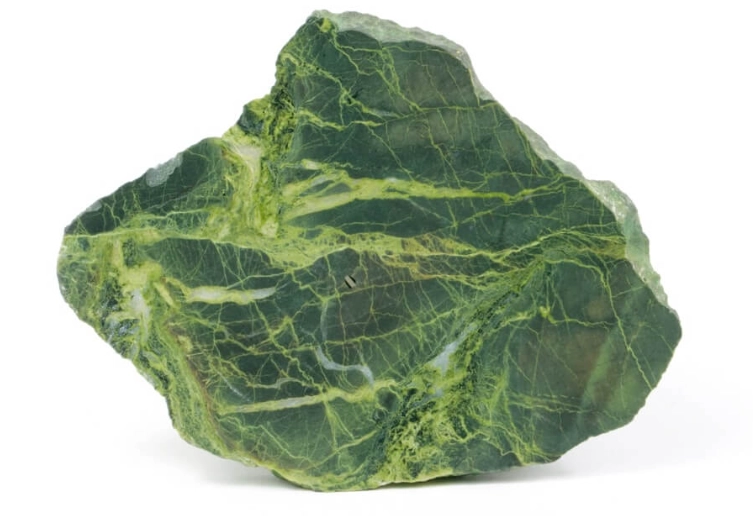
| Common Name | What It Really Looks Like | Key Characteristics & Notes |
|---|---|---|
| Pure Green Jasper | A solid, uniform forest green or moss green. Can be light or dark. | Often the "classic" look. Can be polished to a nice, waxy shine. Relatively common. |
| Rainforest Jasper (Rhyolite) | NOT a true jasper! A green and cream rhyolite with orb-like patterns. | Extremely popular. The circular patterns look like moss agate. It's beautiful, but calling it "jasper" is a trade name, not geology. Personally, I think it's overpriced for what it is. |
| Picture Jasper (Green Varieties) | Landscape-like patterns in earthy tones, sometimes with green layers. | True picture jasper is a sedimentary jasper. The scenes look like desert mountains. Green layers are less common but stunning. |
| Bloodstone (Heliotrope) | Dark green jasper with bright red spots of iron oxide (hematite). | One of the most famous "green jaspers." The red spots look like blood. Historically significant. A personal favorite for its bold contrast. |
| Green Zebra Jasper | Banding of dark and light green, sometimes with black stripes. | A trade name for a banded jasper or sometimes a serpentine. Very striking patterns. Makes for great statement pieces. |
See what I mean? When someone says "green jasper," you need to ask, "Which kind?" Rainforest Jasper (rhyolite) is the biggest culprit in the name game. It's a lovely stone, but it's geologically different. Does it matter for your use? Maybe not. But for accuracy and value, it's good to know.
What Do People Believe Green Jasper Is Good For?
Alright, let's tackle the meanings and uses. This is the metaphysical and practical side. Whether you subscribe to crystal healing or just like the symbolism, these are the associations green jasper has carried for a long time.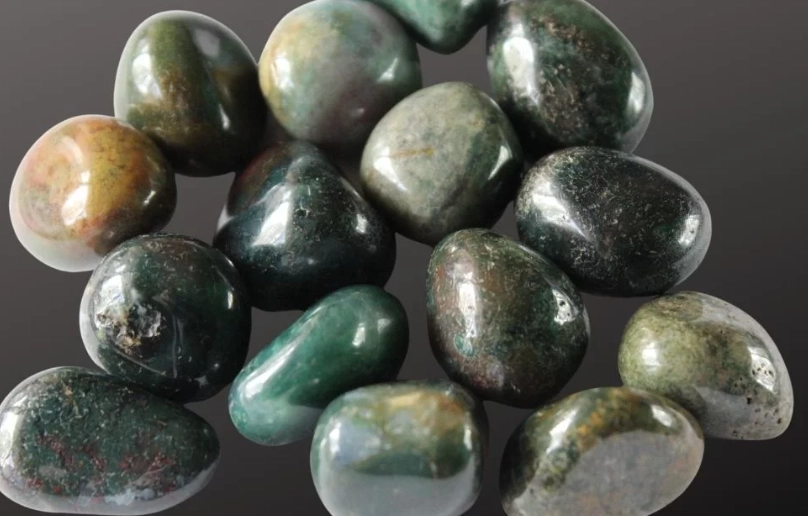
The core themes for green jasper stone revolve around stability, nurturing, and growth. It's seen as an anchor. Think of the deepest, most stable part of a forest—that's the energy people attribute to it.
Common Symbolic Meanings and Uses
- Grounding and Stability: This is the number one association. In a world that feels chaotic, green jasper is said to connect you to the steady, slow energy of the earth. It's for when you feel scattered or anxious.
- Heart and Emotional Support: The green color naturally links it to heart energy. It's not about passionate love, but more about nurturing, self-care, and fostering emotional resilience. Some call it a "nurturing stone" for times of stress or recovery.
- Endurance and Persistence: Jasper, in general, was a stone of warriors. Green jasper ties that to the persistence of nature—vines that crack stone, roots that push through soil. It's for long-term projects, sticking to goals, and finding inner strength.
- Connection to Nature: Pretty straightforward. Holding a piece of green jasper can feel like holding a piece of the forest floor. It's used to enhance a connection to the natural world, which for many is a source of peace.
How do people actually use it? It's not just about holding a rock.
- As a Pocket Stone: Keep a tumbled piece in your pocket or purse. The idea is to touch it during stressful moments for a quick, tactile reminder to breathe and ground yourself. I do this before big meetings—it's more of a mindful fidget than anything magical.
- In Jewelry: Wearing green jasper as a pendant or bracelet keeps it in your energy field, as believers say. Practically, it's a beautiful, earthy accessory. A green jasper bracelet is a common sight.
- In Your Space: A larger specimen or sphere on your desk or nightstand. It serves as a visual anchor, a little piece of calm nature in your personal environment.
- In Meditation: Holding it or placing it nearby to help focus on themes of growth, stability, or healing.
But here's my take: the real power of a green jasper stone, or any crystal, is often as a tool for intention. The stone becomes a physical symbol for what you want to cultivate—like patience or stability. The mind does the heavy lifting, but the stone is a great focus point.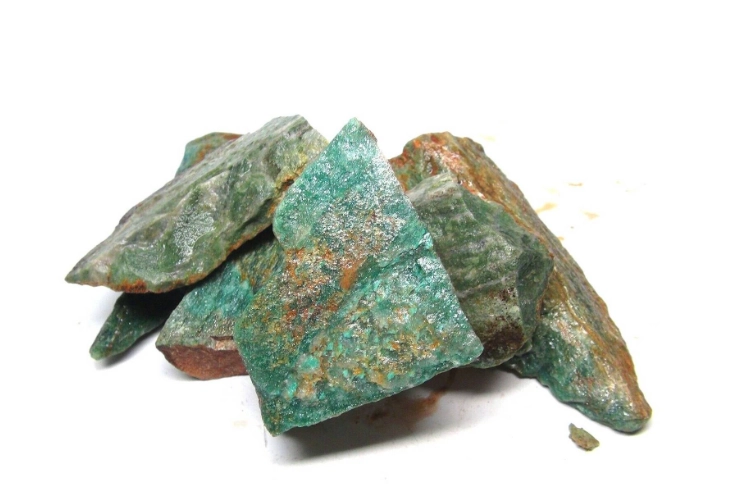
The Big Question: Is Your Green Jasper Real or Fake?
This is the part that frustrates everyone. The market is flooded with fakes, especially online. How can you tell if you're getting a genuine piece of green jasper? Let's break down what to look for and what to avoid.
First, know the enemy. Common fakes include:
- Dyed Howlite or Magnesite: These white, porous stones suck up dye like a sponge. They're often sold as "turquoise" but also appear in solid, unnatural greens.
- Resin or Plastic: Cheap imports, especially in bead form. They feel light and warm to the touch, not cool and heavy like stone.
- Glass: Can be molded and colored to look like jasper, but it's usually more transparent at the edges and has a different texture.
How to Identify Real Green Jasper
Use your senses. Don't just trust a label.
- Look at the Color and Pattern: Real green jasper has an earthy color. It's rarely a bright, neon, or uniform lime green. Look for variations, inclusions, subtle banding, or speckles. Nature is messy. If it's a perfect, solid block of color with no variation, be suspicious.
- Check the Temperature and Weight: Genuine stone feels cool to the touch initially and is relatively heavy for its size. Resin and plastic feel light and will quickly warm up in your hand.
- Examine the Texture: Jasper has a fine-grained, often waxy luster when polished. It shouldn't look plastic-y or glossy like a candy. Unpolished pieces will be matte and rough.
- The Scratch Test (With Caution): Real jasper is quite hard (around 6.5-7 on the Mohs scale). It should not be easily scratched by a steel knife (which is about 5.5). A fake made of resin or howlite will scratch easily. Only do this on an inconspicuous spot if you own the stone!
For definitive identification, especially for rough specimens, consulting a gemologist or referencing a trusted mineralogical source is best. The Gemological Institute of America (GIA) Gem Encyclopedia entry on Jasper provides reliable, professional information on its properties.
It's okay to ask sellers questions. A reputable seller will know their material and be honest if something is dyed or a trade name.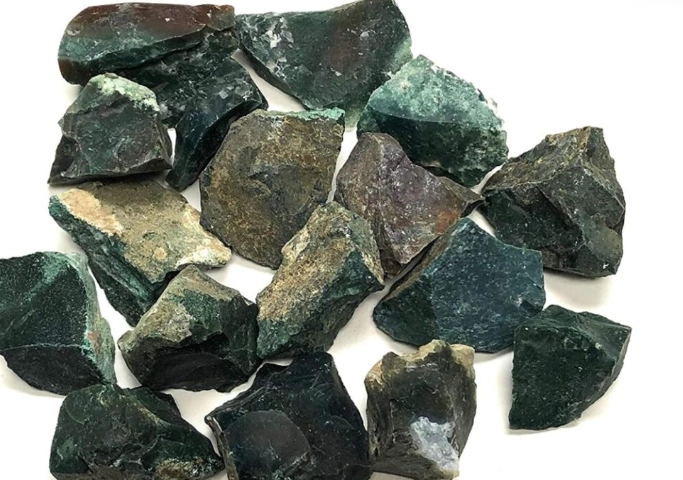
Caring for Your Green Jasper Stone
So you've got a real piece. How do you take care of it? Jasper is a durable stone, but it's not indestructible.
- Cleaning: Use mild soap, lukewarm water, and a soft cloth. Avoid harsh chemicals, ultrasonic cleaners, or steamers, as they can damage the polish or seep into any tiny cracks.
- Storing: Keep it separate from harder gems (like diamonds, sapphires, topaz) that could scratch it. A soft pouch or a separate compartment in a jewelry box is perfect.
- Sunlight: Prolonged, direct sunlight can fade some colored stones over many years. It's not a major risk for jasper, but if you have a prized specimen, don't leave it on a sunny windowsill for decades.
- Recharging/Cleansing (Metaphysical): If you use it for energy work, common methods include placing it on a selenite plate, burying it in earth (briefly!), smudging with sage, or using sound from a singing bowl. Water is generally safe for jasper, so a quick rinse under running water is a popular method too.
I've left a few pieces in a bowl of salt for a "cleanse" and had no issues, but some people warn against salt for any porous stone. With jasper, it's probably fine, but water is safer.
Answering Your Green Jasper Questions (FAQ)
The world of crystals can be overwhelming, full of big claims and confusing names. With green jasper, you've got a sturdy, earthy companion. It asks for little, offers a sense of calm, and reminds you of the slow, persistent growth of the natural world. Just make sure you're getting the real thing.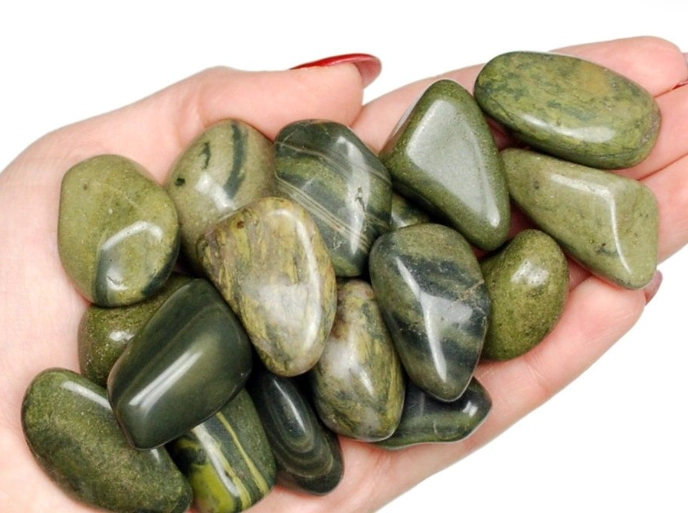
Related Articles
Jade Rock Meaning: More Than Just Luck & How to Use Its Energy
Moonstone Benefits: A Complete Guide to Its Meaning & Healing Properties
White Moonstone: Ultimate Guide to Meaning, Uses & Healing Properties
Kunzite Meaning: Healing Properties, Uses & How to Spot Fakes
Labradorite Crystal Meaning: Healing, Magic & Practical Uses