Quick Navigation
You've probably seen it everywhere – in jewelry stores, on Instagram feeds of wellness influencers, maybe even on a co-worker's desk. That warm, sunny yellow crystal that seems to shout "good vibes." That's citrine. But here's the thing, most people just like it because it's pretty. They don't really get the full citrine crystal meaning. It's not just a decoration. For centuries, folks have believed this stone packs a serious punch when it comes to attracting good stuff into your life. I remember buying my first small tumble stone years ago, mostly on a whim because I liked the color. I had no idea it would become the one crystal I constantly replace because I give pieces away to friends having a rough time or starting new ventures. There's a reason for that.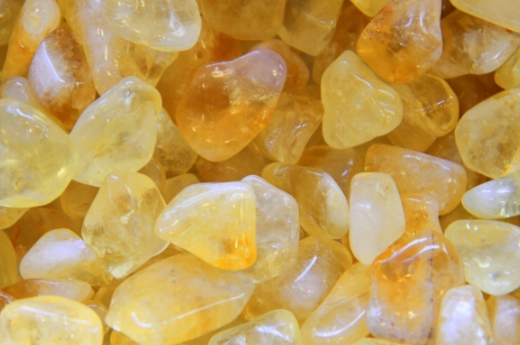
So, what's the real deal with citrine? Is it all hype, or is there something to it? Let's peel back the layers. We'll dig into where it comes from, what people actually use it for (beyond looking cool), and how to make sure you're not buying a fake. Because yeah, that's a huge issue in the crystal world. I've been burned before, paying for "natural citrine" and getting something that was baked in an oven. Not cool.
What Exactly Is Citrine? The Sunlight in Stone Form
At its most basic, citrine is a variety of quartz. You know quartz – it's one of the most common minerals on Earth. But citrine gets its famous yellow to orangey-brown color from traces of iron inside its structure. The name itself comes from the French word "citron," meaning lemon, which is pretty spot-on for its lighter shades. Geologically speaking, it's a silicon dioxide, sharing its family tree with amethyst and clear quartz. Sometimes, you even find pieces that are half amethyst and half citrine, called ametrine, which is wild to look at.
It's found in a few places around the world. The major sources include Brazil, Bolivia, Spain, and Madagascar. The material from Madagascar often has a lighter, more lemony hue, while Brazilian citrine can range from pale yellow to a deep, smoky orange-brown that almost looks like whiskey. Each variety has its own fans.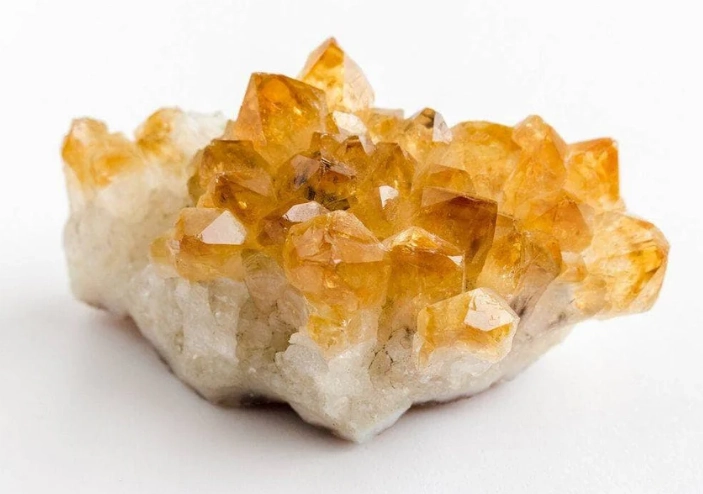
The Heart of the Matter: Unpacking Citrine Crystal Meaning
Alright, let's get to the core of why you're here. The citrine crystal meaning is deeply tied to two big, universal desires: wealth and happiness. It's no accident it's nicknamed "The Merchant's Stone" or "The Success Stone." But reducing it to just "money crystal" is a massive oversimplification. It's more about the energy of abundance and manifestation.
The Sunshine for Your Soul: Joy and Personal Power
Have you ever had one of those gloomy days where everything feels heavy? Citrine is like a beam of sunlight for your spirit. It's not a magic fix, don't get me wrong. But many users and crystal practitioners associate it with dissipating negative energy and promoting a sense of warmth, optimism, and joy. It's said to encourage self-confidence and clarity of thought. Think of it less as a pill for happiness and more as a tool to help you remember your own inner light and strength when things get cloudy. I keep a piece on my desk for this exact reason. When I'm stuck on a project or feeling self-doubt creeping in, holding it for a minute feels like a mental reset. Placebo? Maybe. But if it works, who cares?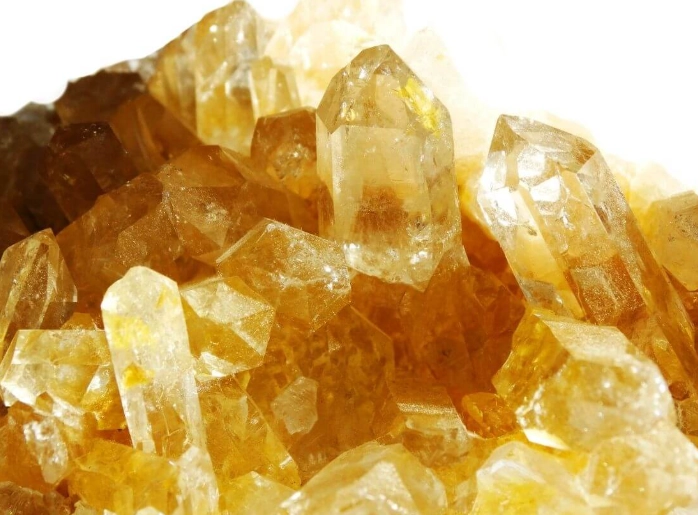
The Manifestation Magnet: Abundance in All Forms
This is the big one. The citrine crystal meaning is profoundly linked to manifestation. The idea is that it doesn't just attract money, but it helps you attract opportunities, ideas, and the drive to make things happen. It's associated with the solar plexus chakra (your core power center) and the sacral chakra (creativity), which makes sense. It's about taking your personal power and creative energy and directing it toward your goals. It's not a lottery ticket. It's more like a catalyst for the hustle. I know a small business owner who swears by keeping a large citrine cluster near her cash register. Sales increased? Sure. But she also said her mindset about money and opportunities became more proactive and less fearful.
Creativity and Clarity
Stuck in a creative rut? The citrine crystal meaning also extends to sparking imagination and mental clarity. It's believed to help organize scattered thoughts and turn creative ideas into actionable plans. Writers, artists, and anyone in a problem-solving field might find it useful. It’s like a gentle nudge for your brain, encouraging focus and cutting through mental fog.
To break it down visually, here’s how different aspects of the citrine crystal meaning connect to its uses:
| Color & Type | Primary Meaning Focus | Best Used For |
|---|---|---|
| Pale Lemon Yellow | Mental clarity, fresh starts, gentle joy | Studying, new projects, morning meditation |
| Vibrant Golden Yellow | Classic wealth & personal power manifestation | Business, career goals, building confidence |
| Deep Smoky Orange/Brown | Grounding abundance, enduring success, wisdom | Long-term investments, overcoming challenges, deep creative work |
| Ametrine (Citrine & Amethyst) | Balancing spiritual insight (amethyst) with practical action (citrine) | Making inspired ideas reality, spiritual business |
The Big Question: Is Your Citrine Real or Fake?
This is arguably the most important practical section. The market is flooded with heat-treated amethyst sold as citrine. And then there's outright glass fakes. Knowing the difference matters, not just for authenticity, but because many believe the properties differ. Natural citrine often forms with a lighter, more subtle and uneven color, sometimes with a slight smoky hint.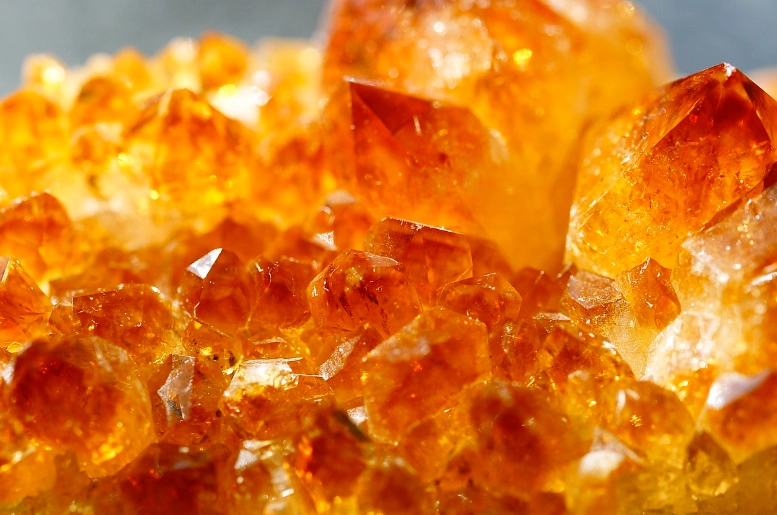
Heat-treated amethyst (often called "HTA" in the trade) usually has a more intense, opaque orange or reddish-brown color at the base of the crystal, fading to white at the tips. It can look a bit "toasted."
Here’s a quick checklist I use when shopping:
- Color: Natural citrine is typically a pale, consistent yellow or smoky gold. Be wary of intense, uniform orange-browns with white tips—that's a classic HTA signature.
- Inclusions: Natural stones may have minor imperfections, cloudiness, or unique formations. HTA often retains the internal banding of its amethyst origin.
- Price: Large, deeply colored, perfectly clear "citrine" points at a low price are almost certainly HTA. Genuine natural citrine of high quality commands a higher price. Organizations like the Gemological Institute of America (GIA) provide extensive educational resources on quartz varieties and treatments, which is a great place to verify technical information.
- Feel: This is subjective, but many collectors report a different, gentler energy from natural stone versus a more intense, sometimes sharp energy from HTA. Trust your gut.
Does the treatment nullify its use? Not necessarily. Many people use HTA successfully. But if you're seeking the specific geological vibration of natural citrine, you need to be a savvy buyer.
Citrine vs. Topaz: Why the Confusion?
This is a common mix-up, even in jewelry stores! Yellow topaz and citrine can look very similar. Historically, citrine was even called "topaz" in some contexts, adding to the confusion. Here's the breakdown:
- Citrine is quartz (hardness 7 on the Mohs scale). It's more common and affordable.
- Yellow Topaz is a different silicate mineral (hardness 8). It's rarer, has a higher refractive index (more sparkle), and is often more expensive.
A simple scratch test with a material of hardness 7.5 could distinguish them, but don't go scratching your jewelry! When in doubt, consult a professional gemologist. The International Gem Society (IGS) has detailed comparison guides that are incredibly helpful for visual learners.
How to Actually Use Citrine in Your Daily Life
Okay, so you have a piece (or you're about to get one). Now what? The citrine crystal meaning is great in theory, but it's in the application where you feel it. Here are some dead-simple ways to incorporate it.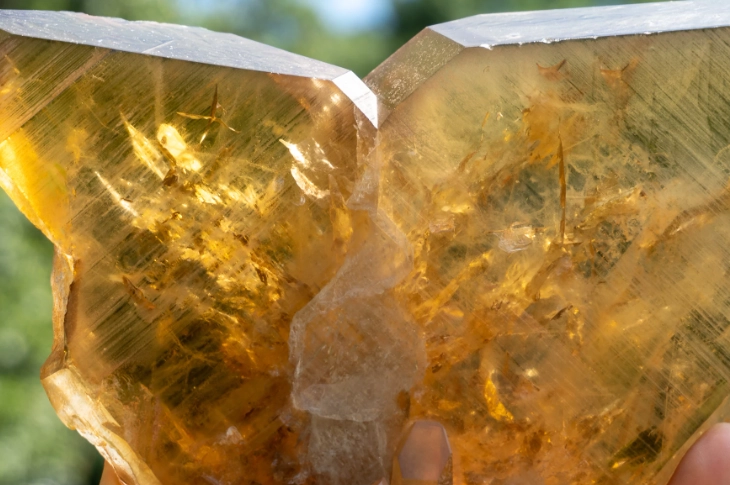
Wear It
The most direct method. A citrine ring (on your dominant hand to "give" energy, or the left to "receive"), a pendant close to your heart or solar plexus, or even a simple bracelet. It keeps the energy with you all day.
Place It in Key Spots
- Wealth Corner: In Feng Shui, the far left corner of your home (from the front door) is the wealth area. A citrine cluster here is a classic move.
- Your Workspace: On your desk, computer, or near your business tools to encourage productivity and prosperous ideas.
- The Kitchen: A bowl of small tumble stones to promote nourishment and abundance for the household.
- Cash Register/Purse/Wallet: The old-school "merchant's stone" practice. Directly with your money.
Use It in Meditation or Ritual
Hold a piece in your hand while visualizing your goals. Place it on your solar plexus during meditation to work on personal power issues. You can even create a simple abundance ritual: write a goal on paper, place a citrine on top, and leave it in sunlight for a few hours to "charge" the intention.
Citrine Q&A: Your Burning Questions Answered
Final Thoughts: Making Citrine Work for You
Exploring the citrine crystal meaning isn't about subscribing to a rigid set of rules. It's about finding a tool that resonates with you. Maybe you're drawn to it for the wealth aspect, or maybe you just need a little more sunshine in your emotional world. That's valid.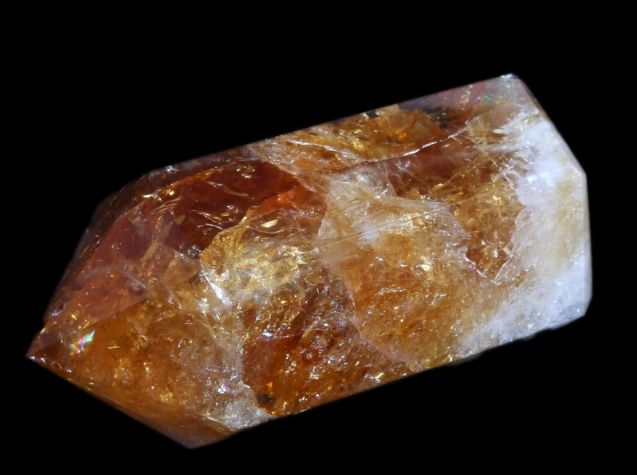
My advice? Start simple. Get a small, genuine piece. Don't break the bank. Carry it in your pocket for a week. Notice if your mindset shifts. Place it where you work. See if your focus improves. The meaning of any crystal, citrine included, is co-created by you and the stone. It's a partnership. It's not a genie in a bottle, but it can be a powerful reminder of your own intentions and capacity for joy and abundance.
The market is full of exaggerated claims. I find the quieter, more consistent practice of keeping citrine around far more effective than any dramatic ritual. It's the stone of steady, self-made success and enduring cheerfulness. In a world that can often feel chaotic and scarce, perhaps that gentle, sunny reminder is exactly what we need.
So go ahead. Let a little sunlight in.
Related Articles
Blue Quartz Crystal: Uses in Healing, Decor & Technology
Bloodstone Properties Guide: Healing, Uses & How to Spot Fakes
The Ultimate Guide to Orange Sapphire Raw Gems: Value, Buying & Care
Unlock the Heart-Opening Power of Kunzite Crystal Benefits
Moss Agate: A Real Gemstone with Ethereal Beauty