Explore This Guide
- What Is a Ruby, Really? The Science Behind the Sparkle
- The Heart of the Matter: Deep Meanings of the Ruby
- So, What Are the Actual Benefits? Separating Fact from Folklore
- How to Actually Use a Ruby: Practical Tips
- Buying a Ruby: What Matters Beyond the Meaning
- Common Questions About Ruby Gemstone Meaning and Benefits
- The Long-Term View: Ruby as an Heirloom and Asset
Let's talk about rubies. That deep, captivating red has stopped people in their tracks for centuries. It's not just a pretty gem you see in a museum case or on a celebrity's hand. There's a whole world of meaning, history, and yes, potential benefits wrapped up in that crimson sparkle. If you've ever found yourself wondering what the big deal is about the ruby gemstone meaning and benefits, you're in the right place. I've been down this rabbit hole myself, sorting through the hype, the history, and the genuine wonder of it all.
I remember the first time I held a decent quality ruby. It was smaller than I expected, but the color... it was like a drop of pure, living red. It felt warm, which is funny because it's just a stone, right? But that experience got me digging. What is it about this particular gem that has commanded such respect, from ancient warriors to modern collectors? We're going to unpack all of that, without the fluff and without just repeating what every other website says.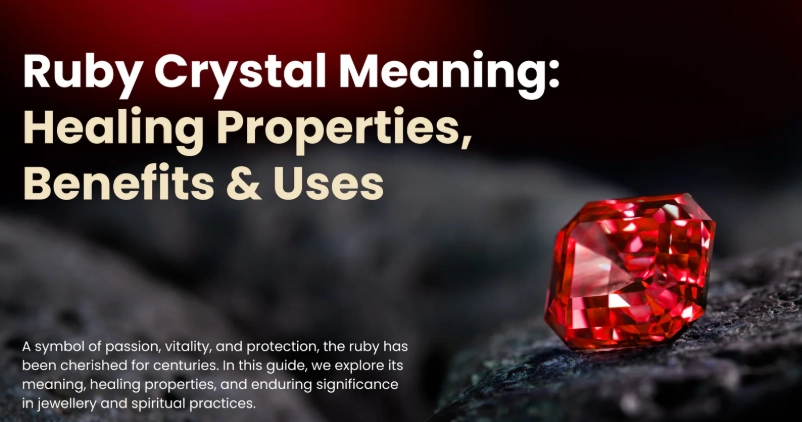
Bottom line up front: The ruby gemstone meaning and benefits are tied to passion, protection, and vitality. But it's way more nuanced than a simple three-word summary. We're talking about geology, culture, metaphysics, and even investment strategy all rolled into one.
What Is a Ruby, Really? The Science Behind the Sparkle
Before we get into the symbolic stuff, let's get our facts straight. A ruby is a variety of the mineral corundum. That's the same family as sapphires. The only thing that makes a red corundum a ruby, and not a red sapphire, is that specific, glorious red color caused by trace amounts of chromium. No chromium, no ruby. It's that simple and that specific.
This scientific fact already ties into one of the core ruby gemstone meanings: rarity and uniqueness. It needs perfect conditions to form. The chromium not only gives it the color but can also cause internal flaws called "silk" (rutile needles) which, in the right amount, lead to that highly prized star ruby effect. I find it fascinating that its most famous visual trait—the star—comes from an "imperfection." There's a metaphor in there somewhere.
On the Mohs scale of hardness, ruby is a 9. Diamond is a 10. This makes it one of the hardest natural substances on the planet. This durability is a huge part of its practical benefit. A ruby isn't a delicate flower; it's built to last, which is why it's perfect for everyday jewelry like rings. You're not going to scratch it easily.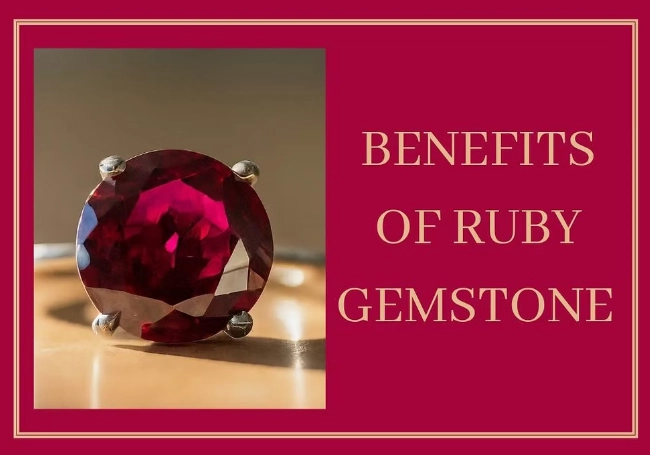
Ruby vs. Other Red Stones: Don't Get Fooled
This is a big one. The market is full of red stones. Garnet, red spinel, even red glass. Historically, some famous "rubies" like the Black Prince's Ruby in the British Crown Jewels turned out to be red spinel! So, understanding the ruby gemstone meaning and benefits starts with knowing you have a real ruby.
Here’s a quick breakdown to keep in your back pocket:
| Gemstone | Key Difference from Ruby | Typical Price Point (Comparatively) |
|---|---|---|
| Ruby (Corundum) | Hardness 9, chromium-induced red, often has fluorescence. | High to Very High |
| Red Garnet | Softer (6.5-7.5), different crystal structure, lacks the same fiery brilliance. | Low to Moderate |
| Red Spinel | Softer (8), often brighter, more "electric" red, no dichroism. | Moderate to High (for fine quality) |
| Ruby-Zoisite (Anyolite) | A mix of green zoisite and ruby crystals, not a single ruby gem. | Low |
I once got excited about a "ruby" pendant that was priced suspiciously well. Turned out to be garnet. Still pretty, but it taught me to always ask for a lab report for any significant purchase. The vibe is just different with a real ruby.
The Heart of the Matter: Deep Meanings of the Ruby
Now, onto the good stuff. The symbolism. This is where the ruby gemstone meaning and benefits get really interesting, weaving through time and across continents.
"The ruby has been called the 'king of precious stones,' a title earned not just by its beauty, but by the weight of meaning cultures have poured into it."
In ancient Sanskrit, ruby was called *ratnaraj*, literally "king of precious stones." That tells you something. In medieval Europe, it was believed to guarantee health, wealth, wisdom, and success in love. Warriors in Burma (now Myanmar, a classic source) embedded rubies into their flesh before battle, believing it made them invincible. A bit extreme, but it shows the level of faith in its protective power.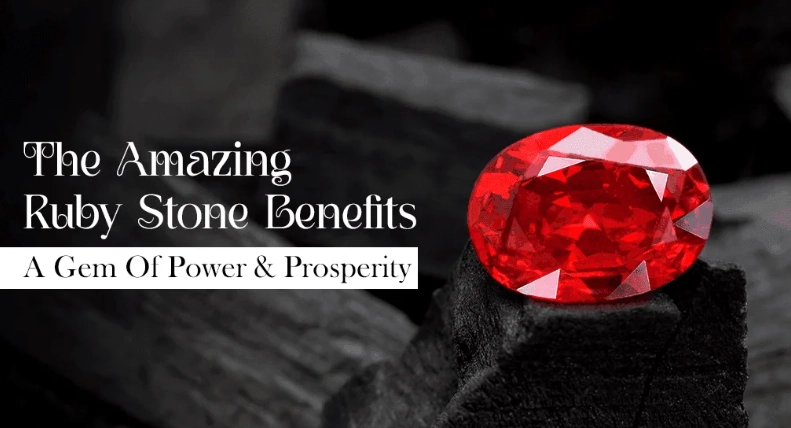
Top 3 Symbolic Meanings You Should Know
- Passion and Vital Life Force: This is the big one. The color red is universally tied to blood, the heart, and life itself. The ruby’s meaning centers on stoking your inner fire—not just romantic passion, but passion for life, for your work, for getting out of bed and attacking the day. It’s an anti-apathy stone, in a symbolic sense.
- Protection and Safe Passage: This is a thread from Burma to ancient India. It was seen as a talisman against misfortune, evil, and even poison (wealthy folks would put them in their drinks, which seems risky for the gem!). The modern take? Maybe it's about psychological protection—shielding your energy, helping you feel safe and grounded in chaotic situations.
- Wealth and Prosperity: This is dual. There's the literal wealth aspect; fine rubies are incredibly valuable assets. But symbolically, it's about attracting abundance in all forms—good opportunities, rich experiences, and meaningful relationships. It's about a prosperity mindset.
But here's my personal take: the most compelling ruby gemstone meaning for modern life might be its association with courage. It takes courage to be passionate in a cynical world. It takes courage to protect your peace. That's a benefit I can get behind.
So, What Are the Actual Benefits? Separating Fact from Folklore
Okay, let's talk benefits. This is where people either go full mystical or get super skeptical. I think the truth is in the middle. The benefits of a ruby are largely subjective and tied to intention. It's a tool for focus, not a magic wand.
If you're looking for peer-reviewed, double-blind studies on ruby healing, you won't find them. But if you explore the realm of crystal healing and personal energy work (which has been part of human culture forever), the attributed ruby gemstone benefits are pretty consistent.
Emotional and Mental Benefits
This is where I've heard the most anecdotal feedback, and even felt some shifts myself. The idea is that ruby works on the root and heart chakras, which govern survival, vitality, and love.
- Combating Fatigue and Lethargy: It's said to be a fantastic energizer. Not a jittery coffee-like energy, but a steady, warm motivation. When you're feeling blah and uninspired, holding a ruby or wearing one is believed to help reignite your spark. Is it the stone or a placebo? If it works, does the mechanism matter?
- Clearing Emotional Fog: Ruby is linked to clarity of desire. It’s supposed to help you cut through confusion and know what you truly want. I used to keep a small tumbled ruby on my desk when I was stuck on career decisions. It served as a physical reminder to be honest with myself about my goals.
- Promoting Self-Love and Confidence: Its connection to the heart isn't just about loving others. A strong, balanced heart energy is crucial for self-compassion. The ruby gemstone meaning here is about recognizing your own worth and walking with confidence.
Let's be real, though.
No gemstone will single-handedly cure depression or anxiety. They are supports, not substitutes for professional help. I feel it's irresponsible to suggest otherwise.
Spiritual and Energetic Benefits
On a more esoteric level, ruby is considered a stone of nobility—not of birthright, but of spiritual stature. It's said to enhance meditation, not by calming you, but by filling you with a vibrant, loving light that can make spiritual practice feel more alive and connected.
Some traditions claim it helps recall past lives and integrate those lessons. That's a bit out there for me, but I include it because it's a common thread in the literature surrounding ruby gemstone meaning and benefits.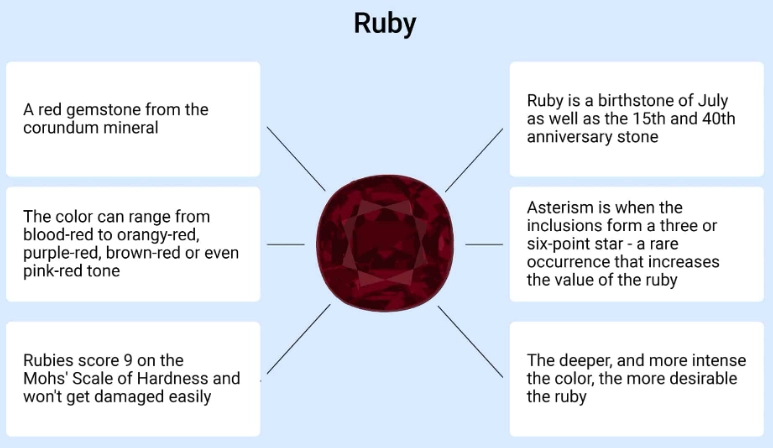
How to Actually Use a Ruby: Practical Tips
Knowing the meaning is one thing. Getting any potential benefit is another. You can't just buy a ruby and throw it in a drawer. Here’s how people integrate it into their lives.
- Wear It: The most direct way. Skin contact is believed to create the strongest energetic link. A ring on the non-dominant hand (left hand for righties) is classic, as it's said to be the "receiving" side. A pendant places it near the heart. I prefer a simple bezel-set pendant; it's subtle and less likely to catch on things.
- Meditate With It: Hold it in your hand or place it over your heart or lower abdomen (root chakra). Focus on its color and the qualities you wish to embody—courage, passion, vitality. Imagine its red light filling you up.
- Place It in Your Environment: A ruby in your workspace might help fuel creativity and drive. In the bedroom? Maybe it spices things up, aligning with its passionate meaning.
- Set an Intention: This is the most important step, in my opinion. When you first get your ruby, take a quiet moment. Hold it, and clearly state what you hope it will help you with. Is it confidence for a big meeting? Reigniting passion in a relationship? This act of intention-setting personalizes the stone.
Buying a Ruby: What Matters Beyond the Meaning
If you're convinced and want to get one, you need to think like a buyer, not just a spiritual seeker. The value and quality of a ruby are determined by the "Four Cs," but with a huge twist: Color is King.
- Color: This is everything. The most prized color is a pure, vibrant red to slightly purplish-red, often called "pigeon's blood" (though that term is controversial and not scientifically defined). Too orangey or too purplish, and the value drops. The best color is strong and saturated, not dark and inky.
- Clarity: Rubies are almost always included (have internal features). Eye-clean rubies are extremely rare and command astronomical prices. Don't expect perfection. Some inclusions can prove it's natural and even add character (like the silk that creates a star).
- Cut: A good cut maximizes color and brilliance. A poorly cut ruby can look dead even with great color. Look for even color distribution and good symmetry.
- Carat Weight: Price per carat increases exponentially with size because large, high-quality rubies are exponentially rarer. A 2-carat ruby isn't twice the price of a 1-carat of the same quality; it could be 4-5 times more.
The Origin Question: Burmese rubies (Myanmar) have legendary status and price tags to match. Mozambican rubies are the major modern source and offer excellent quality, often with great clarity and color. Other sources include Madagascar, Tanzania, and Vietnam. Origin affects price, but a beautiful ruby is a beautiful ruby.
Treatments: Almost all rubies are heat-treated to improve color and clarity. This is an accepted, permanent, and standard practice in the industry. An untreated, top-color ruby is a museum piece. Be very wary of any ruby sold as "untreated" at a low price—it's likely fake or heavily fractured and filled with glass or lead, which is a bad treatment that degrades stability. Always, always ask for a report from a reputable lab like the Gemological Institute of America (GIA) for any serious purchase. It's your only real guarantee.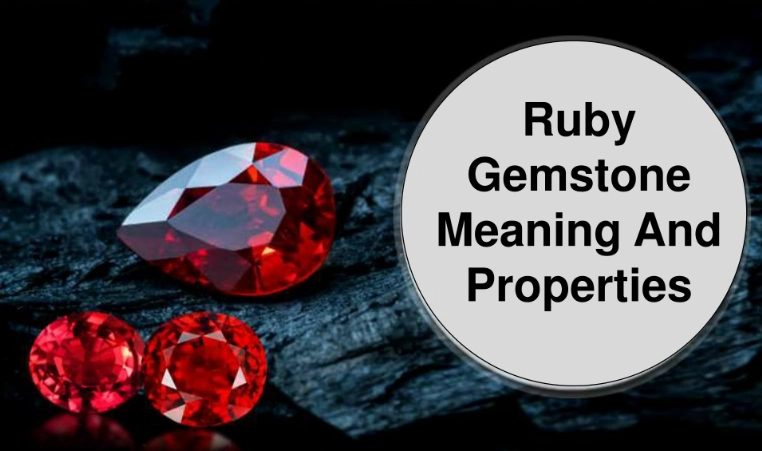
Common Questions About Ruby Gemstone Meaning and Benefits
Let's tackle some of the specific things people type into Google.
Traditionally, in Vedic astrology, ruby is the stone for the Sun and is recommended for those with a weak Sun in their chart, particularly Leos. But broadly, anyone drawn to its energy can wear it. If you feel a pull toward it, that's your best guide. It's often recommended for people in leadership roles, artists needing creative fire, or anyone feeling stuck in a rut.
The ring finger is common, but there's no universal rule. Some traditions say the index finger for authority, or the ring finger of the left hand for receiving its energy. I say wear it on the finger that feels right and is practical for you.
This is a great question. In crystal lore, very potent stones can sometimes be overstimulating. A ruby might make an already hot-tempered person feel more irritable. If you feel agitated, anxious, or restless after wearing one, take it off. Try wearing it for shorter periods or pairing it with a calming stone like blue sapphire or moonstone. Listen to your body.
At home, you can do a few basic checks: Look for inclusions (real ones almost always have them). Check for bubbles (a sign of glass). See if it scratches glass (a real ruby can). But honestly, these are not reliable. The only way to be sure is a lab report from GIA or another major lab. For peace of mind on an expensive purchase, it's worth the fee.
Some believe stones need to be "cleansed" and recharged. Methods include rinsing under water, leaving in moonlight or sunlight (though sun can fade some stones over years), burying in earth, or using smoke from sage. I cleanse mine when they start to feel "heavy" or dull to me, which is entirely subjective. It's a reset button for your own intention.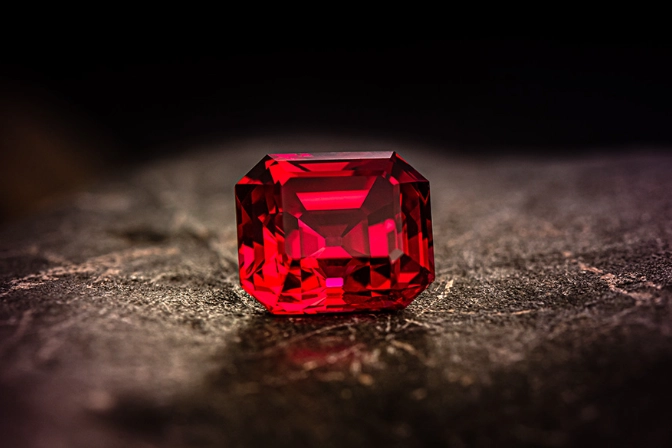
The Long-Term View: Ruby as an Heirloom and Asset
Beyond the personal ruby gemstone meaning and benefits, there's a practical, long-term angle. Fine-quality rubies have consistently held and increased in value over time. They are a tangible asset. Unlike many consumable luxury goods, a beautiful ruby ring can be worn, enjoyed, and passed down for generations, often appreciating in both monetary and sentimental value.
This is a benefit not often discussed in spiritual circles. You're not just buying a feeling; you're potentially acquiring a piece of natural history that can be a financial legacy. It bridges the gap between the emotional and the pragmatic in a really satisfying way.
So, there you have it. The ruby gemstone meaning and benefits span from the deeply personal to the historically significant to the financially savvy. It's a stone of fire, of heart, of enduring strength. Whether you're looking for a symbolic boost, a beautiful piece of jewelry, or a meaningful investment, understanding these layers is the first step.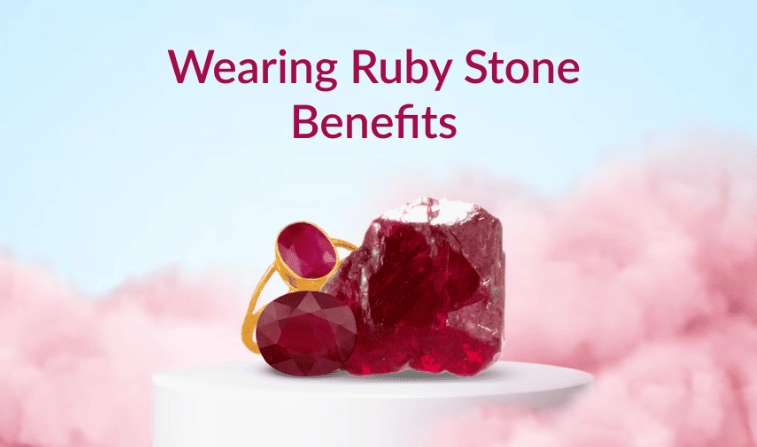
The final piece of advice? Don't get so caught up in finding the "perfect" stone for the "perfect" benefit that you forget to enjoy the process. Look at lots of rubies. See how the light plays in them. Notice how you feel when you see one that resonates. That feeling, that little spark of connection, might just be the most authentic benefit of all.
Related Articles
Green Jasper Meaning: The Heart Chakra Stone for Growth & Grounding
Smoky Quartz Spiritual Meaning: Your Guide to Grounding & Protection
Black Obsidian Guide: Healing, Protection & How to Use It
Moonstone Benefits: A Complete Guide to Its Meaning & Healing Properties
Citrine Chakra: Your Complete Guide to Solar Plexus Healing