Quick Navigation
Let's be real for a second. You probably bought that beautiful selenite wand or tower because it looked stunning, or maybe someone told you it's great for cleansing energy. I get it. I've been collecting and working with crystals for over a decade, and selenite holds a special place on my shelf. But here's the thing nobody tells you in those glossy Instagram posts: selenite is fragile. It's not like your sturdy quartz or agate. Treat it wrong, and you'll watch it degrade, cloud up, or even crumble. And that's a real shame, because it's such a powerful and beautiful stone.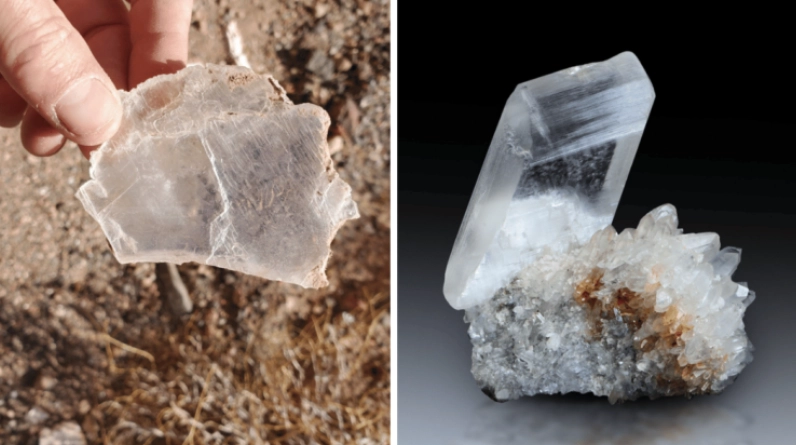
So, what not to do with selenite crystals? That's the million-dollar question. This isn't just about preserving a pretty object; it's about respecting the unique properties of a mineral that's literally a form of gypsum (calcium sulfate dihydrate, if you want to get technical). Knowing what to avoid is the difference between a selenite piece that lasts a lifetime and one that becomes a dusty paperweight in a few months.
The Absolute No-Go List: 7 Things You Must Never Do to Your Selenite
If you remember nothing else from this guide, burn these seven points into your memory. They are the core of understanding what not to do with selenite crystals.
1. Never, Ever Submerge It in Water
This is rule number one, two, and three. Selenite has a Mohs hardness of only 2. For context, your fingernail is about 2.5. More critically, it's water-soluble. Yes, you read that right. It can literally dissolve.
I've seen people recommend "charging" selenite in moon water or giving it a quick rinse. This is terrible advice. Even brief contact with water can damage the surface, leaving it cloudy, rough, and dull. Prolonged soaking can cause it to soften, warp, or lose structural integrity. Think of it like a sugar cube—hold it under running water and watch it disappear.
What to do instead? Dust it gently with a very soft, dry brush (like a makeup brush). For a deeper clean, some people use a barely damp cloth and then immediately, thoroughly dry it, but I'm too paranoid for that. I stick to dry methods.
2. Don't Leave It in Direct Sunlight
Here's another common misconception. Many crystals love a good sunbath for charging. Selenite isn't one of them. Prolonged exposure to direct, harsh sunlight can cause it to fade and become brittle over time. It can also dry it out excessively, leading to tiny cracks.
That beautiful, satiny sheen? Sunlight can rob it of that. I made this mistake with a selenite lamp base. The side facing the window gradually lost its translucency compared to the other side.
Think of it like leaving a prized photograph in the sun. The damage is slow, cumulative, and irreversible.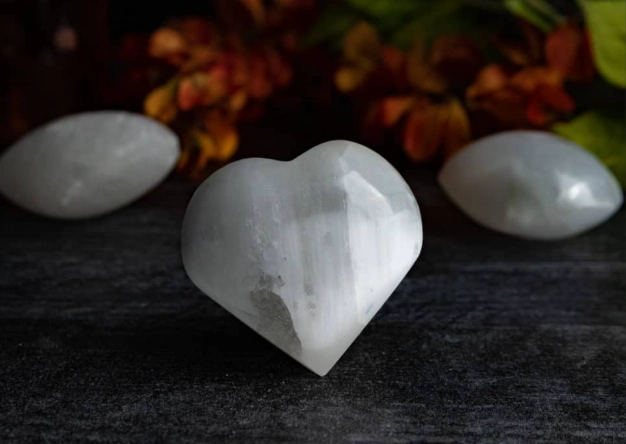
3. Avoid Rough Handling and Contact with Harder Materials
Remember that Mohs hardness of 2? This means almost everything in your home is harder than selenite. A quartz point (hardness 7), a metal necklace, even another crystal tumbling around in a bag—all of these can scratch, chip, or gouge your selenite.
Storing it loosely in a jewelry box with other pieces is a recipe for disaster. I once tossed a small selenite wand into a pouch with a few tumbled stones. When I took it out, it was covered in fine, white scratches that totally ruined its smooth surface.
4. Don't Use It to Physically "Scrub" Other Crystals (The Misunderstood Cleansing Method)
Selenite is famous for its cleansing properties. The idea is that it clears negative energy from other stones. Many guides suggest passing another crystal over a selenite plate or wand. That's fine—it's an energetic transfer.
The problem starts when people interpret this physically. They vigorously rub their amethyst or citrine against the selenite as if using a scrub brush. This will absolutely scratch both crystals, damaging the softer selenite much more. The cleansing is meant to be energetic, not abrasive.
5. Resist Placing It in Dirty or Chaotic Environments
This one is more metaphysical, but hear me out. Practitioners believe selenite acts like an energetic air purifier. It's constantly working to clear stagnant or negative energy. Placing it in the middle of a cluttered, tense, or dirty space is like asking the best air filter in the world to clean a toxic waste dump.
The belief is it can become energetically "overloaded" or stagnant itself. While you can cleanse it (see below), why make it work overtime? Give it a place of relative peace and cleanliness. It's not a magic fix for refusing to tidy your room.
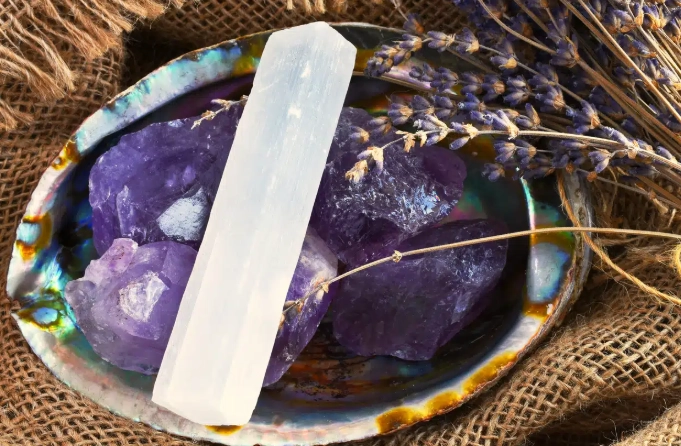 It deserves a nice spot, don't you think?
6. Don't Assume It Never Needs Cleansing Itself
This is a huge point of debate. Many sources claim selenite is self-cleansing and never needs to be cleared. In my experience, that's only partially true. While it's incredible at clearing other stones, I've held pieces that felt heavy, dull, or just "off" after being in a challenging environment for a long time.
So, what not to do with selenite crystals in terms of cleansing? Don't use water, salt (which is abrasive and can be hygroscopic), or harsh methods. But do consider gentle, non-invasive cleansing.
My preferred methods? Placing it near other high-vibration stones like clear quartz or herkimer diamond overnight, or using sound from a singing bowl or tuning fork. Some even place it in moonlight (indirect, of course). The key is intention.
7. Forget About Traditional Crystal Charging Methods
Full moon baths on the wet grass? Nope. Burying it in the earth? Absolutely not. Salt circles? Avoid. Selenite's charging needs are simple. It's often said to be a high-vibration stone connected to divine energy. For many, simply setting an intention for it to reconnect to its source is enough.
You can place it with a clear quartz cluster, which is known as a master healer and amplifier. But honestly, sometimes just holding it, stating your intention for it to be cleared and re-energized, and placing it back on its shelf is perfectly sufficient. It doesn't need the drama.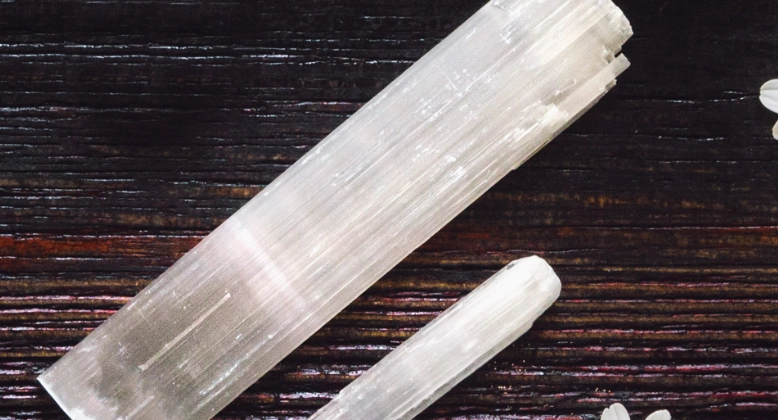
Selenite Care vs. Other Popular Crystals: A Quick Comparison
It helps to see how selenite's needs differ. This table sums up why treating it like your other crystals is the main thing you should avoid.
| Care Aspect | Selenite (Gypsum) | Clear Quartz | Amethyst |
|---|---|---|---|
| Water Safe? | NO - Will dissolve | Generally Safe | Generally Safe |
| Sunlight Safe? | NO - Can fade/become brittle | Safe (but may fade over decades) | CAUTION - Can fade significantly |
| Mohs Hardness | 2 (Very Soft) | 7 | 7 |
| Best Cleansing Method | Sound, breath, intention, other selenite | Water, sunlight, moonlight, salt, sound | Moonlight, smoke, sound |
| Storage Needs | Individual, soft wrapping | Can be grouped | Can be grouped |
See the difference? Selenite is in a league of its own when it comes to delicacy. The mineral data doesn't lie. According to mindat.org, the definitive mineral database, gypsum (selenite's mineral name) is "slightly soluble in water" and has perfect cleavage, meaning it breaks easily along specific planes. This scientific fact directly informs our number one rule of what not to do with selenite crystals.
Your Selenite FAQs Answered (The Real Stuff People Ask)
The Right Way: A Simple Care Routine That Actually Works
After all that talk of what not to do with selenite crystals, let's flip it. Here's the positive, simple routine.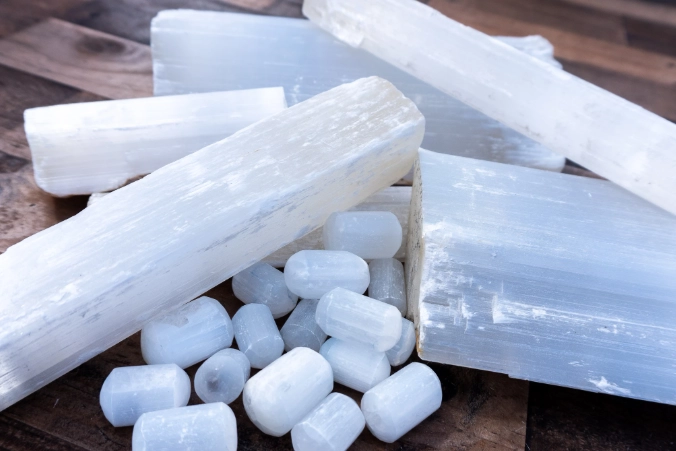
- Dust Weekly: Use a soft, dry brush. A large makeup brush is perfect.
- Cleanse Monthly (or as needed): Use sound, your breath (with intention), or place it near a clear quartz cluster overnight.
- Charge with Intention: Hold it, state your purpose for it, and visualize it filling with white or clear light. That's it. No sun, no moon bath required.
- Store Solo: Give it its own soft pouch or dedicated spot on a shelf where it won't get knocked.
- Place Thoughtfully: Put it where you want clarity and peace—a meditation corner, your workspace, your bedroom. Just away from direct sun and water sources (like bathrooms with showers).
Why This All Matters: Beyond the Physical Crystal
Learning what not to do with selenite crystals is about more than just preservation. It's about developing a respectful relationship with the natural world. This piece you hold was formed over millennia in specific geological conditions. Treating it with knowledge honors that journey.
When you care for it properly, you're also ensuring it can do the energetic work you likely brought it home for. A damaged, cloudy, or neglected stone might not hold the same vibrational clarity. It's like trying to see through a dirty window versus a clean one.
So, love your selenite. Admire its gentle glow. Use it to clear your space and your other stones. But please, keep it dry, keep it out of the harsh sun, and handle it with the care you'd give a precious heirloom. Because in the world of crystals, it truly is one of a kind—beautiful, powerful, and deserving of a little extra attention.
Now you know. No more guesswork, no more following bad advice. You've got the real guide on what to avoid. Go give your selenite the long, graceful life it deserves.
Related Articles
Jade Meaning: More Than Just a Stone
Tiger Eye Stone: What Is It Good For and How to Use It
Moonstone Benefits: Who Is It Good For & How to Use It
Does Jade Absorb Negative Energy? A Deep Dive into Its Healing Properties
Azurite Crystal Meaning: Uses, Benefits & How to Identify Real Azurite