Your Quick Guide to Lapis Lazuli
Let's talk about lapis lazuli. You've probably seen it – that deep, celestial blue stone speckled with golden pyrite, looking like a tiny piece of the night sky. It's stunning, no doubt. But for centuries, people have reached for it for reasons far beyond its beauty. They've sought out its purported blue lapis healing properties for everything from quieting a noisy mind to finding the courage to speak their truth. I remember the first time I held a piece. It was cool and surprisingly heavy, and honestly, my first thought was just how pretty it was. It took me a while to look past that and explore what it might actually do.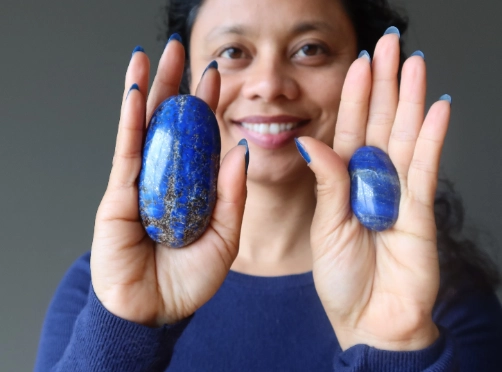
So, what's the real deal? Is it just a pretty rock, or is there something more to the lore surrounding blue lapis healing properties? I've spent a good amount of time with this stone, reading the old texts, talking to longtime users, and yes, using it myself. This isn't about making wild, magical claims. It's about unpacking the experience – the historical context, the reported benefits, and the practical ways you might incorporate it into your life if you're curious. Think of this as a deep, honest chat about one of the most famous crystals out there.
Key Takeaway Up Front: At its core, the appeal of lapis lazuli's healing properties revolves around three things: emotional honesty (it's famously linked to the throat chakra), mental clarity (cutting through confusion), and a sense of spiritual connection. It's less about a quick fix and more about supporting a longer journey inward.
What Exactly is Lapis Lazuli? Beyond the Pretty Blue
Before we jump into the blue lapis healing properties, it helps to know what you're actually dealing with. Lapis isn't a single mineral like quartz. It's a rock, a mixture of mainly three minerals: lazurite (which gives it that iconic blue), calcite (the white streaks or patches), and pyrite (the fool's gold flecks). The best quality lapis is a uniform, intense royal blue with minimal calcite and just a sprinkle of pyrite.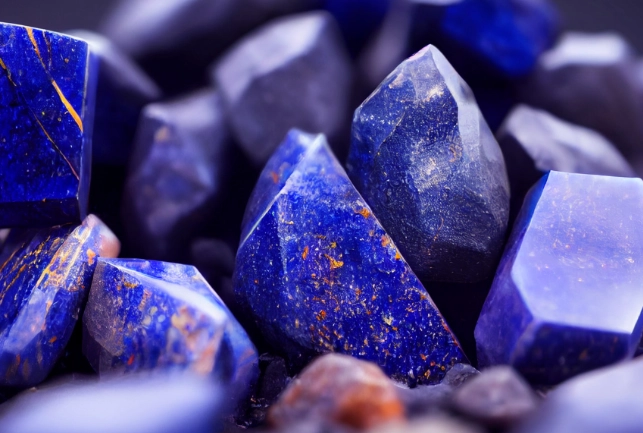
Its history is incredible. Pharaohs wore it, Renaissance painters ground it into priceless ultramarine pigment, and it's been mined from the same mountains in Afghanistan for over 6,000 years. That legacy alone adds a weight to it. When you hold lapis, you're holding something humans have valued across millennia and continents. The Gemological Institute of America (GIA) has a great page detailing its geological and historical background, which really puts its enduring significance into perspective.
Now, a personal gripe. The market is flooded with dyed howlite or magnesite masquerading as lapis. The fake stuff often has an unnaturally uniform color and the pyrite flecks look painted on. Real lapis has depth and variation. If you're investing in a piece for its supposed properties, getting the real thing feels important, even if just for your own peace of mind.
A Deep Dive into the Core Blue Lapis Healing Properties
This is where we get into the heart of it. The reported blue lapis healing properties aren't a random list; they tend to cluster around specific themes of well-being. Based on both traditional systems (like chakra work) and modern anecdotal experiences, here’s a breakdown.
The Emotional and Psychological Landscape
This is arguably where lapis lazuli shines brightest. People don't just call it a stone of truth for nothing.
- Truth and Communication: This is the big one. Lapis is tied to the throat chakra, the energy center linked to expression. The idea is that its energy helps clear blockages that prevent you from speaking your mind with clarity and confidence. It's not about being argumentative, but about authentic expression. Have you ever been in a situation where you knew what you wanted to say but the words just wouldn't come out right, or fear kept you silent? That's the space where lapis is said to work.
- Emotional Release: It has a reputation for bringing buried emotions to the surface. This isn't always a comfortable process – sometimes labeled a "stone of truth," it can force you to confront things you've been ignoring. I've spoken to people who say wearing it during a difficult period made them more aware of their underlying sadness or anger, which was the first step in dealing with it.
- Mental Clarity and Focus: The golden pyrite flecks aren't just for show. Pyrite is associated with the mind and intellect. Combined with the calming blue, lapis is thought to help quiet mental chatter, organize scattered thoughts, and enhance objectivity. It's like cutting through brain fog to see a situation clearly.
I'll be honest, the "emotional release" part was real for me. I wore a lapis pendant during a stressful week at work, hoping for calm. Instead, I found myself getting unusually frustrated about small things. It took me a day to realize the stone wasn't causing stress; it was highlighting the low-grade resentment I was already carrying but suppressing. Unpleasant? Yes. Useful? Actually, yes.
Physical and Energetic Associations
It's crucial to state this clearly: Lapis lazuli is not a medical treatment. Any discussion of physical benefits exists within the realm of energy work and historical tradition, not modern medicine. You should never substitute crystal healing for professional medical advice. That said, in holistic practices, it's often associated with areas related to communication and the flow of energy.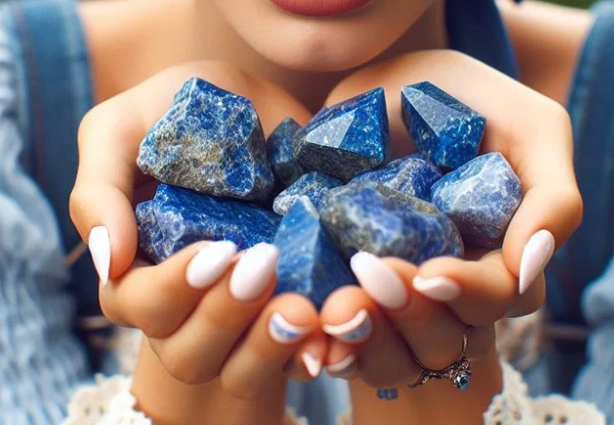
Traditional correspondences link it to the throat, neck, and thyroid. The logic is symbolic: since it's connected to the throat chakra of expression, it's believed to support the physical area where that chakra is located. Some also associate it with relieving tension headaches, especially those stemming from stress or repressed communication. Again, this is about energetic support, not a cure.
The Spiritual and Metaphysical Angle
For those on a spiritual path, the blue lapis healing properties extend inward and upward. Its deep blue color has long been associated with the night sky, the divine, and higher knowledge.
- Intuition and Insight: It's considered a powerful stone for stimulating the third eye chakra (along with the throat). This can mean enhanced intuition, vivid dreams, or a stronger connection to your inner wisdom.
- Self-Awareness and Spiritual Growth: By promoting honesty – first with yourself, then with others – lapis is seen as a cornerstone for personal and spiritual development. It encourages you to look at your motivations, patterns, and truths without flinching.
"Lapis doesn't give you answers. It helps you ask the right questions of yourself." – A sentiment echoed by many long-time users.
How to Actually Use Lapis Lazuli: A Practical Guide
Okay, so you're intrigued by the potential blue lapis healing properties. What do you actually do with it? Here are the most common methods, with my thoughts on what works and what doesn't.
Wearing It Close
This is the simplest method. A pendant that rests near your throat chakra is the classic choice, directly aligning with its core property of communication. Rings, bracelets, or earrings work too – the idea is to keep its energy in your personal field throughout the day. I find a pendant the most noticeable, but a simple tumbled stone in your pocket works just as well if jewelry isn't your thing.
Meditation and Quiet Contemplation
Holding a piece of lapis during meditation is a powerful way to connect with it. Focus on its cool weight in your hand. Gaze at its depths (some people find this trance-inducing). Set an intention related to truth, clarity, or speaking your mind. Don't force it. Sometimes just sitting with it in silence is enough. If your mind is racing, trying to "achieve" something with the stone can be counterproductive.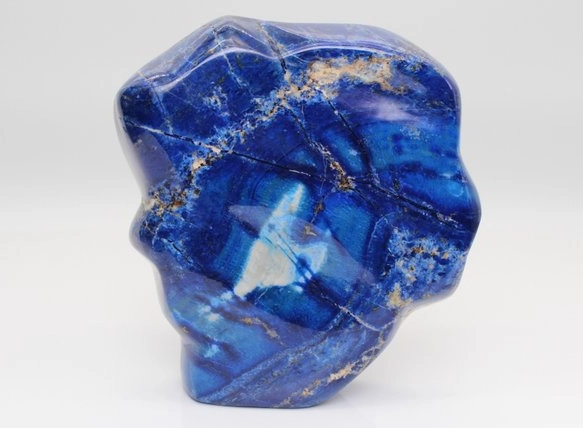
Placing It in Your Environment
Put a larger piece on your desk if you need focus and clear communication for work. Place one on your nightstand if you're interested in its effects on dreams and intuition. In the living room, it might foster more honest conversations. Think of it as setting an energetic tone for a space.
A Quick Comparison of Methods
| Method | Best For | Pros | Cons / Considerations |
|---|---|---|---|
| Wearing as Jewelry | All-day, passive influence; throat chakra work | Easy, constant contact; fashionable | Can be expensive for good quality; may not suit all styles |
| Meditation | Deep, intentional work; connecting with intuition | Powerful focused connection; no special gear needed | Requires time and a quiet practice; not a quick fix |
| Placement in Space | Setting an environmental intention; supporting specific activities | Affects a whole area; decorative | Effect is more diffuse; stone can gather dust (energetic and literal) |
| Carrying a Tumbled Stone | Discreet, on-the-go support; a tangible reminder | Inexpensive; private; you can hold it during stressful moments | Easy to lose; can be forgotten at the bottom of a bag |
Cleaning and charging your stone is a topic of much debate.
Some say lapis is sensitive to water and sunlight (it can fade), so they recommend gentle methods like smudging with sage, placing it on a selenite plate, or simply rinsing it briefly with intention under cool running water and patting it dry. I tend to go with the last option – it feels simple and direct. The key is to do what feels respectful to you and the stone. The intention to clear stagnant energy matters more than the specific ritual.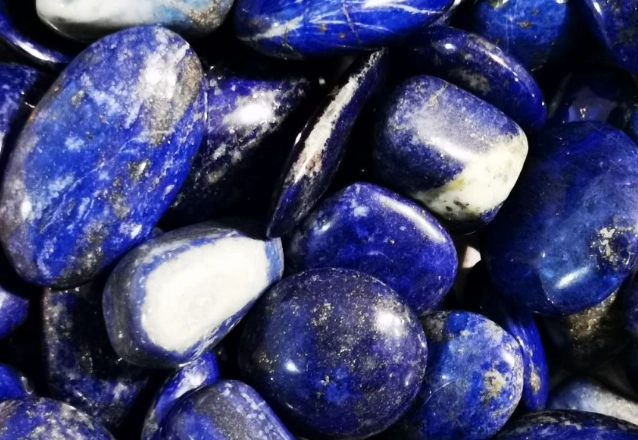
Answering Your Questions: The Lapis Lazuli FAQ
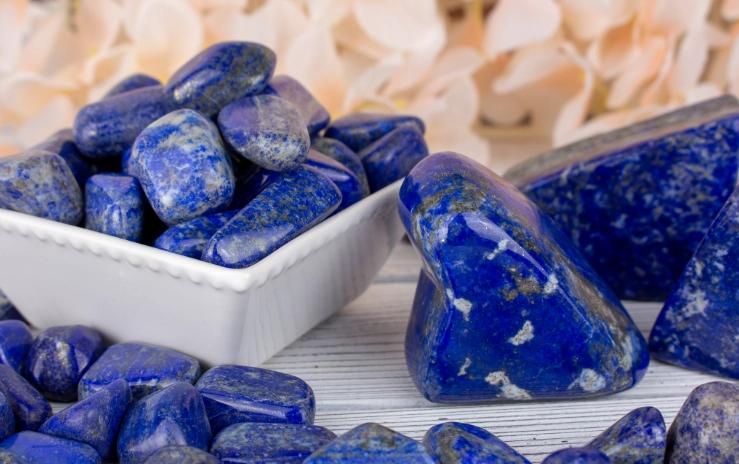
A Necessary Reality Check: Crystals, including lapis, are tools for mindfulness and intention. They are not magic wands. Their "power" comes largely from your interaction with them – the focus, the intention, the pause for reflection they inspire. Expecting them to single-handedly transform your life will lead to disappointment. Viewing them as supportive companions on your journey is a healthier, more sustainable approach.
My Take: The Good, The Challenging, and Who Might Benefit Most
After all this research and personal use, where do I land on the blue lapis healing properties?
The hype isn't entirely unfounded. I've felt its influence, though not in the dramatic ways some websites describe. For me, its greatest strength is as a catalyst for self-honesty. It's a nudge to look inward. It's a physical reminder to speak up when I'd rather stay quiet. The mental clarity aspect feels real when I'm overwhelmed – holding it helps me pause and prioritize.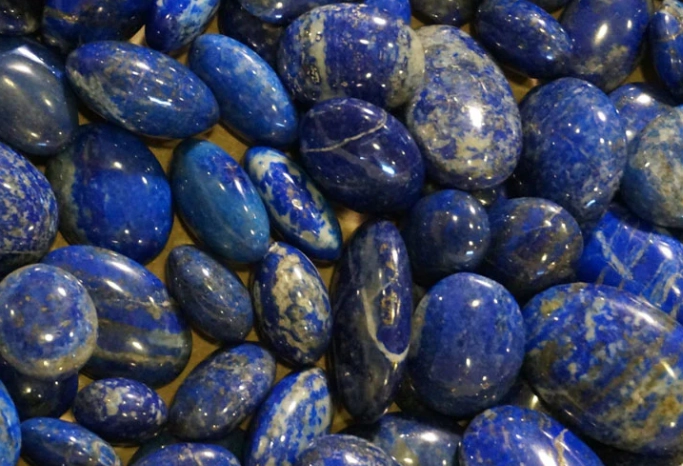
But it's not for everyone, all the time.
If you are in a highly emotionally volatile state, lapis might feel too intense, like it's poking at raw wounds. Its energy can be penetrating. And if you're a deeply pragmatic person skeptical of all this, you'll likely just see a blue rock. That's perfectly fine.
I think the people who get the most out of exploring lapis lazuli's healing properties are:
- Those struggling with self-expression: Writers, speakers, artists, or anyone who feels they have something to say but can't find their voice.
- Overthinkers and worriers: People whose anxiety stems from circular thoughts and confusion.
- Truth-seekers on a spiritual path: Individuals interested in deepening their self-awareness and intuitive abilities.
- Anyone needing a symbolic anchor: Sometimes, just having a tangible object that represents "truth" or "clarity" can be a powerful psychological tool.
Ultimately, the journey with any crystal is personal. The blue lapis healing properties are a map drawn from collective experience, but you have to walk the territory yourself. Start with a small, genuine piece. Set a simple intention. Pay attention to how you feel – not just the grand moments, but the subtle shifts in your thoughts and reactions. Be open, but also be a gentle skeptic with your own experience.
That deep blue stone has witnessed millennia of human searching. Maybe it's just a rock. But maybe, just maybe, it can be a quiet companion in your own search for a little more truth, clarity, and the courage to speak it.
Related Articles
Ocean Jasper: Meanings, Healing Properties & How to Use It
Unlock the Magic: The Real Benefits of Moonstone Explained
How to Use Sodalite Crystal: A Complete Guide for Mind & Body
Blue Jadeite: The Complete Guide to Meaning, Value & Care
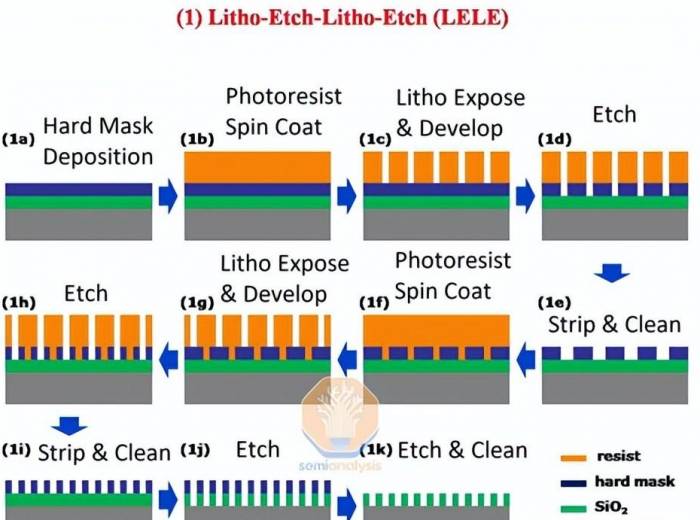
Subvert EUV lithography? Don't let ASML be unique and beautiful!