Let's get this out of the way first: amber isn't a stone. It never was. Calling it a "stone" is a bit like calling a dinosaur bone a rock—technically wrong, but everyone does it anyway. That's the first clue to its real meaning. Amber is fossilized tree resin, often from ancient pine forests, capturing moments of prehistoric life and sunlight from millions of years ago. Its meaning is deeply tied to this origin story: it's about preservation, warmth, memory, and a tangible link to a world long gone. Most articles will just list generic healing properties and call it a day. But if you've ever held a piece of real Baltic amber, you know it feels different. It's warm to the touch, light, and sometimes you can even catch the faint, piney scent of its origins if you rub it gently. That's where the real meaning starts.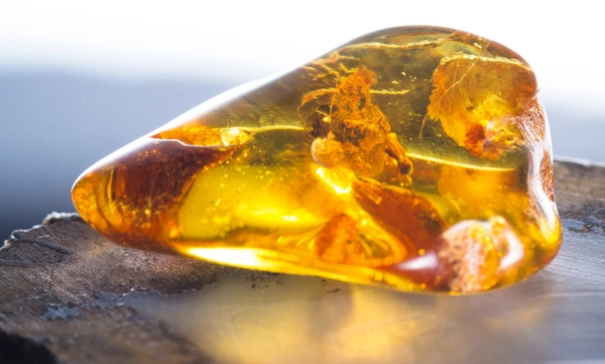
What You'll Discover in This Guide
What Exactly is Amber Stone (And What It Isn't)
So, we've established it's a fossil. Specifically, it's the hardened resin of coniferous trees, primarily from the Pinus succinifera species, which is why the scientific term for Baltic amber is succinite. This resin oozed out to heal tree wounds, trapping insects, plant material, and even air bubbles. Over millions of years, under pressure and in the absence of air, it polymerized into the solid, golden substance we know.
Key Distinction: Because it's organic, amber is much softer than most crystals. It has a Mohs hardness of 2-2.5 (you can scratch it with a copper coin). It's also lightweight and warm, unlike cold, heavy glass or plastic imitations. Real amber will often float in salt-saturated water, while many fakes sink.
Here’s a mistake I see all the time: people buy a heavy, cool, perfectly clear "amber" bead necklace. That's almost certainly copal (young, immature resin) or plastic. Real amber has character—inclusions, cloudiness, variations in color from pale lemon to deep cognac. Its imperfections are part of its story.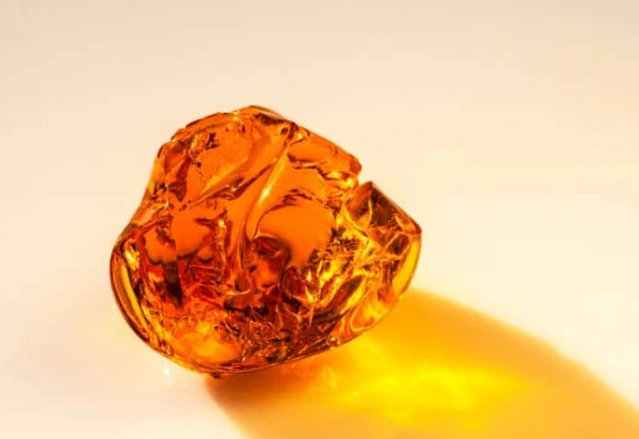
From Ancient Amulets to Modern Science: Amber's Journey
The meaning of amber has evolved, but its core themes of protection and preservation have remained constant.
The Ancient World: The Greeks called it ēlektron, linked to their word for the sun (ēlektōr). They knew about its electrostatic properties when rubbed (giving us the word "electricity"). It was prized for jewelry and amulets. The Roman naturalist Pliny the Elder wrote about its medicinal uses. Along the ancient Amber Road trade routes, it traveled from the Baltic shores to the Mediterranean, valued more highly than gold in some cultures.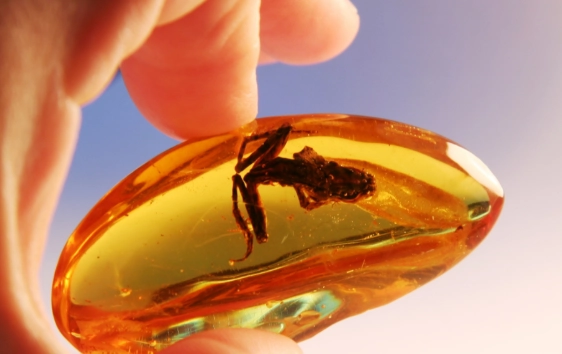
Medieval to Modern Times: In Baltic and Slavic folklore, amber was considered the tears of goddesses or petrified sunlight. It was burned as incense for purification and worn to protect against illness. Fast forward to the 19th century, and amber becomes a window into the past. The inclusion of insects allowed scientists like those at the Natural History Museum to study prehistoric ecosystems in incredible detail, a significance far beyond ornamentation.
The Healing Properties of Amber: Beyond the Hype
Let's talk about what amber is good for. Modern crystal healing attributes several properties to amber. It's crucial to approach this with a blend of traditional wisdom and practical sense. Amber isn't a magic pill, but many find its energy supportive.
Physical Healing Properties
Amber is strongly associated with soothing and warming. Historically, and in many modern holistic practices, it's linked to:
- Pain Relief: Particularly for joint pain, arthritis, and teething pain in infants (hence the popular Baltic amber teething necklaces). The theory involves succinic acid, a natural compound in amber that may have anti-inflammatory effects when absorbed through the skin in tiny amounts. The scientific consensus on this is still out, but centuries of traditional use give it weight.
- Throat & Respiratory Health: It's considered a balm for the throat chakra, potentially helping with sore throats, earaches, and asthma. Wearing an amber pendant is a common practice for this reason.
- Skin Conditions: Amber powder was used in ointments for skin ailments. Its purported purifying and anti-inflammatory properties are cited.
Emotional & Spiritual Healing Properties
This is where amber's "fossilized sunlight" metaphor shines. Its energy is consistently described as warm, gentle, and uplifting.
- Dispelling Fear & Anxiety: Amber is like an energetic sunbeam for a gloomy mood. It's said to absorb negative energy and transform it into positive, light-filled feelings. It's a great stone to hold during meditation if you're feeling stuck or fearful.
- Promoting Patience & Wisdom: As a fossil, it carries the energy of deep time. Working with amber can foster a sense of perspective, patience, and the wisdom that comes from seeing the bigger picture of your life.
- Manifestation & Luck: Historically a stone of the sun and wealth, amber is believed to attract abundance, success, and good luck. It's thought to help solidify intentions and bring plans to light.
My personal take? The most immediate benefit I've felt from wearing amber is a subtle, calming warmth. It's not an intense energy like some crystals, but a steady, gentle presence that feels grounding and optimistic.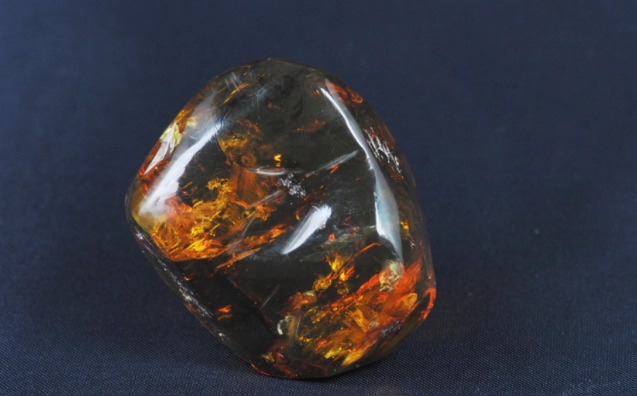
How to Spot Fake Amber: A Practical Guide
This is the biggest pain point for buyers. The market is flooded with fakes—copal, plastic, glass, and reconstituted amber pieces. Here’s how to protect yourself, based on years of getting it wrong and finally learning.
1. The Salt Water Test: Mix about 7-8 tablespoons of salt into a cup of warm water until no more dissolves. Real amber (and copal) will usually float. Glass and most plastics will sink. It's a good first filter.
2. The Hot Needle Test (Use Caution): Heat a needle until it's very hot (use pliers, be safe). Gently touch the needle to an inconspicuous spot on the piece. Real amber will release a faint, pleasant pine or resinous smell. Plastic will smell acrid and chemical, like burnt plastic. Copal will also smell resinous but often melts more easily. This is a destructive test, so only do it if you can afford to mar the piece.
3. The Touch and Look Test: Real amber feels warm to the touch, not cool like glass. It's also lightweight. Look for natural imperfections: swirling patterns (called "flow lines"), tiny bubbles (often flattened), and inclusions. If an insect inclusion looks too perfect, posed, or modern (like a common housefly), be suspicious. Perfectly uniform color is also a red flag.
4. UV Light Test: Real amber often fluoresces a bluish or greenish color under long-wave UV light. Many fakes do not. This isn't foolproof, but it's a helpful tool.
The safest bet? Buy from reputable dealers who specialize in amber, especially those connected to Baltic sources. A certificate of authenticity from a gem lab like the Gemological Institute of America (GIA) is the gold standard for high-value pieces.
How to Use Amber for Healing and Well-being
Integrating amber into your life is simple. Its energy is gentle enough for daily wear.
- Wear It: The most effective way. Wear an amber necklace or pendant to keep its energy near your throat and heart. Bracelets or rings keep it on your pulse points. For teething babies, ensure the necklace is designed for that purpose (knotted between each bead, with a safety clasp) and is only worn under supervision.
- Meditate With It: Hold a piece of amber in your receiving hand (left for most people) during meditation. Focus on its warmth and imagine it dissolving anxieties or bringing clarity to a problem. Visualize its golden light filling your body.
- Place It in Your Environment: Put a piece of amber in your workspace to promote a sunny, productive attitude. Place it in your living room or bedroom to create a warm, welcoming, and protective atmosphere. A raw chunk of amber makes a beautiful, meaningful decor piece.
- Carry It: Keep a small tumbled amber stone in your pocket or purse as a touchstone for courage and positivity throughout the day.
Cleansing and Charging: Because amber is an organic fossil, avoid harsh cleansing methods. Don't soak it in salt water or leave it in direct sunlight for prolonged periods (it can become brittle). Instead, cleanse it by smudging with sage smoke, placing it on a bed of dry rice, or leaving it in moonlight. To charge it, brief morning sunlight is perfect—connecting it back to its solar roots.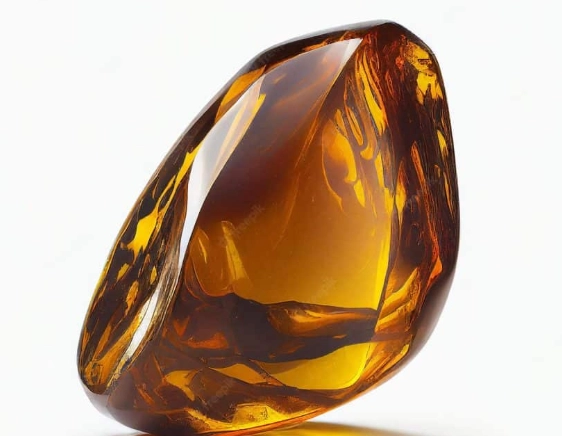
Your Amber Questions, Answered
Related Articles
Lapis Lazuli Healing Properties Explained: A Complete Guide to Spiritual & Physical Benefits
Define Onyx: Properties, Uses, and How to Identify Real Onyx
Blue Fluorite Healing Properties: The Complete Guide & FAQ
Carnelian Properties: Meaning, Benefits, and How to Use
Azurite Crystal: Deep Blue Stone for Intuition & Insight
