In This Guide
- Why The "Root Chakra Location Female" Question is So Important
- Beyond the Spot: What a Balanced vs. Imbalanced Root Chakra Feels Like
- Grounding Down: Practical Ways to Connect with Your Root Chakra Location
- Common Myths & Misunderstandings About the Female Root Chakra
- Your Root Chakra & The Menstrual Cycle
- Frequently Asked Questions (The Stuff You're Really Wondering)
Let's cut straight to the chase. If you're a woman searching for "root chakra location female," you're probably feeling a bit... ungrounded. Maybe life's throwing too much at you, or you just can't seem to feel settled in your own body. I get it. That search for a solid foundation is real, and it often starts with understanding this very first energy center.
So, where exactly is your root chakra? For women, just like for men, the primary and most accepted location is at the base of the spine, in the perineum area—that space between the genitals and the anus. It's not in the vagina, not in the tailbone, but right there in that foundational center. Its energy is also strongly associated with the legs, feet, and the entire concept of "grounding" into the earth.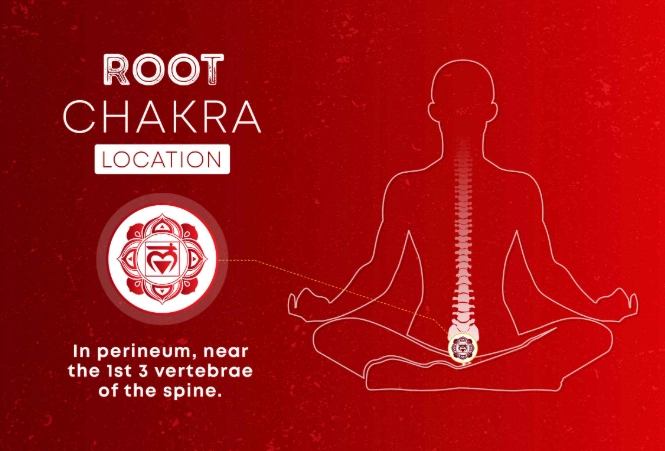
But here's the thing I've learned from years of practice and talking to hundreds of women: knowing the spot on an anatomical chart is only step one. The real magic (and the real work) is in understanding why this location matters so much for the female experience and how to actually connect with it. It's less about a pin-point on a map and more about a felt sense of stability in your whole being.
Why The "Root Chakra Location Female" Question is So Important
You might wonder why we need to specify the female aspect. Aren't chakras the same for everyone? In location, largely yes. But in experience and expression? Not quite.
A woman's connection to her root chakra is deeply intertwined with her physical body's cycles, her relationship with safety and security (which historically and biologically has carried different weights), and even societal pressures. When a woman's root chakra is out of whack, it can show up in very specific ways—intense financial anxiety, feeling unsafe in her own home or body, or a pervasive sense of not belonging anywhere.
The root chakra, or Muladhara in Sanskrit, is all about survival, stability, and our basic needs. It's our anchor. For a woman, whose energy is often more receptive and cyclical, having a strong anchor is non-negotiable for navigating the world without getting completely drained or tossed around by every emotional wave.
Think of it like the roots of a tree. A man's root system might be depicted as a deep taproot. For a woman, I often visualize it as a wider, more sprawling root system—deeply connected to the earth, but also interconnected, nurturing, and creating a broad base of support. That foundational root chakra location in the female body is the central hub of that entire system.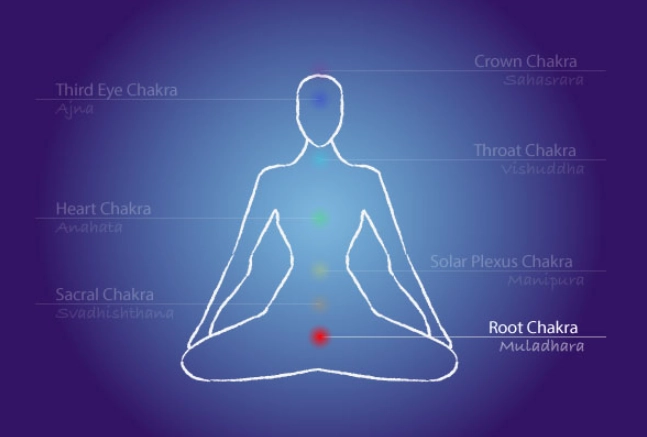
Beyond the Spot: What a Balanced vs. Imbalanced Root Chakra Feels Like
Okay, so you know where it's supposed to be. How do you know if it's working properly? Let's break it down, because the signs are usually clearer than we think.
When your root chakra is open and flowing, you generally feel:
- A sense of safety and security in your physical body and your environment.
- Financially stable enough (it's about the feeling of "enough," not necessarily being rich).
- Grounded, present, and connected to the physical world.
- Physically healthy and vital, with good energy for daily tasks.
- A sense of belonging, whether to your family, community, or just the human race.
Now, the flip side. An imbalanced or blocked root chakra can scream for attention. Here are the common red flags I see, especially in women:
| Category | Signs of Imbalance (Blocked/Underactive) | Signs of Imbalance (Overactive) |
|---|---|---|
| Emotional & Mental | Chronic anxiety, fear, especially about survival (money, home, food). Feeling spaced out, disconnected, or victimized. | Greed, materialism, hoarding behaviors. Stubbornness to an extreme, excessive rigidity, and resistance to change. |
| Physical | Low energy, fatigue. Issues in legs, feet, knees, lower back, colon, or bladder. Feeling chronically cold. | Weight issues rooted in insecurity, inflammation, constipation, or obsessive focus on the physical body. |
| Behavioral | Self-sabotage, inability to commit or finish things, feeling "flaky" or unreliable. | Workaholism purely for security, obsessive collecting, aggressive or domineering behavior to control one's environment. |
See any of yourself in there? Don't worry, most of us have a root chakra that needs a little TLC, especially in today's fast-paced, uncertain world. The key is recognizing it without judgment.
Grounding Down: Practical Ways to Connect with Your Root Chakra Location
This is where we move from theory to practice. Knowing the root chakra location female practitioners talk about is useless if you don't know how to engage with it. Here are methods that have worked for me and countless women I've coached. Forget the fluffy visualizations—these are tangible practices.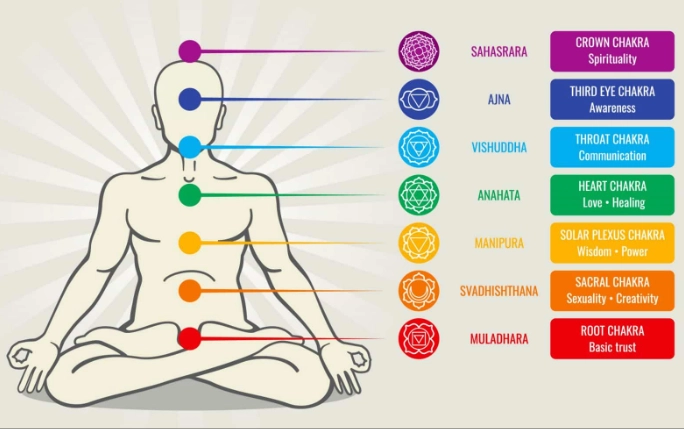
1. Physical Grounding (The Fastest Track)
Your root chakra is physical, so start with the body.
Barefoot on Earth: This is the number one, most powerful reset. Walk barefoot on grass, dirt, or sand for at least 10 minutes. The theory of "earthing" or "grounding" suggests direct physical contact with the Earth's surface electrons can promote physiological changes. While more research is always welcome, studies published on the National Center for Biotechnology Information (NCBI) database have explored the potential benefits of grounding on inflammation and cortisol levels. Personally, I don't need a study to tell me it feels stabilizing—but it's interesting to see science poking around the edges of this ancient wisdom.
Root-Chakra-Specific Yoga: Focus on poses that activate the legs, feet, and pelvic floor. Think: Mountain Pose (Tadasana), Warrior I & II, Goddess Squat, Child's Pose, and Bridge Pose. Hold them longer than usual. Feel the connection of your feet to the floor. In Warrior, imagine roots growing from the sole of your back foot deep into the earth.
2. Sensory & Energetic Practices
Use the Color Red: The root chakra's color is a deep, earthy red—think brick red or maroon, not fire-engine red. Wear it (socks, underwear, a scarf), eat red foods (beets, red apples, tomatoes), or place a red stone like garnet, red jasper, or hematite near you or in your pocket. Hold it during meditation focused on your root chakra location.
Affirmations That Actually Work: Ditch the vague "I am safe." Try more specific, present-tense statements you can feel in your body: "I am rooted into the stability of the earth beneath me." "I trust in my ability to meet my needs." "I belong here, in this body, in this moment." Say them out loud while placing a hand on your lower abdomen or the base of your spine.
3. Addressing the Mental & Environmental Stuff
Your external world directly feeds your root chakra.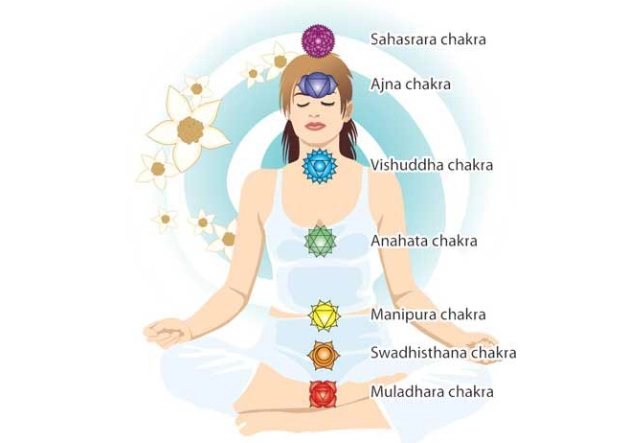
Financial Health Check: Ignoring money problems is a surefire way to block your root. This doesn't mean you need to be rich. It means creating a basic, honest relationship with your finances. Create a simple budget, know what's in your bank account, and have a small emergency fund. The peace this brings is a direct download to your root chakra.
Create a Safe Home Nook: Your home is an extension of your root. If your whole space is chaotic, create one small, ordered, beautiful corner that feels utterly safe and cozy to you. A chair with a soft blanket, a small altar with grounding objects, somewhere you can just *be*.
I learned this the hard way after moving apartments three times in one year. My root chakra was screaming. It wasn't until I finally unpacked every last box, hung pictures on the wall, and literally stomped my feet on the floor claiming my space that the deep anxiety started to lift.
Common Myths & Misunderstandings About the Female Root Chakra
Let's clear some things up. The internet is full of well-meaning but confusing info.
Myth 1: "The root chakra location for women is in the ovaries or womb." This is a common mix-up. While the sacral chakra (Svadhisthana) is closely linked to reproductive organs and creativity, the root chakra's primary seat is lower, at the base. Its energy certainly supports and influences the pelvic region, but conflating the two can lead to misdirected healing efforts.
Myth 2: "You need to heal your root chakra before moving to others." This is a rigid view. While a strong foundation is ideal, our energy systems are fluid. Sometimes working on your heart chakra (giving yourself compassion) can help soothe the fears in your root. It's a dance, not a linear staircase.
Myth 3: "Balancing it is all about meditation." For a chakra so tied to the physical realm, purely mental exercises often fall short. You must involve the body—movement, touch, sensation. As the Mayo Clinic notes in its stress management resources, physical activity is a cornerstone for reducing anxiety and improving feelings of well-being, which are core root chakra issues.
Your Root Chakra & The Menstrual Cycle
Here's a layer specific to the female experience that many generic guides miss. Your root chakra's sense of stability can fluctuate with your cycle.
During your menstrual phase, energy is at its most inward. This is a prime time for root chakra work—resting, being gentle, and doing deeply grounding practices. Pushing hard for productivity here can feel like trying to build a house on sand.
In the follicular and ovulatory phases, as energy rises, your root-supported actions (starting projects, socializing, building) will feel more effortless and stable. Tuning into this rhythm, rather than fighting it, is a profound way to honor your female root chakra location and its connection to your natural biology.
Frequently Asked Questions (The Stuff You're Really Wondering)
So, there you have it. The quest to understand the root chakra location female body is really a quest to come home to yourself—to feel solid, safe, and supported in your own skin and in your life.
It's not an esoteric concept reserved for yogis on mountaintops. It's about the feeling you get when you walk into your home after a long trip. It's the sigh your body makes when you finally sit down after a chaotic day. It's the quiet confidence of knowing you can handle what comes next.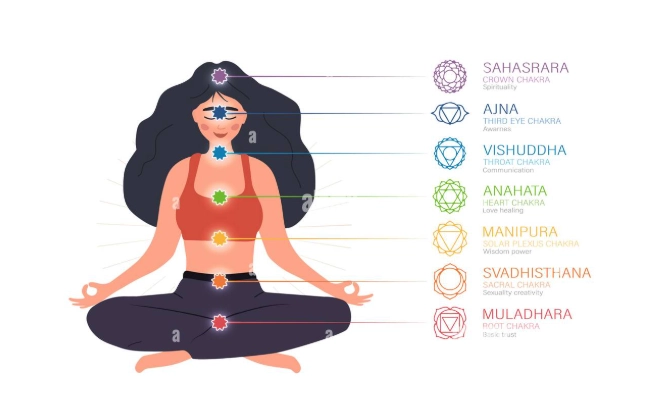
The location is just the address. The real discovery is what happens when you move in and make it your own.
Related Articles

Why has the quality education reform not been successful in ten years? This is t

Kyanite Properties: Healing Benefits, Uses, and How to Harness Its Power
Moss Agate Benefits: Healing, Beauty, and Practical Uses

Where to Put Selenite: Best Places & Areas to Avoid

Amber Stone Meaning: More Than Just a Pretty Fossil