Quick Guide
Lapis lazuli. That deep, celestial blue stone with flecks of gold. It's everywhere in the crystal world – stunning jewelry, worry stones, meditation pieces. It's often hailed as the ultimate stone of wisdom and truth. But here's the thing nobody in the shiny Instagram posts talks about enough: it's not for everyone. In fact, for some people, wearing lapis lazuli can be a genuinely bad idea. And I'm not just talking about vague "energetic" reasons. I mean real, tangible reasons that range from skin irritation to messing with your peace of mind.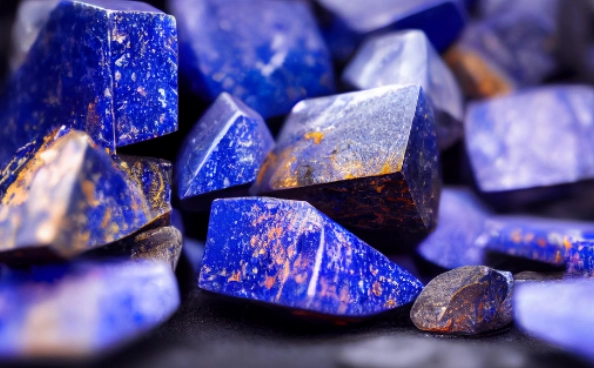
I've been into crystals for a long time, and I've seen folks jump on the lapis bandwagon because it's beautiful (it really is) or because some influencer said it would fix their life. Then they come back confused, saying they feel anxious, or their skin broke out, or they just can't sleep with the thing near them. It's not a magical fix-all; it's a powerful tool with a specific purpose. And like any powerful tool, you need to know how to handle it, and more importantly, if you should even pick it up in the first place.
So, let's cut through the marketing fluff. This guide is for anyone who's searched "who cannot wear lapis lazuli" because they're feeling unsure. Maybe you bought a necklace and felt off. Maybe you have sensitive skin and are worried. Maybe you're just cautious and want the full picture before investing. That's smart. We'll cover the physical, energetic, and situational reasons why someone might need to avoid this stone. No fear-mongering, just practical, grounded information to help you make a safe choice.
The Physical Reasons: When Your Body Says No
This is the most straightforward area. If your body reacts poorly, that's a clear stop sign. Ignoring physical signals is never a good idea in any wellness practice.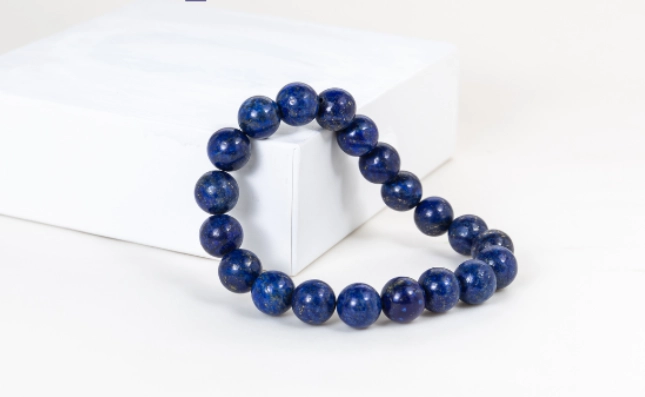
People with Sensitive Skin or Allergies
Lapis lazuli is a rock, not a single mineral. Its composition includes lazurite (which gives the blue), calcite (white veins), and pyrite (the gold flecks). It can also contain traces of other elements. This complex mix is part of its beauty, but also a potential issue. The surface of a lapis bead or cabochon isn't always perfectly sealed or polished to a mirror finish. Microscopic crystalline structures can be slightly abrasive.
If you have eczema, psoriasis, or just generally reactive skin, wearing a lapis bracelet or necklace directly against your skin for extended periods might cause irritation, redness, or itching. It's not an "allergy" to the stone in the classic sense, but more of a physical sensitivity. The pyrite inclusions, while gorgeous, can sometimes contain sulphur compounds. For a very small subset of people with extreme sensitivities, this might be a trigger, though it's rare. I knew someone who had to switch from a lapis ring to carrying it in her pocket because her finger would get red and dry underneath it.
And let's talk about cheap, treated lapis. Some lower-quality stones are dyed or waxed to enhance the color. Those chemical treatments can definitely leach out with sweat and body heat, causing contact dermatitis. Always, always source your crystals from reputable sellers. The Gemological Institute of America (GIA) is a fantastic resource for learning about gemstone treatments and what to look for.
Individuals with Metal Allergies (in Jewelry Settings)
This one's a bit of a side note, but it's crucial. Often, when people think they're reacting to the stone, they're actually reacting to the metal in the setting. A lapis lazuli pendant on a nickel-containing alloy chain can wreak havoc on someone with a nickel allergy. If you know you have metal sensitivities, opt for lapis set in hypoallergenic metals like sterling silver (check for nickel content), gold, titanium, or surgical stainless steel. The problem isn't the lapis itself, but the whole package. So when considering if you cannot wear lapis lazuli, scrutinize the setting just as much as the stone.
Those with Certain Medical Implants or Conditions (A Controversial but Cautious Point)
Now, this is where I might get some eye rolls, but I think it's worth mentioning for the sake of thoroughness. There is zero mainstream scientific evidence that crystals interfere with pacemakers, insulin pumps, or other medical devices. None. However, many crystal healers and some very cautious individuals prefer to err on the side of caution.
The theoretical concern (and I stress *theoretical*) stems from two things: the pyrite's metallic content and the stone's purported energetic frequency. It's a minuscule, almost negligible risk from a physics standpoint. But you know what? If wearing a stone over your heart causes you anxiety because you have a pacemaker, that anxiety itself is a reason not to wear it. Peace of mind is paramount. So, if you have a major medical implant and feel an intuitive nudge to avoid wearing certain stones directly over it, listen to that. Consult your doctor if you're genuinely concerned, though they'll likely reassure you from a biomedical engineering perspective. For a scientific look at materials and medical devices, resources like PubMed Central can provide studies on material biocompatibility.
Let's move on to trickier terrain.
The Energetic & Emotional Reasons: When Your Mind and Spirit Say No
This is the core of why most people ask, "who cannot wear lapis lazuli?" The energetic effects are profound, and they don't play well with every mental or emotional state. Lapis is a truth-teller and an amplifier. It's not a gentle, comforting hug like rose quartz. It's more like a wise but stern teacher who shines a bright light on everything, including the stuff you'd rather keep in the shadows.
People Who Are Highly Energy-Sensitive or Empathic
If you're someone who easily picks up on the energy of places and people, who feels overwhelmed in crowds, or who gets physically drained by intense social situations, lapis lazuli can sometimes be too much. Its energy is broadcast-y and strong. Wearing it as jewelry, especially a large piece, can feel like having a megaphone strapped to your aura when you're used to operating with a whisper. It can amplify your own sensitivities, making you feel overstimulated, jittery, or even headachy.
I consider myself fairly sensitive, and I remember wearing a lapis bracelet to a busy market. Big mistake. Instead of feeling protected, I felt like every noise, color, and conversation was hitting me at double strength. I had to take it off and put it in my bag after an hour. For people like us, lapis is often better used in short, intentional meditation sessions rather than as a 24/7 wearable.
Individuals in a State of Extreme Emotional Turmoil or Fragility
This is a critical point. Lapis lazuli is associated with the throat chakra (communication) and the third eye chakra (intuition, insight). It encourages you to speak your deepest truth and see through illusions. Now, ask yourself: if you are in the raw, acute phase of grief, a severe panic attack, or deep depression, is having your inner truth brutally illuminated what you need?
Probably not. In those states, you might need grounding (like smoky quartz), calming (like amethyst), or nurturing (like chrysocolla) first. Lapis can bring things to the surface before you have the emotional capacity to process them. It's like doing deep-tissue massage on a fresh bruise. The intention is good, but the timing is wrong. Someone in fragile mental health might find that lapis intensifies feelings of overwhelm or brings up painful memories they're not ready to face. In such cases, it's clear that this person cannot wear lapis lazuli as a daily stone until they feel more stable.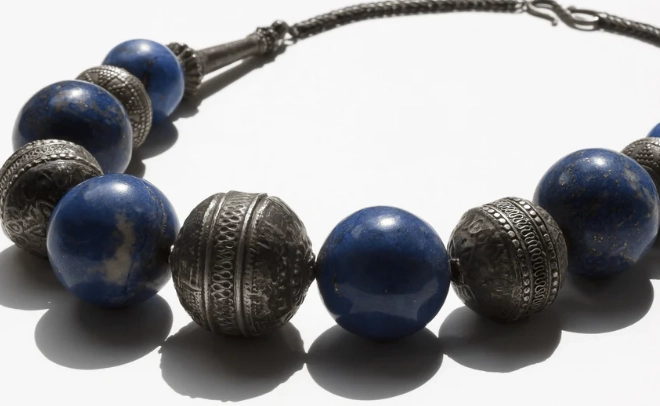
Those with an Already Overactive or Unbalanced Third Eye Chakra
This is a more nuanced energetic reason. In chakra systems, balance is key. The third eye is about intuition, vision, and psychic perception. If someone already feels ungrounded, "spacey," prone to paranoia or fantasy, or has difficulty distinguishing their intuition from their anxiety, stimulating the third eye *more* with lapis lazuli can exacerbate that imbalance. They might experience vivid but disturbing dreams, increased anxiety about the future, or a feeling of being disconnected from reality. The goal is to open and align chakras, not to blast one open while others are closed. For these individuals, working on grounding the root and sacral chakras first would be a wiser path.
The Situational & Practical Reasons: When Your Life Says No
Beyond your body and mind, your daily life and activities might make lapis an impractical or unsuitable choice.
People in Very Physical or Hazardous Jobs
Lapis lazuli has a Mohs hardness of about 5 to 5.5. That means it's relatively soft. Quartz (hardness 7), for comparison, is in most everyday dust and can scratch it. If you work with your hands—as a mechanic, gardener, carpenter, or even a busy parent—a lapis ring or bracelet is going to get battered. The surface will scratch, the polish will dull, and you risk chipping or cracking the stone. It's also porous, meaning it can absorb oils, dirt, and chemicals. Getting grease, bleach, or even strong soap on it can damage its color and luster. So, from a purely practical preservation standpoint, an active lifestyle might mean you cannot wear lapis lazuli jewelry during work or heavy chores. Save it for calmer moments.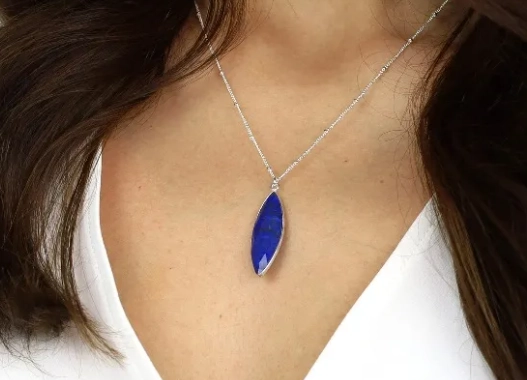
Those Who Are Consistently in High-Conflict Environments
Remember, lapis promotes truthful communication. But truth isn't always diplomatic or gentle. If you're in a job or living situation that is already fraught with constant, unproductive conflict—like a toxic office or a volatile family dynamic—wearing lapis might make you more likely to blurt out hard truths without the necessary tact or timing. It can remove filters. Sometimes, for survival or peace, a filter is necessary. In such environments, a stone that promotes harmony (like blue lace agate) or shields from negativity (like black tourmaline) might be a more functional daily companion.
Individuals from Certain Cultural or Religious Backgrounds
This is rarely discussed but important. Lapis lazuli has deep historical and religious significance in many cultures, from ancient Egypt (where it was associated with the gods and the night sky) to Buddhist traditions (where it's one of the seven treasures). For some devout individuals, wearing a stone of such sacred significance as mere fashion or casual adornment might feel disrespectful or inappropriate. It's always wise to be mindful and respectful of the cultural weight some stones carry. Researching a stone's history, like the excellent archives from the Metropolitan Museum of Art, can provide this context.
So, What Should You Do If You Think You Might Be Someone Who Cannot Wear Lapis Lazuli?
Don't worry! This isn't a lifetime ban. It might just mean "not right now" or "not in this way." Here are some alternatives and modifications.
1. Try Indirect Contact. Instead of a necklace or ring, carry a tumbled stone in your pocket, purse, or a small pouch. This allows you to connect with its energy without the constant, direct skin contact or intense energetic broadcast.
2. Limit Your Time. Wear it only during specific activities, like meditation, journaling, or creative work, when you consciously want its truth-enhancing properties. Take it off afterwards.
3. Cleanse and Recharge It Regularly. If you feel it's making you heavy or anxious, it might be holding onto stagnant energy. Cleanse it under running water (if it's untreated and not in a fragile setting), with smoke, or by placing it on a selenite plate. Let it recharge in moonlight.
4. Consider a "Milder" Blue Stone. If you're drawn to the blue color and throat chakra connection but find lapis too strong, explore other options.
| Alternative Stone | Key Properties | Why It Might Be a Better Fit |
|---|---|---|
| Blue Lace Agate | Calming, gentle communication, peace | Softer energy, excellent for anxious communicators. Much gentler than lapis. |
| Sodalite | Logic, rational thought, group harmony | Also blue with white, but focuses more on mental clarity and less on deep, psychic truth. |
| Amazonite | Soothing, balance, honest but kind communication | Calms the nerves and the heart, making truthful speech feel less daunting. |
| Chrysocolla | Nurturing, compassionate communication, female energy | Wrapping truth in compassion and deep emotional understanding. |
Your Questions, Answered Honestly
Let's tackle some of the specific things people type into Google when they're unsure.
Can wearing lapis lazuli cause anxiety?
Yes, it absolutely can for some people. If you are prone to anxiety, especially if it's related to overthinking or a hyper-active mind, lapis can amplify that mental activity. Its energy is stimulating to the third eye and mind. It can feel like it's "turning up the volume" on your thoughts, including anxious ones. If you notice increased anxiety after putting it on, take it off. It's not a failure; it's valuable feedback.
I wore lapis lazuli and now I feel sad/angry. Why?
Lapis is a revealer. It can bring buried emotions to the surface so you can acknowledge and process them. This is often part of its "truth" work. The stone isn't *making* you sad or angry; it's likely helping you access feelings that were already there, hidden under the surface. While this can be part of a healing process, if it's too much or poorly timed, it can feel overwhelming. This is a classic sign that you might be someone who cannot wear lapis lazuli constantly. Use it in short, intentional sessions with support (like therapy or supportive friends) available.
Is lapis lazuli safe for children to wear?
This is a personal and parental call. Physically, ensure any jewelry is secure (no choking hazards) and the stone is set safely. Energetically, children are often highly sensitive. The strong, truth-revealing energy of lapis might be too intense for their developing emotional systems. Gentler stones like moonstone, aventurine, or amethyst are typically safer and more common choices for kids.
Can I sleep with lapis lazuli under my pillow?
Many people do this to enhance dream recall or receive intuitive insights. However, if you are someone who cannot wear lapis lazuli due to its stimulating energy, putting it under your pillow is likely a bad idea. It can lead to overly vivid dreams, restlessness, or even insomnia. If you want to try, start by placing it on your nightstand instead of directly under your head.
Figuring out who cannot wear lapis lazuli boils down to self-awareness. It's a magnificent, powerful stone with a rich history. But its very power means it demands respect. Listen to your body's physical reactions. Tune into your emotional and mental state. Consider your daily life. If any red flags pop up, honor them. There are hundreds of other beautiful crystals out there, and one of them will be a perfect, harmonious match for you right now. Lapis will still be there, with its deep blue wisdom, if and when the time is right.
Related Articles
Yellow Sapphire Guide: Benefits, Buying Tips, and Care
Is Blue Jade Real? The Complete Guide to Identification & Value

Larimar: The Complete Guide to the Caribbean Gemstone
Adamite Mineral Guide: Properties, Localities & Value for Collectors
The Ultimate Sapphire Guide: Buying, Authenticity & Care Tips