You've seen it in crystal shops: that deep, captivating blue that seems to pull you in. Azurite. It's not just another tumbled stone for your collection. For centuries, from ancient Egypt to Renaissance painters (who ground it into pigment), this copper mineral has been prized. Today, it sits at a fascinating crossroads between geology, metaphysical practice, and stunning natural art. But there's a lot of confusion out there. Is it just for meditation? Will it break if you look at it wrong? And why does everyone online seem to give different advice on how to care for it?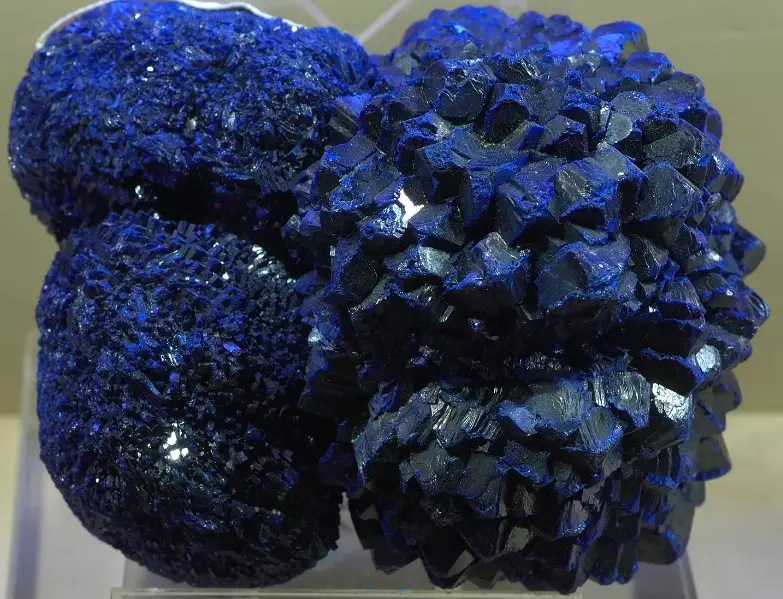
I've worked with minerals for over a decade, and azurite is one that demands respect. Get it right, and it can be a powerful tool for insight. Get it wrong, and you might end up with a faded, damaged piece. Let's cut through the noise.
Your Azurite Roadmap
What Exactly Is Azurite? The Science Behind the Blue
First, let's be clear on what we're dealing with. Azurite is a secondary mineral, meaning it forms when copper ore deposits are exposed to water and carbon dioxide over long periods. Its chemical name is copper carbonate hydroxide. That chemistry is the key to everything—its stunning color and its vulnerabilities.
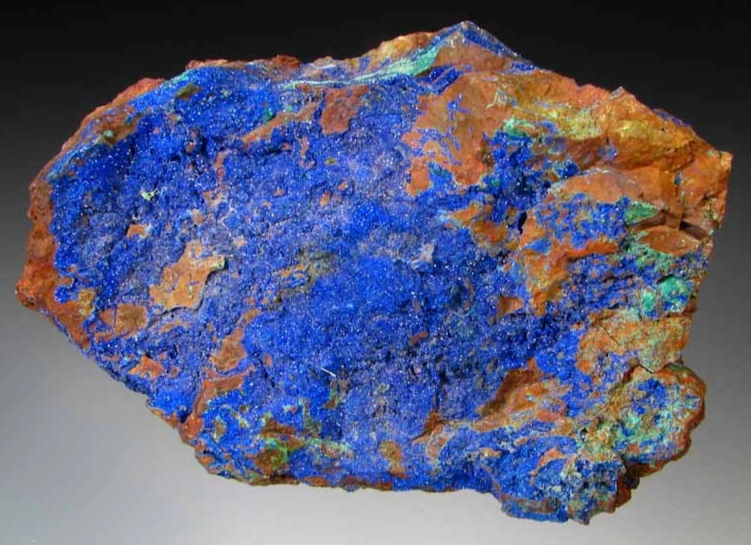
The deep azure blue comes from the copper. The richer and more saturated the blue, the higher the quality. You'll often find it mixed with green malachite (another copper carbonate), forming the spectacular blend known as azurite-malachite.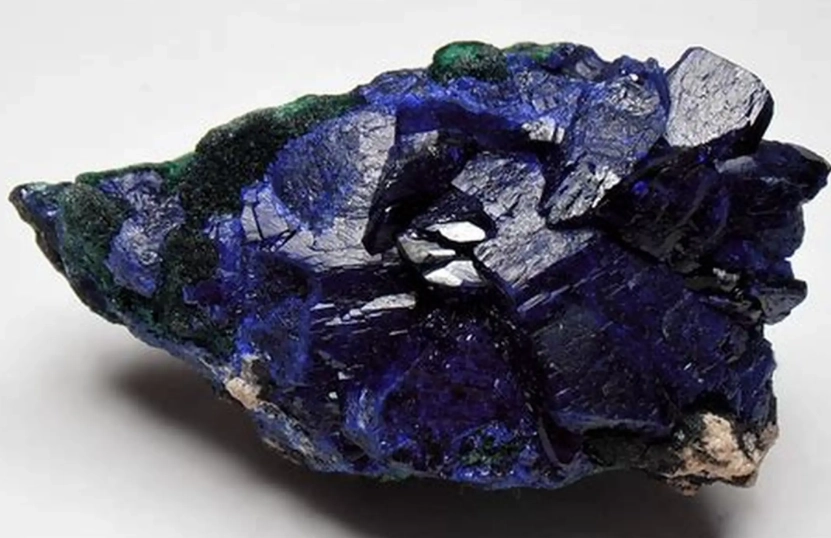
Top sources include the famous mines of Touissit in Morocco, Chessy in France (where its old name "chessylite" comes from), and locations in Arizona, USA, and Namibia. The locality can affect the specimen's form and price dramatically. A thumbnail-sized specimen from a classic locale can cost more than a large, unremarkable piece from elsewhere.
Azurite Properties and Uses: From Intuition to Decor
This is where most people's interest lies. Azurite's reputation isn't just about looks.
The Metaphysical Angle: Beyond Generic "Good Vibes"
In crystal healing traditions, azurite is known as the "Stone of Heaven." Its energy is associated with the third eye and throat chakras. But here's my take after years of use: it's not a gentle, calming stone like rose quartz. It's a stimulant for the mind.
Think of it as a mental declutterer. I reach for azurite when I feel mentally foggy, stuck on a problem, or need to articulate a complex idea clearly. It's brilliant for students, writers, or anyone in a brainstorming session. The common belief is that it enhances intuition by stripping away old, limiting beliefs that cloud judgment. I find it works best when you have a specific question or mental block in mind, not just as a general pocket stone.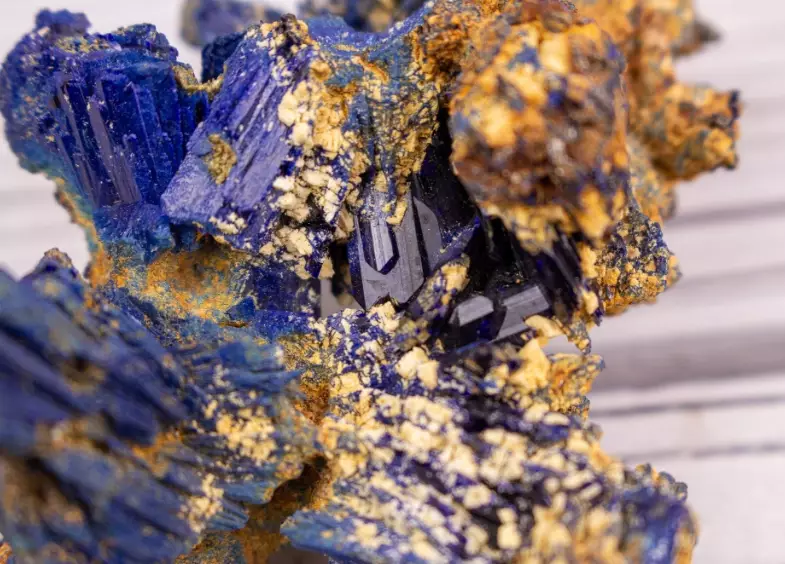
Physical and Decorative Uses
Let's be practical. Beyond meditation, what do you do with it?
- Jewelry: Yes, but carefully. Due to its softness and sensitivity, azurite is best in pendants or earrings—pieces that won't suffer much impact or contact with sweat and chemicals. Always look for bezel settings that protect the stone.
- Home & Office Decor: A fine specimen on a desk or shelf is a powerful focal point. It's said to promote a clear-headed, creative atmosphere. Just keep it out of direct sunlight (we'll get to why).
- Collecting: For many, the sheer beauty and geological significance are enough. A cabinet with specimens showing different formations—like the classic "azurite roses" from Utah—is a conversation starter.
How to Choose and Buy Azurite: A Buyer's Reality Check
The market is full of beautiful pieces, but also treated ones. Here’s a blunt guide to navigating it.
| Feature | What to Look For (The Good) | Red Flags (The Bad) |
|---|---|---|
| Color | Deep, royal blue to navy. Velvety luster. May have green malachite mixed in naturally. | Uniform, bright "sky-blue." Dull, washed-out color. (Can indicate dye or poor quality). |
| Form & Texture | Natural crystalline shapes (prisms, botryoidal clusters). Associated matrix (host rock) looks natural. | Perfectly smooth, rounded shapes with no crystal faces (often reconstituted/powdered azurite). |
| Price & Source | Price correlates with size, color depth, and locality. Reputable dealers provide locality info. | Unusually cheap for the size/color. Vague descriptions like "from Africa." |
| Common Treatments | Minor stabilization with colorless resin to hold fragile pieces together (should be disclosed). | Dyeing, waxing to enhance color, or complete reconstitution from azurite powder. |
Price Range Reality: A small, good-quality tumbled stone or chip might be $5-$20. A fist-sized, showy specimen of azurite-malachite can range from $50 to $200. Exceptional, large crystalline pieces from famous locales run into the thousands. If a deal seems too good to be true, it often is.
My advice? Buy from specialized mineral dealers or reputable crystal shops with knowledgeable staff. Ask questions: "Where is this from?" "Has it been treated in any way?" A trustworthy seller will know.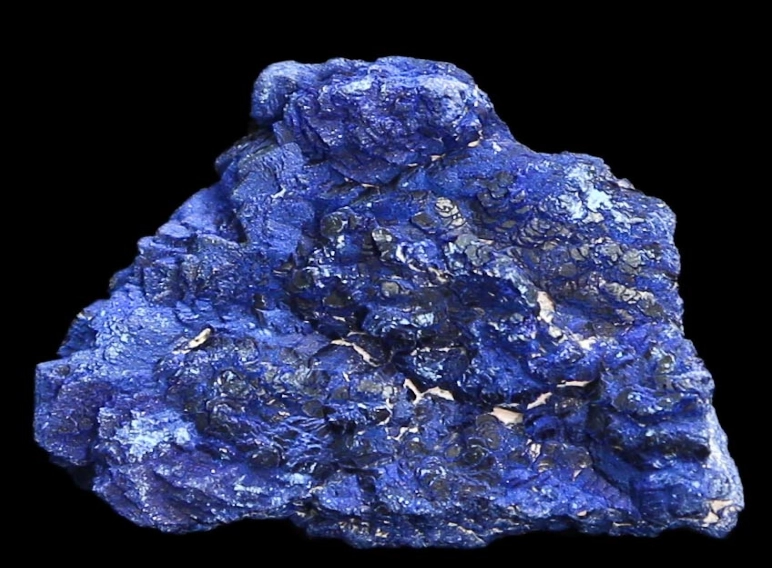
Using and Caring for Azurite: The Non-Negotiable Rules
This is where 90% of the mistakes happen. Azurite is not like quartz. It has specific needs.
The Cardinal Sins: Sun and Water
Never, ever leave azurite in direct sunlight. I've seen a vibrant blue specimen fade to a dull greenish-black in a matter of months on a sunny windowsill. The ultraviolet radiation breaks down its structure. Display it in indirect light.
Avoid water immersion, salt, and harsh chemicals. Its copper carbonate composition is soluble. A quick rinse if it gets dirty is okay, but pat it dry immediately. Never use salt baths for cleansing. Sweat, perfumes, and lotions can also damage it over time, which is why jewelry placement matters.
Safe Cleansing and Charging Methods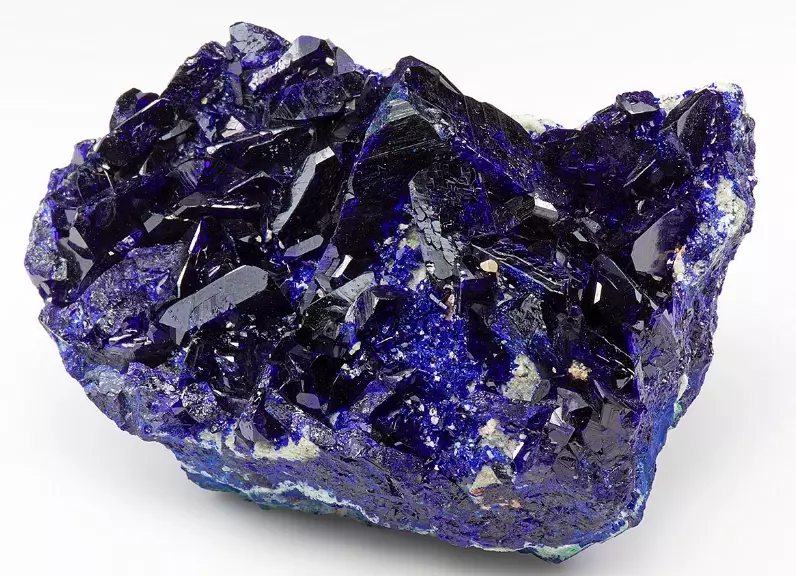
So how do you clear its energy? Stick to these safe methods:
- Selenite Plate: Place your azurite on a slab of selenite overnight. My go-to method.
- Sound: Use a singing bowl, bell, or even a tuning fork near it.
- Smoke: Gently pass it through the smoke of sage, palo santo, or incense.
- Earth Burial (Brief): Bury it in dry earth or rice for a short period (24 hours max).
Programming and Pairing Azurite
Hold your cleansed stone, quiet your mind, and clearly state your intention. Be specific: "Help me find clarity on my career path," not just "give me good energy."
It pairs powerfully with:
- Malachite: The classic duo. Azurite (insight) + Malachite (emotional healing).
- Clear Quartz: To amplify azurite's clarifying properties.
- Lapis Lazuli: For a deep dive into wisdom and truth-seeking.
I keep a small azurite on my desk with a piece of clear quartz. When I need to focus, I'll hold both for a minute. It’s a ritual that signals my brain to get to work.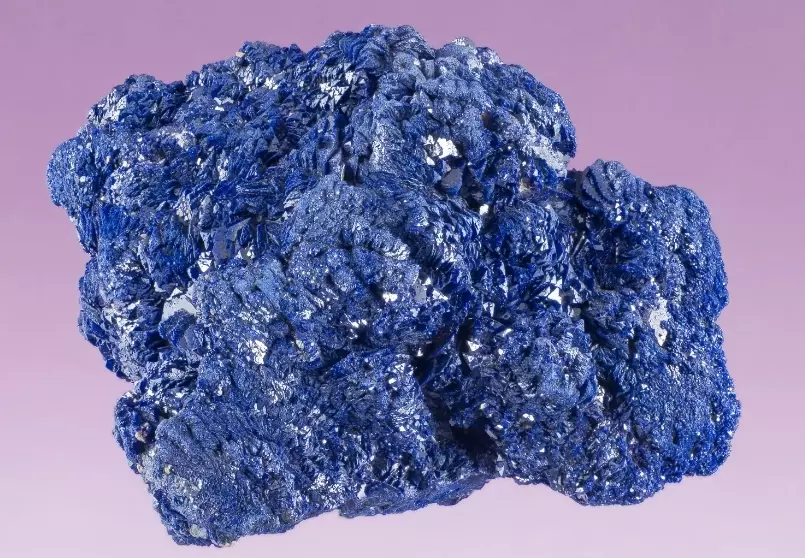
Your Azurite Questions, Answered
 Azurite demands a bit more attention than your average crystal. But that's part of its charm. It’s a partnership. You respect its physical nature, and it offers a window into clearer thinking. Start with a small piece, learn its quirks, and see how that profound blue can change not just your shelf, but your perspective.
For further scientific reading on copper carbonate minerals, resources like the Mindat.org mineral database or publications from the U.S. Geological Survey are invaluable.
Related Articles
Blue-Green Fluorite Benefits: A Deep Dive into Emotional & Mental Healing
Larimar Stone Zodiac Guide: Meanings, Signs & Healing Properties
Blue Tourmaline: The Complete Guide to Meaning, Uses, and Buying Tips
Opal Spiritual Meaning: More Than Just a Pretty Stone
First Quarter Moon: Your Guide to Meaning, Photography & Rituals