Quick Navigation
Let's be honest, the world of crystals can feel overwhelming sometimes. You see a beautiful blue stone like sodalite, you hear it has "spiritual meaning," but what does that actually mean for you? Is it just a pretty rock, or is there something more? I remember picking up my first piece of blue sodalite years ago. It wasn't the most dazzling crystal on the shelf—no flashy sparkles like quartz. But there was a depth to its blue, a calmness that felt... solid. I bought it on a whim, and it sat on my desk for weeks before I even learned its name. Turns out, that quiet stone had a lot to say.
So, let's cut through the noise. What is the spiritual meaning of blue sodalite? It's not one single, magical answer. It's a blend of energies tied to speaking your truth, finding mental clarity, and quieting the inner chaos. Think of it less like a magic wand and more like a trusted, grounding friend who helps you organize your thoughts and find the courage to voice them. It’s the crystal you reach for when you have a difficult conversation looming, when your mind is racing with a million thoughts, or when you just need to feel a sense of peaceful order.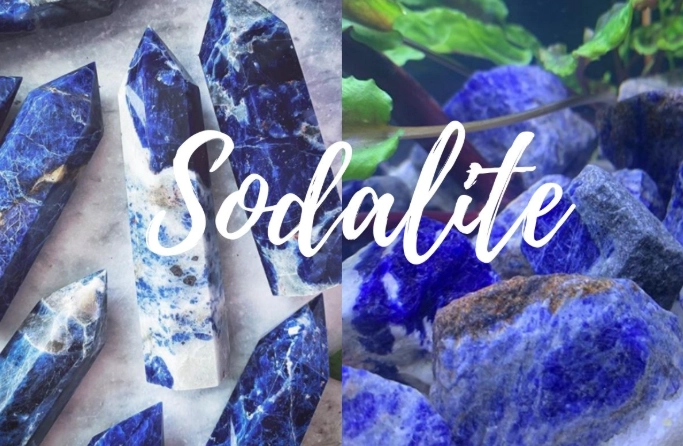
The Core Spiritual Meanings of Blue Sodalite (It's More Than Just Communication)
Most articles will tell you blue sodalite is a "throat chakra stone" and stop there. That's like saying a smartphone is just for making calls—it misses most of the picture. The spiritual meaning of blue sodalite is multi-layered. Its signature blue and white patterns aren't just for show; they're often seen as a metaphor for its function: bringing light (clarity) to the deep blue sea of the mind (our thoughts and subconscious).
The Stone of Authentic Expression & Truth
Yes, this is its most famous role, and for good reason. Blue sodalite is deeply connected to the throat chakra (Vishuddha), the energy center governing communication, expression, and truth. But it's not about making you talk more. It's about making you speak truer.
Have you ever been in a situation where you bit your tongue, only to regret it later? Or maybe you said something, but it came out all wrong because fear or anxiety twisted your words? That's where sodalite comes in. Its energy is said to help dissolve the fear of judgment or rejection that silences us. It encourages you to express your ideas, needs, and boundaries with clarity and calm confidence, not aggression or timidity. It’s the ally for the honest conversation you've been avoiding, the presentation you're nervous about, or simply for asking for what you need in a relationship.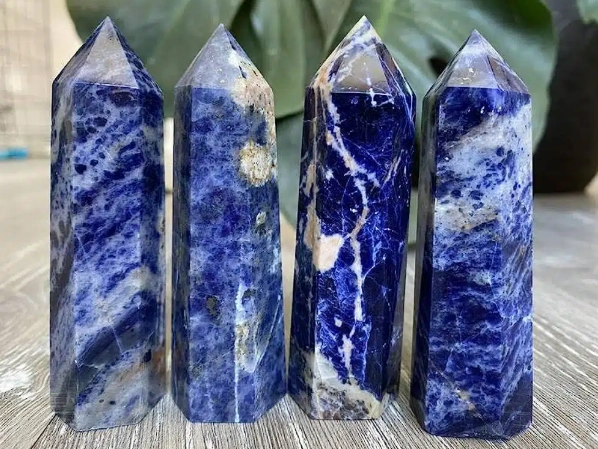
The Logic & Intelligence Booster
This is a facet many people overlook. Sodalite has a strong affiliation with the mind, specifically with rational thought and intellectual pursuit. In ancient times, it was sometimes called the "poet's stone" or the "philosopher's stone" (not the alchemical one!). Why? Because it's believed to harmonize the logical left brain and the intuitive right brain.
If you're stuck on a problem, overthinking, or feeling mentally scattered, blue sodalite's energy is said to help sort through the chaos. It promotes objective thinking, helps you see patterns, and can enhance learning. It's a fantastic stone for students, researchers, writers, or anyone who needs to process complex information. It doesn't just hand you the answer; it helps you calm your mental noise so you can find the answer yourself.
The Calm in the Storm: Peace & Anxiety Relief
That beautiful, deep blue color isn't just calming to look at; its spiritual meaning is deeply tied to peace. Blue sodalite is known for its ability to soothe frayed nerves and quiet anxiety. It's not a sedative; it doesn't numb you. Instead, it's like a stabilizing force.
When anxiety hits, it's often a storm of "what-ifs" and irrational fears. Sodalite's energy is said to help identify the root of those fears, bringing them from the emotional, reactive part of your brain into the light of rational examination. This process itself can be incredibly calming. It transforms panic into something you can manage and understand. For this reason, many use it as a support for meditation, placing it on the forehead (third eye) or holding it to quiet mental chatter before beginning their practice.
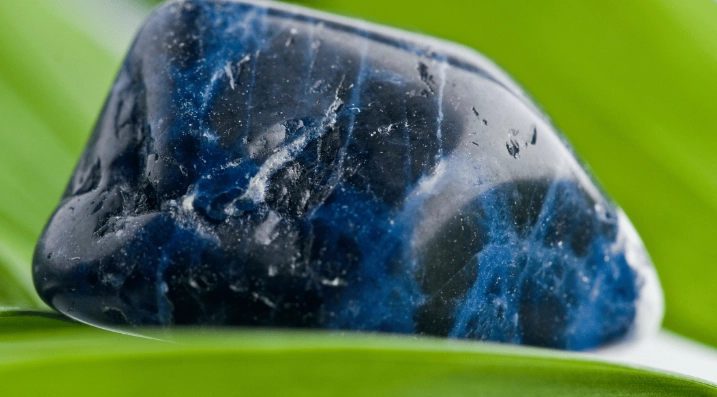
How to Actually Use Blue Sodalite (Practical, Not Woo-Woo)
Knowing the meaning is one thing. Using it is another. Let's get practical. You don't need a complicated ritual to connect with this stone. Here are ways people incorporate its spiritual meaning into daily life.
As Jewelry: Wearing sodalite as a necklace keeps its energy close to your throat chakra all day. A bracelet or ring serves as a constant, subtle reminder of your intention to speak and think authentically. It’s also just beautiful to look at.
In Your Environment: Place a cluster or sphere on your desk to promote a clear-headed, focused work environment. Keep a piece on your nightstand if you tend to have racing thoughts that prevent sleep. The energy is passive but present.
For Specific Intentions: Carry a tumbled stone in your pocket or purse when facing a specific challenge—a job interview, a tough talk with a loved one, or a big exam. Use it as a touchstone to ground yourself in the moment.
A quick personal gripe: I see a lot of advice telling people to "program" their crystals under a full moon with elaborate ceremonies. Honestly? That can feel intimidating and inauthentic. With sodalite, I find a simple, clear thought whispered to the stone as you hold it is more than enough. It's a stone of clarity, so keep your approach clear too.
Blue Sodalite vs. Other Blue Stones: A Quick Comparison
This is where people get confused. Lapis lazuli is blue with gold flecks. Azurite is a deeper, more uniform blue. How is sodalite different? Understanding this helps clarify its unique spiritual meaning of blue sodalite.
| Stone | Key Color Identifier | Primary Spiritual Focus | Best For... |
|---|---|---|---|
| Blue Sodalite | Deep blue with white (calcite) veins or patches. Opaque. | Logical thought, authentic communication, inner peace, truth. | Mental clarity, speaking your truth calmly, reducing anxiety tied to overthinking. |
| Lapis Lazuli | Deep blue with brassy-yellow (pyrite) flecks. Opaque. | Spiritual wisdom, inner power, revelation. A "stone of royalty." | Deep spiritual awakening, accessing higher knowledge, enhancing psychic abilities. |
| Azurite | Rich, dark azure blue, often with malachite (green). Opaque. | Psychic vision, intuition, releasing old patterns. A "stone of heaven." | Deep intuition work, dream recall, breaking mental/emotional habits. |
| Blue Lace Agate | Very light, banded sky blue and white. Translucent. | Gentle communication, soothing energy, tranquility. | Softening harsh speech, calming anger or fear around speaking, gentle self-expression. |
See the difference? Lapis feels more regal and spiritual-awakening. Azurite is more about deep intuition. Blue Lace Agate is gentle and soft. Blue sodalite? It's the grounded, rational communicator and thinker of the blue crystal family. If Lapis is the wise king and Azurite is the mystic, Sodalite is the trusted scribe or advisor—clear, logical, and articulate.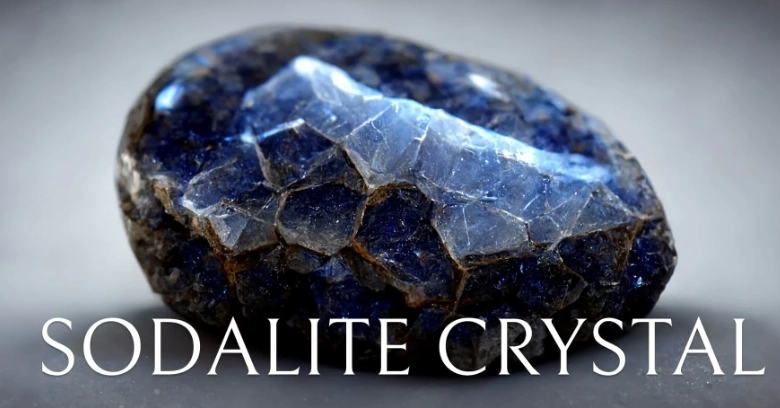
Answering Your Burning Questions (The Real FAQs)
A Few Cautions and Final Thoughts
Let's keep it real. No crystal is a miracle worker. The spiritual meaning of blue sodalite points to its potential as a tool for focus and self-awareness. It won't magically make you a confident speaker if you never practice. It won't solve anxiety without other supportive practices like therapy, breathwork, or meditation. It's a supplement to your own effort, not a replacement for it.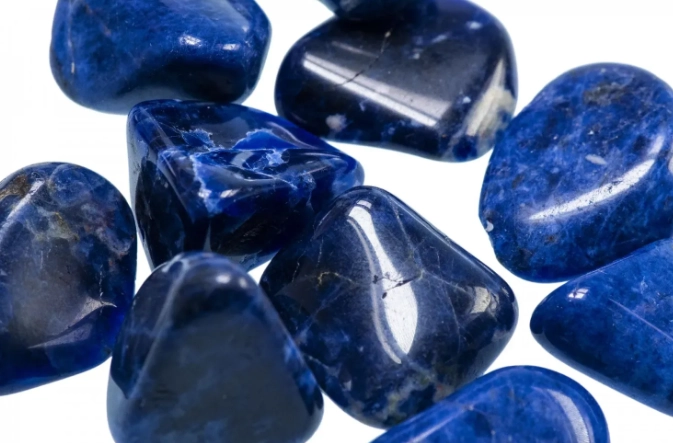
Also, some people find its energy a bit too "cool" or analytical. If you're someone who needs warm, comforting energy (like from rose quartz), sodalite might feel a bit detached. That's okay! Not every stone resonates with every person. I have a friend who tried it and said it made her feel "too in her head." She prefers carnelian for confidence. It's all about personal resonance.
If you're curious about the science behind how mindfulness and focused intention (which is what using a crystal often is) can affect well-being, resources like Mindful.org's overview of meditation science offer a grounded perspective.
My first piece still sits on my desk, now alongside others. But when the world gets loud, both outside and inside my head, it's still the one I reach for first. Its quiet, steadfast energy is a reminder that truth doesn't have to be loud, and peace often starts with a single, clear thought.
Related Articles
Selenite Crystal Cleansing: How to Cleanse & Charge with Moonlight
Azurite Crystal: Deep Blue Stone for Intuition & Insight
Moonstone Benefits for Women: Emotional Balance & Feminine Energy Guide
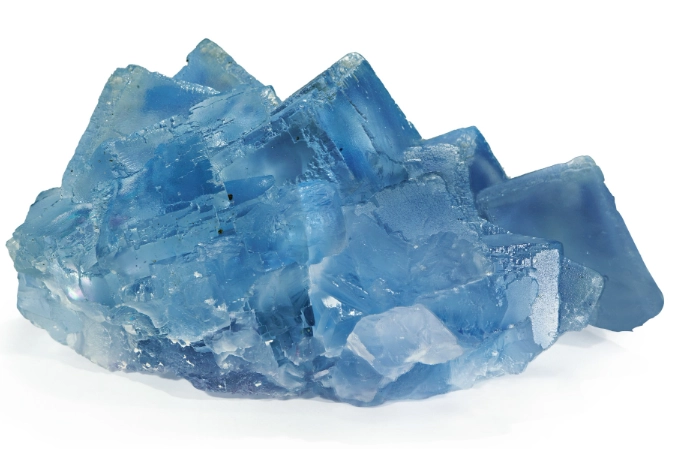
Blue Fluorite: The Complete Guide to Meaning, Uses, and How to Pick a Good One

What Does Wearing a Ruby Symbolize? Meaning, History & Beliefs