If you're drawn to crystals that catch the light with a warm, inner glow, sunstone might already be on your radar. But here's the thing—most guides repeat the same basic info. After years of collecting and using sunstone, I've seen too many people overpay for fakes or misuse the stone because they skip the nuances. This guide cuts through the noise. We'll dive into what makes sunstone unique, how to spot the real deal, and practical ways to harness its energy without falling for hype. Let's start with the sparkle.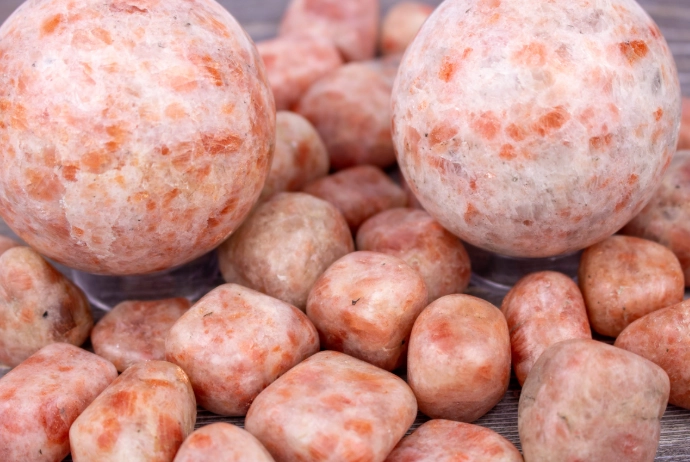
Quick Navigation
- What is Sunstone Crystal and Why is it Special?
- The Healing Properties of Sunstone: More Than Just Sparkle
- How to Identify Genuine Sunstone: A Step-by-Step Guide
- Practical Uses of Sunstone in Daily Life
- Where to Buy Sunstone and What to Look For
- Common Myths and Misconceptions About Sunstone
- Your Sunstone Questions Answered
What is Sunstone Crystal and Why is it Special?
Sunstone is a feldspar mineral, often orange to reddish-brown, with tiny inclusions that create a glittery effect called aventurescence. Think of it as nature's glitter—but way cooler. According to the Gemological Institute of America, this effect comes from platelet inclusions of minerals like hematite or goethite that reflect light. That's why sunstone shimmers when you move it, unlike other stones that just shine on the surface.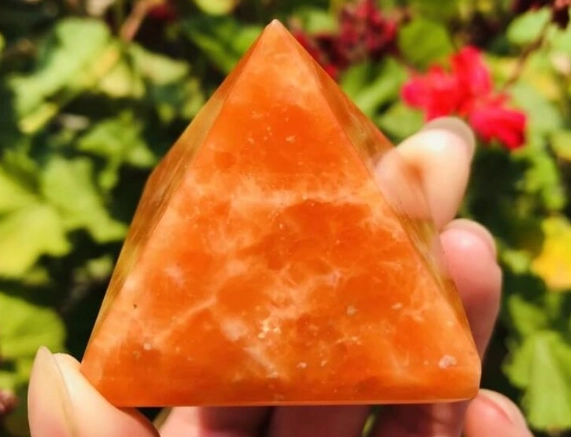
I remember my first sunstone purchase. It was a small tumble stone from a local shop, and I assumed all sunstones looked the same. Big mistake. The best ones, like those from Oregon in the US or Norway, have a deep, copper-like flash. Cheaper versions might be dyed or glass imitations. So, what sets it apart? It's not just pretty; it's a stone tied to solar energy, often linked to vitality and leadership in crystal healing circles. But let's not get ahead of ourselves—we'll cover that later.
The Key Characteristics of Sunstone
To avoid confusion, here's a quick breakdown. Sunstone typically has:
- Color range: Peach, orange, red, brown, sometimes with green hints. The Oregon variety often has a schiller effect—a metallic sheen.
- Hardness: 6 to 6.5 on the Mohs scale, so it's decent for jewelry but can scratch if you're not careful.
- Transparency: Usually translucent to opaque. If it's perfectly clear, be suspicious—it might be glass.
Many beginners overlook the transparency part. I've seen folks buy what they think is "premium clear sunstone," only to find out it's synthetic. Stick with the natural, slightly cloudy look for authenticity.
The Healing Properties of Sunstone: More Than Just Sparkle
In crystal healing, sunstone is touted for boosting confidence, creativity, and joy. But here's a non-consensus view: its effects are subtle and work best when paired with intention, not just passive carrying. I've used sunstone in meditation for years, and it's not a magic pill—it's more like a gentle nudge.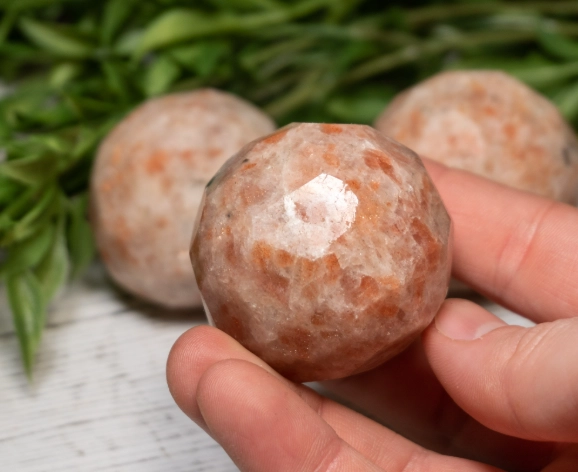
Let's break down the healing properties without the fluff:
- Emotional uplift: Many users report feeling lighter and more optimistic. A friend of mine keeps a sunstone on her desk during stressful workdays. She says it helps her stay focused without the anxiety. But don't expect instant happiness; it's about gradual shifts.
- Leadership and vitality: Linked to the solar plexus chakra, sunstone is said to enhance personal power. In practice, I've found it useful before presentations—holding a stone for a few minutes can calm nerves. But it's not a substitute for preparation.
- Creativity boost: Artists often use sunstone to overcome blocks. Try placing it near your workspace; the sparkle might inspire new ideas. However, if you're relying solely on crystals for creativity, you're missing the hard work part.
One subtle mistake: people assume all sunstones have the same energy. Oregon sunstone, with its copper inclusions, tends to feel more grounding, while Norwegian varieties might be more energizing. Match the stone to your need.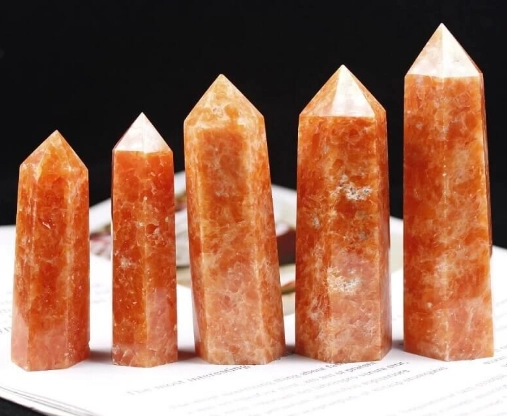
Personal experience: I once bought a cheap sunstone bracelet online, hoping for a quick mood lift. It did nothing—turns out it was glass. After switching to a genuine Oregon piece, the difference was noticeable: a warm, steady energy that helped during gloomy days. Lesson learned: quality matters more than quantity.
How to Identify Genuine Sunstone: A Step-by-Step Guide
This is where most guides fall short. They tell you to "look for sparkle," but fake stones sparkle too. Let's get practical. Imagine you're at a gem show or browsing online—how do you know it's real? Follow these steps, based on my own blunders and successes.
Step 1: Check the Aventurescence
Genuine sunstone has a schiller effect—tiny, plate-like inclusions that glitter from within. Hold it under a light and move it around. The sparkle should be internal, not just on the surface. Glass imitations often have bubbles or uniform glitter that looks painted on.
Step 2: Test the Hardness
With a hardness of 6-6.5, sunstone can scratch glass but can be scratched by quartz. Carry a quartz point (hardness 7) if you're serious. Gently try to scratch an inconspicuous part—if it leaves a mark, it might be softer fake material. But be careful not to damage the stone!
Step 3: Observe the Color and Clarity
Natural sunstone has variations in color and cloudiness. If it's too uniform or vivid, it might be dyed. For example, bright red sunstone is rare; most are orange-brown. Use a loupe if you have one—look for natural inclusions, not perfect clarity.
Here's a quick reference table based on common fakes: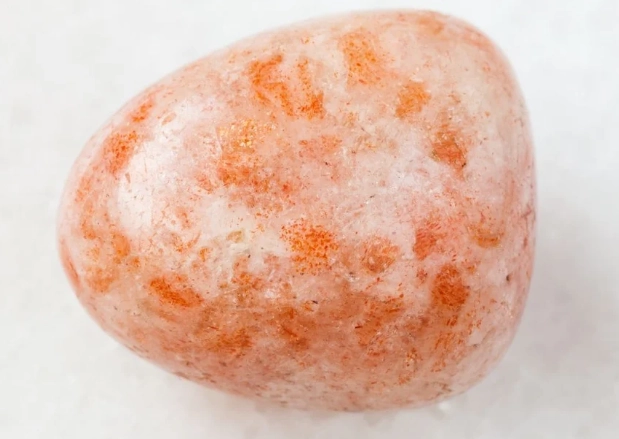
| Feature | Genuine Sunstone | Common Fake (Glass) |
|---|---|---|
| Sparkle Type | Internal, plate-like glitter | Surface glitter or bubbles |
| Color Consistency | Natural variations, cloudy | Too uniform, overly bright |
| Price Range | $10-$50 per carat for good quality | Under $5 per piece, often sold in bulk |
| Weight Feel | Heavier for its size | Lighter, plasticky feel |
I learned this the hard way. A vendor once sold me a "sunstone" that felt light. Later, a gemologist confirmed it was resin. Now, I always do the weight check—genuine stones have a solid heft.
Practical Uses of Sunstone in Daily Life
Beyond healing, sunstone is fantastic for decor and daily rituals. Let's move from theory to action. How can you actually use it? Here are three ways I've integrated sunstone into my routine, with specific examples.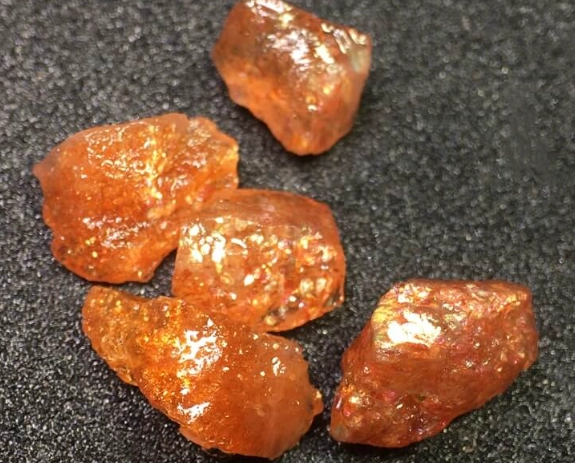
Home Decor with Sunstone
Place sunstone clusters in sunny spots, like near windows. The light enhances its sparkle, boosting the room's energy. I have a small Oregon sunstone on my bookshelf—it catches the afternoon sun and creates a warm glow. Avoid direct sunlight for prolonged periods, though; it can fade the color over time.
Jewelry for Everyday Wear
Sunstone pendants or rings are popular. Choose settings that protect the stone, like bezel settings, due to its moderate hardness. My go-to is a simple wire-wrapped pendant. Wear it when you need a confidence boost, like for meetings or social events. But clean it gently with mild soap—no harsh chemicals.
Meditation and Mindfulness
Hold a sunstone during meditation to focus on solar plexus themes: confidence, willpower. I pair it with deep breathing for five minutes each morning. It's not about mystical forces; it's about using the stone as a tactile reminder of your intentions.
One overlooked use: sunstone in office spaces. A colleague keeps a tumble stone on her desk to reduce eye strain—the sparkle offers a visual break from screens. Try it; it might help with that midday slump.
Where to Buy Sunstone and What to Look For
Buying sunstone can be tricky, especially online. Based on my experience, here's a no-nonsense guide to sourcing quality stones without overpaying.
- Local gem shops: Visit stores with good reputations. Ask about origin—Oregon and Norway are top sources. Expect to pay $20-$100 for a decent piece. Check return policies in case you're unsure.
- Online platforms: Etsy and specialized sites like The Crystal Council offer variety. Look for sellers with detailed photos and reviews. Avoid listings with stock images; request real shots under light. Price range: small tumbles $5-$15, carvings $30-$150.
- Gem shows: Great for hands-on inspection. I've found bargains at shows, but bring a loupe and trust your gut. If a deal seems too good, it probably is.
Key things to ask sellers:
- Can you provide the stone's origin?
- Is it natural or treated? (Some sunstones are heat-treated to enhance color—it's common but should be disclosed.)
- What's the hardness and care advice?
I once bought from a vendor who claimed "100% natural sunstone" but later admitted to dyeing. Now, I always ask about treatments upfront. It saves disappointment.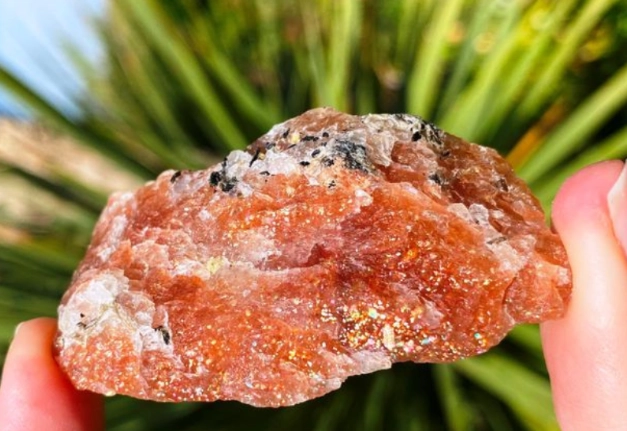
Common Myths and Misconceptions About Sunstone
Let's debunk some myths. Crystal communities often spread half-truths, and sunstone isn't immune.
Myth 1: Sunstone always brings instant joy. False. It's a tool, not a cure. I've seen people expect miracles and then give up on crystals altogether. Use it as part of a broader self-care routine.
Myth 2: All sunstones work the same for healing. Not really. As mentioned, Oregon sunstone with copper inclusions might feel different from others. Match the stone to your specific goal—e.g., Oregon for grounding, red varieties for energy.
Myth 3: It's only for spiritual use. Nope. Sunstone's beauty makes it great for jewelry and decor, even if you're not into healing. I have friends who wear it purely for aesthetics, and that's perfectly valid.
A subtle point: some claim sunstone can replace medical treatment. That's dangerous. Always consult professionals for health issues; crystals are complementary at best.
Your Sunstone Questions Answered
Sunstone is more than a pretty rock—it's a versatile gem with depth. Whether you're a collector, healer, or just curious, focus on quality and intention. Skip the gimmicks, trust your observations, and let that inner sparkle guide you.
Related Articles
Dalmation Jasper: Healing Properties, Uses, and Expert Guide
Jade Crystal Meaning: Beyond Good Luck in Healing & Jewelry
Chrysocolla Guide: Healing, Properties & How to Use It
Black Tourmaline Meaning: Protection, Healing & How to Use It
Orange Sapphire Meaning: Symbolism, Value & How to Buy Guide