What’s Inside
- Where Does Jasper Even Come From? The Geology Bit.
- A Rainbow in Stone: The Major Types of Jasper
- Jasper Through the Ages: More Than Just a Pretty Rock
- So, What Do People Believe It Does? The Metaphysical Side.
- How to Spot the Real Deal: A Practical Buyer's Guide
- From Raw Rock to Treasure: Using and Caring for Jasper
- Answering Your Burning Questions (FAQ)
- My Final Thoughts: Why Jasper Endures
Let's be honest. You've probably seen a picture of a stunning, striped red and yellow stone labeled as "jasper" on social media, or maybe you felt a smooth, cool pebble in a friend's collection. It piqued your curiosity. What is this stuff? Is it just a pretty rock, or is there more to it? You're not alone in wondering. Jasper stone has been turning heads and sparking imaginations for thousands of years, from ancient Egyptian scarabs to modern-day jewelry stores and crystal healing shops.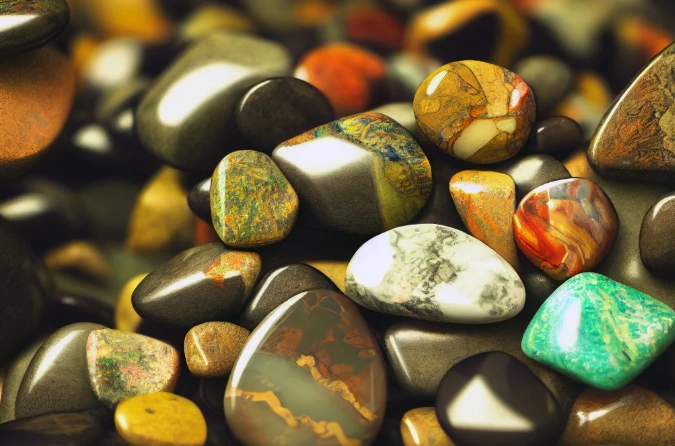
I remember the first time I held a piece of raw, unpolished jasper. It was a chunk of landscape jasper, all earthy greens and browns that looked like an aerial view of forests and hills. It felt surprisingly heavy for its size, solid and grounding. That's the thing about jasper – it doesn't feel delicate. It feels substantial. That experience sent me down a rabbit hole, and what I found was way more interesting than I expected. It's not just one thing; it's a whole world of colors, patterns, and stories trapped in stone.
The Quick Answer: What is Jasper Stone?
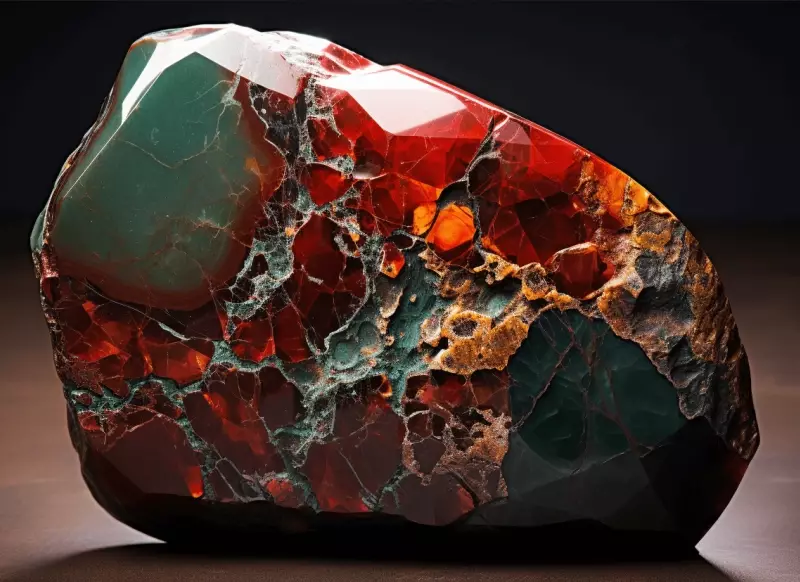
At its core, jasper is an opaque, microcrystalline variety of quartz (silicon dioxide, SiO₂). The "microcrystalline" part means its crystals are too small to see with the naked eye, giving it a smooth, dense feel. Its signature opacity and wild array of colors come from a cocktail of mineral impurities—iron oxides (for reds, yellows, browns), clay minerals (for greens, yellows), and other compounds that get mixed in as it forms. It's essentially nature's painterly canvas, with each deposit telling a unique geological story.
Where Does Jasper Even Come From? The Geology Bit.
You don't need a geology degree to appreciate this, but knowing a little about how jasper forms makes it even cooler. Most jasper stone is sedimentary in origin. Imagine ancient volcanic ash or fine silica-rich sediment settling at the bottom of oceans or lakes. Over millions of years, under immense pressure and with the help of mineral-rich groundwater percolating through it, this silica gel solidifies. The impurities in the water paint the patterns we see today.
Some types, like the famous Bruneau Jasper from Idaho, form in the cavities of rhyolite lava flows, creating those incredible, swirling patterns. It's a slow-moment art project on a planetary scale. The U.S. Geological Survey provides great foundational resources on the mineralogy of quartz varieties, which helps put jasper's family tree into perspective. You can see how common elements like iron, which is everywhere, are responsible for those iconic red hues.
The locations are global. You'll find famous deposits in India (for picture jasper), Madagascar (for ocean jasper), Australia, Russia, and the United States (Oregon, Idaho, Arizona are big ones). The local geology dictates the color and pattern, making each source material unique.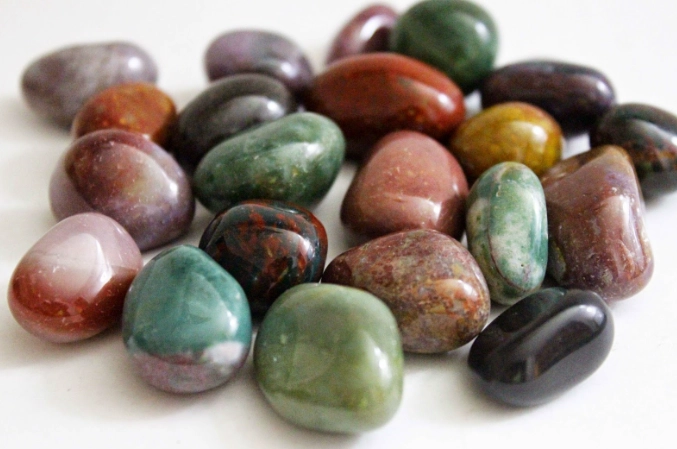
A Rainbow in Stone: The Major Types of Jasper
This is where it gets fun. Calling something "jasper" is like saying "cookie"—it covers a lot of ground. The naming can be a bit of a mess, often based on color, pattern, or location. Some names are widely accepted, others are more trade names. Here’s a breakdown of the most common and sought-after varieties you're likely to encounter.
| Jasper Type | Primary Colors & Patterns | Key Source Locations | What Makes It Special |
|---|---|---|---|
| Red Jasper | Deep brick red to rusty brown; often solid, sometimes banded. | India, Brazil, Uruguay, USA | The classic. Often associated with vitality and stamina. Polishes to a beautiful, warm gloss. |
| Picture Jasper | Earth tones (tan, brown, black, cream); landscapes, scenes. | USA (Oregon, Idaho), Africa | Looks like a desert or mountain landscape. Each slab is a one-of-a-kind "picture." |
| Ocean Jasper | Orbs and circles in greens, pinks, whites, and yellows. | Madagascar (exclusively) | Known for its unique orbicular patterns. A relatively recent discovery (1990s). |
| Dalmatian Jasper | White or beige base with black spots (feldspar inclusions). | Mexico | Fun, whimsical look. Despite the name, it's technically not always a true jasper but is universally sold as one. |
| Bumblebee Jasper | Vibrant yellow, orange, and black bands. | Indonesia (Java) | Strikingly bright. A word of caution: it contains sulfur and arsenic compounds, so wash hands after handling and don't make elixirs with it. |
| Mookaite Jasper | Rich yellows, burgundies, purples, and creams. | Australia (Western Australia) | Fossiliferous silica; its colors are stunning and often muted and mixed together. |
See what I mean? The diversity is insane. And this table just scratches the surface. There's also leopard skin jasper, rainforest jasper, fancy jasper… the list goes on. Part of the joy is in the hunt for a pattern or color that speaks to you personally.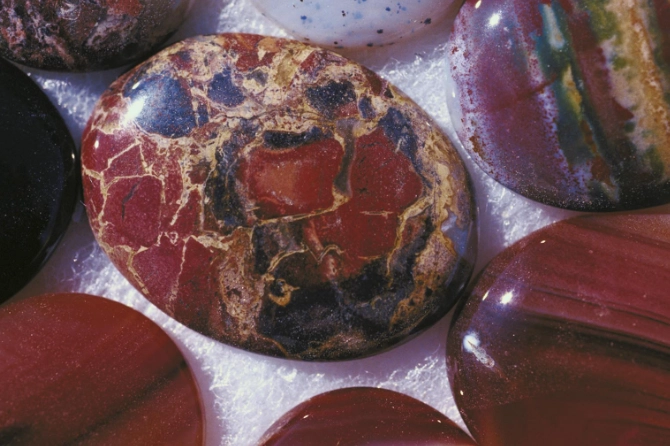
A Quick Reality Check: The gem and crystal world is full of creative marketing. Some stones sold as "jasper" might be other forms of chalcedony or agate that are dyed or mislabeled. "Royal Sahara Jasper" or "Chinese Writing Jasper," for example, are often trade names for specific patterns that may not meet a strict geological definition. It doesn't always make them less beautiful, but it's good to be an informed buyer.
Jasper Through the Ages: More Than Just a Pretty Rock
Our fascination with jasper stone isn't new. Ancient civilizations prized it highly, and not just for decoration. They valued its durability and believed it held power.
In ancient Egypt, red jasper was linked to the blood of Isis and was considered a stone of protection, especially in the afterlife. They carved it into scarabs, amulets, and even used it in jewelry for royalty. The Mesopotamians used it for cylinder seals, and in the Middle Ages, it was one of the twelve stones said to be in the breastplate of the High Priest, as described in the Bible's Book of Exodus.
Its use was practical, too. Because of its hardness (about 6.5-7 on the Mohs scale) and ability to take a fine edge, some prehistoric cultures used certain types of jasper to make tools and spear points. It was a material that offered both utility and beauty, a combination that's hard to beat.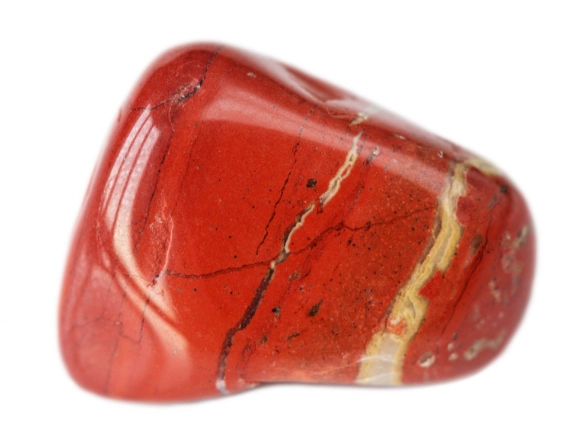
From amulets in tombs to tools in hand, jasper has been a constant, sturdy companion to humanity across cultures and millennia.
So, What Do People Believe It Does? The Metaphysical Side.
Alright, here's the part that gets debated. In modern crystal healing and metaphysical practices, jasper is often called the "supreme nurturer." It's touted as a stabilizing, grounding stone that provides comfort and security. Now, I'm not here to tell you what to believe. There's zero scientific evidence that crystals can heal physical ailments—please, always see a doctor for medical issues. But understanding the cultural and personal significance is part of understanding jasper's full story.
People are drawn to these stones for emotional and spiritual reasons. Red jasper is often associated with vitality, passion, and connection to the Earth. Picture jasper is said to aid in seeing the "big picture" and connecting to past wisdom or travel. Green jasper varieties are linked to nature, growth, and healing emotional wounds.
Does it work? That's a personal question. The placebo effect is powerful, and the simple act of holding a smooth, cool stone and taking a moment to breathe can be a genuine stress-reliever. The ritual and intention matter to many people. I sometimes keep a piece of red jasper in my pocket during a long, stressful day. Does the stone itself have magic? Probably not. But the reminder to stay grounded? That helps.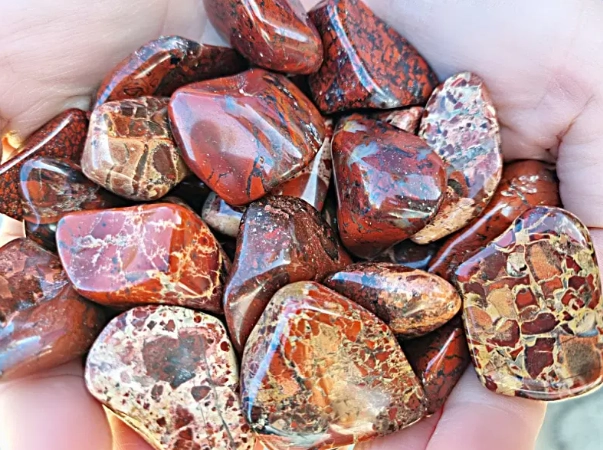
How to Spot the Real Deal: A Practical Buyer's Guide
You're interested, you see a piece you like online or at a shop. How do you know you're getting a genuine jasper stone and not a piece of dyed plastic or glass? Here are some down-to-earth tips.
Key Characteristics of Real Jasper:
- Opacity: It's almost always opaque. You shouldn't be able to see light passing through it (with very rare exceptions for thin slivers). If it's translucent, it's probably agate.
- Weight and Temperature: It should feel cool to the touch and have a substantial, dense weight for its size. Plastic feels light and warm.
- Pattern Consistency: The patterns and colors should look natural, not perfectly symmetrical or repeated. Look for imperfections, inclusions, and gradients—nature is messy.
- Hardness: Real jasper is hard. It shouldn't scratch easily with a steel knife (which is about 5.5 on the Mohs scale). Be careful testing this on a finished piece, though!
Be wary of anything with unnaturally bright, uniform colors—especially blues and vivid pinks. While some jaspers like Bumblebee are naturally bright, many bright blue "jaspers" on the market are dyed howlite or magnesite. Ask the seller about the source if you can. Reputable sellers usually know if their material is dyed or treated.
When in doubt, start with a trusted local rock shop or well-established online mineral dealers. The price can be a clue too; if a large, "rare" blue jasper tower is $10, it's almost certainly not natural.
From Raw Rock to Treasure: Using and Caring for Jasper
Okay, you've got a piece. Now what? Jasper is wonderfully versatile and relatively tough, making it great for many uses.
Common Uses:
- Jewelry: Beads, cabochons for rings and pendants, and statement bracelets. Its durability makes it suitable for daily wear, though it can be scratched by harder materials.
- Carved Objects: Small figurines, spheres, eggs, and worry stones. The patterns make each carving unique.
- Decorative Pieces: Bookends, polished slabs, and tumbled stones for bowls or displays. A nice piece of picture jasper can be a conversation-starting paperweight.
- In Collecting: Many people, myself included, simply enjoy collecting raw or polished specimens of the different types, appreciating them as natural art.
Simple Care Instructions:
Caring for your jasper stone is straightforward. Clean it with warm, soapy water and a soft cloth. Avoid harsh chemicals, ultrasonic cleaners (which can crack it if it has internal fractures), and steam cleaners. For storage, just keep it separate from harder gems like diamonds or sapphires that could scratch it. That's really it. It's a low-maintenance stone.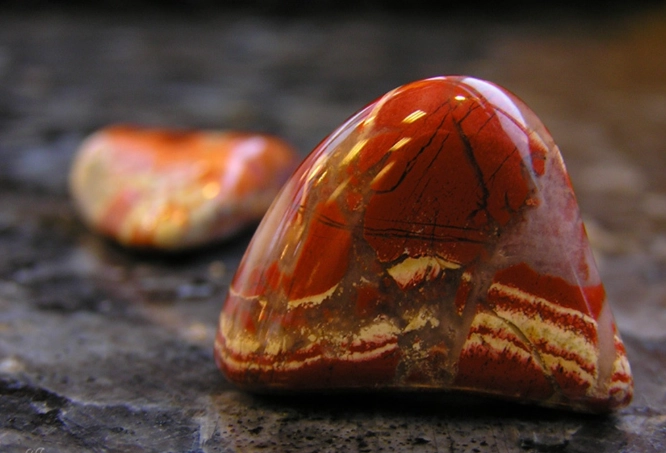
Answering Your Burning Questions (FAQ)
My Final Thoughts: Why Jasper Endures
After all this, why does jasper stone continue to captivate us? I think it's because it's accessible yet mysterious, common yet endlessly varied. It’s a stone that feels connected to the earth itself—literally a piece of the landscape. You don't need to spend a fortune to get a beautiful piece, and its toughness means you can actually handle and use it without too much worry.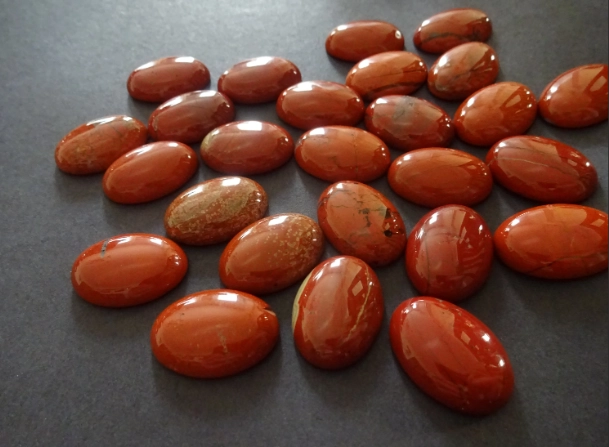
Is every piece a masterpiece? No. I've seen plenty of dull, muddy-looking jasper that doesn't do much for me. And the metaphysical claims? Take them with a grain of salt and enjoy them as part of the rich folklore that surrounds these ancient stones.
But at its best, a piece of jasper is a snapshot of geological history, a burst of natural color, and a tactile pleasure. Whether you're a collector, a jewelry maker, someone on a spiritual path, or just a person who appreciates the weird and wonderful things our planet cooks up, there's likely a type of jasper out there that will stop you in your tracks and make you think, "Wow, nature made that?"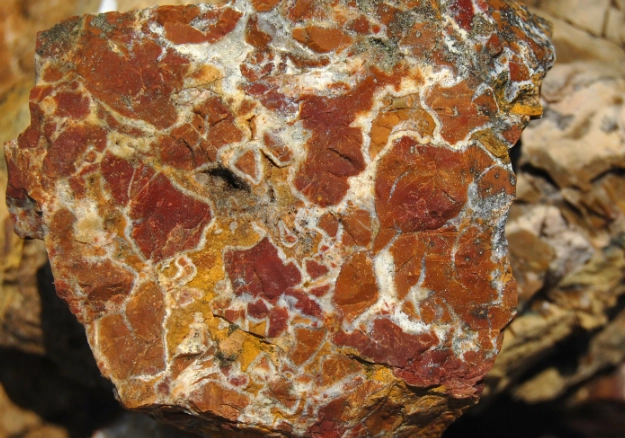
And really, that sense of wonder is the best thing any stone can offer.
Related Articles
Ultimate Guide: What Not to Do with Selenite Crystals (Protect Your Stone)
This technology used by Apple's chip has great potential!
Unlock the Power of Clear Quartz: The Ultimate Guide to Properties & Uses
Rose Quartz Metaphysical Guide: Healing, Uses & How to Cleanse
White Obsidian Stone Meaning: Healing Properties, Uses & How to Spot Fakes