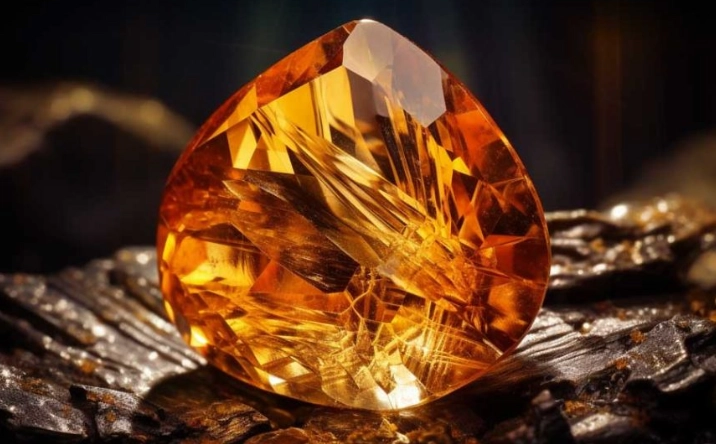
You're browsing an online crystal shop or a local metaphysical store, and you see it—a stunning piece of blue kyanite. The color is mesmerizing, a deep, silky blue that seems to hold light within. Then you check the price tag. Your eyes widen. A small, raw piece can cost as much as a nice dinner out, and a large, polished wand or sphere? That can run into hundreds, even thousands of dollars. It hits you: why is blue kyanite so expensive? Is it just hype, or is there something more to it?
As someone who's been collecting and studying minerals for over a decade, I can tell you it's not just hype. The price of high-quality blue kyanite is a direct reflection of a perfect storm of geology, economics, and human desire. Forget the generic answers you might find elsewhere. Let's dig into the real, often overlooked reasons that make this crystal a significant investment.
What's Inside This Guide
- Geology First: It's Genuinely Rare & Hard to Get
- Not All Blue is Equal: The Four Pillars of Quality
- The Metaphysical Premium: Why People Are Willing to Pay
- The Crucial Test: Is Your Expensive Blue Kyanite Even Real?
- Smart Buying Guide: Getting Value for Your Money
- Your Blue Kyanite Questions, Answered
Geology First: It's Genuinely Rare & Hard to Get
This is the foundation. Blue kyanite isn't sitting in a mine somewhere just waiting to be shoveled out. Its formation is picky. It needs specific conditions of high pressure and relatively low temperature, typically found in metamorphic rocks like schist and gneiss. Even then, the presence of the right trace elements (like chromium or iron in just the right amounts) to create that signature blue is a geological lottery.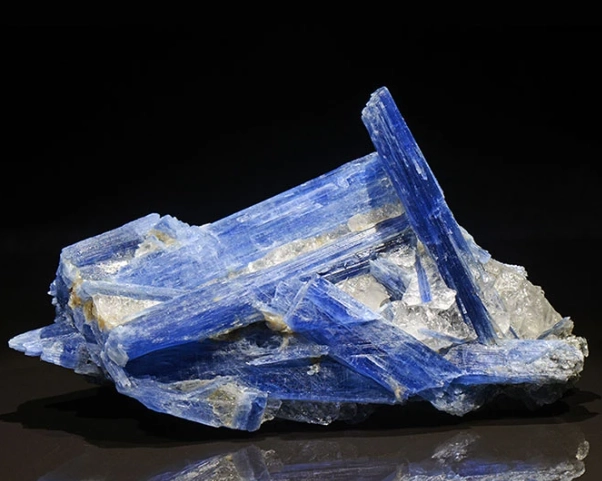
Major commercial deposits are limited. Nepal, Brazil, the United States (primarily in North Carolina and Georgia), Switzerland, Kenya, and Tanzania are the key sources. The material from Nepal, often called "Nepalese Blue Kyanite," is particularly prized for its intense, cornflower blue color and often forms in striking, bladed clusters. Brazilian material can be darker. Each locale has its own character and challenges.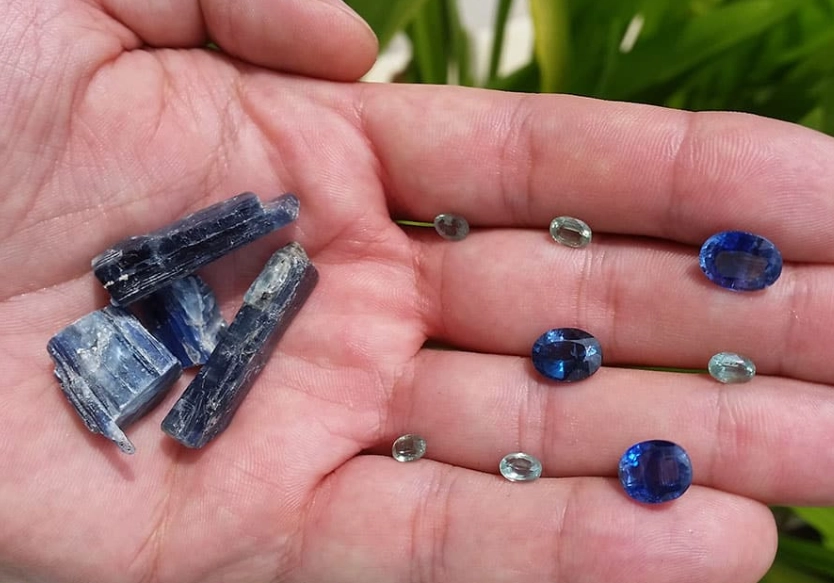
The Mining Hurdle: It's Not a Gentle Process
Here's a detail most articles skip: kyanite crystals are often long, bladed, and fragile. They can be intergrown with other tough minerals like quartz. Mining requires careful extraction to avoid shattering these delicate blades into worthless fragments. This often means more hand-work, less heavy machinery, which drives up labor costs immediately.
I remember talking to a small-scale miner from Brazil who described the process. "You see the blue in the rock," he said, "and your heart jumps. Then the real work begins. One wrong hit with the hammer, and a perfect blade is just glitter on the ground." That risk of loss is factored into the price before the crystal even leaves the mine.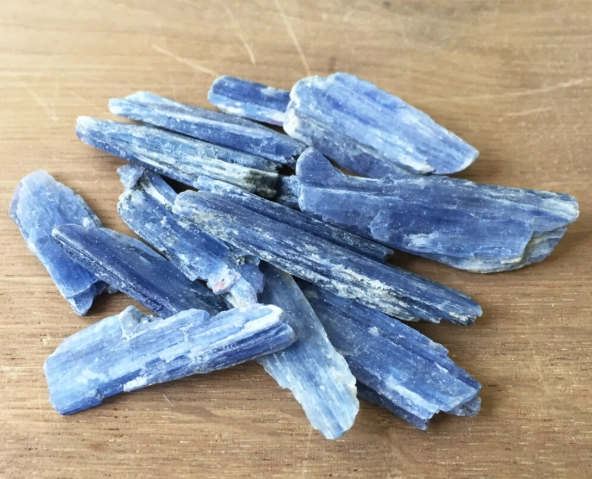
Not All Blue is Equal: The Four Pillars of Quality
Once extracted, blue kyanite is ruthlessly graded. The price difference between a top-tier piece and a low-grade one is astronomical. It boils down to four factors you need to know.
| Quality Factor | What to Look For (High Value) | What Lowers Value | Impact on Price |
|---|---|---|---|
| Color | Vivid, saturated medium to cornflower blue. Even color distribution. | Pale, washed-out blue. Grayish or greenish tones. Uneven, patchy color. | Extreme. Color is the #1 driver of value. |
| Clarity & Transparency | Transparent to translucent with minimal inclusions. "Clean" blades. | Opaque, heavily included, cloudy material. Visible fractures or cracks. | Very High. Gems are valued for their clarity. |
| Crystal Form | Well-defined, undamaged bladed crystals. Radiating clusters or single, terminated points. | Broken fragments, shattered pieces, no defined shape. | High. Form showcases its natural beauty. |
| Size | Large, intact blades or clusters (over 2-3 inches). Spheres or carvings from solid material. | Small chips, tumbled stones (often from fragments). | Significant. Large, flawless pieces are rare. |
A common mistake beginners make is buying based on size alone. A massive, opaque, pale blue chunk may be cheaper than a small, transparent, deep blue blade. For many collectors and practitioners, the smaller, higher-quality piece is infinitely more valuable.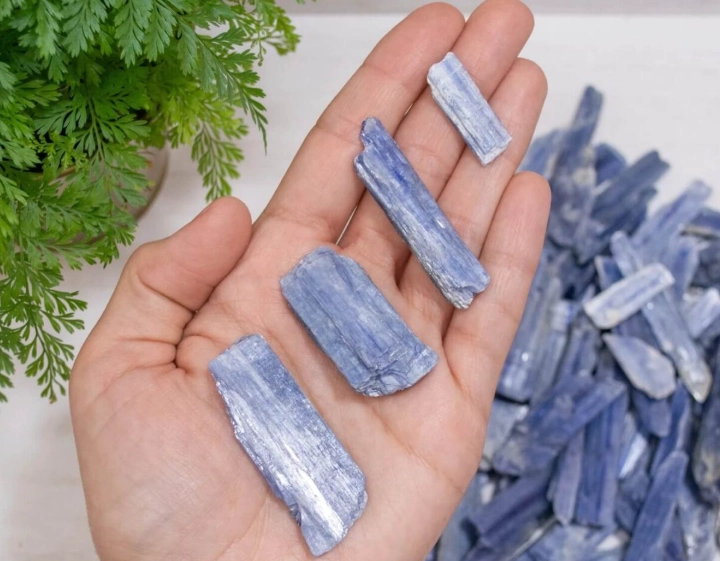
The Metaphysical Premium: Why People Are Willing to Pay
We can't talk about the price of blue kyanite without addressing the elephant in the room: its reputation in crystal healing and spirituality. This isn't about debating beliefs—it's about understanding market forces.
Blue kyanite is often called a "self-cleaning" stone that doesn't retain negative energy, a powerful tool for communication, meditation, and aligning chakras. Whether you subscribe to these ideas or not, the demand they create is very real. This metaphysical value adds a substantial premium, similar to how a diamond's price isn't just about its carbon structure but its symbolic value.
This demand has a flip side: it fuels a market for fakes and treatments. Which leads us to the most critical section for any buyer.
The Crucial Test: Is Your Expensive Blue Kyanite Even Real?
Here's the hard truth from years in the trade: a significant amount of what's sold as blue kyanite, especially online, is something else. Paying a high price for a fake is the ultimate loss. Let's break down the common imposters.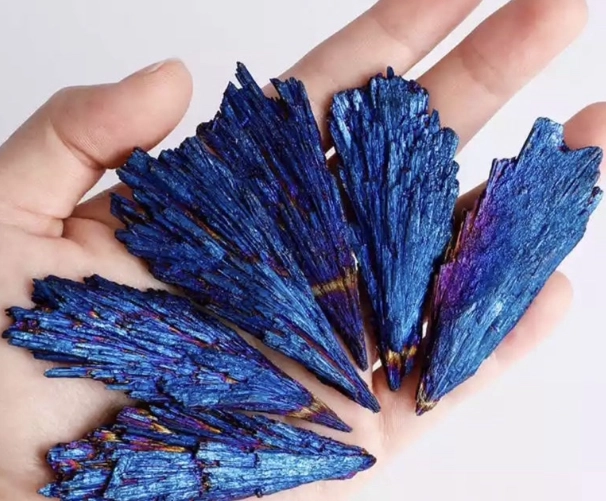
Synthetic Corundum (Sapphire): This is the big one. Lab-created blue sapphire can look very similar and is often sold as "blue kyanite" at a markup because real kyanite is cheaper than real sapphire, but more expensive than synthetic sapphire. The giveaway? Hardness. Kyanite's variable hardness (4.5-7 on the Mohs scale) means it can be scratched by a steel nail (hardness ~5.5) in one direction. Sapphire is a 9 and won't scratch. A simple, careful scratch test in an inconspicuous spot can save you.
Dyed Howlite or Quartz: Porous white stones dyed blue. The color often looks unnatural, concentrated in cracks, and can rub off with acetone.
Glass: It may have bubbles, conchoidal fractures (shell-like breaks), and feels warmer to the touch than crystal, which is a better thermal insulator.
My non-consensus advice? Be deeply suspicious of any seller who cannot or will not tell you the country of origin for their blue kyanite. A reputable dealer knows their sources.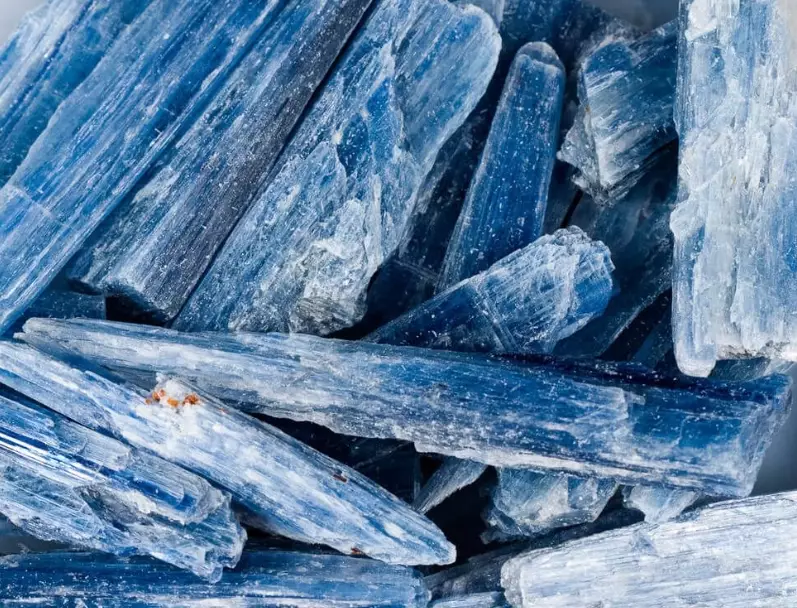
Smart Buying Guide: Getting Value for Your Money
So, you want a piece of real, quality blue kyanite without being ripped off. Here's your action plan.
- Prioritize Color and Clarity Over Size: A stunning, clear, blue thumbnail specimen is a better investment than a fist-sized, cloudy gray-blue rock.
- Ask for Origin: "Nepalese" or "Brazilian" are good signs of a knowledgeable seller.
- Buy from Specialists: Purchase from established mineral dealers or metaphysical shops with a solid reputation, not random e-commerce platforms flooded with mass-produced goods.
- Understand the Price Range: As a rough 2024 guide, expect to pay $20-$80 for a good small specimen or tumbles, $100-$500 for a fine medium-sized cluster or carved piece, and $500+ for large, museum-quality display pieces.
- View it as a Long-Term Object: Whether for spiritual practice or mineral collection, buy it because you connect with it, not as a quick financial investment. The crystal market can be speculative.
Your Blue Kyanite Questions, Answered
I see huge "blue kyanite" towers for cheap online. Are they a good deal?
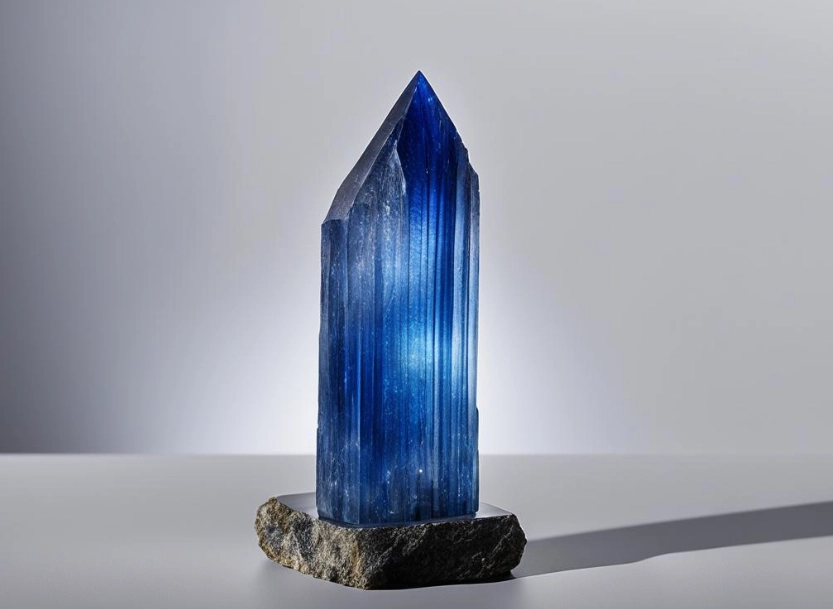
Almost certainly not. Large, perfectly clear, deep blue towers at a low price are almost guaranteed to be synthetic sapphire or glass. Real kyanite of that size and quality is exceptionally rare and would command a premium price. The low cost is the first red flag.
Is darker blue kyanite more valuable than lighter blue?
Not necessarily. It's about saturation, not darkness. A vivid, medium cornflower blue is often the most desired and valuable. A very dark, inky blue that looks almost black in some light can be less sought-after, while a pale, washed-out blue is definitely on the lower end of the value scale. Think "richness" of color.
How much should I realistically spend on my first piece of blue kyanite?
If you're new to this, set a budget of $30 to $75. In this range, you can find a genuine, attractive small specimen, a polished palm stone, or a set of tumbles from a reputable dealer. This lets you experience the real mineral's energy (if that's your interest) and beauty without a major financial commitment. Use it to learn how it feels and looks, so you can spot quality later.
Can blue kyanite's "healing properties" justify its high price?
This is entirely subjective. From a purely mineralogical standpoint, no. But from a market standpoint, absolutely. If a crystal provides significant personal value—be it a focus for meditation, a sense of calm, or a tool for intention—then its value to you may far exceed its mineralogical cost. Just ensure you're paying for genuine kyanite, not the story attached to a fake stone. The authenticity of the material is the non-negotiable foundation for any metaphysical use.
What's one subtle sign of quality that most people miss?
Look at the edges of the crystal blades. In top-quality pieces, they should be sharp and defined, not abraded or rounded (unless intentionally polished). This indicates careful handling from mine to market and a harder, more resilient crystal structure. It’s a small detail that speaks volumes about the care taken throughout the supply chain.
So, why is blue kyanite so expensive? It's a chain reaction of rarity, difficult extraction, stringent quality demands, and potent human-driven value. It's not a commodity; it's a natural work of art with geological and cultural significance. When you hold a fine piece, you're holding millions of years of Earth's history, extracted with risk and skill. That, in the end, is what you're investing in.
Related Articles

Where to Put Selenite: Best Places & Areas to Avoid
What chip is Jim Keller doing?
Black Obsidian Spiritual Meaning: A Complete Guide to Healing & Protection
Kyanite Meaning Explained: Healing, Geology & How to Use It
Crystal Sodalite Benefits: Healing, Protection & Practical Uses