Blue crystals have a pull that's hard to ignore. It's not just their color, which ranges from the pale blue of a morning sky to the deep, mysterious navy of the ocean at midnight. It's what they represent: clarity, calm, and a connection to something bigger than our daily worries. But here's the thing that trips up most beginners—and even some seasoned collectors. The world of blue crystal names can be a confusing mess. Is Lapis Lazuli the same as Lazulite? Why does one seller call a stone "Blue Apatite" and another calls it "Moroxite"? I've been collecting and working with crystals for over a decade, and I've seen the confusion firsthand. This guide cuts through the noise. We'll go beyond just a list of names. We'll link those names to what the stones actually do, how to spot a good one, and—crucially—how to avoid wasting money on mislabeled or ineffective pieces.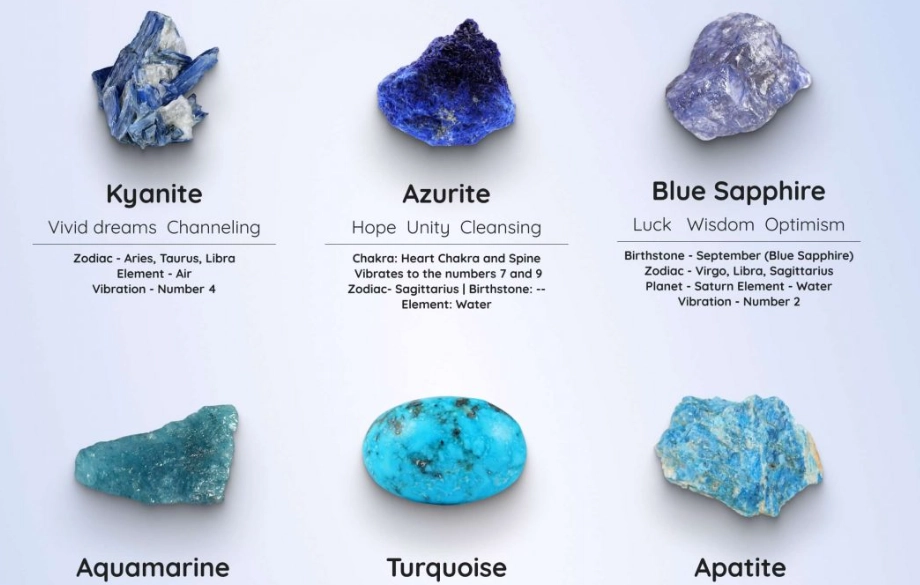
What’s Inside This Blue Crystal Guide?
Why Blue Crystal Names (and Confusion) Exist
Let's clear this up first. A crystal can have multiple names for different reasons. Sometimes it's a mineralogical name versus a trade name. "Azurite" is the proper mineral name. "Chessylite," named after a location in France (Chessy-les-Mines), refers to the same thing. More often, the confusion is between a specific mineral and a rock. Lapis Lazuli isn't a single mineral; it's a rock composed primarily of Lazurite, along with Calcite, Pyrite, and sometimes other minerals. Calling it just "Lazurite" is technically incorrect, but you'll see it.
The worst confusion happens with misleading marketing names. A very dark, almost blackish Indicolite Tourmaline might be sold as "Black Sapphire" to inflate the price, despite being a completely different mineral. My rule? If the name sounds too glamorous or vague ("Angel Blue Quartz," "Mystic Ocean Jasper"), ask for the mineralogical name. A reputable seller should know it.
The Major Blue Crystals: A Detailed Breakdown
Here’s where we get specific. Don't just memorize names. Understand what makes each stone unique, where it's from, and what it's genuinely good for. I've handled thousands of specimens, and these are the ones you'll encounter most often, ranked by their overall importance and utility in a collection.
| Crystal Name (Primary) | Key Mineral/Composition | Typical Blue Shade & Look | Core Associations & Uses |
|---|---|---|---|
| Azurite | Copper Carbonate Hydroxide | Deep azure to midnight blue, often in velvety masses or with Malachite. | Intuition, insight, psychic ability. The "stone of heaven." Used for deep meditation and breaking mental patterns. |
| Lapis Lazuli | Rock (Lazurite, Calcite, Pyrite) | Royal blue with white Calcite veins and golden Pyrite flecks. | Truth, wisdom, self-expression. Historically used for ultramarine pigment. Supports honest communication and leadership. |
| Sapphire (Corundum) | Aluminum Oxide (with trace elements) | Cornflower blue to deep violet-blue. Transparent and vitreous. | Wisdom, focus, spiritual clarity. A classic stone for mental clarity and accessing higher knowledge. Not just for jewelry. |
| Amazonite | Microcline Feldspar | Turquoise-green to light blue-green, often with a white streaking. | Calm communication, harmony. The "hope stone." Excellent for soothing frayed nerves and facilitating "peace talks" in relationships. |
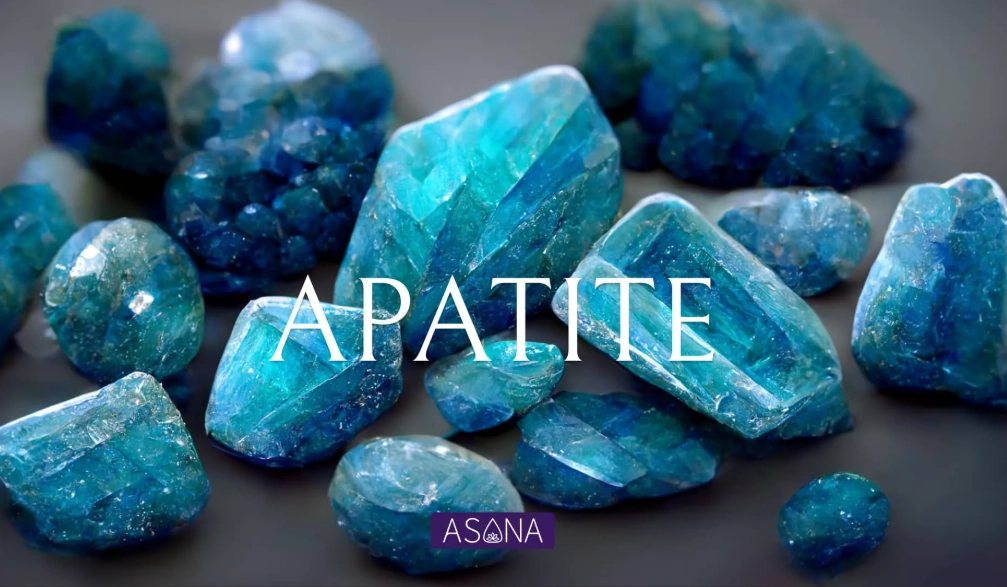
| Blue Apatite | Calcium Phosphate | Teal blue to sea-green, sometimes translucent. Can be fibrous. | Motivation, manifestation, appetite suppression. A stone of personal will. Helps turn ideas into action and curb mindless habits. |
| Blue Lace Agate | Banded Chalcedony (Quartz) | Very pale blue and white in delicate, lace-like bands. | Gentle communication, peace. The ultimate "throat chakra" stone for those who struggle to speak up calmly or fear public speaking. |
| Kyanite (Blue) | Aluminum Silicate | Blade-like crystals in shades of blue, often with white streaks. | Alignment, channeling, dream recall. Unique because it's believed to never retain negative energy, so it rarely needs cleansing. |
The table gives you the quick reference, but the real knowledge is in the details. Take Azurite. That stunning deep blue comes from copper. Major sources include Namibia, Morocco, and the Southwestern United States. A high-quality piece feels dense and has an almost luminous color. It's soft (3.5-4 on the Mohs scale), so you'll never see it as a durable ring stone—it would scratch immediately. It's a collector's piece, a meditation aid. I keep a small, raw Azurite-Malachite combo on my desk not for looks, but because its energy helps me see through complex problems. When I'm stuck on a writing project, holding it for a minute often shifts my perspective.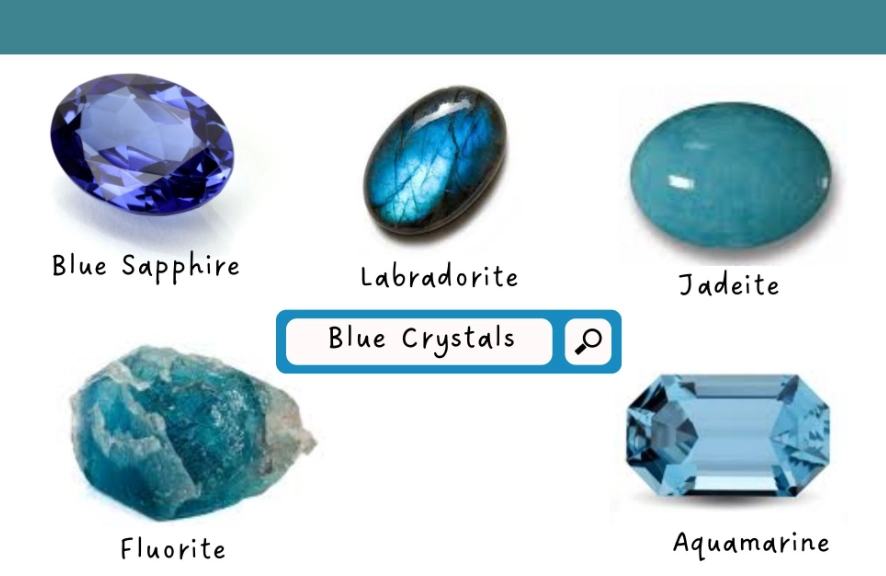
Compare that to Blue Lace Agate. It's a form of quartz (Chalcedony), much harder (6.5-7), and commonly found in Africa and South America. Its energy is the opposite of Azurite's intensity. It's diffuse, cooling, and gentle. I recommended it to a client who had to have a difficult conversation with a family member. She held it during the talk and reported feeling able to stay calm and articulate without getting defensive—a win she attributed directly to the stone's supportive vibe.
Then there's Kyanite. Its blade-like structure is a dead giveaway. It's not about absorbing anything; it's about aligning and directing energy. I use a wand of Blue Kyanite to "sweep" my aura if I feel energetically scattered after a busy day. A little-known fact from mineralogical studies, like those referenced by the International Mineralogical Association, is that its color varies with the amount of iron and titanium impurities. The deeper the blue, the more iron present.
How to Choose Your Blue Crystal: A Practical Framework
You don't need all of them. In fact, buying them all at once is a recipe for overwhelm. Here's my three-step method, developed after watching hundreds of clients make choices.
Step 1: Identify Your Primary Intent
Be brutally honest. Are you seeking mental clarity (Sapphire, Azurite), calm communication (Blue Lace Agate, Amazonite), or emotional soothing (Blue Calcite, Celestite)? Your intent is your compass. Wanting a stone "because it's pretty" is fine for decor, but if you want it to function, you need a purpose.
Step 2: Consider Your Budget and Lifestyle
A raw, gem-quality Sapphire will cost hundreds. A tumbled Blue Lace Agate might be five dollars. A palm-sized raw Azurite specimen is a display piece; a small, tumbled Amazonite can go in your pocket all day. Think about where it will live. Will it be on your nightstand? In your office? Carried with you? Softer stones like Azurite or Celestite are terrible for a pocket with keys—they'll get destroyed.
Step 3: Trust Your Gut (But Verify)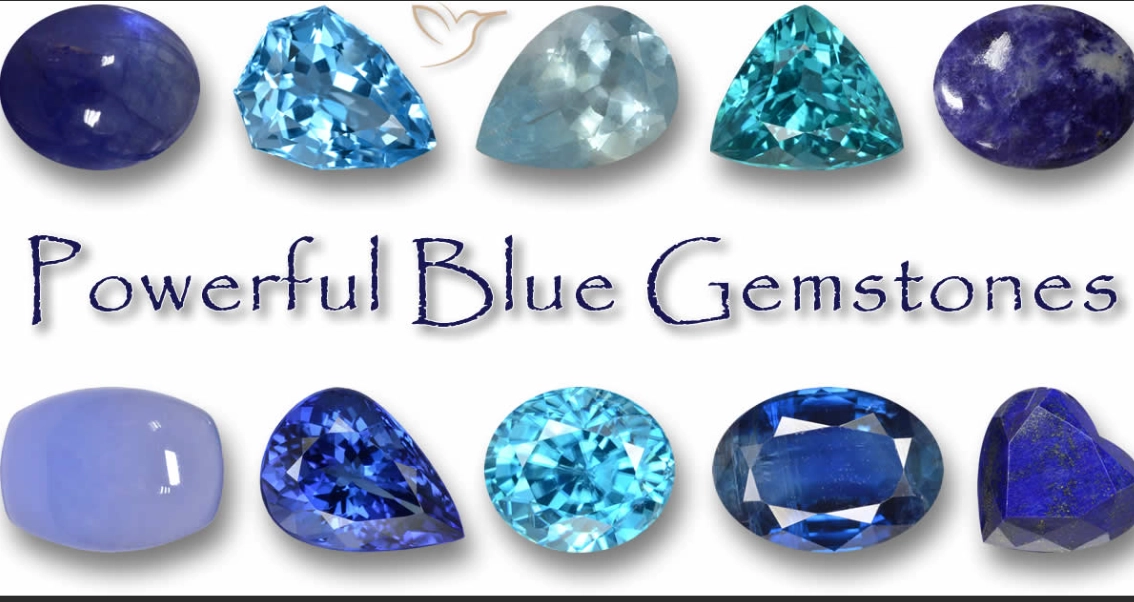
The "attraction" method—choosing the stone you're drawn to—works, but pair it with knowledge. You might be drawn to Lapis Lazuli's gold flecks. Great! Now, know that much of the lower-grade Lapis on the market is dyed Howlite or Jasper. Real Lapis will have uneven color distribution, calcite veins (white), and pyrite (gold) that looks like metallic flecks, not uniform sparkle. A quick hardness test (real Lapis is around 5-5.5, Howlite is 3.5) or checking for dye on a cotton swab with acetone can save you.
My personal go-to? For everyday carry, I almost always have a piece of Amazonite. It's durable enough, its energy is stabilizing without being overwhelming, and it helps filter out the background stress of modern life. For my meditation space, it's a specific Azurite specimen from Utah that I connected with years ago.
Using and Caring for Your Blue Crystal
Buying it is just the start. A crystal on a shelf is a paperweight. Here’s how to integrate it.
For Communication: Hold a Blue Lace Agate or Amazonite in your hand or place it at your throat before a difficult conversation. Just setting the intention is key.
For Mental Work: Place a Sapphire or Azurite on your desk or near your computer. I know a programmer who keeps a small Kyanite blade by his monitor to maintain focus during long coding sessions.
For Sleep and Calm: Put a piece of Celestite or Blue Calcite on your nightstand. Their energy is gentle and promoting of peace.
Cleansing and Charging: Most blue crystals are safe with moonlight, sound (singing bowl), or smudging. Critical exception: Never put Azurite, Celestite, or any copper-based or water-soluble mineral in water or salt. It will damage or dissolve them. For these, use dry methods like sound or placing them on a bed of cleansing crystals like Selenite.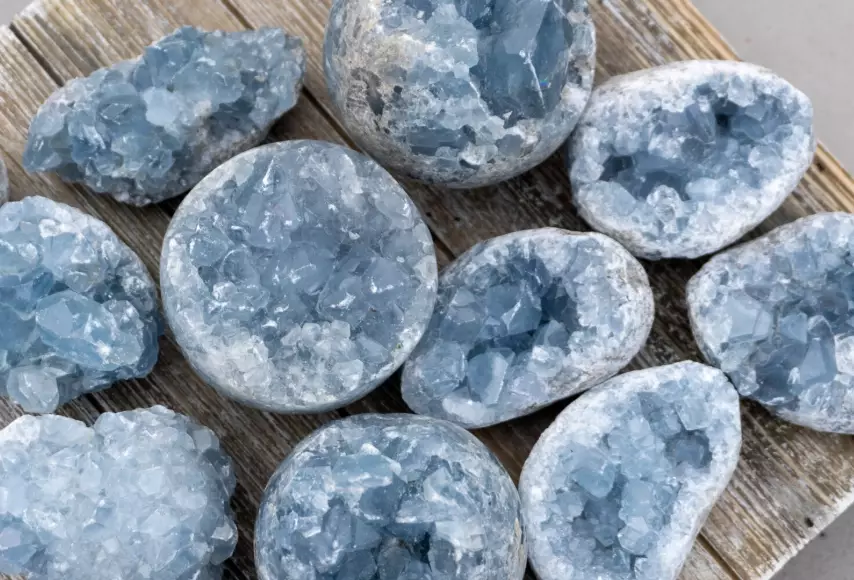
Your Blue Crystal Questions Answered
 Can I wear multiple blue crystals together, like a Lapis necklace and an Amazonite ring?
The journey with blue crystals is deeply personal. Their names are just the entry point—a label for a unique combination of geology, color, and energetic potential. Start with one that calls to you, learn its real story, and use it with clear intent. You might be surprised at how a small piece of the earth's blue palette can bring a new shade of clarity to your life.
Related Articles
Green Jasper Meaning: The Heart Chakra Stone for Growth & Grounding
Jasper Stones Guide: Types, Healing Properties, and Practical Uses
What Is the Rarest Color of Jade? The Truth About Imperial Green
Green Moss Agate Rarity: A Complete Guide to Its Scarcity & Value
Obsidian Stone Benefits: Spiritual Protection, Healing & Practical Uses