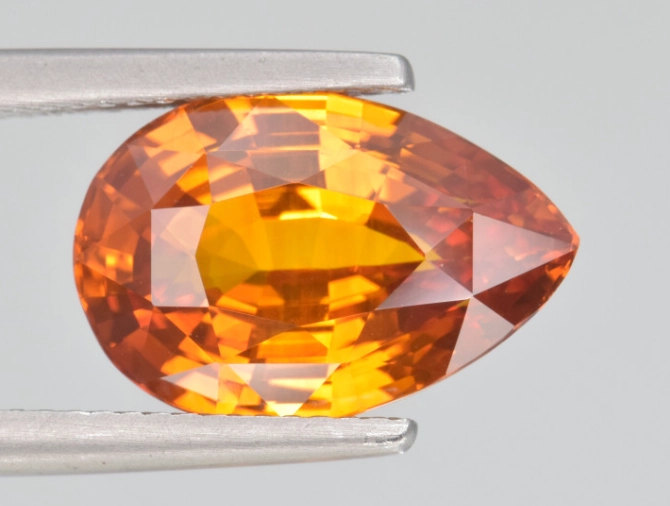
Let's cut straight to the point. Spessartite garnet is that stunning orange gem you've probably seen and wondered, "Is that a fancy orange sapphire? A padparadscha?" Nope. It's a member of the garnet family, and frankly, it's one of the most underrated and vibrant stones out there. Forget the deep red garnets of January birthdays for a moment. This variety, often nicknamed "Fanta Stone" for its soda-pop orange hue, packs a unique punch of color, energy, and geological story. I've been collecting and studying colored gemstones for over a decade, and the common mistake I see is people treating all garnets the same. That's like saying all apples taste identical. Spessartite stands apart, and understanding why is key to appreciating—or buying—one.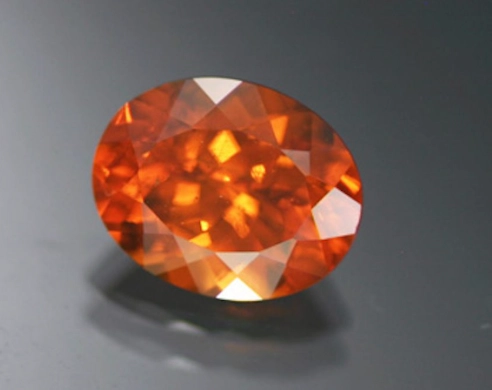
What's Inside?
What Exactly is Spessartite Garnet?
At its core, spessartite is a manganese-aluminum silicate. The manganese is what gives it that signature orange glow, ranging from a yellowish-orange to a deep, fiery reddish-orange. It was first identified in the Spessart district of Germany (hence the name), but the really good stuff, the eye-clean, vibrant material, comes from elsewhere.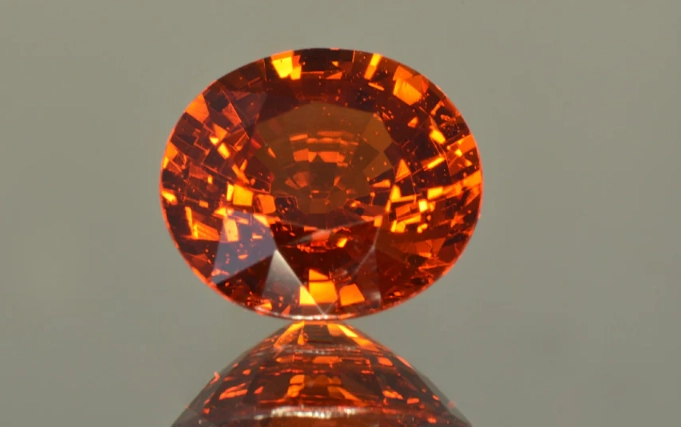
Most of the spessartite garnets on the market today that make you say "wow" hail from a few key places:
- Namibia: The classic source. Think of a pure, vibrant mandarin orange. This is what set the standard.
- Nigeria: Often produces slightly larger stones with a rich, reddish-orange color, sometimes with a brownish tint.
- Mozambique: A more recent source yielding beautiful orange-red stones that can rival the best.
Here's a nugget of non-consensus insight from years of handling these stones: the most coveted "pure orange" from Namibia is stunning, but don't automatically dismiss stones with a slight reddish or brownish secondary tone. In certain lights, they can display a more complex, sunset-like warmth that pure orange lacks. It's a matter of personal taste, not just a hierarchy of value.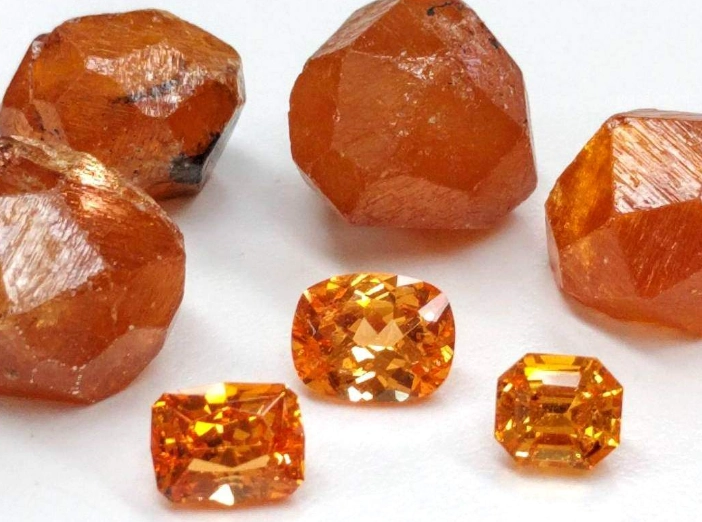
The Science Behind the Beauty: Key Properties
Knowing these specs isn't just geeky trivia; it tells you how the stone will perform in daily wear and what makes it special.
| Property | Details for Spessartite Garnet | What It Means for You |
|---|---|---|
| Hardness (Mohs Scale) | 7 - 7.5 | Durable for rings, but avoid harsh impacts. Safer than opal, tougher than emerald. |
| Refractive Index | 1.79 - 1.81 | High brilliance and sparkle. It has a "wet" look that competes with many premium gems. |
| Density/Specific Gravity | 4.12 - 4.20 | It feels heavier than a similarly sized quartz or topaz. A good heft in hand. |
| Crystal System | Cubic | No cleavage planes, so it's less prone to splitting from a sharp knock (a big plus). |
The brilliance is what often surprises people. It's not a sleepy stone. A well-cut spessartite throws off flashes of light that can rival a sapphire. The cut is crucial here. Because it's not as expensive as a ruby, cutters often try to save weight from the rough, leading to shallow or windowed stones that look dead in the center. Always ask for a video of the stone rotating in light before buying online.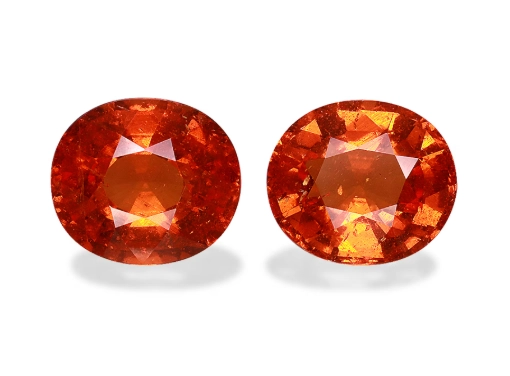
Beyond Geology: Meaning & Metaphysical Properties
In the world of crystal healing and metaphysics, spessartite garnet is like a shot of creative espresso. It's not a gentle, calming stone. It's associated with the sacral and solar plexus chakras, linked to vitality, creativity, and personal power.
People turn to it for:
- Igniting motivation and overcoming creative blocks.
- Boosting confidence and a sense of joyful abundance.
- Stimulating sexual energy and passion.
My practical take, after seeing hundreds of clients and collectors: the stone's real "magic" might be in its sheer visual impact. That burst of orange is inherently energizing and mood-lifting. Wearing it can simply make you feel more vibrant and engaged with the world—a self-fulfilling prophecy of sorts. A common misconception is that you need to do elaborate rituals. Sometimes, just having it on your desk where you can see it is enough to shift your mindset.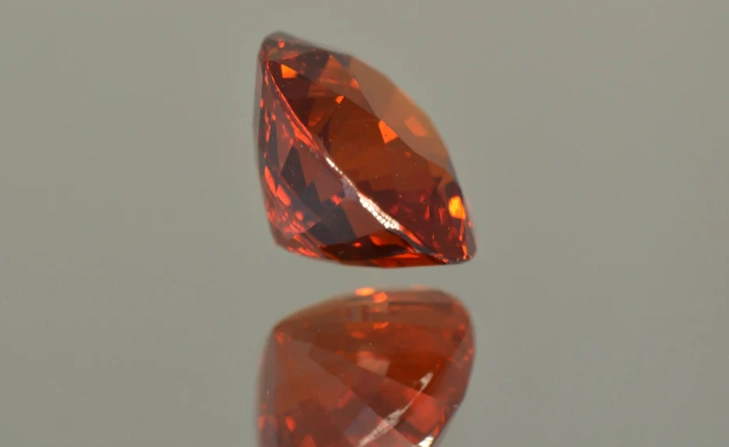
Personal Note: I keep a small, rough spessartite from Nigeria on my writing desk. On days when the words won't flow, fiddling with its unique, lumpy texture and watching it catch the light often helps break the mental logjam more effectively than any forced meditation. It's a tactile, visual prompt, not a mystical wand.
How to Spot a Real Spessartite (And Avoid Fakes)
This is where experience pays off. Spessartite isn't as heavily faked as, say, rubies, but imitations exist. You might encounter glass, synthetic garnet, or even other natural stones like hessonite garnet or orange zircon being misrepresented.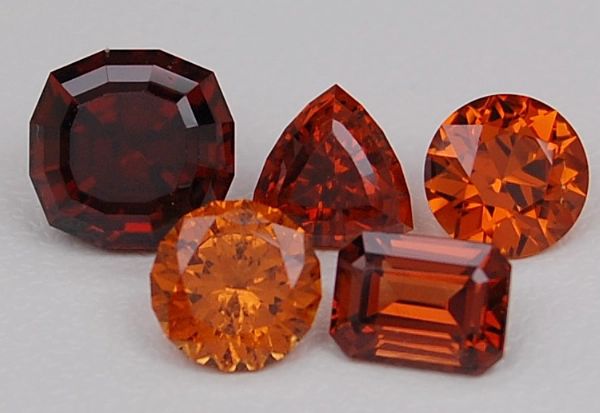
Three Simple At-Home Tests (And One You Can't Do)
1. The Heft Test: Pick it up. Garnets are dense. A spessartite will feel noticeably heavier than a similarly sized piece of glass or quartz. If it feels suspiciously light, be wary.
2. The Sparkle & Inclusions Check: Under a good light (or a jeweler's loupe if you have one), look at the brilliance. Glass has a lower refractive index, so it looks glassy and flat. A real spessartite has a fiery, sharp sparkle. Also, look for natural inclusions. Flawless, cheap "spessartite" is almost always glass. Real stones often have tiny crystals, fingerprints, or veils inside. The American Gemological Institute (GIA) website has excellent inclusion galleries for comparison.
3. The Color Consistency Test: Rotate the stone. Glass and some synthetics have a uniform, flat color. Natural spessartite often shows subtle color zoning—slightly lighter or darker patches as you turn it. This is a sign of authenticity, not a flaw.
The Test You Need a Pro For: Refractive Index (RI). A gemologist can measure this in seconds with a refractometer. Spessartite's RI (1.79-1.81) is a definitive fingerprint. If you're spending serious money, a lab report from GIA or AGL is your best insurance.
Buying & Using Your Stone: A Practical Guide
So you want to buy one. Let's talk specifics.
Price Range: This isn't a uniform market. A 1-carat, well-cut, eye-clean stone in a vivid orange can range from $150 to $600 per carat, depending heavily on origin and saturation. Nigerian material is often more affordable than Namibian. A stone with visible inclusions or a poor cut can be under $100/carat. For a first-time buyer, I'd suggest focusing on cut and color over absolute size. A stunning 0.75-carat stone is better than a dull 2-carat one.
Where to Buy:
- Reputable Online Dealers: Look for sellers who provide high-resolution videos (not just static photos), disclose treatments (spessartite is rarely treated, which is a plus), and have clear return policies. Established platforms that specialize in colored stones are a good start.
- Gem & Mineral Shows: Nothing beats seeing stones in person. You can compare color, cut, and price across dozens of vendors. Tucson and Denver shows are major events.
- Local Jewelers: If they specialize in colored gems, they can source one for you. You'll pay a premium for their service, but you get expert guidance and after-sale care.
Care & Wearing: With a hardness of 7-7.5, it's fine for daily wear in rings, but be sensible. Don't garden or lift weights with it. Clean it with warm, soapy water and a soft brush. Ultrasonic cleaners are usually safe but avoid them if the stone has significant fractures. Steam cleaners are a no-go.
Your Spessartite Questions, Answered
Related Articles

Patents, the battleground that semiconductor manufacturers must fight for.

Selenite Symbolism: Spiritual Meanings & How to Use This Crystal
Kunzite Stone: Benefits, Uses & Healing Properties Guide
Jade Uses: What Is Jade Best For in Healing, Jewelry & More?
What is an Orange Sapphire Called? Padparadscha & Orange Sapphire Guide