Let's talk about lavender jade. You've probably seen it—a soft, milky stone with gentle purple and lavender hues. It's not as flashy as an amethyst geode, but it has a quiet, steady presence that draws people in. Maybe you're curious about its meaning, or you've heard it's good for anxiety and want to know if that's true. Perhaps you're thinking of buying a piece but aren't sure how to tell if it's real. I get it. I was in the same spot years ago before I started working with crystals professionally.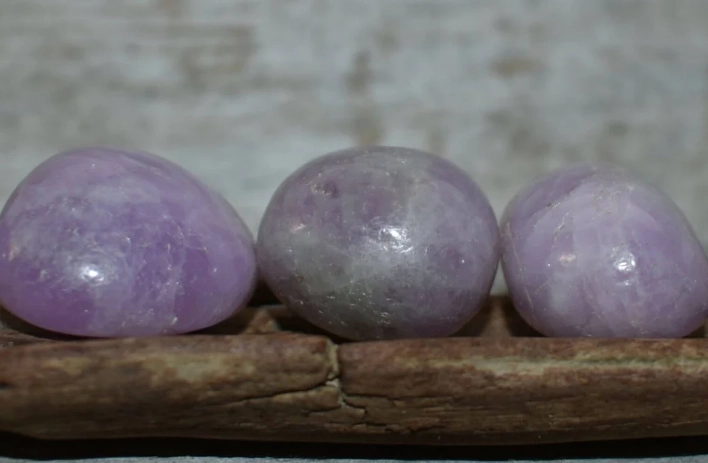
Here's the thing most generic guides miss: lavender jade isn't just a "pretty purple rock." Its power lies in its subtlety and depth. It's a stone of gentle, persistent transformation, not quick fixes. If you're looking for a crystal to scream positive affirmations at you, this isn't it. But if you want a companion that whispers calm into your chaos over time, you've found it.
What's Inside?
What Exactly is Lavender Jade?
First, let's clear up a common point of confusion. "Jade" typically refers to two different minerals: nephrite and jadeite. Lavender jade is almost always a variety of jadeite. The color comes from trace amounts of manganese and iron. It's not a vivid, uniform purple. Think more of a misty lavender, often with white, gray, or greenish undertones swirled in. The best pieces have a smooth, waxy luster and a certain translucency.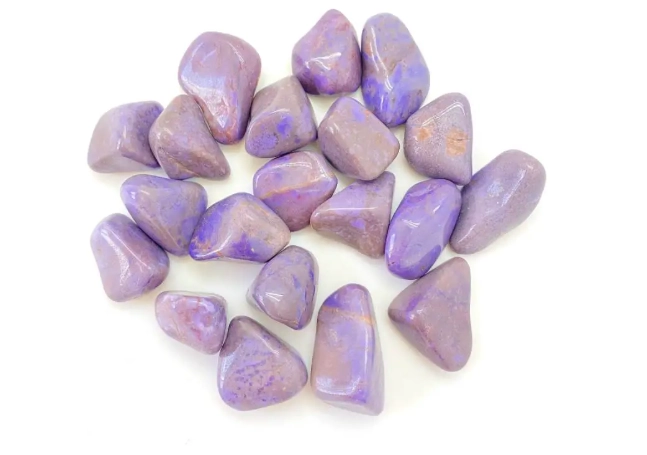
Most of the world's high-quality jadeite, including the lavender variety, comes from Myanmar (Burma). You'll also find material from Guatemala, Russia, and parts of the USA, but the Burmese material is often considered the standard for color and texture.
A Quick Mineralogy Note: Don't be fooled by "lavender jade" that's actually dyed quartz or serpentine. The price difference is huge. Genuine jadeite has a specific gravity and hardness that fakes often lack. We'll get into how to spot fakes later.
The Soothing Power: Lavender Jade Healing Properties Explained
People don't just buy lavender jade because it's pretty. They're drawn to its energy. Based on both traditional crystal healing systems and modern anecdotal experience, here’s where this stone truly shines.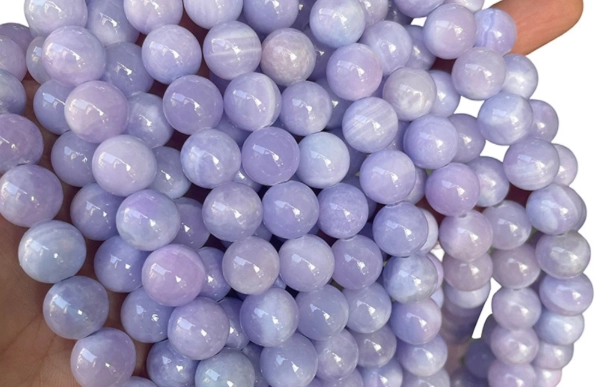
Emotional and Mental Benefits
This is its core strength. Lavender jade is like a deep, calming breath for your emotional body.
- Anxiety & Stress Relief: It doesn't magically erase stress. Instead, it promotes a sense of peaceful detachment. It helps you observe your worries without being consumed by them. I've recommended it to clients who have racing thoughts at night, and many find placing a tumbled stone by their bedside makes a noticeable difference.
- Emotional Healing: It's particularly associated with soothing grief, heartache, and emotional wounds. The energy is gentle enough to approach tender memories without reopening the wound violently.
- Patience & Acceptance: Jade has always been a stone of wisdom and longevity. The lavender variety specifically encourages patience with yourself and your life's journey. It helps quiet the inner critic.
Spiritual and Energetic Connections
It's often linked to the crown and third eye chakras, facilitating a connection to higher states of consciousness and intuition. However, its grounding quality (common to all jade) prevents this from becoming spacey or ungrounded. It's like spiritual clarity with both feet on the earth.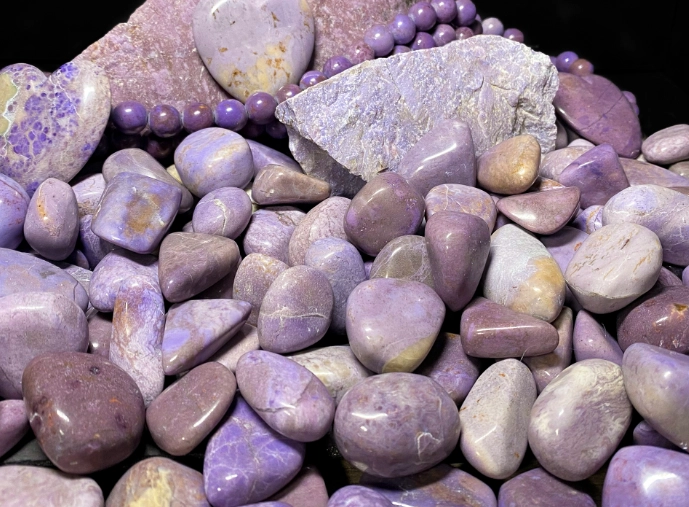
Physical Wellness Associations
In crystal healing, lavender jade is sometimes used to support the nervous system, aid in restful sleep, and promote overall cellular regeneration. Remember, this is complementary support, not a replacement for medical advice.
My Personal Take: I find its most potent effect is in transition periods. Moving jobs, ending a relationship, starting therapy—lavender jade provides a soft, supportive energy that makes navigating change feel less abrasive. It's the crystal equivalent of a weighted blanket for the soul.
How to Use Lavender Jade in Your Daily Life
Theory is great, but how do you actually work with this stone? Here are practical, effective methods.
1. Meditation and Mindfulness
Hold a palm stone or tumbled piece in your receiving hand (usually your non-dominant hand). Focus on its cool, smooth texture. Don't force any specific outcome. Just let its calming frequency sync with yours. Even five minutes can reset a frazzled nervous system.
2. Jewelry for All-Day Support
Wearing it as jewelry is incredibly effective because it keeps the energy in your personal field.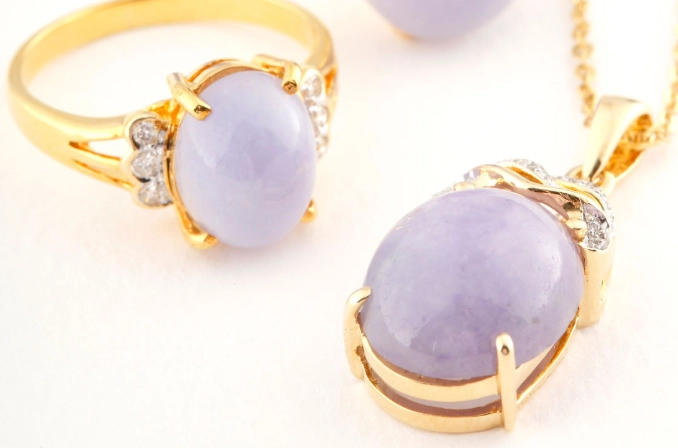
| Jewelry Type | Best For | Consideration |
|---|---|---|
| Pendant / Necklace | Heart-centered calm, soothing communication. | Keeps the energy near your heart and throat chakras. |
| Bracelet | Reminding yourself to stay present and patient throughout the day. | You'll see it on your wrist, acting as a tactile anchor. |
| Earrings | Filtering out stressful "noise" and promoting peaceful thoughts. | Close to the mind and major energy points. |
3. Home and Space Decor
Place a larger specimen or carving in areas where tension builds.
- Bedroom: On a nightstand to encourage peaceful sleep and pleasant dreams.
- Home Office: On your desk to diffuse work-related stress and foster patience during long projects.
- Living Room: As a focal point to promote harmonious interactions with family or roommates.
Buying Lavender Jade: How to Spot the Real Deal
This is where many beginners get tripped up. The market is flooded with imitations. Let's break down what to look for.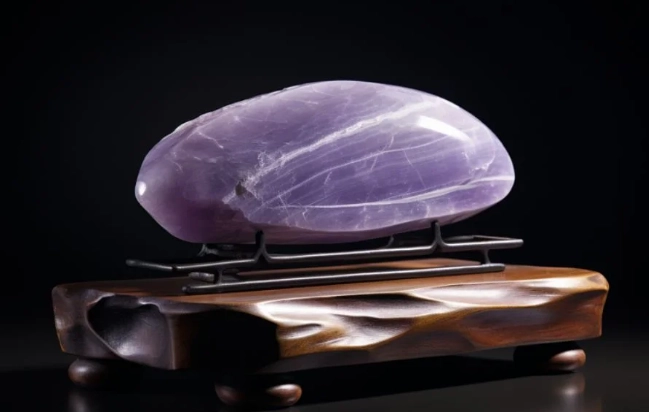
Key Characteristics of Genuine Lavender Jadeite
- Color: Natural, uneven, and often muted. It's rarely a solid, bright purple. Look for subtle gradients and inclusions.
- Texture & Temperature: Real jade feels denser and cooler to the touch than glass or plastic. It has a distinctive waxy or oily luster when polished.
- Hardness: Jadeite is quite hard (6.5-7 on the Mohs scale). It shouldn't scratch easily with a steel knife.
Common Fakes and How to Identify Them
- Dyed Quartz or Howlite: The dye often concentrates in cracks. Soak a cotton swab in acetone and rub an inconspicuous spot. If color comes off, it's dyed.
- Glass or Plastic: These feel warmer, may have bubbles inside, and are often too perfectly colored.
- Serpentine or Other Minerals: These are softer and less dense.
Where to Buy Reliable Lavender Jade
Skip the generic online marketplaces with too-good-to-be-true prices.
- Reputable Crystal Shops: Establishments with knowledgeable staff who can provide details on origin.
- Specialist Lapidary or Gem Shows: You can often examine pieces in person and talk directly to the cutter or importer.
- Trusted Online Retailers: Look for sellers who provide geological information, offer certification for higher-end pieces, and have transparent return policies. Resources like the Gemological Institute of America (GIA) website can help you understand more about jade identification.
Price Point Reality: A genuine, small tumbled stone might cost $15-$40. A good quality pendant can range from $50 to several hundred, depending on size, color saturation, and craftsmanship. Be wary of "lavender jade" being sold for a few dollars; it's almost certainly not jadeite.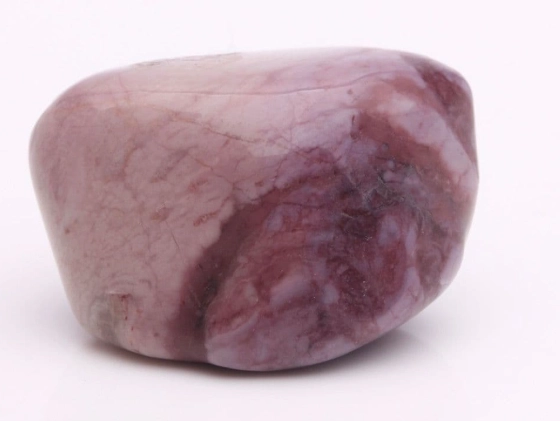
Caring for Your Lavender Jade
Jade is durable, but it's not indestructible. Proper care keeps its energy clear and its appearance beautiful.
- Cleaning: Use warm, soapy water and a soft cloth. Avoid harsh chemicals, ultrasonic cleaners, and steamers, as they can damage treatments or the stone's surface.
- Charging & Re-energizing: Place it in moonlight (full moon is great), bury it in the earth overnight, or surround it with clear quartz crystals. Sunlight can fade the color over time, so I generally avoid it.
- Storage: Wrap it in a soft cloth or keep it in a separate pouch to prevent scratches from harder gems.
Your Questions Answered
Related Articles
The Ultimate Sapphire Guide: Buying, Authenticity & Care Tips

The four giants of the wafer are all unable to withstand it!

2nm? It's not that simple!
What is the Spirituality of Citrine? A Complete Guide

Black Onyx Spiritual Meaning: A Complete Guide to Its Power & Uses