Let's cut to the chase. You're comparing white sapphire and diamond because you want something beautiful for a ring, probably an engagement ring, but you're not sold on the traditional path. Maybe the price tag of a diamond makes you wince. Perhaps you're curious about alternatives that are just as stunning. I get it. I've been a jewelry enthusiast for over a decade, and I've owned and worn both stones extensively. The choice isn't as simple as "cheap vs. expensive." It's about understanding what you're really getting for your money, day in and day out.
White sapphire is a fantastic, budget-friendly option with serious durability. Diamond is the classic, unmatched in its sparkle and prestige. But there are nuances—like how a sapphire can look a bit "flat" in certain lights, or how a poorly cut diamond can look dead—that most generic guides miss. This isn't about pushing one over the other. It's about giving you the unvarnished truth so you can pick the stone that fits your life, your budget, and your personal sparkle.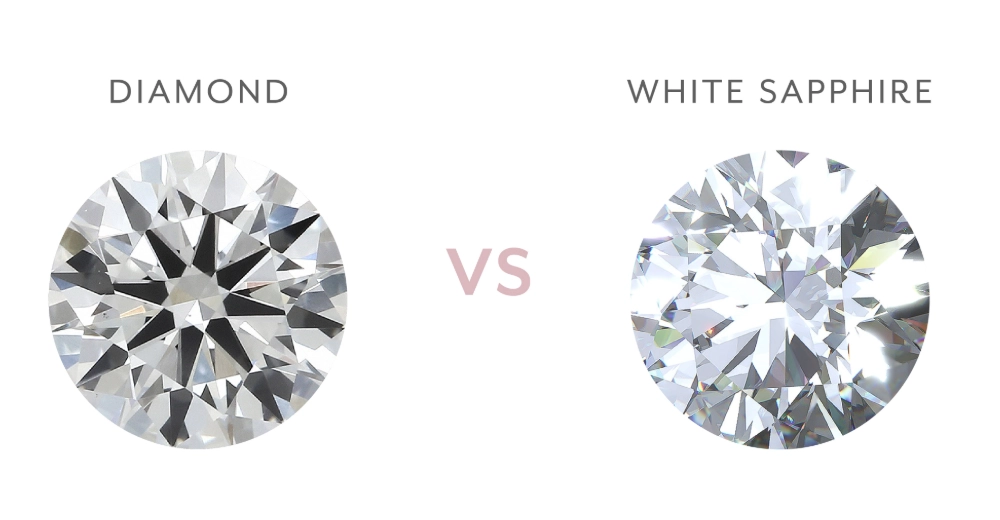
What You'll Find in This Guide
The Core Differences: A Side-by-Side Look
Forget the fluff. Here’s the raw data and what it actually means on your finger.
| Feature | White Sapphire | Diamond |
|---|---|---|
| Cost (Approx. 1 carat) | $300 - $1,500 | $2,500 - $20,000+ |
| Hardness (Mohs Scale) | 9 (Extremely durable) | 10 (The hardest) |
| Brilliance & Fire | Softer, more diffuse sparkle; can appear glassy or milky. | Intense, sharp sparkle and rainbow flashes (fire). |
| Color & Clarity | Rarely perfectly colorless; may have slight gray/blue tint. Inclusions common. | Graded D (colorless) to Z (yellow tint). Flawless stones are rare/expensive. |
| Maintenance | Needs frequent cleaning (every 2-3 weeks) as oil/dirt dulls sparkle quickly. | Stays cleaner longer, but still needs regular care. |
| Ethical Sourcing | Often lab-created, reducing mining impact. Natural sources vary. | Major concerns with conflict diamonds. Lab-grown is a transparent, ethical choice. |
A few things the table can't fully capture: The "heft". Diamonds are less dense than sapphires. A 1-carat diamond will be physically larger than a 1-carat white sapphire. This is crucial for design. Also, the "window" effect. A poorly cut white sapphire can look like a clear, dead spot in the center because light passes straight through instead of reflecting back. A good jeweler cuts them more shallowly to combat this.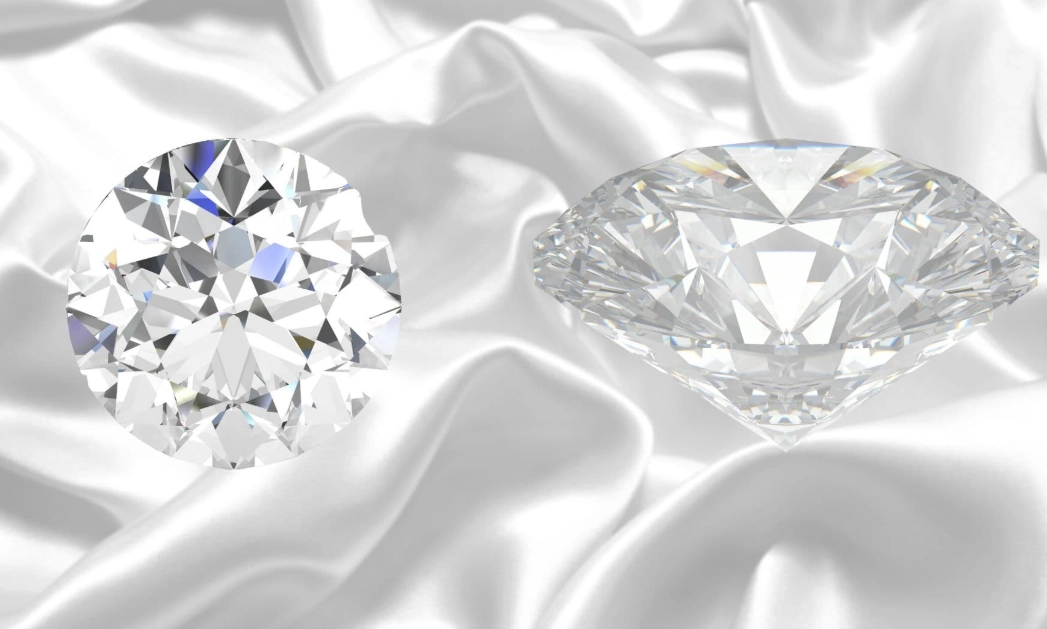
My Take: The price difference is the elephant in the room. For the cost of a modest 1-carat diamond, you could get a spectacular 3-carat white sapphire in a beautiful setting. That's not nothing. But if your heart is set on that specific, fiery diamond sparkle, no amount of sapphire will replicate it.
When a White Sapphire is Your Best Bet
Let's talk scenarios. A white sapphire isn't just a "diamond simulant." It's a legitimate, beautiful gemstone with its own personality. It shines (literally) in these situations:
- Budget is the Primary Driver: This is obvious but profound. You can allocate more of your budget to a intricate, custom-designed setting in gold or platinum, rather than the stone itself.
- You Lead an Active or Hands-On Lifestyle: With a hardness of 9 on the Mohs scale, it's nearly as scratch-resistant as a diamond. I wear my white sapphire ring gardening, typing, traveling—I never worry. For a durable daily driver, it's top-tier.
- You Prefer a Subtler, Softer Glow: Some find diamond sparkle too flashy. A white sapphire offers a elegant, moonstone-like gleam that's more discreet.
- Ethical and Environmental Concerns are Paramount: Opting for a lab-created white sapphire is one of the most eco-conscious gem choices. The process is established and has a lower environmental footprint than most mining operations.
I recommended a white sapphire to a friend who is a nurse. She needed something durable, understated for work, and didn't want a large rock that could snag gloves. She's thrilled with it.
The Downside You Need to Know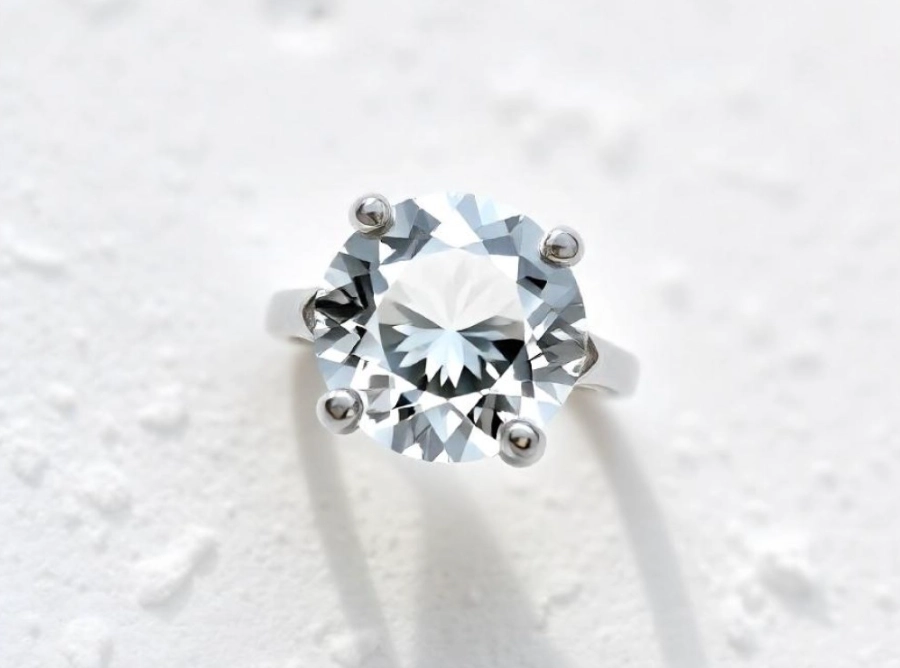
It will get dirty. Faster than you think. Skin oils, lotion, dust—they cling to the surface and turn that nice sparkle into a dull haze. You'll need to clean it with a soft brush and mild soap every few weeks. It's not hard, but it's a commitment. Also, in dim lighting (like a restaurant), it can look a bit flat or gray compared to a diamond.
When a Diamond is Worth the Investment
Diamonds have held their position for reasons beyond marketing. Here’s when paying the premium makes sense.
- The Unmatched Sparkle is Non-Negotiable: Diamond's refractive index and dispersion (its ability to split light into rainbows) are superior. In a well-cut stone, the light performance is explosive and captivating. If that specific look is what you dream of, accept no substitutes.
- Resale Value and Long-Term Perception Matter: Like it or not, diamonds have a universally recognized value. While you shouldn't view jewelry as an investment, a diamond retains more predictable value than a sapphire if you ever needed to sell or upgrade.
- You Want a Truly Colorless Stone: High-grade (D-F) diamonds offer a pure, icy whiteness that is very difficult to find in a natural white sapphire, which almost always has a faint secondary hue.
- Low-Maintenance Brilliance: While it still needs cleaning, a diamond's brilliance is harder to dull. It will look fiery for longer between cleanings.
Consider the "Four Cs" carefully, but don't get dogmatic. A VS2 clarity stone will look identical to a Flawless one to the naked eye. A G or H color diamond still faces up white in a white gold or platinum setting. Sacrificing slightly on these grades can save thousands without impacting beauty.
The Diamond Caveat
The market is flooded with poorly cut stones optimized for carat weight, not beauty. A 1-carat diamond with a bad cut will look smaller and darker than a 0.8-carat diamond with an excellent cut. Always prioritize cut grade above all else. It's the C that brings the stone to life.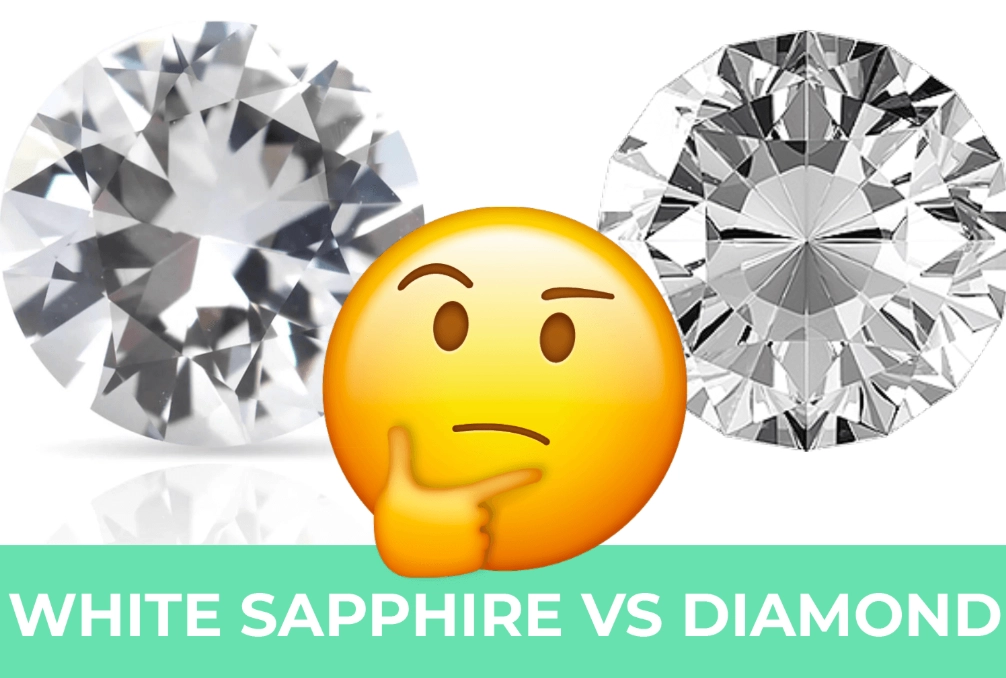
How to Clean and Care for Your Stone?
This is where ownership gets real. A stone in a store is always clean. On your hand, it's not.
For White Sapphire: Be prepared to clean it often. A quick soak in warm water with a drop of dish soap, followed by a gentle scrub with a soft baby toothbrush, works wonders. Do this every two weeks, or whenever it looks hazy. Ultrasonic cleaners are usually safe for sapphires, but check with your jeweler first.
For Diamond: The same method works, but you can probably stretch it to a monthly clean. Be cautious with ultrasonic cleaners if the diamond has significant inclusions or fractures, as the vibrations can worsen them.
For Both: Take them off when applying lotion, using harsh chemicals, or hitting the gym. Get a professional check-up and cleaning at your jeweler once a year to ensure the prongs are secure.
Where Should You Buy Your White Sapphire or Diamond?
This is critical. Your buying experience shapes everything.
For White Sapphire:
Local Independent Jewelers: Many love working with alternative stones and can source quality lab-created or natural sapphires. You can see the stone in person, which is key to checking for that grayish tint or milky appearance.
Reputable Online Specialty Retailers: Sites that focus on colored gemstones or alternative engagement rings often have great selections. Look for high-resolution videos, not just photos.
Big-Box Stores: Usually carry them, but selection might be limited and often pre-set. You might have less control over the specific stone's quality.
For Diamond:
Local Jewelers (for a Personal Touch): Ideal if you want hands-on guidance, especially with custom design. Build a relationship.
Online Giants (Blue Nile, James Allen): Unbeatable for selection and price comparison. You can view 360-degree videos of individual stones with their grading reports. This is where you can really hunt for value.
Lab-Grown Diamond Retailers: If you're considering lab-grown (and for ethics and price, you should), companies like Brilliant Earth or Vrai specialize here. The price savings versus mined diamonds are significant.
Always, always get a certificate. For a diamond, that means a report from GIA or AGS. For a valuable white sapphire, a report from a reputable lab like GIA or AGL confirms it's natural or lab-created and details its characteristics.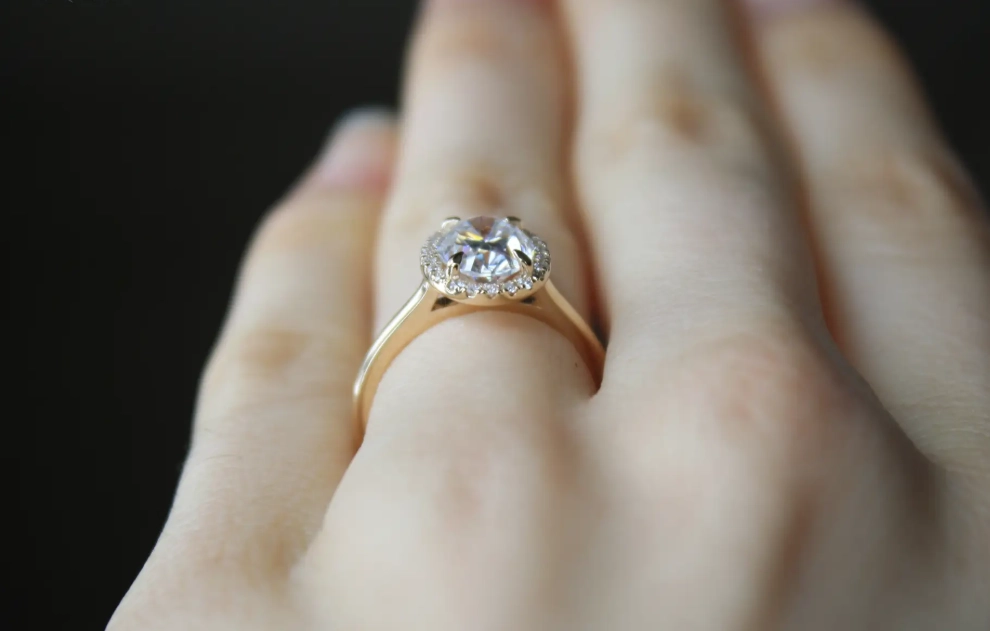
Your Questions, Answered Honestly
Does a white sapphire look "fake" compared to a diamond?
To a trained eye or a gemologist, yes, the difference in sparkle and refraction is apparent. To the average person on the street? Unlikely. Most people will just see a clear, shiny stone on your hand. The "fake" concern often comes from the stone looking dirty or too glassy. A high-quality, well-cut white sapphire set in a good ring will look intentionally beautiful, not like a cheap imitation.
I want an ethical ring but also want diamond sparkle. What's my best option?
Go for a lab-grown diamond. It has the identical chemical, physical, and optical properties as a mined diamond. It's not a simulant; it's a real diamond. The pricing is more transparent and affordable, and you completely avoid the ethical pitfalls of mining. It's the perfect middle ground for sparkle and conscience.
 My white sapphire ring gets cloudy so fast. Am I doing something wrong?
Probably not. This is the single most common complaint, and it's inherent to the material. Sapphire has a higher surface tension, so oils from your skin adhere to it more readily than to diamond. It's not a defect in your stone or your hygiene. It just needs more frequent, gentle cleaning. Think of it like a car with a light-colored interior—it shows the dirt faster but cleans up nicely.
Can you tell me the exact price difference per carat?
I wish I could give you a simple multiplier, but it's a moving target. A decent 1-carat diamond might start around $3,500. A very good 1-carat white sapphire might be $800. But a top-tier, near-colorless, eye-clean sapphire could be $1,500, while a high-color, high-clarity diamond could be $15,000. Generally, expect to pay 80-90% less for a white sapphire of similar size. The value is staggering, which is why it's such a compelling choice for budget-focused buyers.
What about moissanite? Where does that fit in?
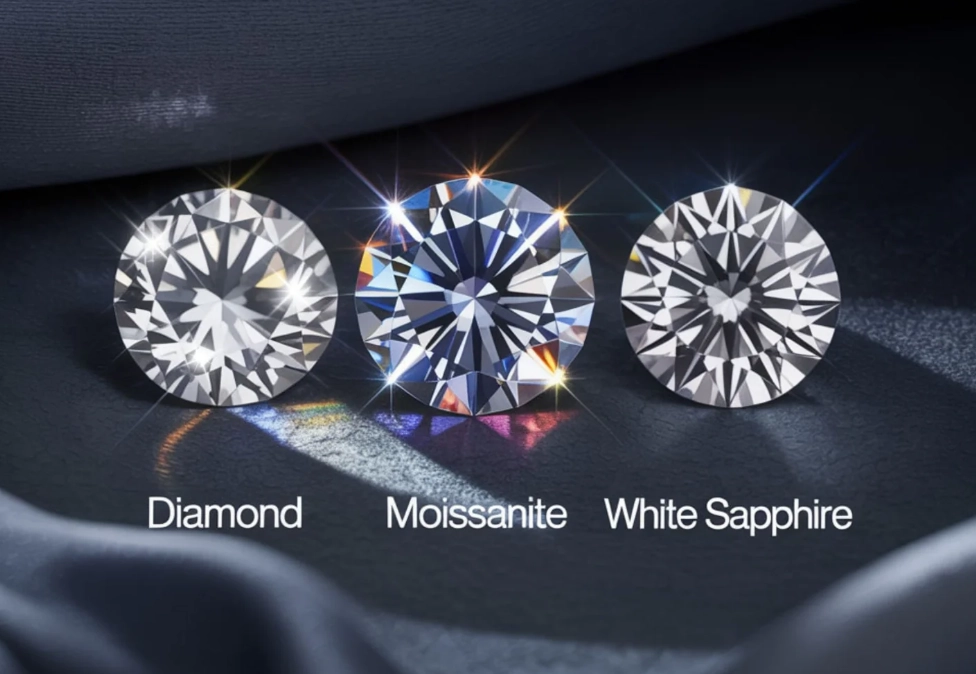
Moissanite is a whole other conversation, but since you asked: it's a lab-created gem with more fire (rainbow flashes) than a diamond, and it's harder than sapphire (9.25). It's more brilliant than white sapphire and cheaper than diamond. Some find its sparkle too colorful or "disco-ball." It's a fantastic, durable third option worth researching if you want maximum sparkle on a budget.
Related Articles
Sodalite Crystal: Ultimate Guide to Meaning, Uses & How to Spot Fakes
Green Jasper: Meanings, Uses & How to Spot Real vs Fake
Green Kyanite Crystal Meaning: Healing, Properties & How to Use Guide
Fire Agate: Meaning, Properties, and How to Use This Fiery Stone

The three giants of MCU, three choices