Explore This Guide
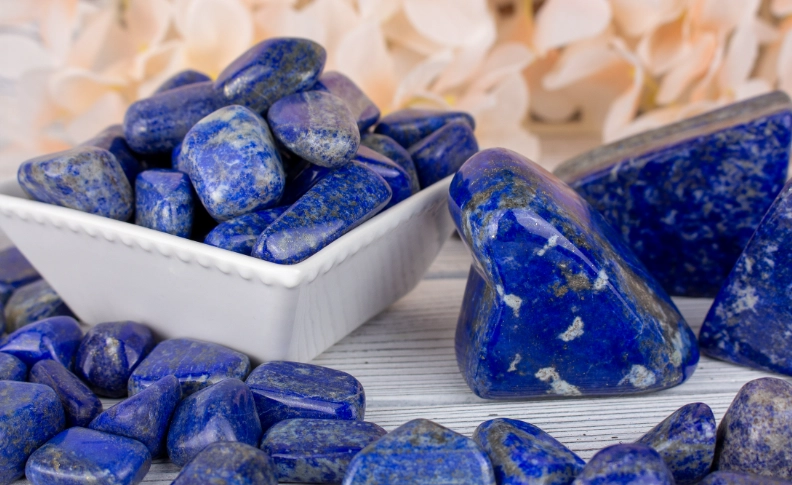
If you've found yourself holding a piece of that stunning deep blue stone with golden flecks, wondering about its spiritual job description, you're in the right place. The question "What chakra is Lapis associated with?" pops up all the time in crystal communities, and the short answer everyone gives is usually "the throat chakra." But honestly, that's only half the story. It's like saying a Swiss Army knife is only good for opening letters.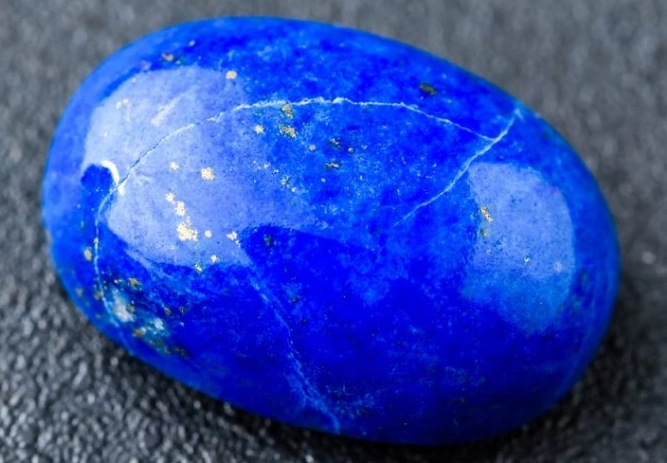
So when you ask "What chakra is Lapis associated with?", the most complete answer is: it's a dual-action stone for the throat and third eye. It bridges the gap between seeing the truth (third eye) and speaking it (throat). That's its superpower.
Why the Throat Chakra? Breaking Down the Blue Connection
Let's dive deeper into the primary link. The throat chakra, located at the base of your neck, is your center of communication, expression, and truth. When it's balanced, you speak clearly, listen actively, and express your authentic self without fear.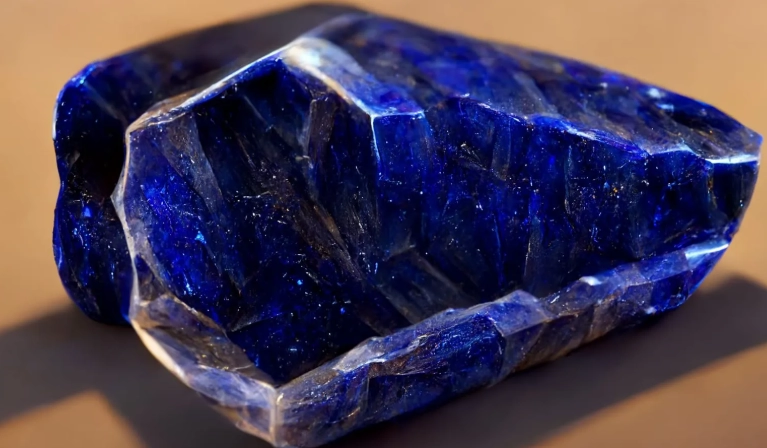
Lapis Lazuli's connection here isn't random. It's built on a few key pillars:
- The Color Blue: In color therapy and chakra systems, blue is unequivocally the color of the throat. Lapis offers one of the purest, most profound blues found in nature, from a rich royal blue to a deep violet-blue. Gazing at it literally feels like diving into a pool of honest expression.
- Historical Pedigree: This isn't new-age fluff. Ancient Egyptians used powdered Lapis as eyeshadow for more than beauty—it was believed to enhance vision and divine communication. They associated it with the night sky and the gods. Cleopatra supposedly wore it. Talk about a resume! For millennia, it's been a stone of rulers, priests, and artists seeking to convey power, truth, and beauty.
- Its Energetic "Feel": Hold a good piece of Lapis to your throat. Many people report a cooling, calming sensation. It doesn't feel fiery or aggressive. It feels like it's creating space, easing constriction, and encouraging a clear, resonant voice. It's like a spiritual ice pack for a sore, overused, or stifled throat center.
So, if you're struggling to speak your mind in a meeting, have a difficult conversation pending, or are a creator (writer, singer, artist) feeling blocked, working with Lapis on the throat chakra is a classic, time-tested move. It encourages you to not just speak, but to speak your personal truth with integrity.
And Why the Third Eye? The Wisdom in the Gold Flecks
This is where things get interesting and where many online articles stop short. The third eye chakra, sitting between your eyebrows, is your seat of intuition, imagination, insight, and inner knowing. It's how you perceive patterns, truths, and possibilities beyond the obvious physical world.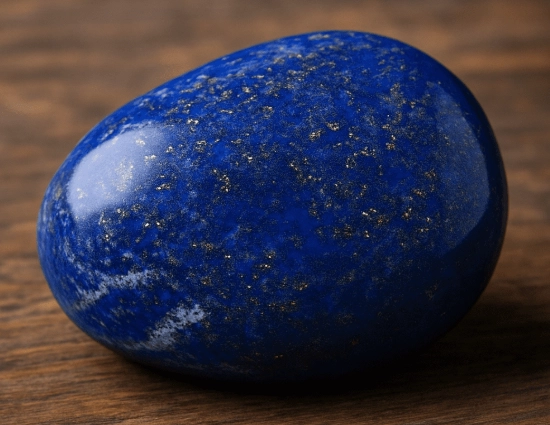
Lapis Lazuli's affiliation here is brilliantly symbolized by its physical composition:
- The Pyrite Inclusions (The "Fool's Gold"): Those brilliant golden specks are iron pyrite. In symbolism, gold represents the sun, illumination, and higher wisdom. The pyrite acts as tiny reflectors, sparking flashes of insight and mental clarity. It's as if the stone contains its own light source for seeing in the dark of confusion.
- The Deep Blue Canvas: The blue base represents the vastness of the mind and the cosmos. A balanced third eye isn't about a narrow beam of light; it's about expansive awareness. The deep blue of Lapis encourages that expansive, all-encompassing perception.
- The Stone of Scholars and Seekers: Historically, Lapis was ground into ultramarine pigment, the most expensive paint color, reserved for depicting the robes of the Virgin Mary and sacred scenes in Renaissance art. It was literally used to visualize the divine. Alchemists prized it as a stone of wisdom and enlightenment. This legacy solidifies its role in enhancing inner vision and understanding.
That's the magic of Lapis. It doesn't just help you blurt out words. It helps you see what the true words are before you say them. It connects internal wisdom (third eye) to external expression (throat). This makes it phenomenal for anyone in therapy, spiritual study, research, or any field requiring deep thought followed by clear explanation.
How to Use Lapis Lazuli for Each Chakra: A Practical Guide
Knowing the association is one thing. Using it effectively is another. Here’s a no-nonsense breakdown of how to work with Lapis for its two main chakra connections.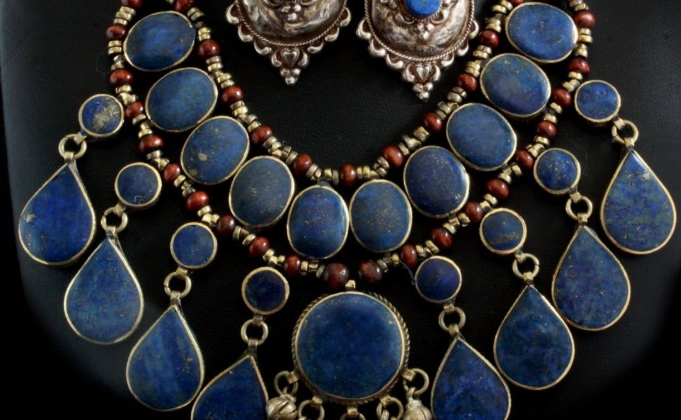
| Chakra Focus | Best Methods | What It Helps With | Personal Tip |
|---|---|---|---|
| Throat Chakra (Primary) | Wear as a necklace or pendant. Place directly on the throat during meditation or rest. Hold while practicing speaking or singing. Keep on your desk during work calls. | Clear communication, honest conversations, overcoming fear of public speaking, creative writing blocks, expressing needs. | Before a tough talk, hold the Lapis in your dominant hand, take a few deep breaths, and mentally state your intention for clarity and kindness. Sounds simple, but it centers you. |
| Third Eye Chakra (Secondary) | Place on the forehead (between eyebrows) during meditation or sleep. Hold to your third eye while pondering a problem. Keep under your pillow for intuitive dreams. | Enhancing intuition, deciphering dreams, improving concentration, gaining mental clarity, accessing inner wisdom, calming an overactive mind. | |
| Combined Throat & Third Eye | Meditate with one stone on the throat and another on the third eye. Wear jewelry that sits near both areas (e.g., a longer necklace). Use in a crystal grid linking these two energy centers. | The full Lapis experience: translating inner knowing into authentic speech. Perfect for artists, teachers, leaders, and anyone integrating insight with action. |
Beyond the Basics: Lapis Lazuli's Other Energetic Properties
Focusing solely on "what chakra is Lapis associated with" can box this stone in. It's a multi-talented crystal. When your throat and third eye are in sync thanks to Lapis, you might notice other benefits flowing from that alignment:
- Emotional Truth-Teller: It can bring buried emotions or truths to the surface so you can address them. This isn't always comfortable, but it's necessary for growth. It encourages self-awareness and honesty with yourself first.
- A Friendship Stone: Historically, it symbolized truth and harmony in relationships. It can encourage open, honest communication between friends or partners, cutting through misunderstandings.
- Protective Qualities:
- Protective Qualities: That deep blue has long been seen as a protective color. Lapis is thought to create a shield against psychic attacks or negative energy, particularly those aimed at your voice or your mind. It’s like spiritual body armor for your aura’s communication centers.
I have a small, raw piece of Lapis on my writing desk. On days when the words won't flow, I'll just fiddle with it. Sometimes I'll catch myself staring into its blue depths. It's not a magical fix, but it acts as a physical reminder to stop forcing, to look inward for what I'm really trying to say (third eye), and then to let it out simply and clearly (throat). The value is in the ritual and the focus it provides.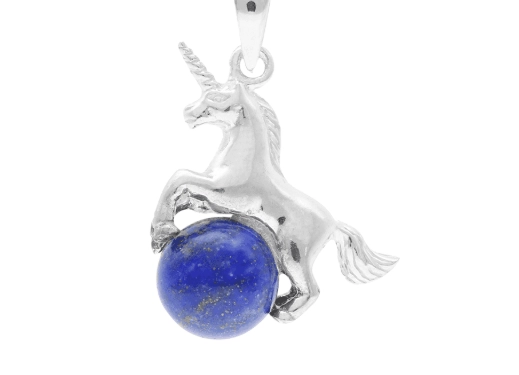
The Science(ish) Side: What Lapis Lazuli Actually Is
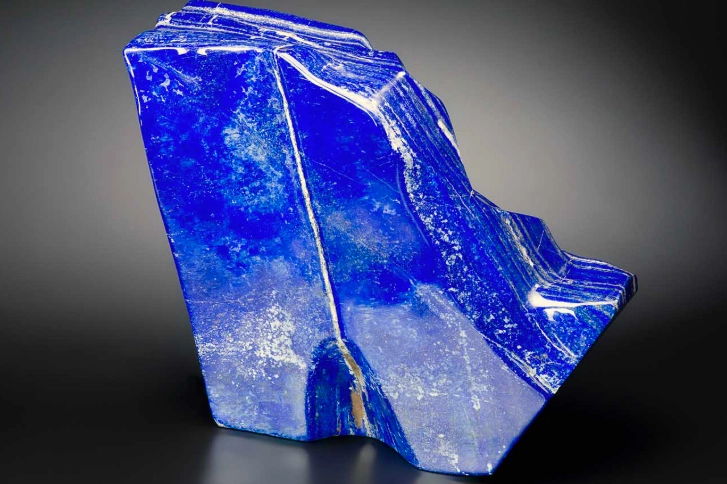
Let's ground this in some physical reality, because believing a rock has energy is one thing, but knowing what it's made of adds a layer of fascinating context. Lapis Lazuli isn't a single mineral. It's a rock, primarily composed of the mineral Lazurite, which gives it that iconic blue color. The golden flecks are Pyrite (iron sulfide), and the white veins or patches are usually Calcite or Sodalite.
This composition matters. Lazurite itself is part of the sodalite mineral group, known for forms like the well-known Sodalite—another great throat chakra stone. So the core blue component is literally from a family of "communication" minerals. The presence of Calcite can amplify and cleanse energy, while Pyrite adds that conductive, activating spark.
Geologically, it forms in metamorphic rock, often in limestone. Major sources today are Afghanistan (still producing the classic, prized material), Chile, and Russia. The geology behind its formation is complex, which somehow feels appropriate for such a multi-layered stone.
Common Questions (And My Frank Answers)
A Quick Comparison: Lapis Lazuli vs. Other Blue Throat Stones
Lapis isn't the only blue stone in town. How does it stack up against other throat chakra favorites?
- Lapis Lazuli: The all-rounder. Truth, wisdom, communication + intuition. Royal, ancient, and powerful. Can be pricey.
- Blue Lace Agate: The gentle communicator. Softer, calming blue. Perfect for soothing a harsh voice, easing speech anxiety, and gentle self-expression. Less intense than Lapis.
- Sodalite: The logical communicator. Deep blue with white, no gold. Great for rational communication, group discourse, and speaking from a place of mental clarity. More "heady" than Lapis.
- Aquamarine: The calm, flowing communicator. Connects throat to heart. Excellent for speaking with compassion and ease, especially in emotional situations. Lighter, more fluid energy.
Choosing between them depends on your need. Need bold truth and insight? Go Lapis. Need to soften your words? Blue Lace Agate. Need logic in a debate? Sodalite.
Final Thoughts: Making Lapis Work For You
So, we've thoroughly explored the question "What chakra is Lapis associated with?"—from its primary throne at the throat to its wise seat at the third eye. Remember, crystals are tools, not crutches. The real work happens in you.
The most profound experience I've had with Lapis wasn't during a grand ritual. It was during a quiet moment of journaling. I was stuck, writing in circles about a personal conflict. I held my Lapis palm stone, not even with intention, just absentmindedly. A sentence suddenly popped into my head: "You're afraid to say X because you think it sounds weak." It was the core truth I'd been avoiding. The Lapis didn't tell me that. It just helped my own third eye see it and my throat chakra admit it onto the page.
That's the gift. It's a bridge. A catalyst. Whether you wear it, meditate with it, or just keep it on your desk as a reminder of your own inner truth and voice, its millennia-old reputation is worth exploring. Start with the throat when you need to speak up. Try it on the third eye when you need clarity. Use it for both when you need to understand and then articulate that understanding. Listen to what comes up. Your own experience will always be the best answer.
And if you take one thing away, let it be this: when someone asks you "what chakra is Lapis associated with?", you can now confidently say it's the master stone for throat and third eye synergy, a tool for turning inner vision into authentic expression. Now go find a piece that speaks to you and start the conversation with yourself.
Related Articles
Ocean Jasper Benefits: Healing Properties & How to Use It
Fire Agate: Meaning, Properties, and How to Use This Fiery Stone
The Ultimate Guide to Orange Sapphire Raw Gems: Value, Buying & Care
Larimar Stone Meaning: Healing, Spiritual Properties & How to Use
Green Jasper Types Guide: Identification, Properties & Uses