What You'll Discover in This Guide
You pick up a seemingly grey, unassuming stone. Then you tilt it, and a flash of electric blue and gold erupts from its depths, vanishing as quickly as it appeared. That's the magic of labradorite. It's not just a pretty rock. For centuries, this crystal has been revered as a talisman for intuition, a shield against negativity, and a key to unlocking inner vision. If you've ever felt drawn to its mysterious glow, there's a reason.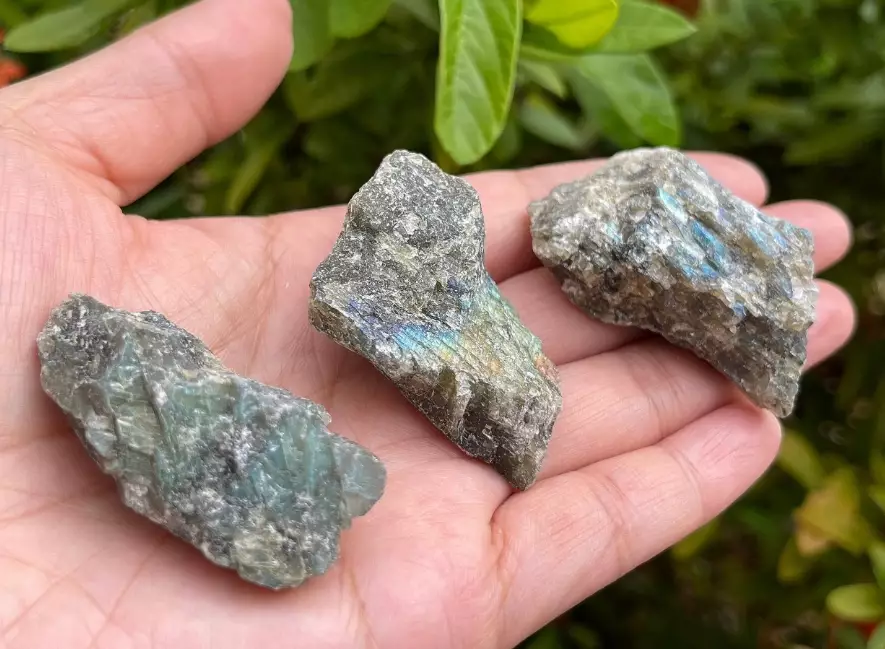
This guide cuts through the vague spiritual jargon. We'll look at the real geology behind that famous flash (it's called labradorescence), break down its purported healing properties in practical terms, and give you concrete, actionable ways to bring its energy into your home and routine.
What is Labradorite?
Labradorite is a feldspar mineral, first discovered in the late 1770s in Labrador, Canada (hence the name). Major deposits are also found in Finland, Madagascar, and Australia. Geologically, it forms in igneous rocks. But what everyone really cares about is that optical effect.
That play of color isn't paint or a surface reflection. It's caused by light interacting with microscopic layers within the stone, a phenomenon known as labradorescence. Different thicknesses of these layers create different colors—blues and greens are most common, but you can find spectacular specimens with flashes of gold, copper, purple, and even orange. The quality and intensity of this flash directly influence a stone's value and, in metaphysical circles, its perceived potency.
The Science and Magic Behind Labradorite's Glow
Let's geek out for a second. The internal structure of labradorite consists of alternating, ultra-thin layers of different calcium and sodium feldspars. When light enters the stone, it gets scattered and reflected between these layers. Some wavelengths (colors) interfere constructively and bounce back to your eye, while others cancel out. This is called thin-film interference, the same principle that creates rainbows in soap bubbles or oil slicks.
Why does this matter beyond just looking cool? Metaphysically, this hidden, reactive quality is why labradorite is dubbed the "Stone of Magic." It symbolizes the idea that profound beauty and power often lie beneath a plain surface, waiting for the right angle (or the right insight) to be revealed. It's a physical metaphor for intuition itself.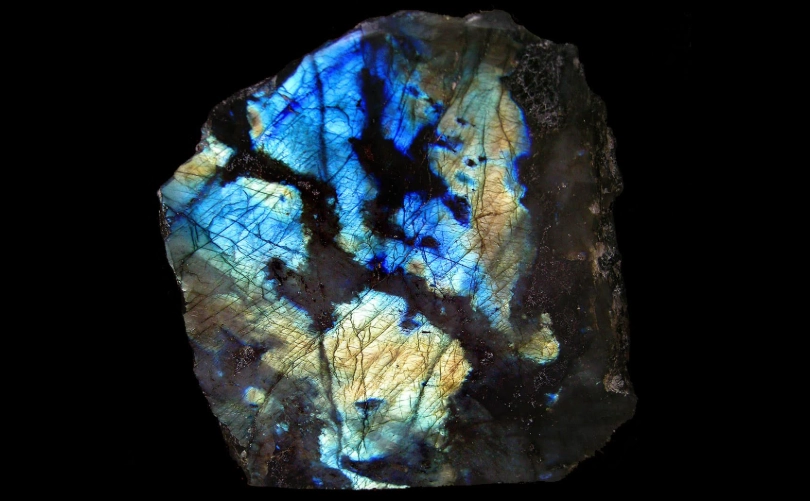
Labradorite Healing Properties: A Detailed Breakdown
It's crucial to frame this correctly. I'm not a doctor, and crystals are not medicine. Think of them as tools for mindfulness, intention-setting, and energetic hygiene. Their "healing" often comes from the focused awareness and ritual you bring to them. The U.S. National Center for Complementary and Integrative Health notes that while many find value in such practices, scientific evidence for physical healing is lacking. With that in mind, here's how labradorite is traditionally used.
Mental and Emotional Healing
This is where labradorite truly shines. Its energy is often described as a protective filter for your mind and emotions.
- Anxiety & Overthinking: It's said to calm an overactive mind by creating a psychic buffer. Instead of absorbing everyone else's stress or getting lost in mental loops, labradorite helps you observe thoughts without being overwhelmed by them. I keep a palm stone on my desk for this exact reason during hectic workdays.
- Transitions & Change: Starting a new job, moving, ending a relationship—labradorite is considered a powerful ally. It's believed to enhance perseverance and reduce fear of the unknown, helping you see the "flash" of opportunity in difficult situations.
- Mental Clarity: By cutting through mental fog and illusion, it's thought to aid in clear, rational decision-making, especially when emotions are high.
Physical Healing
In crystal healing traditions, labradorite is often associated with the eyes, brain, and regulating metabolism. Some practitioners use it to support recovery from colds, gout, and rheumatic pain. Again, this is complementary to professional medical care, not a replacement.
Spiritual and Metaphysical Properties
This is the core of its reputation.
- The Third Eye Chakra: Labradorite is a premier stone for activating and cleansing the Third Eye Chakra (Ajna), the center of intuition, foresight, and spiritual perception.
- Psychic Protection: It's famously known as a shield against negative energies and psychic "vampirism." Many wear it when feeling emotionally vulnerable or in crowded places.
- Awakening Inner Magic: It's believed to stimulate imagination, connect you to your innate psychic abilities, and help interpret dreams and synchronicities.
How to Use Labradorite Crystal in Your Daily Life
Theory is fine, but how do you actually use it? Here are concrete methods.
As Jewelry: Wearing labradorite as a pendant keeps its protective energy close to your heart and throat chakras. A ring or bracelet allows you to glance at its flash throughout the day for a quick intuitive nudge.
Meditation: Hold a piece in your hand or place it on your forehead (Third Eye). Focus on its colors and set an intention to clear mental clutter or receive insight. Don't force it; just observe.
Home & Office Placement:
- Home Entrance: A medium-sized piece on a shelf near your front door is said to filter external energies entering your space.
- Work Desk: Helps with concentration and protects against draining office dynamics.
- Bedside Table: Can promote insightful dreams and protect your energy while you sleep (though some find it too stimulating—trust your gut).
Simple Ritual for Decision-Making: When facing a tough choice, hold your labradorite. State your options aloud. As you tilt the stone and watch the colors flash, pay attention to the first intuitive thought or feeling that arises. The stone isn't "telling" you the answer; it's helping you quiet the noise to hear your own inner voice.
Choosing and Caring for Your Labradorite
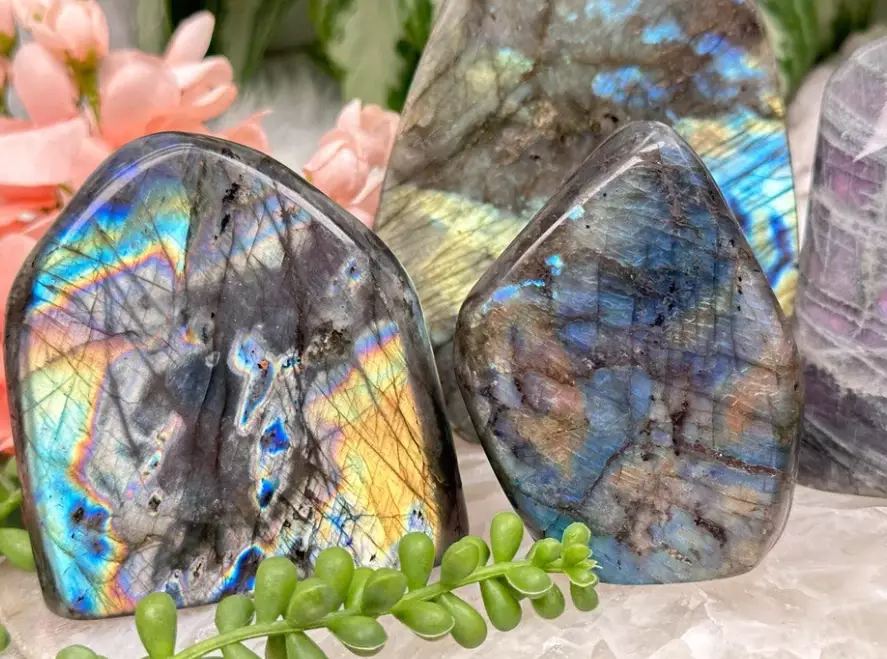
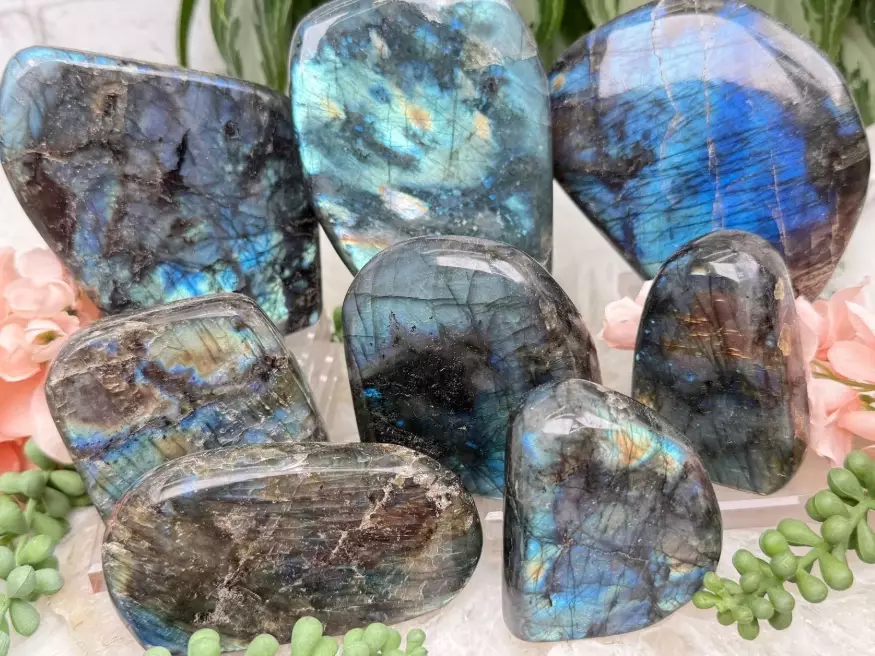
Choosing Quality: Look for a sharp, clear flash (schiller) across a significant portion of the stone. The base color (grey, black, brown) matters less. Avoid stones with a milky, cloudy base if you want strong energetic properties—they tend to feel duller. Trust the piece you're drawn to, even if it's not the "prettiest" one.
Cleaning & Charging: This is critical. Labradorite has a moderate hardness (6-6.5), so be gentle.
- Do NOT use: Salt water (erodes the surface), harsh chemicals, or prolonged direct sunlight (can fade the flash).
- Safe Methods: Running under lukewarm water, smudging with sage, placing on a selenite plate, burying in dry brown rice overnight, or leaving in moonlight (my personal favorite).
I learned the salt lesson the hard way—it dulled a beautiful specimen's luster permanently.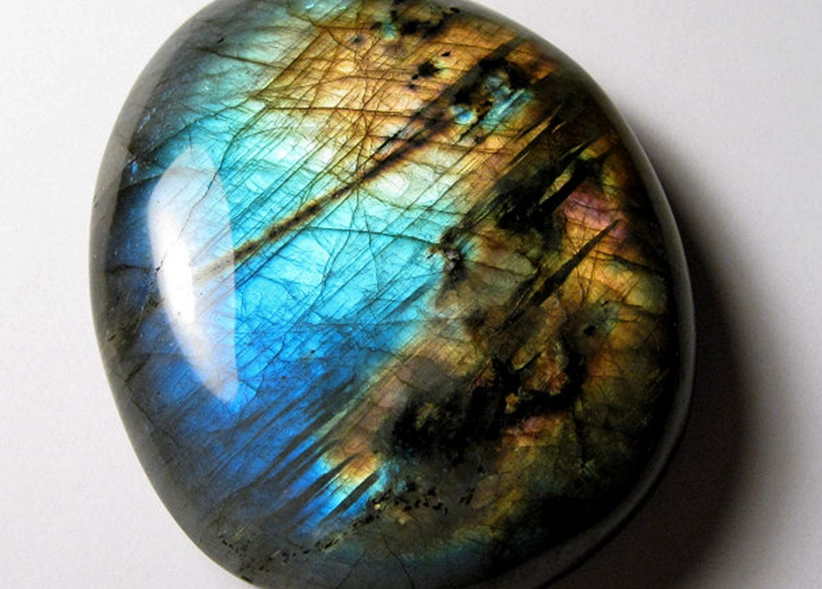
Labradorite vs. Other Popular Crystals
How does it stack up? This table clarifies common confusions.
| Crystal | Key Similarity | Key Difference | Best For... |
|---|---|---|---|
| Labradorite | Protection, Intuition | Bold, hidden flash (labradorescence); strong psychic shield. | Uncovering hidden truths, spiritual protection during change. |
| Black Obsidian | Protection, Grounding | Mirror-like, opaque; brutally honest, digs deep into shadow work. | Extreme psychic protection, facing harsh realities. |
| Moonstone | Feldspar family, Intuition | Soft, floating blue/white sheen (adularescence); gentle, cyclical feminine energy. | Emotional balance, connecting with cycles, nurturing intuition. |
| Amethyst | Spiritual Connection | Transparent purple; calming, more focused on peace and sobriety. | Stress relief, meditation, calming an overactive mind. |
Your Labradorite Questions Answered
 How do I clean and recharge my labradorite without damaging it?
Labradorite is more than a decorative crystal. It's a tool for introspection, a reminder of the hidden magic within you, and a potential companion through life's transitions. Start with one piece. Hold it. See what you feel. The real guide isn't this article—it's your own experience with the stone's mysterious, captivating light.
Related Articles
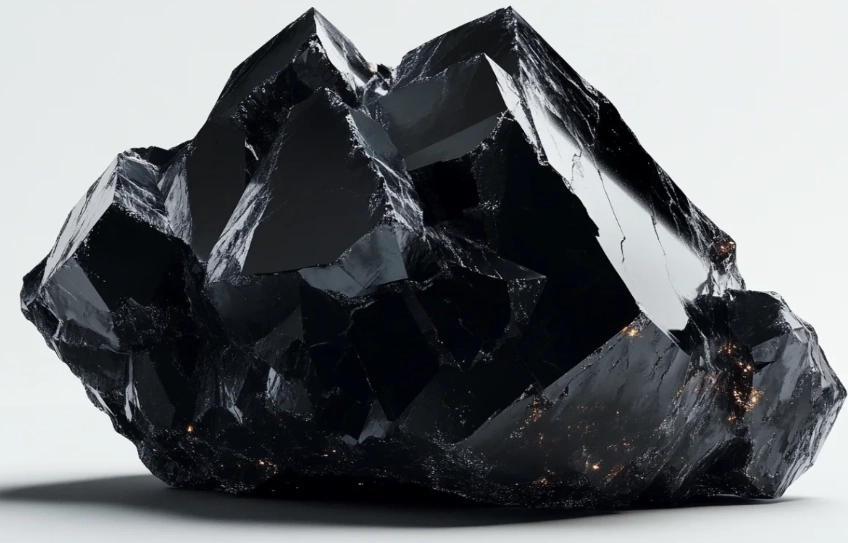
Black Obsidian Meaning: Healing Properties, Uses & Spiritual Guide
Unveiling Rare Kunzite: A Collector's Guide to Value & Authenticity
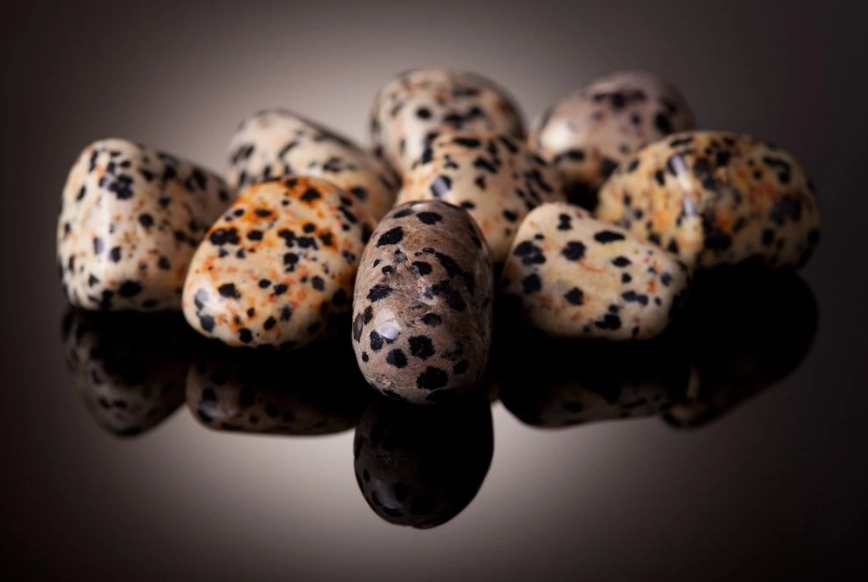
Dalmatian Jasper: Meanings, Healing Uses & How to Spot Fakes
Obsidian Stone Benefits: Spiritual Protection, Healing & Practical Uses
Moss Agate Stone: Meaning, Benefits & How to Use It