Your Moonstone Journey
- So, What Exactly Is Moonstone? Let's Get Technical (But Not Boring)
- The Heart of the Matter: Moonstone Meaning Through Time and Culture
- A Rainbow of Varieties: Not All Moonstones Are Created Equal
- Practical Moonstone Uses: How to Actually Work With This Stone
- Chakras, Healing, and the Big Questions
- How to Choose a *Good* Moonstone and Spot a Fake
- Caring for Your Moonstone
- Your Moonstone Questions, Answered
- Final Thoughts: Making It Personal
Let's be honest, the first time you see a moonstone, you're not thinking about its metaphysical properties. You're just staring at that soft, milky glow, that flash of blue or rainbow light that seems to move under the surface. It looks like a piece of the moon fell to earth, right? That's the whole point of its name. But if you stop there, you're missing out on what makes this gem truly special. For centuries, people haven't just admired moonstone; they've used it. They've believed in its power, worn it for protection, and turned to it for guidance. So, what's the real story behind moonstone stone meaning and uses? Is it just folklore, or is there something more?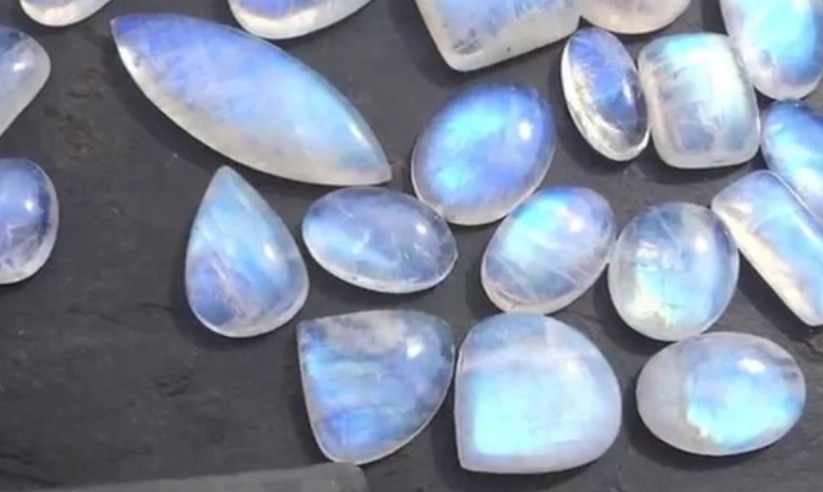
I remember picking up my first rainbow moonstone pendant at a little market. The seller talked about intuition and new beginnings. I bought it because it was beautiful, frankly. But after wearing it for a while during a particularly confusing time in my life, I started to understand the hype. It wasn't magic, but it was a reminder—a tangible touchstone for the calm and clarity I was seeking. That's the heart of it. This guide isn't about pushing wild claims. It's about unpacking everything: the history, the science behind its glow, the different types, the practical ways to use it, and yes, the spiritual meanings people connect to it. Consider this your one-stop resource for all things moonstone.
Quick Takeaway: At its core, moonstone is a stone of intuition, emotional balance, and feminine energy. Its primary uses span jewelry, meditation, and spiritual practices aimed at calming the mind, enhancing psychic perception, and navigating life's cyclical changes. But its value goes much deeper than a simple tagline.
So, What Exactly Is Moonstone? Let's Get Technical (But Not Boring)
Before we dive into moonstone meaning and uses, we should know what we're actually talking about. Scientifically, moonstone is a variety of the feldspar group of minerals. Its magical glow, called adularescence, isn't magic at all—it's a cool optical effect. It happens because of the interleaving of two different types of feldspar (orthoclase and albite) in thin, alternating layers. Light scatters between these layers, creating that signature billowy light that seems to float across the stone. The finest blue sheen comes from the thinnest layers. Think of it like the iridescence on a soap bubble, but trapped inside a stone.
Geek-Out Fact: The term "adularescence" comes from Adularia, an old name for a type of orthoclase feldspar found near Mt. Adular in Switzerland (now the Gotthard Massif). So, the glow literally has a namesake mountain!
It's not a super hard stone. On the Mohs scale, it sits around 6 to 6.5. This means it's perfect for pendants, earrings, and brooches, but you need to be a bit careful with rings or bracelets that might take more knocks. It has a monoclinic crystal system and a vitreous (glassy) luster when polished. The body color can range from colorless to white, gray, brown, yellow, green, or peach. But the sheen—that's the star. It's usually silvery-white or blue, but in rainbow moonstone, you get the whole spectrum.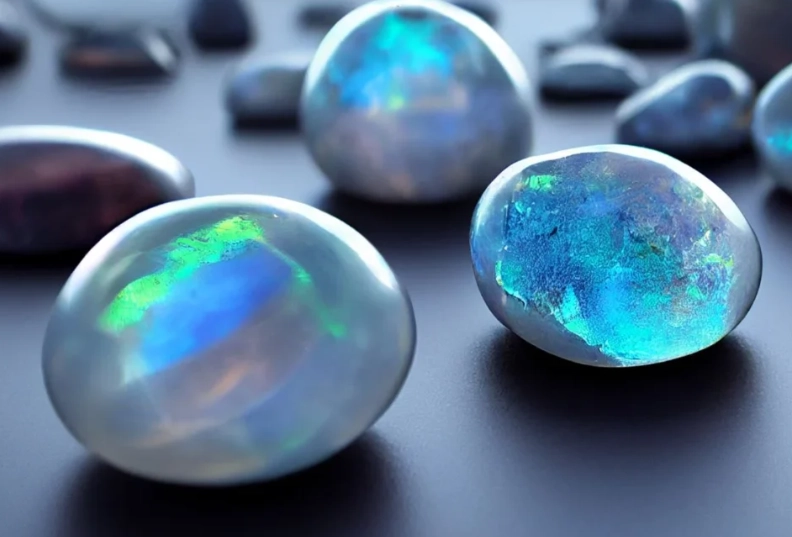
Where does it come from? The classic, high-quality blue sheen moonstone has historically come from Sri Lanka and Myanmar (Burma). India is a major source, often producing stones with a more milky or peach body. You can also find it in Madagascar, Australia, Brazil, and even the United States (Virginia). The origin can subtly influence the color and quality of the sheen.
The Heart of the Matter: Moonstone Meaning Through Time and Culture
This is where it gets interesting. The moonstone meaning isn't some modern New Age invention. It's ancient, woven into the fabric of many cultures. It's always been linked to the moon, which is a universal symbol of cycles, intuition, the subconscious, and feminine power.
In Roman mythology, it was believed to be formed from solidified rays of the moon. Roman natural historian Pliny the Elder wrote that the stone's appearance changed with the phases of the moon—a belief that persisted for ages. In India, moonstone has always been considered a sacred and lucky stone. It's often displayed on a yellow cloth during religious festivals, as yellow is considered a sacred color. Many Indians believe it brings peaceful and pleasant dreams if placed under the pillow.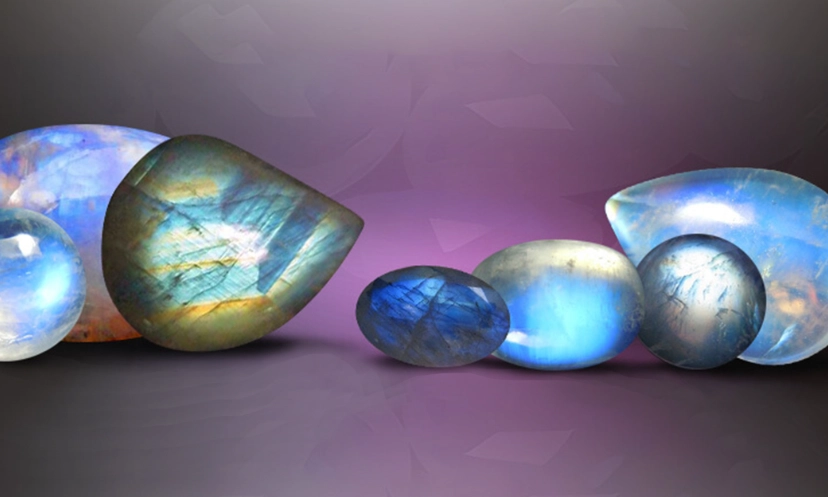
During the Art Nouveau period (late 1800s to early 1900s), master jeweler René Lalique and others used moonstone extensively. They weren't just using it for its beauty; they were drawn to its mystical, organic, and feminine connotations, which perfectly matched the Art Nouveau ethos of flowing lines and nature-inspired designs. It fell out of fashion for a bit but has had a massive resurgence lately, thanks in part to the renewed interest in crystal spirituality.
The core symbolic meanings are pretty consistent:
- Intuition & Psychic Awareness: Like moonlight illuminating a dark path, it's said to illuminate the inner world of intuition.
- Emotional Balance: Associated with calming overreactions, soothing emotional stress, and stabilizing mood swings. It's like an emotional coolant.
- Feminine Energy & Fertility: Deeply tied to the divine feminine, goddess energy, and historically to fertility and childbirth.
- New Beginnings & Cycles: Just as the moon waxes and wanes, moonstone is linked to embracing change, new chapters, and the natural cycles of life.
- Protection During Travel: Especially travel over water. Ancient travelers would carry it for safe journeys, believing it was under the influence of the moon, which governs the tides.
See? When you explore moonstone meaning and uses, you're tapping into a story thousands of years old. It's not a trend; it's a tradition.
A Rainbow of Varieties: Not All Moonstones Are Created Equal
This is a common point of confusion. "Moonstone" is an umbrella term. The different types can have slightly different energies and, of course, appearances and price tags. Understanding this is key to choosing the right stone for your intended uses.
| Type | Key Characteristics | Common Associations & Best For... |
|---|---|---|
| Classic Blue/White Moonstone | The "standard." Milky white or transparent body with a blue or silvery-white adularescence. Often from Sri Lanka. | Classic intuition, calming, emotional balance. The all-purpose spiritual stone. |
| Rainbow Moonstone | Technically a variety of labradorite, but sold as moonstone. Clear to white body with spectacular multi-colored flashes (blue, yellow, purple, pink). | Strong connection to the crown chakra, higher consciousness, psychic protection, and awakening magic. Often feels more "electric" than classic moonstone. |
| Peach Moonstone | Warm peach, orange, or pinkish body. Sheen is usually silvery or bluish. | Emotional healing, self-love, heart-centered energy. Soothing for old emotional wounds and boosting compassion. |
| Gray Moonstone | Smoky gray body. Often has a more mysterious, subtle feel. | Grounding intuition, connecting with the shadow self, and finding clarity during confusion. A more "earthy" moonstone. |
| Cat's Eye Moonstone | Rare. Exhibits chatoyancy—a single bright band of light that moves like a cat's eye. | Extreme focus, piercing through illusion, and personal power. A talisman for clarity of purpose. |
My personal favorite? Rainbow moonstone. The flashes of color just feel more dynamic to me. But for a gentle, constant companion, you can't beat a soft blue sheen classic stone.
Practical Moonstone Uses: How to Actually Work With This Stone
Alright, so you're drawn to the moonstone meaning. How do you translate that into actual use? This is where we move from theory to practice. Its uses are surprisingly versatile.
As Jewelry (The Most Popular Use)
Wearing moonstone jewelry is the easiest way to keep its energy close. Different placements have different nuances:
- Pendant/Necklace: Worn near the throat or heart. Great for aligning with intuition (third eye/throat) or fostering self-love (heart chakra). A necklace is my go-to.
- Earrings: Close to the head, they're said to help clear mental fog and enhance receptive listening—both to others and your inner voice.
- Ring: Worn on the receptive hand (often the left), a moonstone ring can be a constant, subtle reminder of your intuitive nature. Just be mindful of its hardness—avoid hard knocks.
- Bracelet: Allows the stone's energy to be in your personal energy field as you move your hands through the day.
In Meditation and Spiritual Practice
This is where many people find deep value. Hold a stone in your hand or place it on your forehead (third eye) during meditation. The goal isn't to force anything, but to let its calming energy quiet the chatter. It's particularly useful for:
- Setting Intentions at the New Moon: The new moon is for new beginnings. Holding moonstone while setting an intention is like planting a seed with a little extra lunar fertilizer.
- Dream Work: Placing a stone under your pillow or on your nightstand. Don't expect instant epic dreams, but it may encourage recall and more symbolic, insightful dreams over time.
- Creating Sacred Space: Placing a larger specimen on an altar dedicated to feminine energy, intuition, or a specific goddess like Diana, Selene, or Artemis.
A quick reality check: I tried the "under the pillow" thing for a week. The first few nights, nothing. Then I had a wildly vivid dream about an old friend I hadn't thought of in years. Coincidence? Maybe. But it was the catalyst for me to reach out and mend a fence. Sometimes the "use" is just giving you a nudge.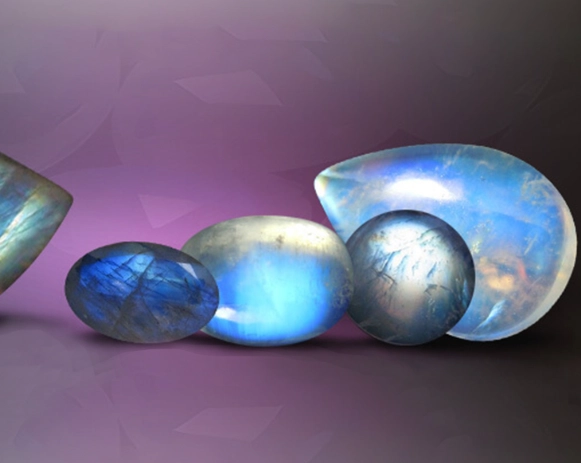
For Emotional First Aid
Feeling emotionally flooded, reactive, or just plain frazzled? This is a prime time for moonstone uses. Keep a tumbled stone in your pocket or desk drawer. When you feel stress rising, just hold it. Focus on its cool, smooth surface and that gentle glow. It acts as a physical anchor, pulling you out of the emotional spiral and back into your body. It's less about the stone "absorbing" negativity and more about it providing a point of focus for your own calming practice.
In the Home
Place stones in rooms where you want to promote calm and harmony—the bedroom for restful sleep, the living room for peaceful family time, or your creative space to soften harsh self-criticism and allow intuitive ideas to flow. A bowl of tumbled moonstones can be a beautiful, subtle decor piece with purpose.
Chakras, Healing, and the Big Questions
In crystal healing frameworks, moonstone is primarily linked to the Crown Chakra (Sahasrara) and the Third Eye Chakra (Ajna). The crown is about spiritual connection and universal consciousness, while the third eye is about intuition and insight. By working on these centers, the stone is believed to facilitate a download of intuitive information and a sense of spiritual peace.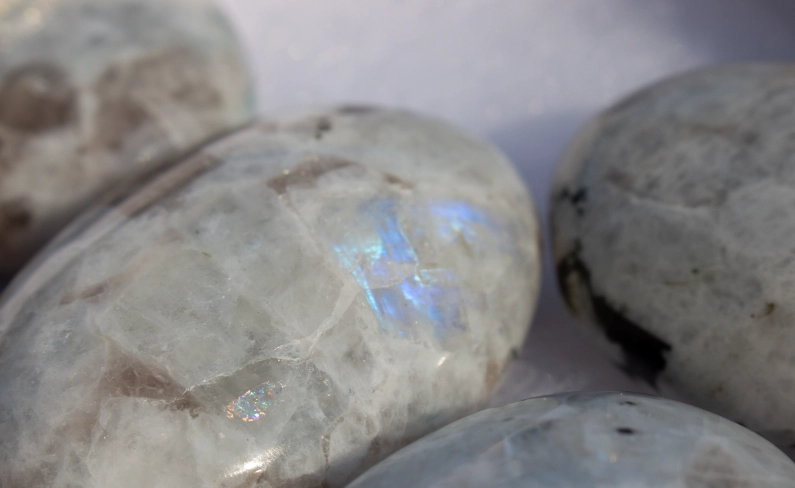
Secondarily, it connects to the Sacral Chakra (Svadhisthana), the center of emotion, creativity, and feminine sexuality. This ties back to its historical fertility associations and its use for emotional balance.
Now, let's address the elephant in the room: scientific proof. There is no rigorous scientific evidence that crystals heal physical ailments in a medical sense. Reputable sources like the National Institutes of Health (NIH) database won't have studies proving moonstone lowers blood pressure. The potential benefits are in the realm of mindfulness, the placebo effect (which is a powerful, real effect), and psychosomatic wellness. Holding a beautiful object that you believe is calming can trigger a genuine relaxation response. That's real. It's about managing energy and mindset, not replacing medicine.
If you're interested in the geological and gemological science behind minerals like feldspar, the Gemological Institute of America (GIA) is an unparalleled, authoritative resource for unbiased information.
How to Choose a *Good* Moonstone and Spot a Fake
Not all moonstones are equal in quality, and sadly, fakes exist. Here's what to look for:
The Sheen is Everything: A high-quality stone has a strong, visible adularescence that moves freely across a significant portion of the surface when you rock it under light. The blue sheen is most valued. A weak, cloudy, or static sheen means lower quality.
Clarity and Body: Some translucency is good, but too many internal cracks or inclusions can weaken the stone and muddy the sheen. A completely opaque, chalky stone is usually lower grade.
Cut: It should be cut as a cabochon (smooth, domed surface) to best showcase the adularescence. Faceted moonstone is rare and doesn't show the effect well.
Beware of Imitations: Glass or plastic imitations are common. The tell-tale signs? Bubbles inside (glass), a too-perfect, waxy feel (plastic), or a sheen that looks painted on or contains glitter-like particles. Real adularescence is a soft, internal glow, not a surface sparkle. Synthetic moonstone exists (often called "opalite" glass), which is man-made and has a very different, more uniform milky-blue appearance with a sharp blue flash. It's pretty but not natural.
Heat Treatment: It's common and generally accepted to heat-treat lower-color stones to improve clarity. It's stable and doesn't usually affect the energy in the view of most practitioners. Ask your seller if treatments have been applied.
Caring for Your Moonstone
It's not a diamond. Treat it gently.
- Cleaning: Use warm, soapy water and a soft cloth. Never use ultrasonic or steam cleaners—the vibrations and heat can crack it.
- Storage: Keep it separate from harder gems to prevent scratches. A soft pouch is ideal.
- Recharging: In crystal practice, it's said to absorb energy. The classic way to cleanse and recharge it is by placing it under the light of the full moon overnight. Moonlight for a moon stone—poetic and practical. You can also use running water (briefly), sound, or smoke from sage.
Your Moonstone Questions, Answered
Final Thoughts: Making It Personal
Exploring moonstone meaning and uses is a journey, not a destination. The history and lore are fascinating, but the real magic happens when you make it personal. Does that particular stone's glow speak to you? Does holding it make you take a deeper breath? That's the connection that matters.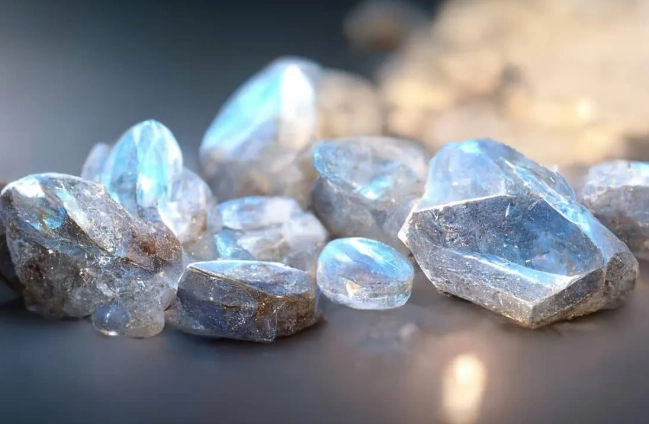
It's not a magic pill. It won't solve your problems while you sit on the couch. But as a tool for mindfulness, a symbol of inner light, and a beautiful piece of the natural world, it has profound value. Whether you're drawn to it for its beauty, its history, or its purported energy, approach it with curiosity and a bit of openness.
Start simple. Get a small, tumbled stone. Hold it during your morning coffee instead of scrolling. Notice how you feel. That's the first—and most important—step in discovering your own personal moonstone uses. The rest of the story is yours to write.
Related Articles
Blue-Green Fluorite Benefits: A Deep Dive into Emotional & Mental Healing
Moonstone Benefits for Women: Emotional Balance & Feminine Energy Guide
Pietersite Guide: Meaning, Uses & How to Spot Fakes

The giant makes the core and moves to the front.
