Let's cut through the noise. You've probably heard lapis lazuli called the "stone of truth" or the "wisdom stone." It's all over social media. But what does that actually mean for you, sitting there with your new piece or thinking about getting one? The spiritual meaning of lapis lazuli isn't a vague, feel-good concept. It's a practical, multi-layered tool with a history stretching back to pharaohs and emperors. It's about cutting through self-deception, accessing deeper intuition, and finding the courage to speak your authentic truth. This isn't just crystal lore; it's about using an ancient object to navigate modern life's complexities. I've worked with this stone for over a decade, and I've seen people make the same subtle mistakes that blunt its power. We'll get into that.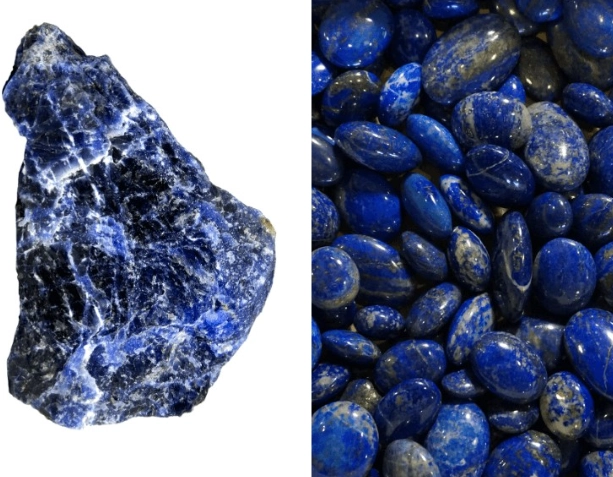
Your Quick Guide to Lapis Lazuli
The Deep History: Why Pharaohs and Renaissance Masters Loved It
You can't separate lapis lazuli from its past. Its value wasn't just aesthetic. For the ancient Egyptians, its deep, celestial blue sprinkled with golden pyrite flecks (like stars) was a direct link to the heavens. They associated it with the night sky goddess, Nut. They ground it into ultramarine powder, the most precious pigment, reserved for depicting the robes of the Virgin Mary in Renaissance art—artists like Michelangelo literally couldn't afford to use it without a patron. This historical context matters. It tells us this stone was always connected to the divine, the sacred, and the highest forms of expression and power.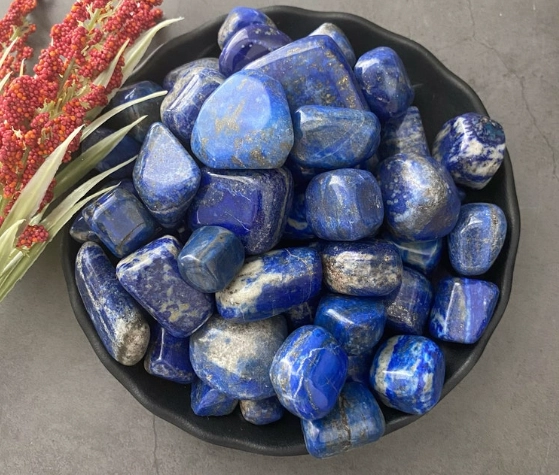
The Sumerians believed their gods lived in a palace made of lapis. Cleopatra used powdered lapis as eyeshadow. Look at Tutankhamun's funeral mask—inlaid with lapis lazuli. This isn't random. It was a stone of royalty, priesthood, and profound spiritual connection. When you hold a piece today, you're touching that lineage. It carries an energy of ancient authority and sacred knowledge. Ignoring this history is like using a Stradivarius violin as a decoration without ever playing it. You're missing the point.
The Core Spiritual Meaning: Truth, Intuition, and Inner Power
So, what does lapis lazuli do spiritually? It operates on a few key, interconnected levels.
1. The Stone of Total Honesty (Especially With Yourself)
This is its flagship property. Lapis doesn't just promote truth-telling to others; it first forces a confrontation with your own inner truths. It shines a light on the stories you tell yourself—the excuses, the self-limiting beliefs, the denied emotions. This can be uncomfortable. I've had clients put their lapis away because it "made them feel anxious." Often, that anxiety was the stone bringing buried feelings to the surface to be acknowledged. It's not creating chaos; it's revealing the chaos already there so you can clean it up.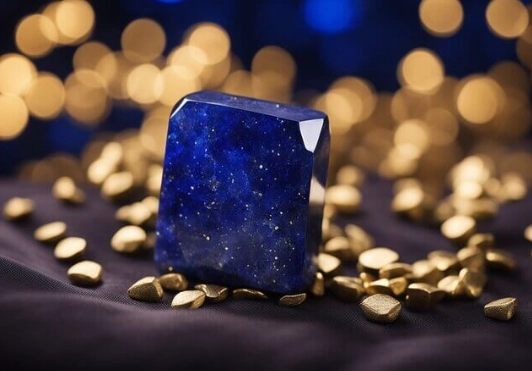
2. Activating the Third Eye and Accessing Inner Wisdom
Lapis is the classic stone for the Third Eye Chakra (Ajna), the center of intuition, insight, and psychic perception. But here's a nuance beginners miss: it doesn't just "open" your third eye like a faucet. It's more like a tuner and an amplifier. It helps clarify the signals you're already receiving. Those gut feelings, those flashes of knowing—lapis helps you trust them and understand them. It's less about seeing visions (though it can enhance meditation) and more about developing a reliable, inner compass.
3. The Courage to Speak Your Truth (Throat Chakra Link)
While its primary home is the third eye, lapis has a strong secondary connection to the Throat Chakra (Vishuddha). Once you've seen your inner truth clearly (third eye work), lapis gives you the blueprints and the courage to express it. It's for finding the right words, speaking with confidence and authenticity, and setting clear boundaries. It's for the artist finding their voice, the negotiator stating their terms, the person needing to have a difficult conversation.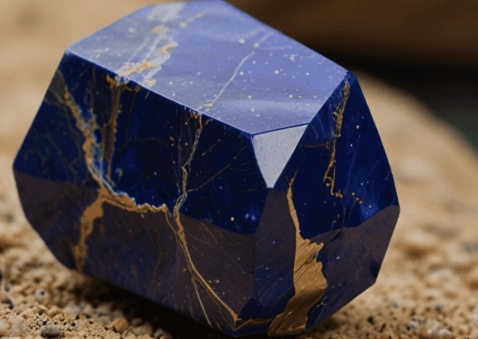
The Golden Pyrite Flecks Matter. Don't seek out a perfectly uniform, pure blue stone thinking it's "higher quality." Those golden inclusions of pyrite (fool's gold) are integral. They represent the inner fire, the spark of personal power and vitality that fuels your spiritual journey. The interplay of deep blue (divine wisdom) and gold (personal power) is the whole magic.
Practical Uses: How to Actually Work With Lapis Lazuli Energy
Theory is fine, but how do you make this work on a Tuesday afternoon? Here are concrete, actionable methods.
Meditation and Journaling Companion
This is where lapis shines. Hold a piece in your hand or place it on your third eye (forehead) during meditation. Don't force anything. Just set an intention like, "Show me what I need to see clearly today." Then observe. You might get a sudden memory, an emotion, or a simple, clear thought. Follow it up with journaling. Lapis on your desk while you write can help you bypass mental clutter and access more honest, insightful prose.
Wearing Lapis Lazuli: Placement Matters
Where you wear it changes its emphasis.
- Necklace/Pendant: Keeps the energy at the throat and upper chest. Ideal for days requiring clear communication, presentations, or difficult talks.
- Earrings: Brings energy directly to the head, stimulating mental clarity and intuitive listening.
- Bracelet (left wrist): Traditionally, the left side is receptive. Wearing it here helps you absorb its intuitive, clarifying energy throughout the day.
- Ring: Connects the energy to your actions and personal will, helping you act on your truths.
A personal rule I follow: I don't sleep with my primary lapis pieces. Its energy can be too stimulating for the mind and lead to vivid, sometimes chaotic dreams. For some, that's a tool for exploration. For most seeking rest, it's a distraction.
Creating a Focused Space
Place a larger piece on your office desk to cut through mental fog and promote honest decision-making. In a creative studio, it can help overcome blocks and access original ideas. It's not just decor; it's a functional tool for the environment.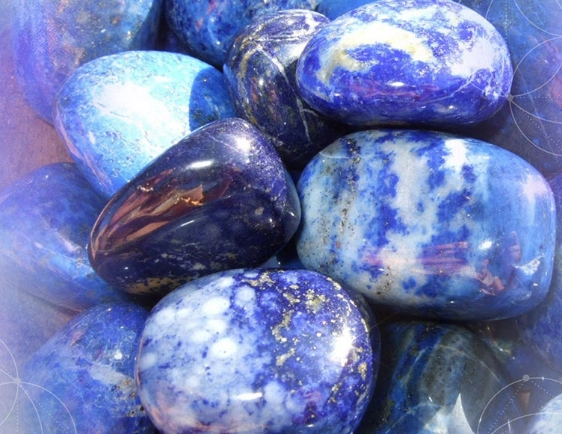
Common Mistakes and How to Avoid Them
After years in this field, I see patterns. Here’s what people get wrong with lapis lazuli.
| Mistake | Why It's a Problem | The Better Approach |
|---|---|---|
| Treating it like a passive lucky charm. | Lapis is an active stone. It demands participation. If you just carry it in your pocket expecting life to magically become truthful, you'll be disappointed (or uncomfortably confronted). | Set a clear, active intention each time you use it. "Help me see the truth in this situation." "Guide my words in the meeting." Engage with it. |
| Never cleansing it. | Lapis absorbs mental and emotional "static" like a sponge. A neglected piece can start to feel heavy, dull, or even amplify confusion instead of clarity. | Cleanse it regularly. Because it's relatively soft and can be porous, avoid salt water or prolonged soaking. Use sound (a singing bowl or bell), smudging with sage, or placing it on a selenite plate overnight. |
| Ignoring the discomfort it can bring. | Its truth-revealing nature can stir up unpleasant feelings. The instinct is to blame the stone and stop using it. | See discomfort as data, not failure. Ask, "What is this feeling trying to show me?" Use journaling to process what comes up. The stone is working. |
| Using only tiny, tumbled chips. | While any piece has energy, a very small, highly processed chip has a weaker, less complex field than a raw or polished palm stone. | Invest in at least one substantial piece (the size of a quarter or larger) for primary meditation and energy work. Use smaller pieces for jewelry. |
Your Lapis Lazuli Questions Answered
Lapis lazuli's spiritual meaning is a call to authenticity. It's not a quick fix, but a lifelong companion for those willing to look within, speak up, and align with their deepest wisdom. It asks for engagement. Start simple. Hold a piece. Sit quietly. Ask a question. See what arises. The journey with this stone of heaven begins with a single, honest look.
Related Articles
Citrine Crystal Guide: Meaning, Benefits & How to Use It
Lapis Lazuli Benefits for Women: Spiritual, Emotional & Physical Healing
Green Jasper Meaning & Uses: A Complete Guide Beyond the Basics
The Ultimate Guide to Onyx Meaning: Protection, Power & Balance