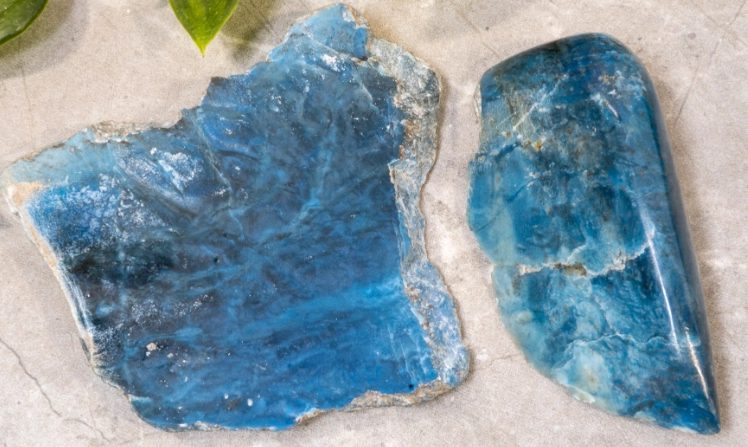
Let's cut to the chase. You've probably seen indigo gabbro—a stunning, deep blue-black stone speckled with white and flashes of metallic silver or copper. It's captivating. Often called "Mystery Stone," it pops up in crystal shops and online stores, but reliable, in-depth information? That's harder to find.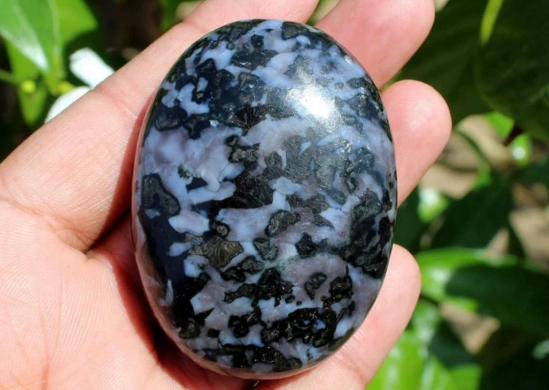
Most articles repeat the same vague phrases about "spiritual connection" and "psychic abilities." It's frustrating. After working with crystals for over a decade, I've found indigo gabbro's real value is far more practical and grounding than that esoteric label suggests. This guide will strip away the mystery and give you the concrete details you need: what it actually is, how to use it beyond the meditation cushion, where to buy genuine pieces, and how to avoid common mistakes almost every beginner makes.
What You'll Discover in This Guide
What Exactly is Indigo Gabbro?
First, the science. Gabbro is a coarse-grained igneous rock, essentially the intrusive cousin of basalt. It forms deep underground from slowly cooling magma. The "indigo" variety gets its striking color from a specific mineral composition, primarily plagioclase feldspar (the white/grey bits), pyroxene, and magnetite (contributing to the dark color and metallic flecks).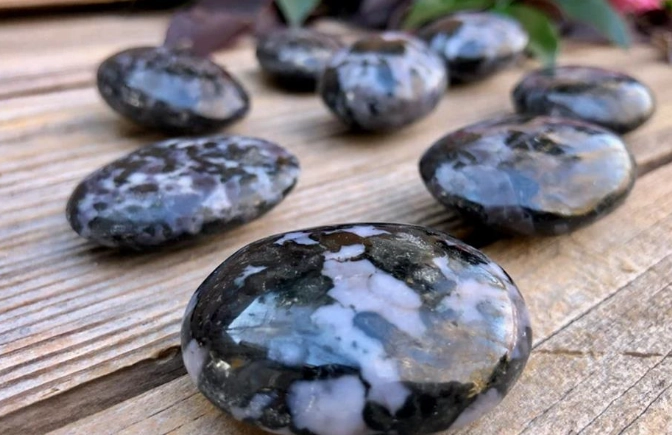
It's not a single mineral like quartz. It's a rock, a mixture. This is key to understanding its energy—it's a blend, an integrator.
The term "Mystery Stone" is a trade name, not a geological one. Its exact source is often undisclosed by miners, adding to the allure. Major deposits are believed to be in Madagascar and possibly Canada, but you'll rarely see a specific mine named on a tag. Geologically, similar rocks are documented by sources like the U.S. Geological Survey in various formations worldwide.
Indigo Gabbro Healing Properties: Beyond the Basics
Forget the generic "awakens psychic powers" spiel. That's a setup for disappointment. From my experience, indigo gabbro works subtly on integration.
Its core function seems to be connecting high-frequency information (intuition, dreams, spiritual insights) with the low-frequency reality of daily life (your job, relationships, chores). It's a bridge stone. People who feel "spacey" after meditation or struggle to apply their spiritual practice find it incredibly stabilizing.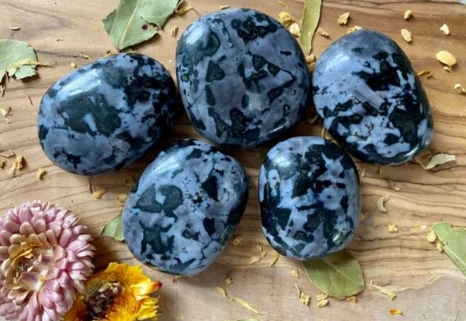
Here’s a more nuanced breakdown:
- For the Mind: It doesn't just calm chaos; it helps you organize mental chaos. If you're juggling multiple projects or feeling mentally fragmented, it aids in creating coherent threads between disparate thoughts. I've used it on my desk during complex writing tasks for this reason.
- For Emotional Grounding: It's excellent for emotional overwhelm, not by numbing you, but by providing a stable, earthy foundation from which to process feelings. It says, "Feel this, but you won't drown in it."
- The Physical Link: While no crystal replaces medicine, many users report it helpful for aligning circadian rhythms (sleep/wake cycles) and supporting the skeletal system. This aligns with its grounding nature—connecting spirit to the physical vessel.
The biggest mistake? Using it only for "third eye" work. That focuses only on the receiving end. Its magic is in the downward and outward integration of whatever the third eye perceives.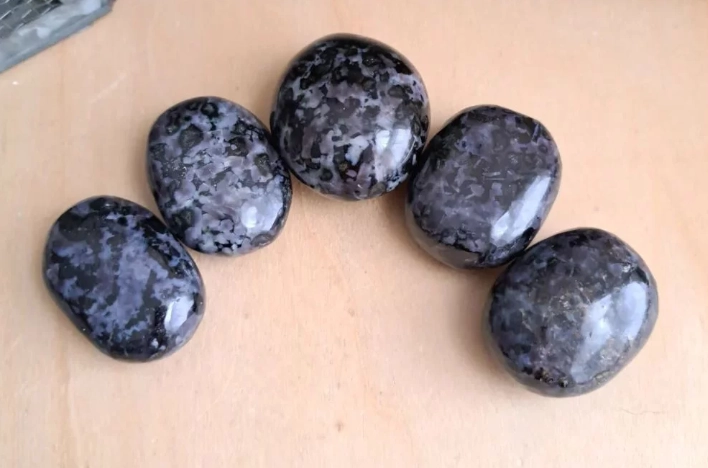
How to Use Indigo Gabbro in Your Daily Life?
This is where theory meets practice. You don't need elaborate rituals.
1. For Meditation & Dream Work
Hold it in your receptive (usually left) hand or place it on your lap. Don't strain for visions. Instead, set an intention like, "Help me understand the message from last night's dream," or "Ground any insights I receive into practical understanding." I find it works better for processing after a meditation or dream, not necessarily during.
2. As a Work or Study Aid
Keep a palm stone or small sphere on your desk. When tackling a complex problem that requires connecting different pieces of information (coding, research, strategic planning), hold it for a minute to center your focus. It's like a mental reset button that promotes coherent thinking.
3. In Your Living Space
Place a larger specimen in your living room or home office. Its energy is more stabilizing than stimulating, making it ideal for spaces where you need balanced, productive vibes, not high energy. Avoid bedrooms if you find it too mentally activating; otherwise, it can support insightful dreaming.
4. Simple Carry Stone
A tumbled stone in your pocket is a discreet way to stay grounded during stressful commutes, meetings, or social gatherings. When you feel anxious, just touch it. Its cool, solid presence is a tactile reminder of stability.
Buying Indigo Gabbro: A Practical Guide
The market is flooded. Here’s how to navigate it like a pro.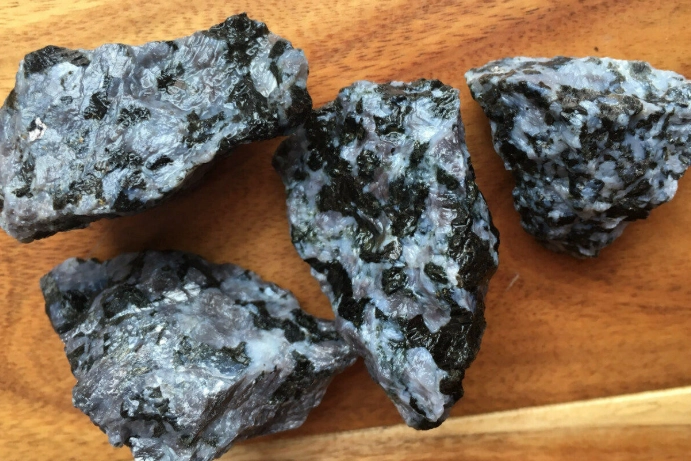
Price Ranges and What to Expect
| Item Type | Average Price Range (USD) | What You're Getting |
|---|---|---|
| Small Tumbled Stone (1-2 inch) | $5 - $15 | A personal carry piece. Color depth varies. |
| Palm Stone / Worry Stone | $12 - $25 | Best for meditation/holding. Good surface area. |
| Small Sphere (2-3 inch) | $25 - $60 | Great for desk decor. Price jumps with quality. |
| Raw Specimen (hand-sized) | $20 - $80+ | For collectors/displays. Unique patterns. |
| Large Carving (e.g., pyramid, heart) | $40 - $150+ | Decorative & energetic focal point. |
Prices depend heavily on color saturation (darker indigo is often pricier), flash intensity, and seller markup. A $10 tumbled stone from a bulk bin can be just as effective as a $50 specimen if it resonates with you.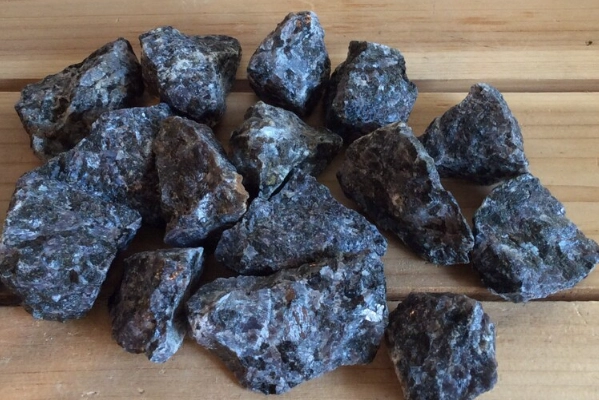
Where to Buy: Navigating the Market
- Local Crystal Shops: The best option. You can feel the weight, check the temperature, and see the true colors. Ask the owner about their source. Reputable shops know their suppliers.
- Online Marketplaces (Etsy, eBay): Hit or miss. Look for sellers with high-resolution, unedited photos on a neutral background. Read reviews specifically about stone authenticity. Be wary of listings with only stock photos.
- Specialized Online Mineral Retailers: Sites that cater to mineral collectors (like Mindat.org-linked vendors) often have higher-grade, accurately labeled specimens but at a higher price point.
How to Spot a Fake: Red Flags
Fakes are less common than with, say, citrine, but they exist—usually dyed howlite or glass.
- The Color Test: Real indigo gabbro has a deep, natural, uneven blue-black hue. If it looks uniformly painted, bright blue, or the color rubs off on a wet cotton swab, it's fake.
- The Weight & Temperature: It should feel dense and cool to the touch initially. Glass or resin fakes feel lighter and warm up quickly in your hand.
- The Pattern: The white/grey feldspar is intergrown with the dark matrix, not sitting on top. It should look chaotic and internal. A too-perfect, surface-level pattern is suspicious.
- The Price is Too Good: A large, deep blue, highly flashed sphere for $20? That's a major red flag.
Caring for Your Stone
Indigo gabbro is relatively hardy (Mohs hardness ~6-7), but it's not indestructible.
Cleaning and Charging
- Cleaning: Run under lukewarm water. Avoid salt water, as it can degrade the surface over time. Pat dry with a soft cloth.
- Charging: It loves moonlight and earth energy. Place it on a windowsill during a full moon or bury it in a bowl of dry brown rice overnight. Brief morning sunlight is okay, but prolonged direct sun may fade the rich color over years.
Storing Your Stone
Wrap it in a soft cloth or keep it in a fabric pouch to prevent scratches from harder stones in your collection. Don't just throw it in a jar with quartz points.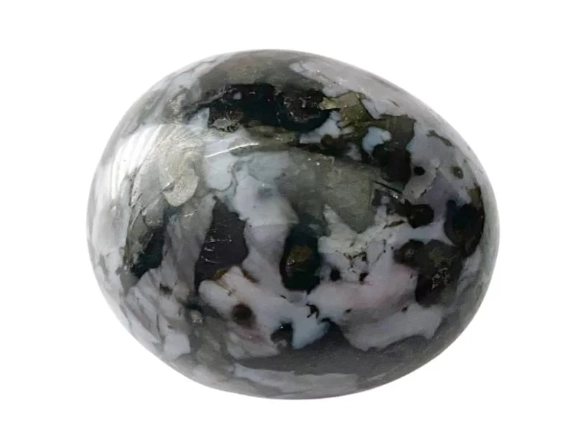
Your Questions, Answered
Related Articles
Blue Crystals Raw: A Complete Guide to Types, Uses, and Buying Tips
Lapis Lazuli Spiritual Benefits: A Complete Guide to Healing & Power

Advanced packaging, playing an important role!
Top 10 Benefits of Ruby Stone: Healing & Spiritual Guide
Opal Spiritual Meaning: Colors, Healing Properties & Myths Explained