In This Guide
- So, What Exactly Is Obsidian? Let's Start with the Basics
- The Deep Meaning Behind the Obsidian Stone
- A Practical Guide to Obsidian Stone Uses
- Not All Obsidian Is Created Equal: A Guide to the Different Types
- How to Choose Your First (or Next) Piece of Obsidian
- Caring for Your Obsidian: It's Not Delicate, But Show It Some Love
- Answering Your Burning Questions About Obsidian Stone Meaning and Uses
- Wrapping It Up: Is Obsidian Right for You?
Let's be honest, when you first hear "obsidian," you might think of a shiny black stone or maybe even those super sharp arrowheads from history class. I did too. But there's a whole world beneath that glossy surface. The real obsidian stone meaning and uses go way deeper, touching on protection, emotional surgery, and a kind of grounding that's hard to find elsewhere. It's not a gentle, coddling crystal. It's the friend who tells you the harsh truth because they care. If you've ever felt emotionally scattered, anxious, or just need a solid anchor in a chaotic world, understanding obsidian might just be what you're looking for.
I remember picking up my first piece of black obsidian years ago. It felt cold, heavy, and strangely serious. I didn't get that instant "love" feeling I did with rose quartz. It was more of a respectful nod. That's obsidian for you—it doesn't mess around. This guide is my deep dive into everything I've learned since then, from its volcanic birth to its modern-day role as a spiritual bodyguard.
So, What Exactly Is Obsidian? Let's Start with the Basics
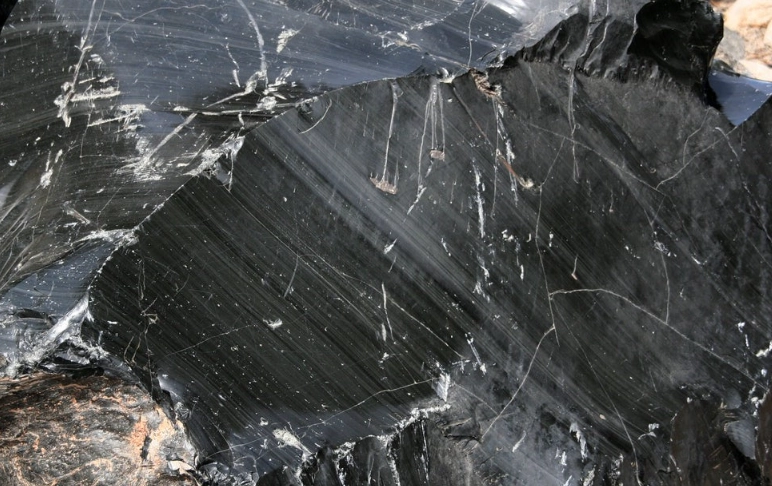
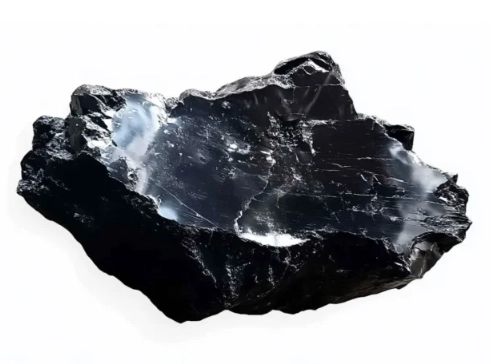
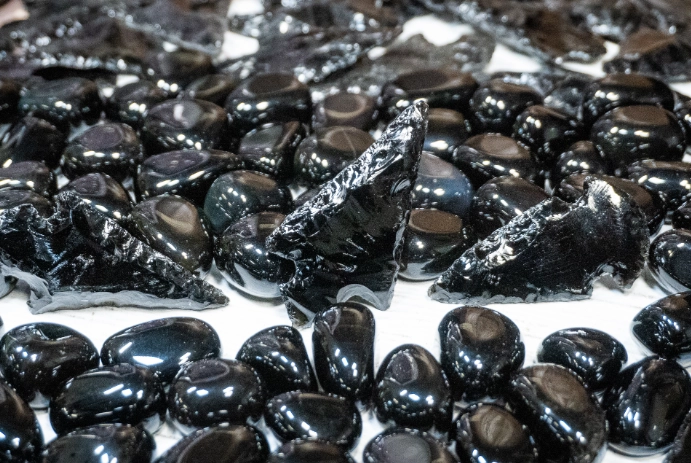
Before we jump into the mystical stuff, we need to get our facts straight. Obsidian isn't a mineral in the classic sense. Nope. It's actually a naturally occurring volcanic glass. Think about it: when lava from a volcano cools down incredibly fast—so fast that minerals don't have time to form crystals—you get this smooth, glassy rock. That's obsidian.
This rapid cooling is why it has that conchoidal fracture (a fancy term for the sharp, curved break that creates those razor edges). Ancient peoples weren't dumb; they saw this property and ran with it. From the Americas to the Middle East, obsidian was the go-to material for tools, weapons, and ceremonial objects. The U.S. Geological Survey has tons of info on its geological formation, which honestly makes appreciating its spiritual side even cooler. Knowing it was born from the Earth's fiery core gives its grounding properties a whole new layer of meaning, don't you think?
The Deep Meaning Behind the Obsidian Stone
Alright, let's get to the heart of it. The obsidian stone meaning isn't a single, simple idea. It's a tapestry woven from history, geology, and human intuition. At its core, obsidian is about truth, protection, and grounding.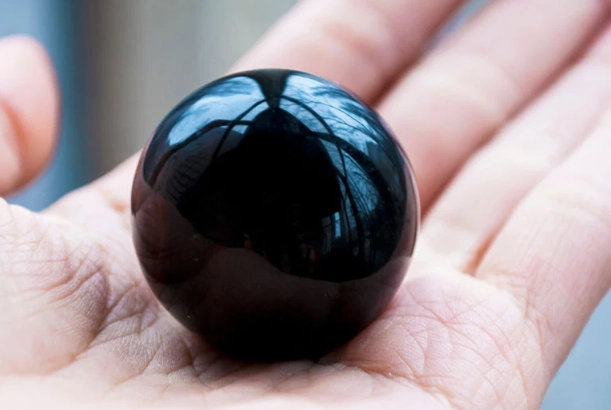
It's often called the "Stone of Truth" or the "Protective Mirror." Why? Because it has this uncanny ability to reflect back not just your physical image, but your inner self—the parts you might be ignoring or hiding. It doesn't filter. Working with obsidian can feel like turning on a very bright, unforgiving light in a dusty attic. You'll see the cobwebs (your fears) and the old trunks full of junk (repressed emotions). It's not always comfortable, but it's necessary for a real clean-up.
This ties directly into its most famous use: psychic protection. Many users describe it as creating an invisible shield around them, absorbing negative energy, ill wishes, or environmental stress before it can reach their own energy field. It's like having a spiritual sponge that soaks up the bad stuff. For people who are highly sensitive or empathetic, this is a game-changer. Walking into a crowded room or dealing with a difficult person feels less draining.
Where Does This Meaning Come From?
The symbolism isn't new-age fluff. It's ancient. The Aztecs used obsidian mirrors for scrying (a form of divination) believing they were portals to other realms. They associated it with Tezcatlipoca, a powerful and sometimes fearsome god of the night sky and sorcery. The message was clear: this stone dealt with deep, shadowy, powerful truths. Across the ocean, the ancient Greeks and Romans prized it for decorative objects and believed it had protective qualities. When you trace its history, a consistent theme emerges: this is a stone for warriors, shamans, and truth-seekers—not for the faint of heart.
It demands respect.
A Practical Guide to Obsidian Stone Uses
Okay, so it means protection and truth. How do you actually use it? This is where the obsidian stone meaning and uses come together in practical ways. You don't need to be a shaman to benefit. Here’s how people integrate it into daily life.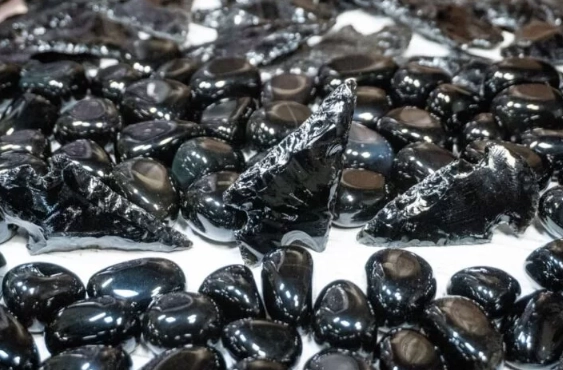
For Your Mind and Spirit (The Inner Work)
- Shadow Work Companion: This is its superstar application. "Shadow work" is the process of confronting and integrating the rejected parts of yourself—your anger, jealousy, trauma, fear. Obsidian is the perfect tool for this. Holding it during meditation or journaling can help bring these hidden feelings to the surface in a way that feels contained and safe. It's like having a tough-love therapist in rock form.
- Meditation Anchor: Trying to meditate but your mind is a runaway train? Hold a piece of obsidian in your non-dominant hand or place it at your feet. Its dense, grounding energy can help tether your awareness to your body, quieting mental chatter. It pulls your energy down from your frantic head and into the stability of the earth.
- Dream Work: Placing a piece under your pillow or on your nightstand is said to ward off nightmares and promote insightful dreams. It can help you remember dreams that have messages about your subconscious patterns.
For Your Space and Body (The Outer Work)
- Home and Space Protection: Place pieces in the corners of a room, by the front door, or near windows. The idea is that it creates a protective grid, absorbing any negative or stagnant energy that enters or accumulates. I keep a small black obsidian pyramid near my home office computer. Whether it's psychosomatic or not, the space feels clearer.
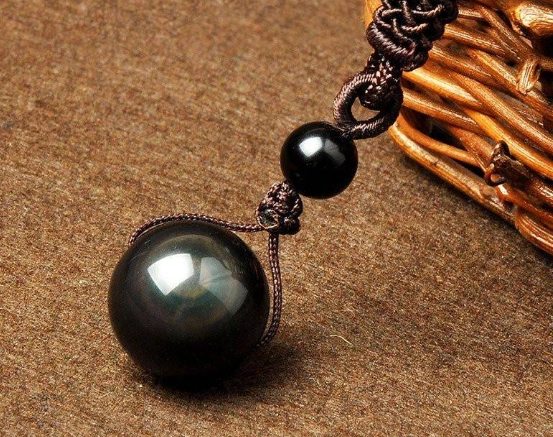
- Personal Talisman: Wearing obsidian as jewelry (a pendant, bracelet, or ring) keeps its protective field close to your body all day. A pendant is great for protecting the heart and throat chakras. Just be mindful—some people find wearing it constantly makes them feel a bit too "heavy" or introspective. Listen to your body.
- Energy Clearing Tool: You can use a polished sphere or palm stone to "scan" your aura. Gently move it around your body, a few inches away. Where you feel a pull, stickiness, or temperature change might indicate an energy blockage. The obsidian is said to help pull that stuck energy out.
Not All Obsidian Is Created Equal: A Guide to the Different Types
Here's where it gets fun. Black obsidian is the classic, but Mother Nature loves variety. Each type has the core obsidian stone meaning and uses, but with a special twist. Choosing the right one can make a big difference.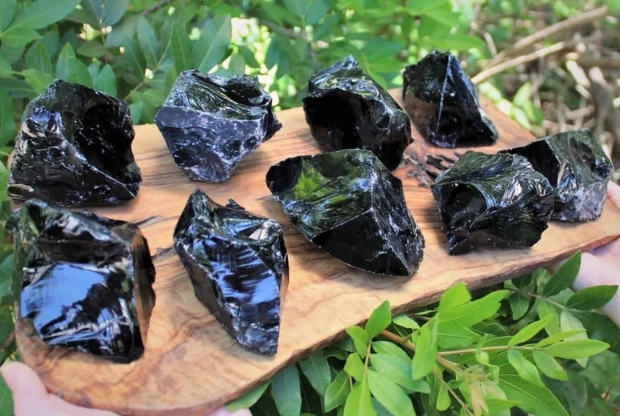
| Type of Obsidian | What It Looks Like | Unique Meaning & Best For | My Personal Take |
|---|---|---|---|
| Black Obsidian | Deep, solid black, glossy. | The ultimate protector and truth-bringer. Best for general protection, grounding, and deep shadow work. No frills, all power. | Your spiritual first-aid kit staple. Reliable, but can feel a bit blunt. |
| Snowflake Obsidian | Black with white/gray "snowflake" patterns (cristobalite inclusions). | Bringing light to the shadow. The white patterns symbolize clarity and purity amidst darkness. Perfect for when shadow work feels overwhelming—it offers compassion and perspective. | My personal favorite. It feels like it has a built-in therapist. The gentlest of the obsidian family. |
| Rainbow Obsidian | Black with a iridescent sheen of colors (greens, blues, golds, purples) when polished and hit by light. | Hope and joy after hardship. It's said to help you see the "rainbow after the storm," finding beauty and lessons in past pain. Great for healing heartbreak and trauma. | Stunningly beautiful. The energy feels more uplifting than standard black. Can be pricier, but worth it for specific emotional healing. |
| Mahogany Obsidian | Deep brown and black swirled together. | Grounding with a focus on vitality and strength. Connects you to the Earth while boosting life force energy. Good for feeling physically run down or disconnected from your body. | Feels very earthy and stable. Less about deep psyche, more about physical presence and endurance. |
| Apache Tear | Small, rounded, translucent black or dark brown nuggets. | Gentle release of grief and sorrow. The legend (of Apache warriors' tears) ties it to soothing sadness. It's a softer, more portable form of obsidian for emotional comfort. | Great for carrying in a pocket. Less intense, good for daily wear if you find black obsidian too strong. |
See? There's likely an obsidian that matches your exact need.
How to Choose Your First (or Next) Piece of Obsidian
Walking into a crystal shop or browsing online can be overwhelming. Here’s a down-to-earth approach.
- Intention is Key: Before you look, ask yourself: What do I need? General protection? Go for classic black. Help with grief? Look at Apache Tears or Snowflake. Want to find joy again after a tough time? Rainbow might call.
- The Feel Test (If Possible): If you're in a physical store, hold a few pieces. Close your eyes. Does one feel warmer, colder, heavier, or like it's "pulsing"? Do you feel drawn to one? That intuitive pull is real. Sometimes the stone chooses you. I've passed over "prettier" pieces for one that just felt right in my hand.
- Look for Quality: A good polish shows care. For black obsidian, a high-gloss, mirror-like finish is ideal for its "mirror" properties. For rainbow, the sheen should be visible under light. Avoid pieces with lots of pits or cracks unless you're specifically drawn to them (sometimes flaws have character).
- Shape Matters:
- Sphere: For radiating energy evenly in a space or for scrying.
- Palm Stone/Tumbled Stone: For holding during meditation or carrying.
- Pyramid: For focusing energy (great on an altar or desk).
- Jewelry: For constant personal protection.
Caring for Your Obsidian: It's Not Delicate, But Show It Some Love
Good news: obsidian is pretty tough for a glass. But it does have a hardness of around 5-5.5 on the Mohs scale, meaning it can be scratched by harder materials. Don't toss it in a bag with keys or other crystals like quartz.
Cleansing and Charging: Because it absorbs so much, it needs regular cleansing. Forget sunlight—it won't fade, but some say direct sun can overcharge it aggressively. Here are my go-to methods:
- Running Water: A quick rinse under cool tap water. Visualize the water washing away all the gunk it's picked up. Dry it well.
- Smoke: Passing it through the smoke of sage, palo santo, or incense.
- Earth Burial: Burying it in soil (in a cloth or container) overnight or for a full moon cycle. This is a powerful reset, reconnecting it to its source.
- Sound: Using a singing bowl, bell, or tuning fork near it.
For charging, I like placing it on a selenite slab or with clear quartz overnight. Some people charge it under the moonlight, which is a gentle option. Trust what feels right.
Answering Your Burning Questions About Obsidian Stone Meaning and Uses
Trust your intuition. It's usually right.
Wrapping It Up: Is Obsidian Right for You?
Exploring the full spectrum of obsidian stone meaning and uses is a journey. It's not a lovey-dovey, feel-good crystal (though Snowflake and Rainbow come close). It's a tool for warriors, seekers, and anyone tired of feeling emotionally or spiritually vulnerable. It offers a profound sense of protection that comes from within, from facing your own shadows and emerging stronger.
If you're seeking comfort and gentle reassurance, look to rose quartz or amethyst first. But if you're ready to do the real, gritty work of self-discovery and want an unshakable anchor in this chaotic world, then yes—obsidian is absolutely right for you. Start with a small, tumbled stone. Hold it. Sit with it in silence. See what truths it reflects back to you. You might be surprised by what you find, and more importantly, by the strength you already have to face it.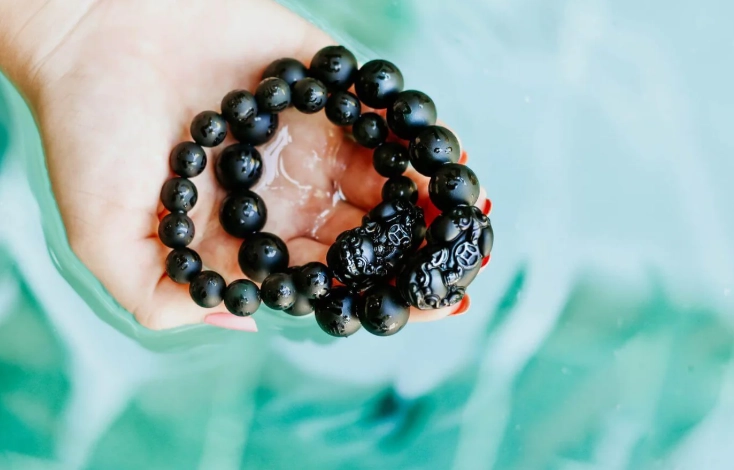
Just remember, like any good tool, respect it. Cleanse it. And don't be afraid of the reflections you see in its dark mirror. That's where your real power is waiting.
Related Articles
Moss Agate Properties: The Ultimate Guide to Meaning, Uses & Healing

The RISC-V ecosystem is about to explode, and the flat-headed brother enters the
Rhodolite Garnet: A Complete Guide to Its Color, Value & Meaning
Blue Aventurine Meaning: Healing Properties, Uses & Benefits
Obsidian Crystal Meaning: Healing, Protection & Practical Uses