Let's be honest. The crystal world can feel overwhelming. Rose quartz for love. Amethyst for calm. Clear quartz for... everything. But what about that soft, pink stone you saw tucked away in the corner with a name you stumbled over? Kunzite.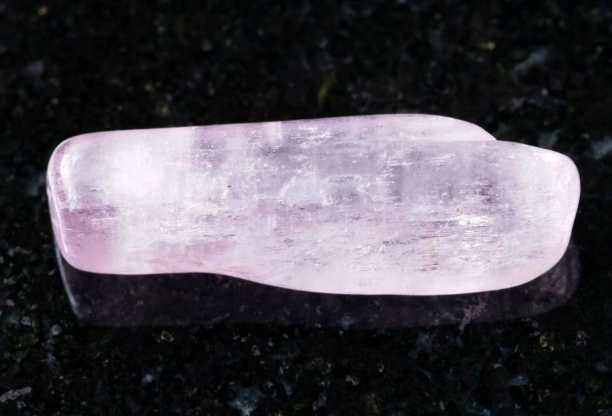
It's time we talked about it. Not as a replacement for your old favorites, but as a secret weapon.
Most articles will tell you kunzite is a pink to violet variety of spodumene, a lithium mineral. They'll mention its connection to the heart chakra and emotional healing. That's true, but it's like saying a car is a mode of transport. Technically correct, but it misses the soul.
Kunzite doesn't just heal. It operates on a different frequency.
What You'll Find in This Guide
What Kunzite Means & Why It's Special
Kunzite is a pink to violet gemstone, a variety of the mineral spodumene. Its color comes from trace amounts of manganese. But to stop there would be a disservice. Its true magic lies in its combination of lithium and manganese. Lithium brings a lightness, a mental clarity that is often described as "gentle". Manganese provides the emotional depth, the pink hue that resonates directly with the heart.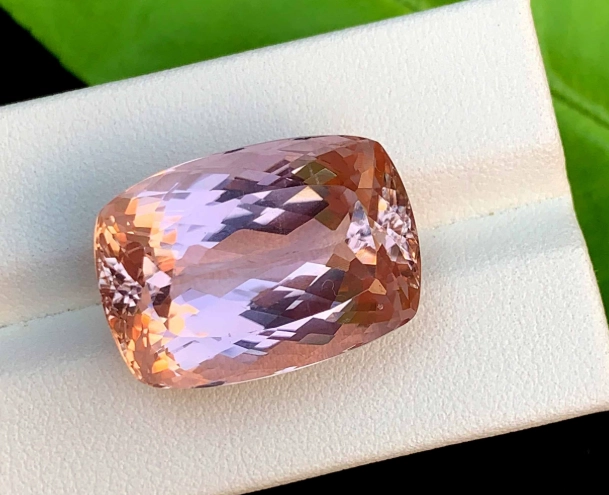
Imagine a stone that doesn't scream for attention, but whispers. That's kunzite.
I first encountered kunzite over a decade ago in a dusty gem shop in Brazil. The owner, an old man with hands like leather, held a rough piece up to the light. "This," he said, "is not for shouting. It is for listening." He was right. Most people buy crystals for their looks. They want something that sparkles. Kunzite doesn't sparkle in the traditional sense. It glows with a soft, internal light. A light that seems to amplify the quiet spaces within you.
This is not just another "love" stone. While it is deeply connected to the heart chakra, its energy isn't about passionate, romantic love. It's about unconditional love. The kind you have for yourself. The kind that allows you to forgive your own mistakes, to sit with sadness without being consumed by it.
I've seen clients hold a piece of kunzite during difficult conversations and find the words flowing more calmly. I've used it myself during periods of intense self-doubt. It doesn't magically erase the doubt. Instead, it creates a small, quiet space around it. A space where you can breathe.
The Healing Properties of Kunzite: Beyond the Surface
Most lists will give you a bullet-point list of kunzite's healing properties. Emotional healing, stress relief, promoting compassion. All true, but let's connect them into a real-life scenario.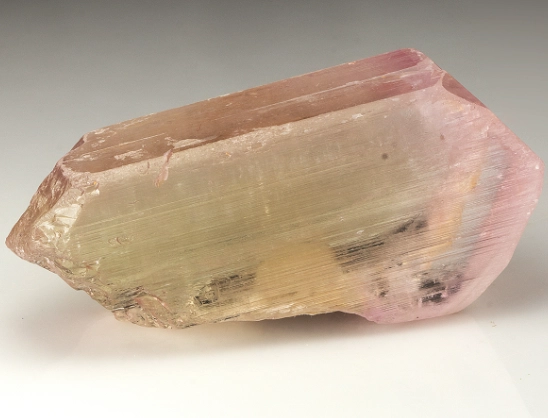
Let's talk about emotional healing. This is where kunzite truly shines, and where most crystal guides gloss over the nuance. They'll say "kunzite heals heartbreak." That's too simplistic. Heartbreak isn't a single emotion. It's a tangled web of grief, anger, betrayal, and fear. Kunzite doesn't just target "heartbreak." It works on the attachment that causes the prolonged suffering.
Think of it this way. When you lose someone or something, the pain often comes from the story you tell yourself. "I wasn't enough." "This always happens to me." Kunzite's energy gently helps you untangle yourself from that story. It doesn't erase the memory; it softens its grip on your identity.
Here's a practical example. A client came to me after a brutal divorce. She was stuck in a loop of replaying every argument, every perceived flaw. She wasn't just sad; she was defining herself by the failure of the marriage. We worked with a piece of kunzite during our sessions. Slowly, she began to separate her sense of self-worth from the event. The kunzite didn't make her forget; it made the memories feel less personal, less defining.
This is a subtle but crucial difference that most crystal sellers won't tell you. They'll sell you on the idea that holding the stone will make the pain vanish. It won't. What a genuine piece of kunzite can do is change your relationship to the pain.
On a physical level, kunzite is often associated with lithium. While I must stress that no crystal is a substitute for professional medical treatment, the traditional lore connects it to calming the nervous system and easing tension. Many users report a noticeable sense of physical relaxation when using it, particularly during times of high anxiety or before sleep.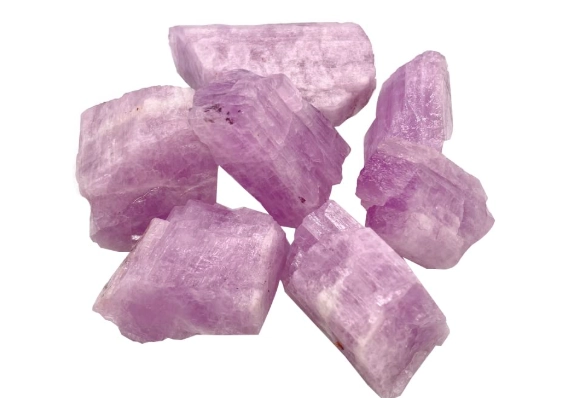
Emotional Healing: The Core of Kunzite's Power
This is where I see the most common mistake. People buy a piece of kunzite, place it on their nightstand, and expect a profound emotional shift overnight. It doesn't work like that. Crystals are not switches; they are catalysts. Kunzite is particularly subtle. Its work is often cumulative and background.
That subtlety is its strength, but also why it gets overlooked.
A common misconception is that you need a large, expensive piece to benefit from its energy. That's simply not true. I have a small, unpolished piece from that same Brazilian shop that sits on my desk. Its impact has been more consistent than any larger specimen I've owned. The key is consistency of presence, not size or price.
Mental Clarity and Stress Relief
In today's world, stress is a given. Kunzite's claim to fame in mental healing is its supposed ability to calm a racing mind. From my experience, it's less about forcing your thoughts to stop and more about creating space between them.
Here's an analogy. Imagine your mind is a turbulent river. Most "calming" crystals try to build a dam. Kunzite, instead, gently widens the riverbanks. It doesn't stop the flow; it gives it more room to move without crashing into the sides.
This is why I often recommend kunzite to people who find traditional meditation difficult. They sit down, try to clear their mind, and get frustrated by the influx of thoughts. Holding kunzite during a breathing exercise can provide a gentle focal point. The mind latches onto the stone's energy, the warmth in your hand, the subtle color shift – anything other than the mental chatter itself.
How to Actually Use Kunzite in Your Life
So, you're intrigued. You want to bring this energy into your life. Great. Let's move beyond the theory and into the practical. Forget the vague "place it on your heart." That works, but there are more effective ways.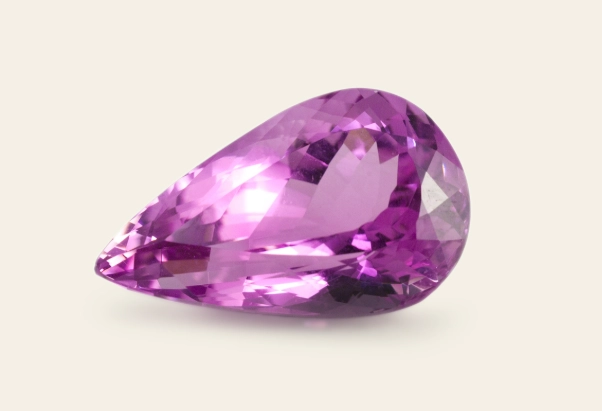
Meditation with Kunzite
This is where most guides fail. They tell you to hold the stone, visualize pink light, and feel the love. If you're new to meditation, that's a tall order.
Try this instead. Sit comfortably, hold the kunzite in your non-dominant hand (left hand if you're right-handed), and simply feel its weight. Notice the temperature. Is it cool? Does it warm up as you hold it? Don't try to visualize anything. Just breathe, and keep returning your attention to the physical sensation of the stone in your hand. That's it. The stone's energy works in the background, quieting the noise by giving your mind a single, simple point of focus. The physical sensation.
I've found this method to be far more accessible for beginners. It's tangible. It's real.
Wearing Kunzite Jewelry
Wearing kunzite as jewelry is a powerful way to keep its energy close throughout the day. But there's a catch – a big one that most sellers won't tell you.
Kunzite is photosensitive. Its color can fade with prolonged exposure to direct, strong sunlight. This is not a minor detail; it's a critical property that defines how you must care for it.
This leads to the most common mistake I see: people wearing their kunzite rings or pendants all day, every day, including in direct sunlight. You wouldn't leave a hundred-dollar bill in the sun, would you? Treat your kunzite with the same respect.
- Necklaces and pendants: Generally safe if worn under clothing most of the time. The occasional walk in the sun is fine. Just don't sunbathe with it on.
- Rings and bracelets: These are the most vulnerable. Think about how often your hands are exposed to sunlight while driving, walking, or just sitting by a window. If you're someone who leads an active, outdoor lifestyle, a kunzite ring might not be the best choice for daily, constant wear. Consider saving it for evenings, indoor settings, or specific intentions.
This isn't to scare you away from wearing it. It's to empower you to use it wisely. Kunzite is a stone of gentle, consistent energy. Wearing it for short, intentional periods can be more effective than having it fade on your hand without you even noticing.
Placement in Your Home or Space
For emotional healing, try placing a piece in the room where you have difficult conversations or where you tend to retreat when feeling overwhelmed. For stress relief, a small stone on your work desk, near your computer, can act as a subtle reminder to pause and breathe.
The point is intentionality. Don't just scatter a few pieces around your house. Place one with purpose.
Kunzite vs. Rose Quartz: Which One is Right for You?
This is the question I get asked the most. "I want a pink stone for love. Should I get rose quartz or kunzite?"
My answer is always: "It depends on what kind of 'love' you're looking for."
This is a crucial distinction that gets blurred all the time. Let me clear it up with a simple table. Think of it like choosing between two different types of music.
| Stone | Energy Analogy | Best For... | Potential Drawback |
|---|---|---|---|
| Rose Quartz | A warm, familiar folk song. Comforting, nostalgic, reminding you of love's existence in the world. | Soothing old emotional wounds, attracting new romantic love, promoting general feelings of care and affection. | Can feel a bit too general, lacking direction for specific issues. |
| Kunzite | A gentle, modern classical piano piece. It creates a clear, structured space for emotions to be examined without judgment. | Releasing the specific attachment or story causing pain, fostering self-love and forgiveness, emotional clarity during complex situations. | Its subtlety might be missed if you're expecting a dramatic, immediate shift. |
Rose quartz is like a comforting blanket. It's wonderful, and everyone should have one. But sometimes, you need to actually wash the blanket to move forward. Kunzite is the gentle, but effective, wash.
If your goal is general feelings of love and comfort, rose quartz is a perfect choice. If you're dealing with a specific, recurring emotional pattern that you realize is no longer serving you, that's where kunzite's precision comes in.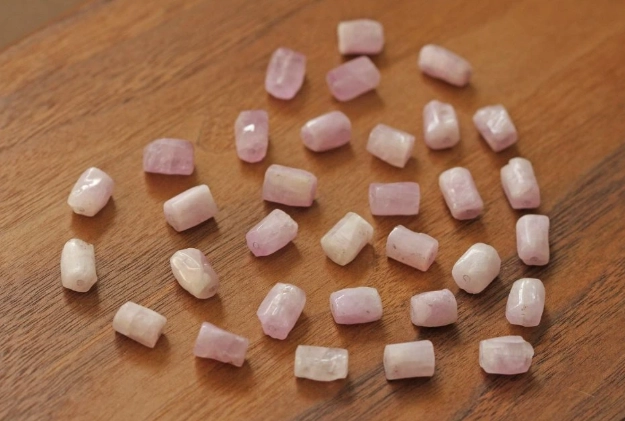
Buying Kunzite? Don't Get Scammed. Read This First.
The crystal market, unfortunately, is rife with misrepresentations. Kunzite, due to its increasing popularity, is a prime target. Here are the red flags I've learned to spot over years, often the hard way.
1. The Price That's Too Good to Be True
This is the biggest one. Genuine kunzite, especially in larger sizes or with exceptional color, is not cheap. Spodumene is a relatively common mineral, but gem-quality kunzite is rare. If you see a large, deeply colored "kunzite" being sold for the same price as a small piece of rose quartz, run.
2. The Perfectly Pink, Flawless Stone
Remember what I said earlier about inclusions? Natural stones are almost never flawless. Some of the most energetically powerful pieces I've held have had minor inclusions. These aren't flaws; they're like birthmarks, proof of the stone's natural origin. A completely flawless, bubble-free stone should raise suspicion.
3. The Vague or Generic Description
A reputable seller will know about kunzite's photosensitivity and will either mention it or be able to answer your questions about it. If the description just says "pink crystal for love," that's a lazy red flag. Look for details about the source (even if it's just a country), the cut, and the clarity.
4. The Synthetic or Treated Stone Passed as Natural
This is a more advanced one. Some glass or synthetic materials are sold as kunzite. Here's a trick I learned from that old Brazilian shopkeeper: Natural kunzite's color fades evenly in sunlight. If you see a stone with sharp, uneven color zones that don't fade at all, it's likely treated or fake. Also, feel its weight. Kunzite has a specific gravity, so it should feel denser than glass or quartz of a similar size.
My advice? Buy from sellers who specialize in spodumene or kunzite specifically. Ask questions. A genuine seller will be transparent about the stone's properties.
Your Kunzite Questions, Answered (Without the Fluff)
Conclusion
Kunzite is not a crystal for everyone. It doesn't shout. It doesn't promise instant miracles. What it offers is something far more valuable: a gentle, persistent space for healing to occur on your own terms. In a world full of noise, that quiet space might be exactly what you need.
If you've read this far, you're likely ready to experience it for yourself. My suggestion? Start small. Find a piece that speaks to you, not just based on its color or clarity, but on a feeling. Hold it. Sit with it for five minutes without expectation. See what happens. You might be surprised at what you hear in the silence.
Related Articles
What Does Tourmaline Do Spiritually? A Complete Guide to Its Healing Powers
Kunzite Value: Is This Pink Gemstone a Good Investment?
Unveiling Onyx Stone Benefits: What Does It Help With?
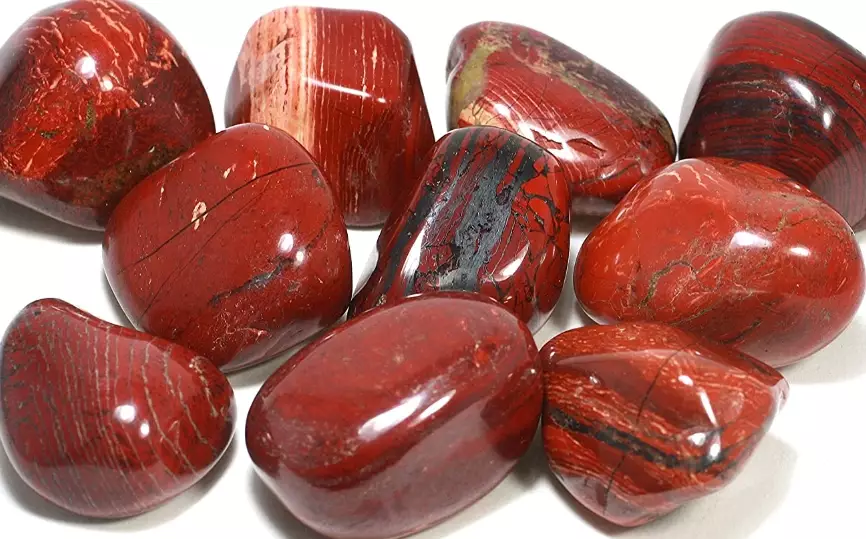
Red Jasper Benefits and Uses: What Is This Grounding Stone Good For?

Cold thinking under the wafer factory boom!
