Let's be honest. We're all drawn to blue crystals. There's something about that color—from the pale sky of an aquamarine to the deep midnight of a sapphire—that just feels calming, mysterious, and powerful. But if you've ever stood in a crystal shop, overwhelmed by rows of blue stones, wondering what the real difference is between lapis lazuli and sodalite, or if those claims about "throat chakra healing" are legit, you're not alone.
I've been collecting and working with crystals for over a decade, and the blue family is where most people start—and where most confusion sets in. This guide cuts through the noise. We won't just list stones; we'll explore what makes each one unique, how to actually use them in your daily life, and the mistakes I see beginners make all the time.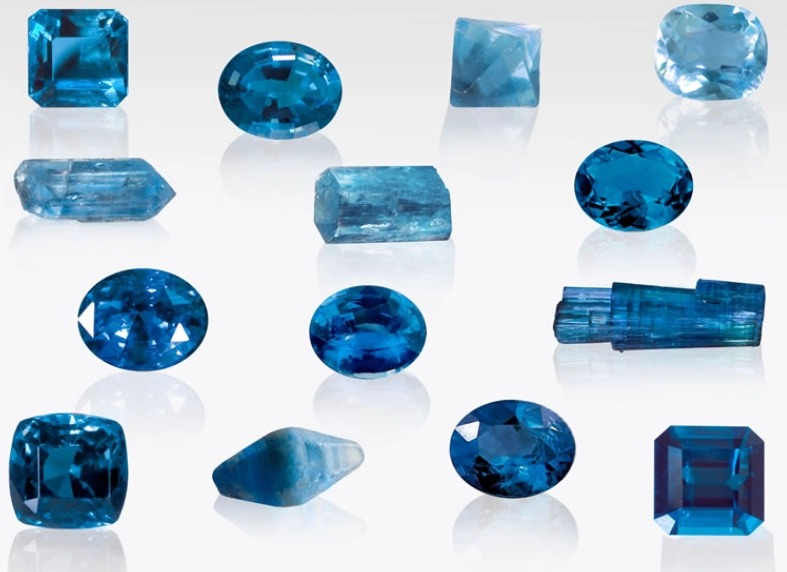
What's Inside: Your Blue Crystal Roadmap
- Why Blue Resonates: More Than Just a Calming Color
- A Detailed Look at Top Blue Crystals and Gemstones
- How to Choose Your First Blue Crystal (A Practical Framework)
- Using Blue Crystals Effectively in Your Daily Routine
- Clearing and Charging Your Blue Crystals: Best Practices
- Expert FAQ: Your Blue Crystal Questions Answered
Why Blue Resonates: More Than Just a Calming Color
We often hear blue is for "calm and communication." That's a good start, but it's a bit simplistic. Think about the spectrum. A light blue celestite feels vastly different from a dark, speckled blue goldstone. The energy varies.
In my experience, blue crystals primarily work on the spectrum of expression and truth. On one end, you have stones that help with internal clarity—sorting out your own thoughts and feelings (like blue lace agate). On the other end, you have stones that give you the courage to express those truths outwardly, even when it's difficult (like lapis lazuli). The color's depth often hints at its function: lighter for personal clarity, darker for empowered expression.
This is why just grabbing any blue stone for "stress" might not work. If your stress comes from not speaking up, a dark blue stone might be better. If it's from mental chatter, a light blue one could be the key.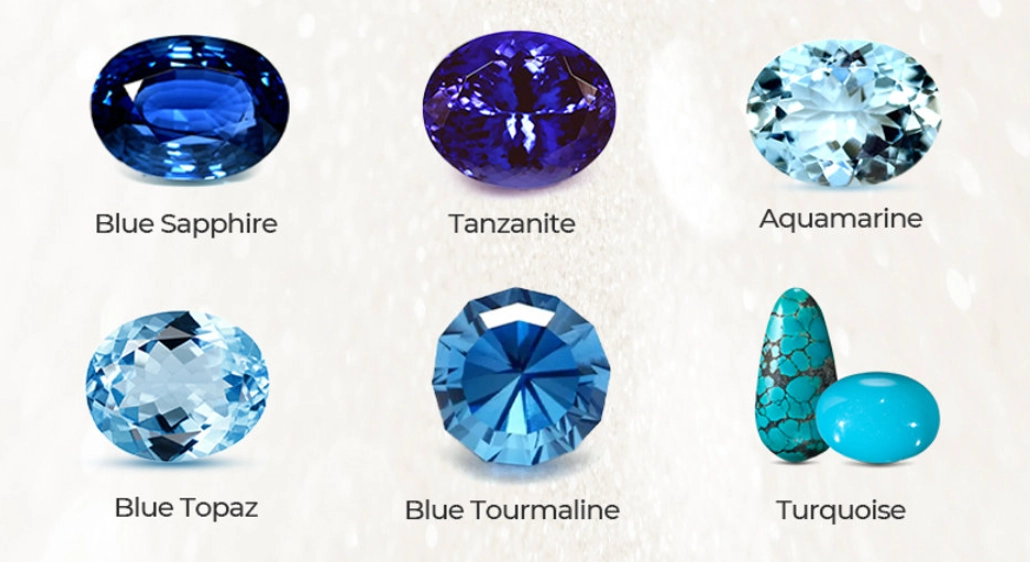
A Detailed Look at Top Blue Crystals and Gemstones
Here’s where we get specific. Forget vague meanings. Let's link properties to real-life use cases.
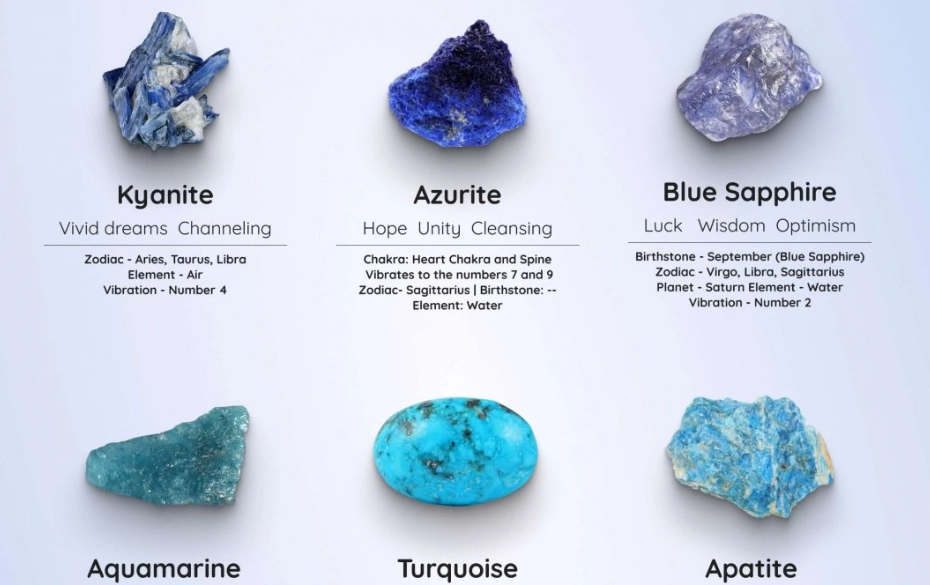
| Crystal Name | Key Color & Look | Primary Associations | Best For (A Real-Life Scenario) | My Personal Note |
|---|---|---|---|---|
| Sapphire | Deep royal blue, transparent | Wisdom, focus, spiritual clarity | Preparing for an important exam or a complex strategic decision at work. It's not a "luck" stone; it's a "sharp mind" stone. | Often overpriced in esoteric shops. A small, natural sapphire cabochon is more effective than a large, perfect synthetic one. |
| Aquamarine | Pale blue to blue-green, clear | Calm communication, soothing fear, clarity | Having a difficult conversation with a partner or preparing for public speaking when you feel nervous. It's like a deep breath in crystal form. | The color can fade in direct sunlight. Store it carefully. |
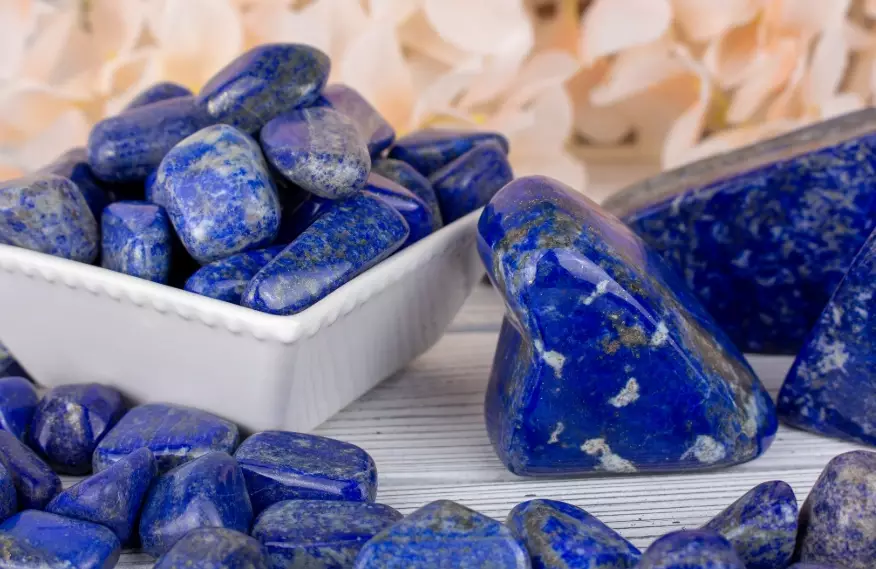
| Lapis Lazuli | Deep blue with gold pyrite flecks | Self-expression, truth, personal power | When you need to set a firm boundary or advocate for yourself in a situation where you've been quiet. The pyrite flecks are key—they add a spark of confidence. | Much of what's sold is dyed howlite. Real lapis feels denser, and the blue is uneven. A reputable dealer like the Gemological Institute of America (GIA) has resources on identification. |
| Blue Lace Agate | Very light blue with white bands | Gentle communication, peace, releasing tension | End-of-day wind-down, especially if your job involves talking or dealing with conflict. It helps quiet the internal replay of conversations. | An affordable and underrated starter stone. Its energy is soft, not weak. |
| Azurite | Rich azure blue, often mixed with malachite (green) | Psychic insight, intuition, breaking old thought patterns | Creative blocks or when you feel stuck in a repetitive emotional loop. It's for deep, sometimes uncomfortable, introspection. | Often found as azurite-malachite. It's a soft stone—don't get it wet. The combo is powerful for change. |
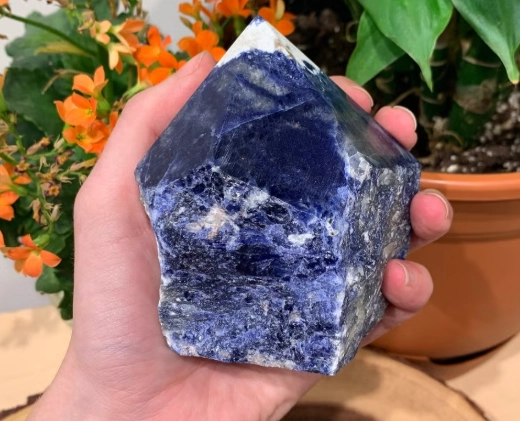
| Sodalite | Dark blue with white calcite veins | Logic, rational thought, group harmony | Team projects, studying complex material, or mediating disagreements. It balances blue's emotion with clear-headedness. |
You'll notice I didn't include "blue goldstone" in that main table. That's because it's man-made glass with copper inclusions. It's beautiful and can be a great focus stone, but it doesn't have the same geological energy as a naturally formed crystal. It's a decor item first.
How to Choose Your First Blue Crystal (A Practical Framework)
Don't just buy the prettiest one. Here's a method I've used for years.
Step 1: Identify Your Intent. Be specific. Not "I want to be happy." Try "I want to feel calmer during my Monday meetings" or "I need to find the right words for a difficult email." Write it down.
Step 2: Match the Energy. Use the table above. For the meeting calm, maybe Aquamarine or Blue Lace Agate. For the difficult email, perhaps Lapis or Sodalite for clear, firm expression.
Step 3: The Physical Test (The Most Important Step). Go to a shop if you can. Hold the stones you've shortlisted. Close your eyes. Which one feels right? Does one feel warmer, heavier, or simply more "magnetic" to your hand? Your intuition here is more valuable than any book description. I've chosen rough, ugly pieces over flawless ones because the connection was stronger.
Step 4: Consider Form. A tumblestone for your pocket, a tower for your desk, a pendant to wear over your throat? Your intended use dictates the form.
The One Mistake Almost Everyone Makes
People buy a crystal based solely on a written description they read online, ignoring how it actually feels to them. A crystal's energy interacts with *your* energy. If a famous "calming" stone like celestite feels oddly agitating to you, it's not the right stone for you at this moment. Trust that.
Using Blue Crystals Effectively in Your Daily Routine
Owning them isn't enough. You have to engage with them.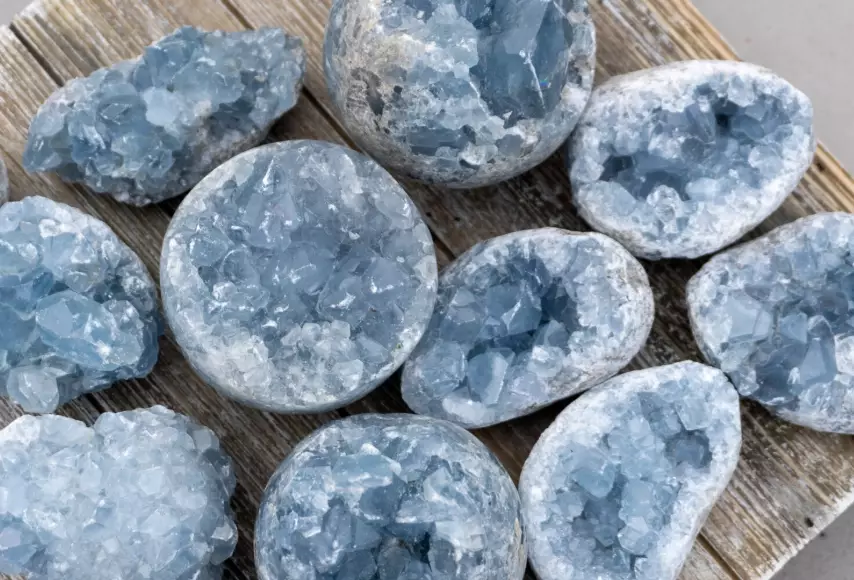
For Communication: Hold a lapis lazuli or sodalite in your dominant hand while drafting an important message. Place an aquamarine on your desk during video calls.
For Stress & Sleep: Put a piece of blue lace agate or a small amazonite under your pillow. Keep a celestite cluster in your living room to soften the overall energy of the space.
For Creativity & Insight: Meditate with azurite for 5-10 minutes before a brainstorming session. Keep it on your writing desk or art studio.
The key is consistency. It's like building a relationship. A five-minute daily check-in is better than a two-hour session once a year.
Clearing and Charging Your Blue Crystals: Best Practices
They absorb energy and need resetting. Not all methods suit all blues.
- Water Warning: Many blue crystals are water-soluble or contain elements that rust. Do not soak lapis lazuli, azurite, malachite, or celestite. A quick rinse under running water is okay for most, but pat dry immediately.
- Safe Go-To's: Smudging with sage or palo santo, sound (a singing bowl or bell), placing them on a selenite plate, or burying them in dry brown rice overnight are universally safe.
- Sunlight Charging: Be cautious. Prolonged direct sun can fade aquamarine, celestite, and amethyst. Morning or late afternoon sun for 15-20 minutes is safer than midday.
- Moonlight Charging: The full moon is excellent, especially for intuition stones like azurite. It's gentle and effective.
How often? If you use it daily, clear it once a week. If it's in a high-traffic area, maybe twice a week. You'll feel when it's "heavy" or dull.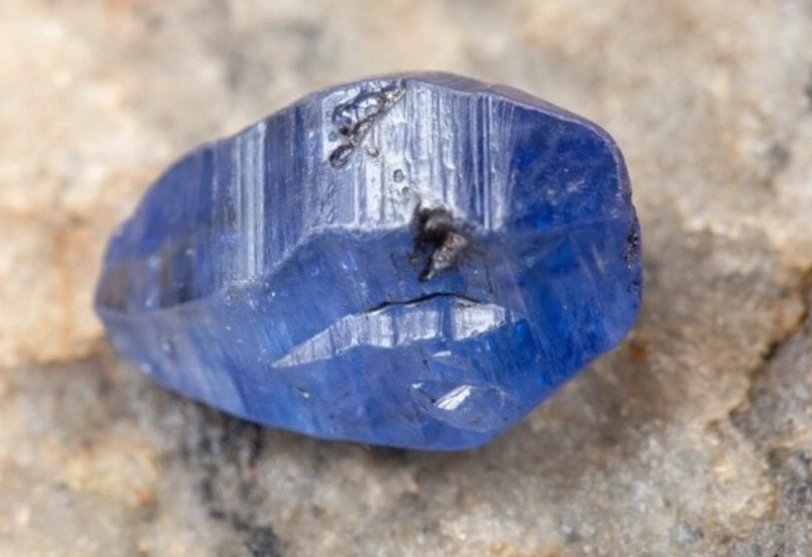
Expert FAQ: Your Blue Crystal Questions Answered
 I've heard blue crystals are linked to the throat chakra. Does that mean I should always place them on my neck?
Related Articles
Lapis Lazuli Benefits: The Ultimate Guide to Spiritual, Mental & Physical Uses
White Sodalite Crystal Meaning: Healing Properties & How to Use It
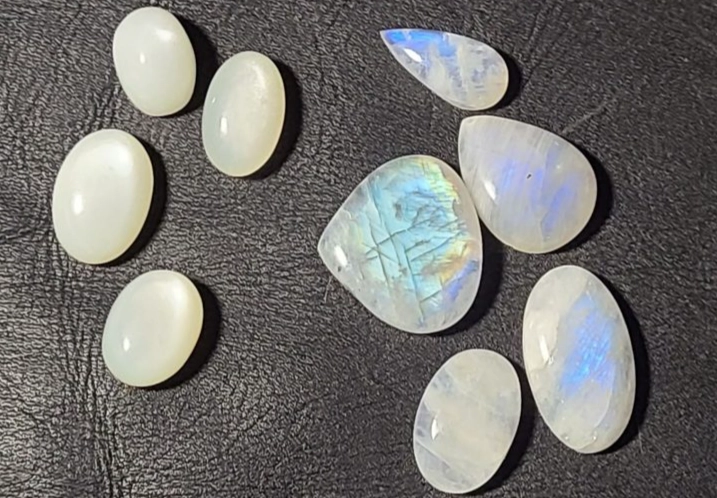
Moonstone: The Ultimate Guide to Meaning, Types & Buying Tips
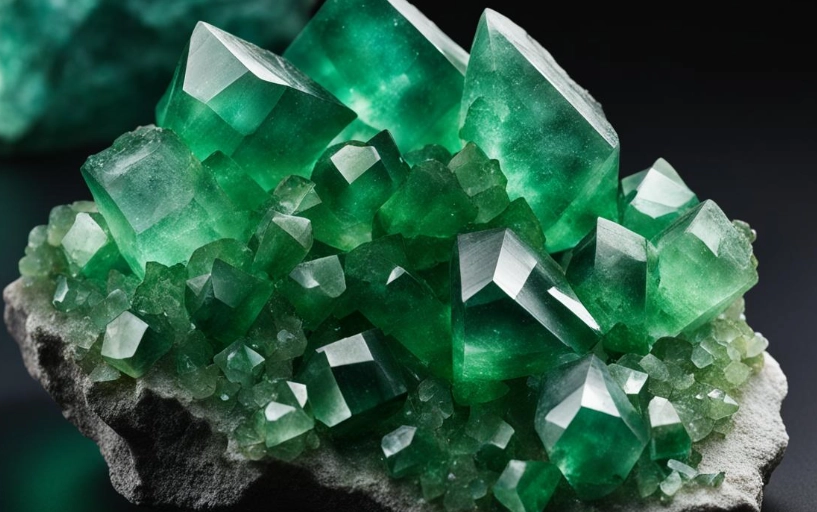
Blue-Green Fluorite Benefits: A Deep Dive into Emotional & Mental Healing
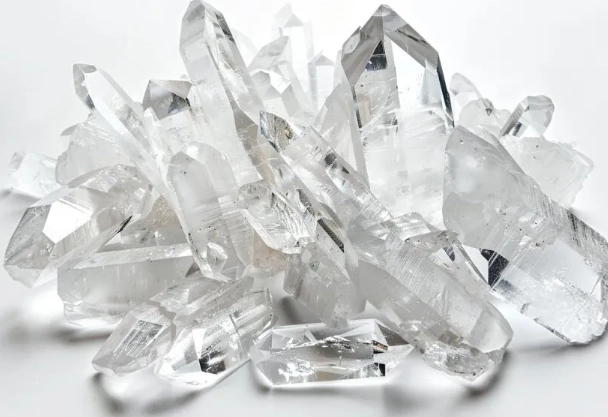
Ultimate Guide to Clear Quartz Properties & Healing Benefits
