White sapphires get marketed hard as the "smart" diamond alternative. They're durable, they're natural, and the price tag looks fantastic. I've worked with gemstones for over a decade, and I've seen the disappointment firsthand when someone's new white sapphire engagement ring looks dull and lifeless after a few months. The truth is, while they have merits, white sapphires come with a set of significant disadvantages that aren't talked about enough in glossy brochures. If you're considering one, you need to know the full picture—not just the sales pitch.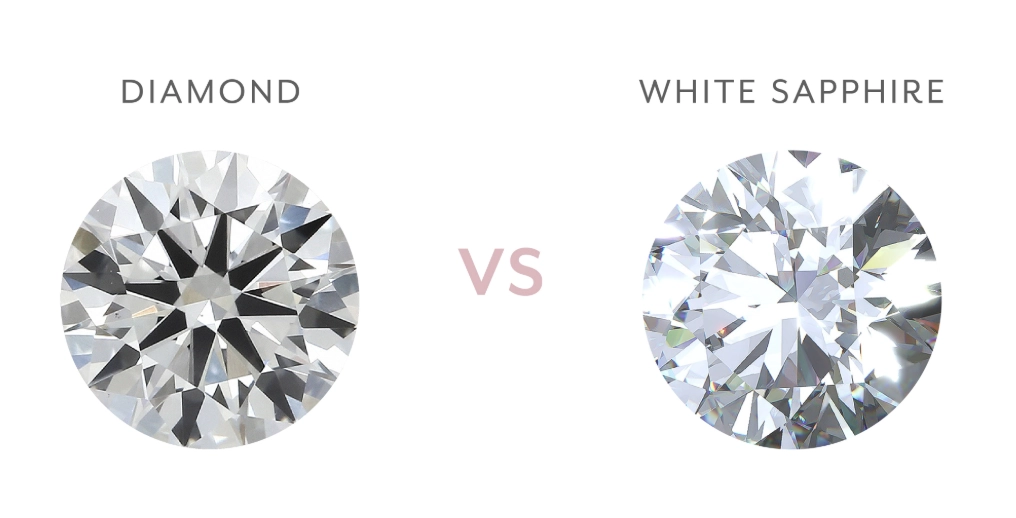
Quick Navigation: What You'll Learn
The Core Drawbacks of White Sapphire
Let's cut to the chase. Here are the main reasons a white sapphire might let you down.
1. The Biggest Issue: Lack of Fire and Brilliance
This is the deal-breaker for most people. A gem's sparkle comes from its ability to bend light (refraction) and split it into colors (dispersion). Diamond has a refractive index (RI) of about 2.42 and high dispersion. White sapphire? Its RI is around 1.76. That's a massive difference.
In plain English, a white sapphire doesn't bounce light back with the same intensity or colorful flashes. It often looks glassy, flat, or milky. In dim lighting, it can look almost dead. A friend of mine chose a beautiful 2-carat white sapphire solitaire. In the store's bright lights, it was okay. At a restaurant dinner, she kept looking at her hand thinking it was dirty. It wasn't. It was just the stone being itself—lackluster.
2. It Gets Dirty. Fast.
White sapphires are grease magnets. Their crystal structure and surface properties attract oils from your skin, lotion, and everyday grime faster than a diamond does. Because they lack internal sparkle to push through the grime, a thin film of oil makes them look dramatically cloudier. You might find yourself needing to clean it weekly, or even every few days, to maintain any semblance of shine.
3. The "White" Isn't Always Pure
Truly colorless white sapphires are rare. Most have faint tinges of gray, yellow, or blue. Under certain lights, this can become noticeable, giving the stone a cold or slightly off-white appearance. If you're expecting the pure, icy white of a top-grade diamond, you might be disappointed. Many are heat-treated to improve clarity, but this doesn't always achieve perfect colorlessness.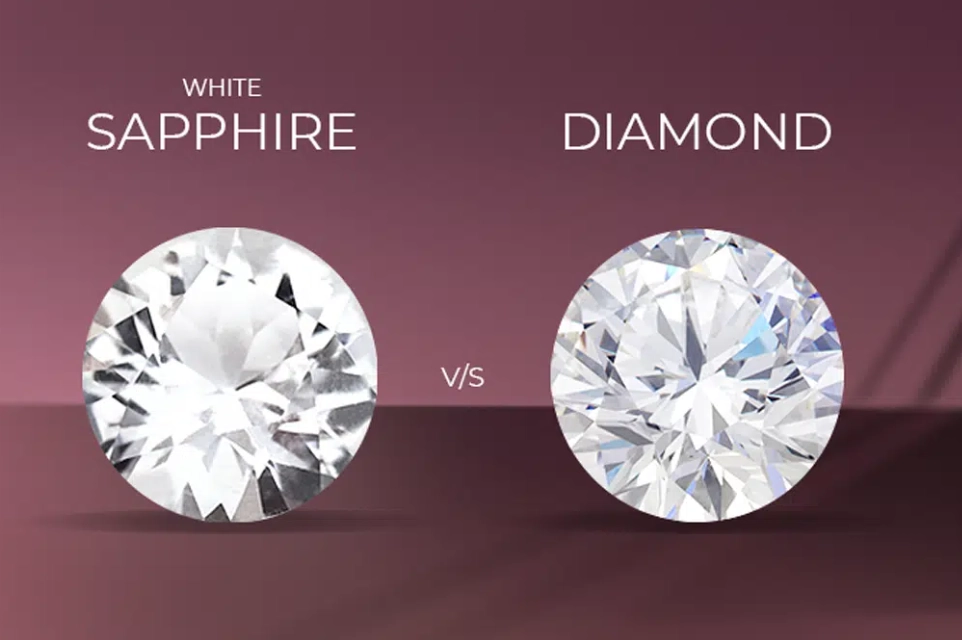
4. Poor Resale Value and Perception
This is a practical, financial downside. Diamonds, for all their controversies, have an established resale market. White sapphires have almost none. They are not considered a store of value. If you ever need to sell or upgrade, you'll likely recover a very small fraction of what you paid. Jewelers often view them as a low-value item for mounting. It's a purchase for love, not investment.
White Sapphire vs. Diamond: A Side-by-Side Reality Check
Comparing them directly makes the differences stark. Don't just take my word for it; the data tells the story.
| Characteristic | White Sapphire | Diamond | Why It Matters |
|---|---|---|---|
| Brilliance & Fire | Low to Moderate. Can appear glassy or flat. | Exceptionally High. Famous for its sparkle and rainbow flashes. | This is the visual impact. It's the first thing anyone notices. |
| Hardness (Mohs Scale) | 9 (Excellent durability) | 10 (The hardest natural material) | Both are great for daily wear, but diamond is more scratch-resistant. |
| Maintenance | High. Requires frequent cleaning due to oil attraction. | Moderate. Stays looking brighter longer between cleanings. | Affects daily enjoyment and upkeep effort. |
| Color & Clarity | Often has slight body tints (gray, yellow). Inclusions more visible due to lower refraction. | Ranges widely; can be found in pure colorless grades. Inclusions can be masked by brilliance. | Affects the stone's purity and overall beauty. |
| Cost (1ct, good quality) | $300 - $800 | $3,000 - $20,000+ | The primary reason people consider white sapphire. |
| Resale Value | Very Low ( | Moderate to High (varies, but a market exists) | Important for long-term financial consideration. |
The table shows the trade-off. You save a lot of money upfront with white sapphire, but you sacrifice the iconic sparkle, ease of care, and any future value.
A subtle mistake most people make: They compare a 1-carat white sapphire to a 1-carat diamond. But because sapphire is denser, a 1-carat white sapphire will look smaller than a 1-carat diamond. If you want the same visual size, you need a sapphire with a larger carat weight, which narrows the price gap. Always compare by millimeter dimensions, not carat weight.
How to Maximize a White Sapphire's Value (If You Still Want One)
Okay, you've read the downsides and still think it's for you. Maybe budget is the absolute priority, or you love the idea of a corundum gem. Here’s how to get the best possible version of a white sapphire.
Cut is King (More Than Ever)
With a diamond, a good cut unleashes its potential. With a white sapphire, an exceptional cut is a necessity to scrape together every bit of light performance it can muster. Look for precision-cut stones from specialty cutters, not mass-produced commercial cuts. A well-cut white sapphire will have sharper, more defined facets. It won't match a diamond, but it will be the best version of itself. This is where that "10-year expert" advice comes in: don't skimp on cut quality to get a bigger stone. A smaller, brilliantly cut white sapphire will always outperform a larger, poorly cut one.
Setting Strategy
Set it in white metal (platinum or white gold) to enhance the colorless look. Consider halo settings or designs with lots of small diamond accents. The surrounding sparkle can help compensate for the main stone's lack of fire. A simple solitaire will only highlight its flatness.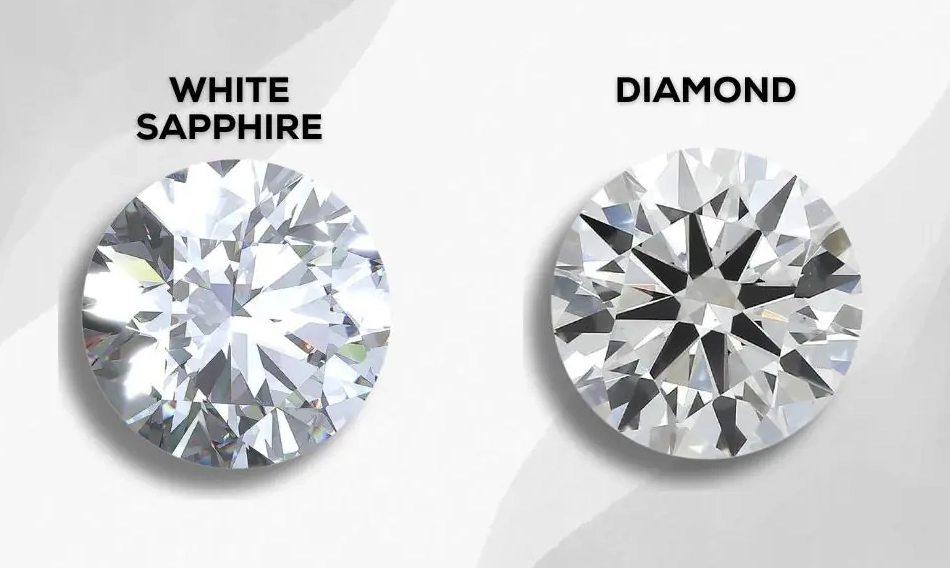
The High-Maintenance Reality: Cleaning & Care
Be prepared for this. To keep your white sapphire from looking like a foggy piece of glass, you need a routine.
- Weekly Clean: A soft toothbrush, warm water, and a drop of mild dish soap. Gently scrub around the setting. This is non-negotiable.
- Quick Wipes: Keep a soft, lint-free jewelry polishing cloth handy. Give the stone a quick rub when you take it off.
- Avoid Ultrasonic Cleaners: They're usually safe for the sapphire itself, but if the stone has fractures or the setting is fragile, they can cause damage. Steam cleaners can also be risky. Stick to the manual method.
- The moment you notice it looking dull, it's time to clean it. Don't wait.
Your White Sapphire Questions, Honestly Answered
It won't chemically yellow. Its color is stable. However, the constant oil film and dirt buildup can give it a permanent yellowish or grayish cast if not cleaned religiously. The dullness is often mistaken for yellowing.
You can't change its fundamental physics. The best tactic is to optimize the factors you control: insist on a precision, excellent cut. Choose a stone certified as "colorless" by a lab like the Gemological Institute of America (GIA). And set it in a halo of small diamonds. The diamonds will do the sparkling, and the white sapphire will act as a larger, white centerpiece.
 Is a white sapphire a good choice for an engagement ring if I'm very active or work with my hands?
Its hardness (9) makes it durable enough for daily wear and resistant to scratches—that's a valid pro. But consider the maintenance. If you're a nurse, gardener, or mechanic, your ring will get dirty incredibly fast. You'll be cleaning it constantly to see any sparkle. For an active lifestyle, a gem that hides dirt better or requires less upkeep (like a colored sapphire or a diamond) might lead to less frustration.
Optically and physically, they are identical. The disadvantages of brilliance, maintenance, and resale value apply equally. The advantage of lab-created is a lower price and guaranteed ethical sourcing. You can often get a larger or better-cut lab stone for the same price as a smaller natural one. Since resale value is negligible either way, the lab-created option is frequently the more logical choice.
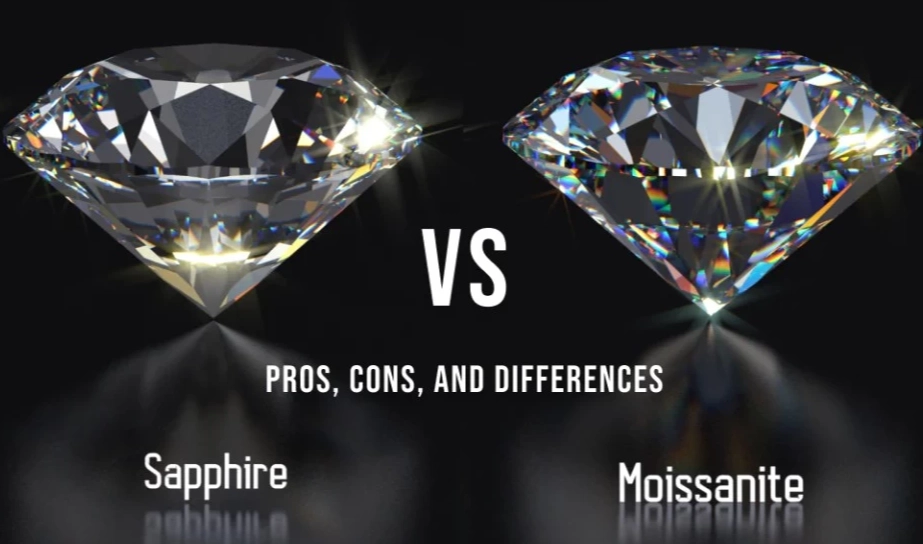
White sapphires aren't a bad gemstone. They're a different gemstone with a very specific profile. They offer durability and a white appearance at a low cost. But they demand compromises in sparkle, maintenance, and long-term value. Go in with your eyes wide open. See them in person, under normal light—not just jeweler's spotlight. Compare them directly to other options like moissanite (which has more fire) or smaller diamonds. Your jewelry should bring you joy every time you look at it, not a reminder of the sparkle you wished it had.
Related Articles
Dalmatian Jasper Meaning: Healing Properties & Spiritual Insights
Black Tourmaline and Selenite: The Ultimate Guide to the Grounding & Cleansing Duo
Lemongrass Essential Oil: Uses, Benefits & Safety Guide
Lapis Lazuli Benefits for Women: Spiritual, Emotional & Physical Healing
Malachite Properties: Healing Benefits, Uses, and Care Guide