That cool, calming blue hue you see in crystals isn't just pretty. For centuries, people have been drawn to blue stones for their association with clarity, communication, and a deep sense of peace. But with so many options—from the deep navy of Lapis Lazuli to the sky-blue of Celestite—how do you know which one is right for you? I've worked with these stones for over a decade, and I still see the same confusion. This guide cuts through the noise. We'll look beyond the color to the actual mineral, its practical uses, and how to avoid the common pitfalls that waste your time and money.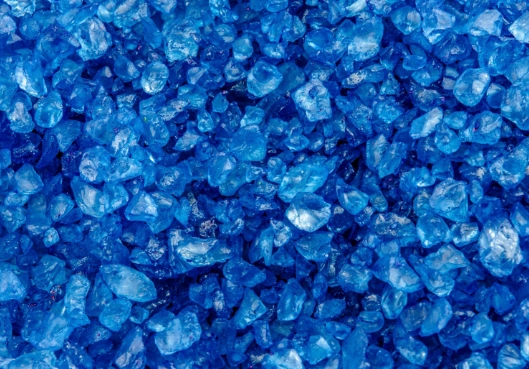
Your Blue Crystal Journey Starts Here
What Are Blue Crystals and Why Are They So Popular?
Let's get specific. "Blue crystal" isn't one thing. It's a category for minerals that get their color from trace elements. Copper often creates bright blues and greens (Azurite, Chrysocolla). Iron can lead to deeper blues (Aquamarine is a beryl colored by iron). The popularity isn't a modern fad. Historical records, like those from ancient Mesopotamia and Egypt housed in museum collections like the British Museum, show Lapis Lazuli was prized more than gold for its celestial color.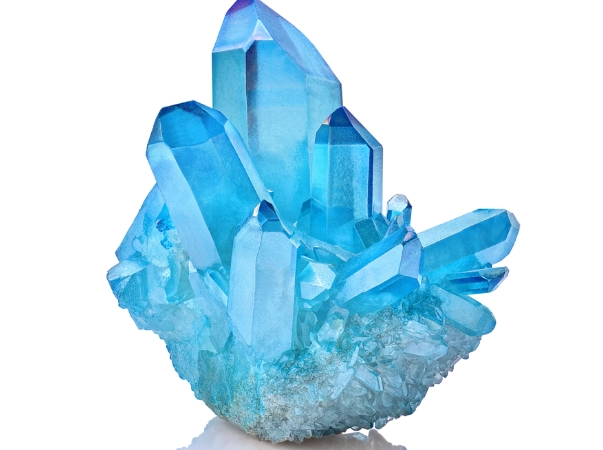
Today, the appeal is psychological and practical. Blue is linked to the throat chakra (communication) and the third eye chakra (intuition). In a world of constant digital noise and anxiety, a blue stone offers a tangible anchor for calm and clearer thinking. That's the real search intent behind "blue crystal meanings"—people are looking for tools to manage stress and express themselves better.
A Close Look at Popular Blue Crystals and Their Specific Uses
Here’s where we move from vague ideas to actionable info. This table breaks down the top contenders, but remember, price and availability can vary widely based on quality and source.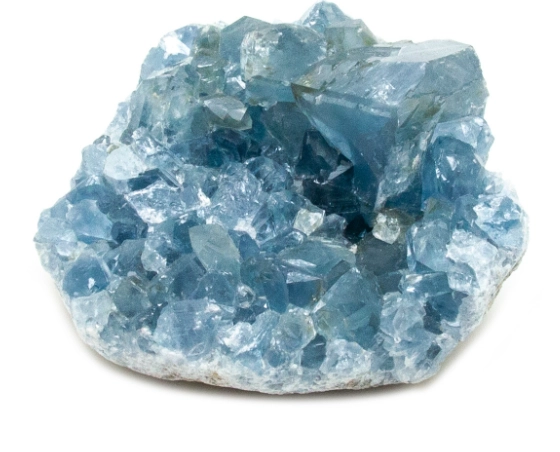
| Crystal Name | Key Characteristics & Typical Price Point | Best Used For | One Practical Tip |
|---|---|---|---|
| Lapis Lazuli | Deep blue with gold pyrite flecks. A good quality tumble stone: $15-$40. Beaded bracelet: $30-$80. | Deep introspection, accessing inner truth, boosting intellectual honesty. It's a thinker's stone. | Keep a piece on your desk when writing or doing deep work to combat superficial thinking. |
| Aquamarine | Pale blue to blue-green, transparent. More expensive. Small tumble: $25-$60. Quality depends on clarity and color saturation. | Calm communication, soothing fear of speaking (great for presentations), emotional clarity. | Wear as a pendant near the throat before a difficult conversation. Its energy is cool and poised. |
| Sodalite | Royal blue with white calcite veins, opaque. Very affordable. Tumble stone: $5-$15. A fantastic beginner stone. | Rational thought, logic, overcoming mental confusion and group anxiety. | Place it on your router or near your computer to (symbolically) help filter chaotic digital energy. |
| Blue Lace Agate | Soft, light blue with white banding. Gentle energy. Tumble stone: $5-$20. | Gentle calm, soothing anger or irritation, easing a tense throat (literally and energetically). | Hold in your hand when feeling flustered. Its effect is subtle but noticeable, like a deep breath. |
| Blue Apatite | Teal to deep blue, can be translucent. Tumble stone: $10-$25. | Motivation, overcoming procrastination, stimulating intellectual curiosity. | Use it as a focus stone when starting a new learning project or needing a creativity boost. |
Diving Deeper: Lapis Lazuli vs. Sodalite
People mix these up because they're both blue with white veining. Here's the crucial difference I learned the hard way. Lapis contains those gold pyrite flecks; Sodalite does not. Energetically, Lapis is for diving deep into the self, even if it's uncomfortable. Sodalite is more about organizing the thoughts you already have. If you're struggling with "why do I feel this way?" grab Lapis. If you're struggling with "how do I explain this mess?" grab Sodalite.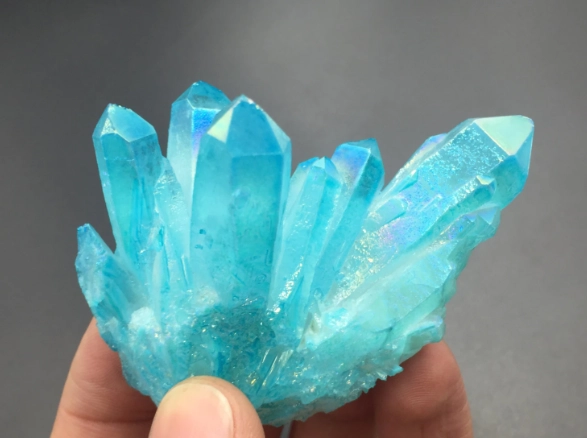
The Celestite Consideration
Celestite is that heavenly, pale blue crystal that forms delicate geodes. It's stunning on a shelf. But here's the non-consensus part: it's a terrible choice for a pocket stone or daily-wear jewelry. It's incredibly soft and fragile. Its energy is very high-vibration and ethereal—great for meditation corners but often too subtle and delicate for grounding daily stress. I see it marketed for anxiety, but a harder stone like Blue Lace Agate is far more practical for that.
How to Choose Your First Blue Crystal?
Forget complex charts. Your first choice should be simple and intuitive. Here's a method I give my clients.
Step 1: Identify Your Primary Need. Be brutally honest. Is it anxiety that needs soothing (look at Blue Lace Agate, Sodalite)? Is it a block in speaking your mind (Aquamarine, Lapis)? Is it brain fog (Sodalite, Blue Apatite)? Don't try to solve five problems with one stone.
Step 2: Set a Budget and Shop Tactically. If you're new, spend $10-$25 on a tumbles stone or small palm stone. This lets you test the energy without commitment. Etsy has great small sellers, but check reviews. Local metaphysical shops let you hold the stone first—this is invaluable. Does it feel warm, cool, heavy, light? Your physical reaction matters.
Step 3: Look for the Real Thing. Ask for the mineral name. "Blue stone" is a red flag. Real Lapis has pyrite, real Sodalite has white veins. If it's a perfectly uniform, cheap, bright blue, it's likely dyed howlite or magnesite. That's fine if you know that's what you're buying, but it won't have the same mineral properties.
I started with a cheap, dyed blue stone. It looked fake, and it felt inert. Switching to a real, rough piece of Sodalite was a night-and-day difference. The connection was immediate.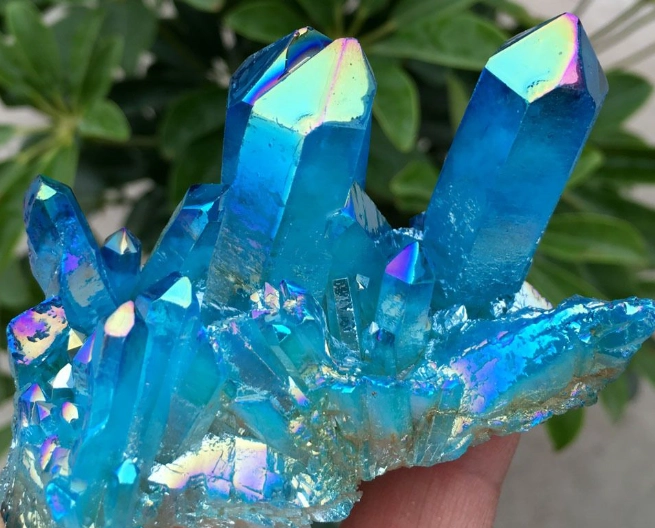
How to Use Blue Crystals in Your Daily Life?
Theory is useless without application. Here are concrete ways to integrate them.
Wear Them: A bracelet or pendant keeps the energy in your personal field all day. A Sodalite bracelet for work meetings. An Aquamarine pendant for a day of important calls.
Place Them Strategically:
- Home Office Desk: Lapis Lazuli or Blue Apatite for focus.
- Bedside Table: Blue Lace Agate for peaceful sleep (not Lapis—it can be too stimulating for some).
- Living Room: A Celestite geode on a high shelf to bring a calm vibe to the whole room.
- Car Cupholder: A tumbled Blue Lace Agate for road rage or commute anxiety. (Secure it so it doesn't roll!).
Use in Meditation: Hold a stone in your left hand (receptive hand) or place it over your throat/forehead. Don't force it. Just set an intention like "clarity" or "calm" and breathe.
Create a Communication Grid: This is an advanced but powerful tip. Before a big family gathering or team workshop, place four Blue Lace Agates in a square around the perimeter of the room (or a picture of the room). In the center, place one Sodalite. This is said to set a container for calm, clear dialogue. It sounds out there, but I've had clients swear by it for diffusing tension.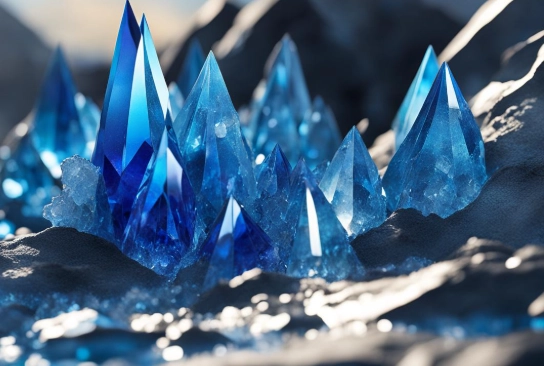
Cleaning and Charging Your Blue Crystals: A Practical Guide
Think of crystals like sponges; they absorb energy and need wringing out. A neglected stone can feel dull, both physically and energetically.
Cleaning (Weekly):
- Running Water: Quick rinse under lukewarm tap water for 30 seconds. Warning: Do NOT do this for Selenite, Celestite, or any soft, layered, or crumbly stone—it will dissolve!
- Smoke: Passing through sage or palo santo smoke.
- Sound: A singing bowl or bell tone.
Charging (Monthly or when feeling "low"):
- Moonlight: Overnight on a windowsill, especially during a full moon. Safe for all stones.
- Sunlight: Use with extreme caution. Brief morning sun (15 mins max) is okay for some, but Aquamarine, Amethyst, and Celestite will fade dramatically. I ruined a beautiful Amethyst cluster this way. Not worth the risk for most blues.
- Earth: Burying in dry soil (in a breathable bag) for 24 hours for a deep reset.
The biggest mistake? Not doing it at all. You'll wonder why the stone "stopped working." It's just full.
Your Blue Crystal Questions Answered
Can I wear multiple blue crystals together for anxiety?
You can, but it's often less effective than focusing on one. A common mistake is creating a 'crystal salad' where energies compete. For anxiety, a single, charged piece of Sodalite or Blue Lace Agate held during moments of stress is more targeted. Layer pieces only if you understand their specific roles—like Lapis for deep insight and Aquamarine for calm expression—otherwise, stick to one at a time.
How can I tell if my blue crystal is real or just dyed glass?
Check for perfection and temperature. Dyed glass or resin fakes often have bubbles, too-uniform color, and feel light and warm to the touch. Real stones like Lapis Lazuli have pyrite flecks (gold specks), Calcite veins (white lines), and feel cooler and heavier. For Blue Apatite, look for natural color zoning and slight internal fractures. A reputable dealer who provides the mineral name (e.g., 'Sodalite,' not just 'blue crystal') is your first line of defense.
Is it safe to put blue crystals like Celestite in my drinking water?
Almost never. This is a major safety oversight. Many blue crystals contain metals like copper (Azurite, Chrysocolla) or lead (some Lapis Lazuli deposits) that can leach toxic elements into water. Soft stones like Celestite or Selenite will dissolve and ruin both the water and the crystal. Always use the indirect method: place your crystal in a glass container, then place *that* container into your water pitcher, creating an energetic charge without physical contact.
Which blue crystal is best to keep by my bed for better sleep?
Blue Lace Agate is the top choice for most. Its gentle, calming energy quiets a racing mind without being sedating. Avoid high-energy stones like high-vibration Celestite or intense Lapis Lazuli right by your pillow, as they can stimulate dreams or mental activity. Place a small Blue Lace Agate tumble stone on your nightstand. For chronic insomnia paired with anxiety, pairing it with a non-blue stone like Smoky Quartz under the bed can ground those intense energies more effectively.
Related Articles
What is the Manifestation of Malachite? A Deep Guide to Its Forms & Uses
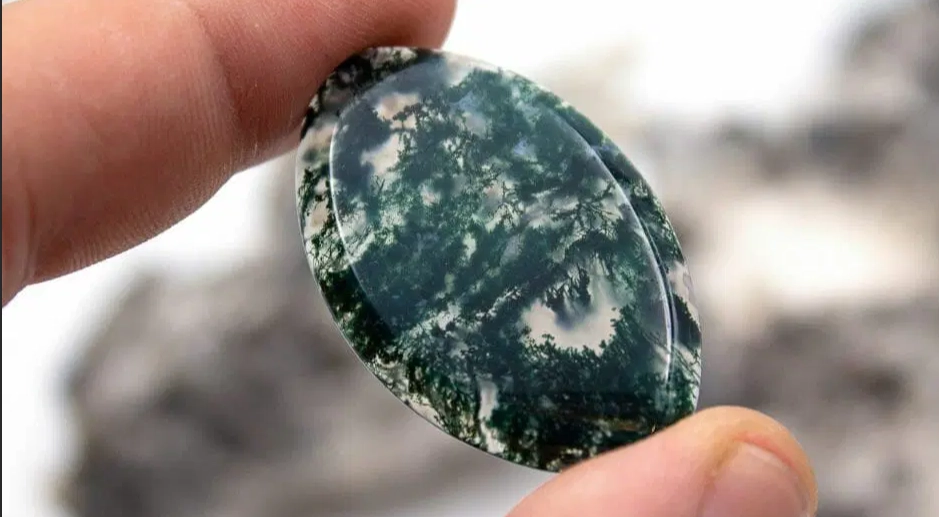
Moss Agate: A Real Gemstone with Ethereal Beauty
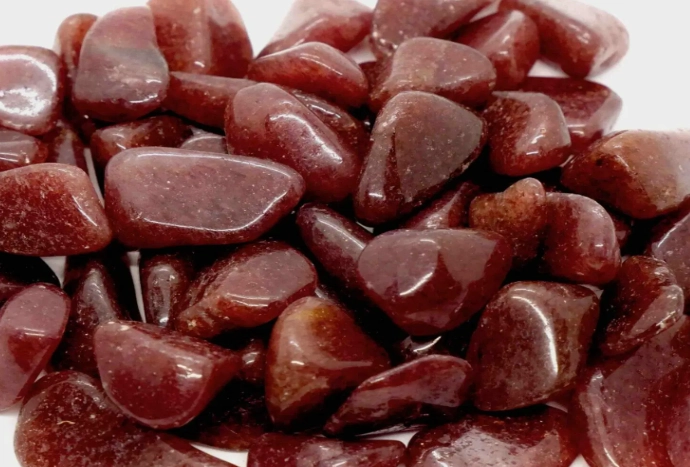
Red Aventurine: Complete Guide to Healing Properties and Practical Uses
Which Zodiac Signs Should Avoid Citrine? (And Who Thrives!)
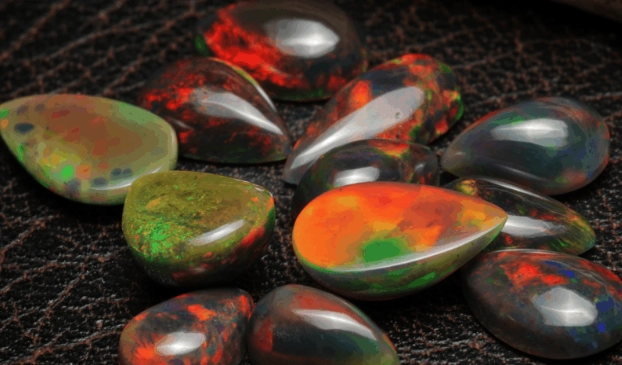
Opal Spiritual Meaning: Colors, Healing Properties & Myths Explained