Quick Navigation
- So, What Exactly Is Red Jasper? Let's Get Geological
- Beyond the Physical: The Meaning and Metaphysical Properties
- How to Actually Use Red Jasper in Your Daily Life
- Buying Guide: How to Choose a Quality Red Jasper Stone
- Cleansing and Charging Your Red Jasper: Simple Methods
- Red Jasper vs. Other Similar Stones
- Answering Your Burning Questions (FAQ)
- Final Thoughts: Is Red Jasper Worth the Hype?
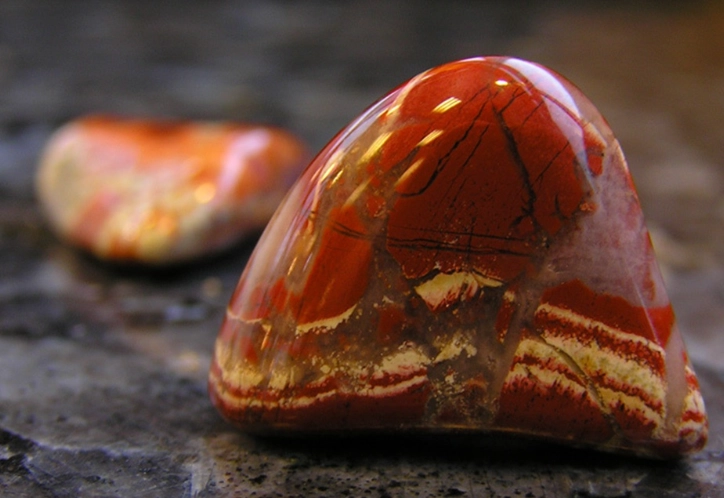
Let's be real, the first thing that grabs you about a red jasper stone is its color. It's not a shy, pastel red. It's a deep, earthy, sometimes brick-red or even a rusty brownish-red that looks like it's been pulled straight from the heart of the earth. And in a way, it has. If you've found yourself holding one, maybe in a crystal shop or as a gift, and wondered what the big deal is, you're in the right place. I remember picking up my first piece years ago, thinking it was just a pretty paperweight. Boy, was I wrong.
This isn't going to be a dry, textbook lecture. Think of it as a chat with someone who's spent too much time (and maybe a bit too much money) learning about these fascinating stones. We'll cut through the fluffy crystal hype and get down to the tangible stuff—what it actually is, where it comes from, what people genuinely use it for, and how you can tell if you've got a good piece. We'll also tackle the big question: is it all just a nice story, or is there something more to holding a piece of ancient, solidified sediment?
Red jasper stones have been around humans for millennia, used as tools, talismans, and ornaments. That longevity alone tells you there's something compelling about them. So, whether you're a crystal newbie just dipping your toes in, a seasoned collector looking for deeper info, or someone who's just plain curious, let's unravel the world of red jasper together.
Bottom Line Up Front: Red jasper is a variety of chalcedony, a microcrystalline quartz. It gets its signature color from iron inclusions (think rust). It's opaque, relatively hard, and found all over the world. Metaphysically, it's known as the "supreme nurturer" and a stone of stability and grounding.
So, What Exactly Is Red Jasper? Let's Get Geological
Before we talk about energy or healing, we need to understand what we're actually holding. Calling it just a "red rock" does it a disservice.
Red jasper is part of the huge quartz family. Specifically, it's a form of chalcedony, which is quartz made up of super tiny crystals you can't see with the naked eye (microcrystalline). What makes it a jasper and not, say, an agate? A few key things. Jasper is always opaque, meaning no light passes through it. It's also known for being a bit impure—those beautiful colors and patterns come from other minerals and elements that got mixed in while it was forming. For red jasper, the star of the show is iron oxide (hematite). That's what gives it those rich red, brown, and ochre tones. It's essentially a stone stained by ancient rust.
It forms in a pretty cool way. Picture volcanic ash or silica-rich sediment settling at the bottom of ancient seabeds or lakes. Over millions of years, under heat and pressure, this material solidifies. But because the process is often inconsistent, with different minerals seeping in, you get those unique patterns, streaks, and spots. No two pieces are ever exactly alike, which is part of the charm. It has a Mohs hardness of around 6.5 to 7, so it's durable enough for daily wear in jewelry but can still be scratched by harder materials.
Major sources of red jasper include India, Brazil, Russia, and parts of the United States. The specific location can influence its look—some have more brown, some are vivid red, others have interesting orb-like patterns.
Physical Properties at a Glance
Sometimes a quick list is easier to digest.
- Mineral Class: Silicate, variety of Chalcedony/Quartz
- Color: Red, brick-red, brownish-red, often with variations and patterns.
- Luster: Dull to Vitreous (glassy) when polished.
- Transparency: Opaque.
- Hardness: 6.5 - 7 on Mohs scale.
- Key Composition: Silicon Dioxide (SiO2) with Iron Oxide impurities.
Beyond the Physical: The Meaning and Metaphysical Properties
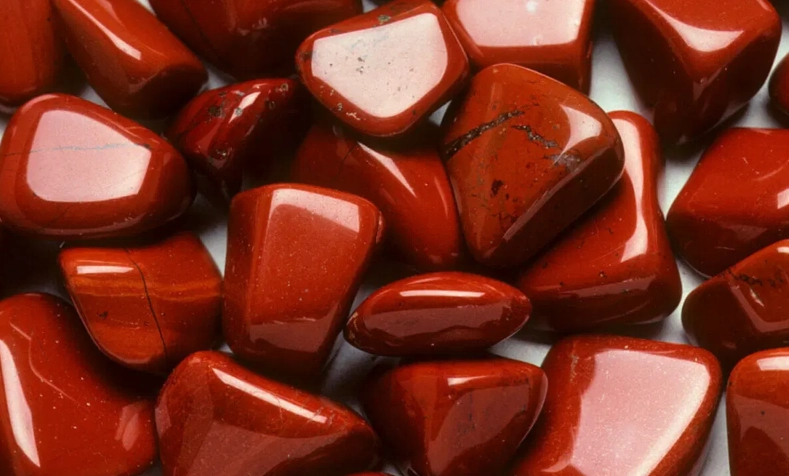
Alright, here's where we step into territory that some people swear by and others raise an eyebrow at. I'll lay out the traditional and modern beliefs around red jasper stones. You can take what resonates and leave the rest. The key theme across cultures and time? Grounding, vitality, and protection.
In many ancient cultures, red-colored stones were linked to blood, life force, and the earth. Red jasper was no exception. Warriors carried it for courage and protection in battle. It was thought to staunch blood flow and heal wounds faster (likely due to its color association). Today, in crystal healing practices, its meaning has evolved but sticks to those core ideas.
Emotional and Mental Benefits People Talk About
This is where most modern users connect with red jasper. Life can feel chaotic, right? Our minds race, anxiety buzzes, and we feel unmoored. Red jasper is often called the "stone of endurance." It's not a fast-acting, high-vibe crystal. It's slow, steady, and stabilizing.
- Grounding & Stability: This is its number one job. It's said to connect you firmly to the present moment and the physical earth, pulling you out of anxious thought loops and "head in the clouds" daydreaming. When you feel scattered, holding a piece can feel like a gentle but firm anchor.
- Courage & Motivation: Linked to its historical use by warriors, it's believed to bolster determination and the will to tackle difficult tasks. It doesn't create energy out of thin air, but rather helps you tap into your own reserves. Procrastinators, take note.
- Emotional Nurturing & Balance: It's nicknamed the "supreme nurturer" for a reason. It's thought to provide a sense of emotional stability and security, helping to soothe stress and absorb negative emotional energy. It's like a steady, reassuring friend who doesn't offer platitudes but just solid presence.
I keep a palm stone on my desk. On days when deadlines are looming and my brain is a browser with 50 tabs open, I'll just hold it for a minute. Does it magically solve my problems? No. But the simple, mindful act of focusing on its cool, solid weight does help me pause and re-center. Placebo? Maybe. Helpful? Definitely.
Purported Physical and Spiritual Connections
In crystal healing, red jasper is often associated with the root chakra (the energy center at the base of the spine linked to survival, security, and grounding). A balanced root chakra is thought to foster feelings of safety and being "at home" in your body and the world.
Physically, it's traditionally linked to the blood, liver, and circulatory system—again, that connection to vitality and life force. Important Disclaimer: These associations come from historical and alternative practices. Red jasper stones or any crystal are not a substitute for professional medical advice, diagnosis, or treatment. Always consult a healthcare provider for medical issues. The International Gem Society provides excellent, science-based information on gemstone properties that separates geological fact from lore.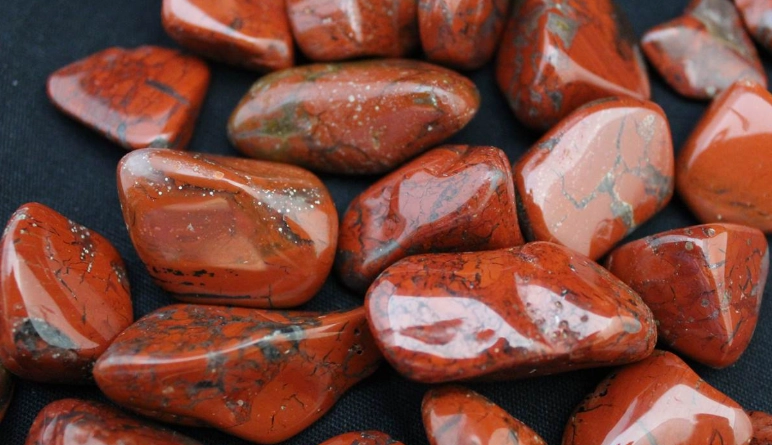
A Reality Check: The metaphysical market is full of exaggerated claims. I'm skeptical of anyone who says a red jasper stone will "cure" anything. View its potential benefits as supportive tools for mindfulness, intention-setting, and creating a sense of ritual in your self-care practice, not as medical interventions.
How to Actually Use Red Jasper in Your Daily Life
Theory is great, but practice is better. How do you move from owning a red jasper stone to actually incorporating its purported benefits? Here are practical, non-weird ways people use them.
Meditation and Mindfulness
This is the simplest and most direct method. Hold a piece in your non-dominant hand during meditation. Focus on its weight, temperature, and texture. If you believe in its grounding properties, visualize its energy connecting you to the earth like roots from your feet. Even if you don't, using it as a tactile focal point can significantly deepen a meditation practice by giving your mind a simple job.
Wearing It as Jewelry
Keeping a stone in constant contact with your skin is a popular method. A red jasper bracelet, pendant, or ring allows its energy (or simply the reminder of its intention) to be with you all day. It's discreet and stylish. Look for pieces where the stone is set in a way that allows skin contact.
Strategic Placement in Your Home or Office
Think of it like feng shui with crystals.
- Home Office or Study Desk: For focus, stamina, and beating procrastination.
- Near the Front Door: Placed on a shelf or in a bowl, it's said to act as a protective, grounding energy for the whole household.
- Your Bedroom: Some believe it can promote restful sleep by easing the mind of the day's stresses, though others find its energizing properties too stimulating for nightstands. Try it and see.
Carrying a Tumbled Stone or Palm Stone
Keep one in your pocket, purse, or glove box. Whenever you feel stressed, anxious, or disconnected, reach in and hold it. It becomes a personal, portable touchstone for calm.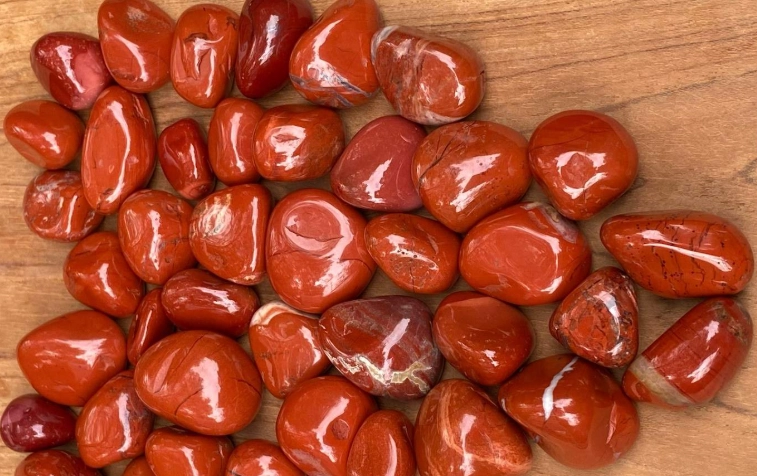
Buying Guide: How to Choose a Quality Red Jasper Stone
The market is flooded with crystals, and quality varies wildly. Here’s how to not get ripped off and find a piece that speaks to you.
Identifying Real vs. Fake
Fortunately, red jasper is common and inexpensive to mine, so it's rarely faked outright with plastic or glass. The bigger issue is mislabeling—selling a dyed agate or other stone as red jasper. Here's what to look for:
- Color: Natural color is earthy and often uneven. Be wary of pieces with unnaturally bright, uniform, or neon reds—these are likely dyed.
- Texture & Pattern: It's opaque and often has a granular, speckled, or streaky appearance. If it has perfect bands, it's probably an agate.
- Temperature: Real stone feels cool to the touch and takes a moment to warm up in your hand. Plastic or resin will feel lighter and warm quickly.
- The Scratch Test (Careful!): Real jasper (hardness 6.5-7) cannot be scratched by a steel knife (hardness ~5.5). If a vendor allows it, a gentle try on an inconspicuous spot can confirm. Don't do this on polished jewelry!
For definitive scientific classification of minerals like jasper, resources from institutions like the U.S. Geological Survey are invaluable for understanding their geological context.
Different Forms and What They're Good For
| Form | Best Used For | My Personal Take |
|---|---|---|
| Tumbled Stones | Carrying in pocket, meditation, gridding. | The most versatile and affordable starter option. Smooth and pleasant to hold. |
| Raw / Rough Pieces | Display, strong grounding meditation, garden placement. | I love the raw, earthy energy. They feel more connected to their source. Can be sharp, so handle carefully. |
| Polished Palm Stones | Stress relief, focused meditation, desk companion. | My favorite. Fits perfectly in the palm, the polish highlights the beautiful patterns. |
| Jewelry (Beads, Cabochons) | All-day wear, constant energy contact, fashion. | Makes the benefits wearable. Ensure the setting allows skin contact if that's your goal. |
| Spheres & Pyramids | Energy work, space cleansing, decorative focal points. | More for advanced users or collectors. Spheres are said to radiate energy evenly. |
Ethical Sourcing: A Growing Concern
It's worth asking vendors about the origin of their stones. Were they mined with attention to environmental impact and fair labor practices? While not always easy to verify, supporting sellers who prioritize ethical sourcing is a positive step. Reputable dealers are becoming more transparent about their supply chains.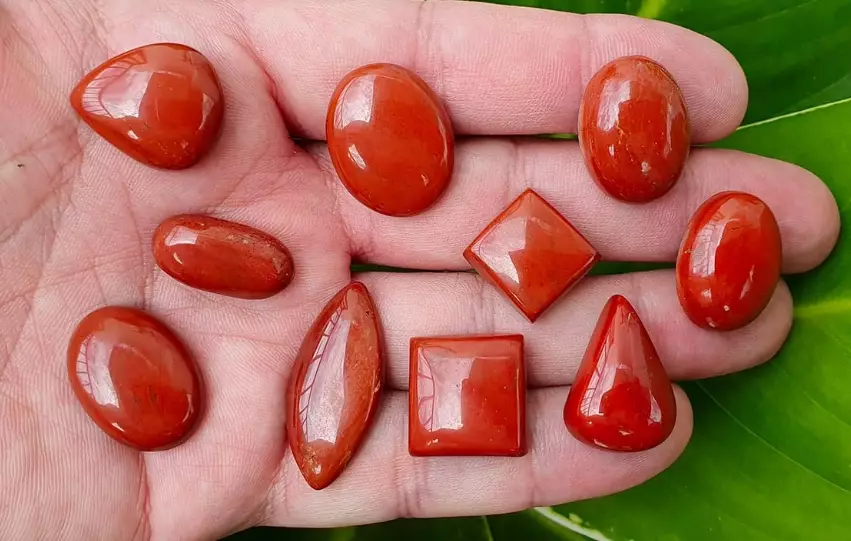
Cleansing and Charging Your Red Jasper: Simple Methods
In crystal practice, it's believed stones absorb energy and need occasional "resetting." Even if you're skeptical, cleansing is a nice ritual to refresh your intention for the stone. Here are safe methods for red jasper (it's generally a tough stone).
Do:
- Running Water: A quick rinse under lukewarm tap water. (Physical note: Avoid if your stone has cracks or is glued in jewelry).
- Sunlight or Moonlight: Placing it in direct sunlight for a few hours or under moonlight overnight. Sunlight can fade some crystals, but red jasper's color comes from iron and is usually stable. A few hours is safe.
- Earth Burial: Bury it in soil (in a container or marked spot!) for 24 hours for a powerful grounding recharge.
- Smoke: Passing it through the smoke of sage, palo santo, or incense.
- Sound: Using a singing bowl, bell, or tuning fork near it.
Don't (or Use Caution):
- Salt Water: Salt can be corrosive and damage the surface or any metallic setting. I'd avoid it.
- Harsh Chemicals or Cleaners: Never. Soap and water is fine for cleaning dirt.
How often? Trust your intuition. If the stone feels "heavy" or you've been through a major stressful event with it, it's probably time. For maintenance, once a month is common.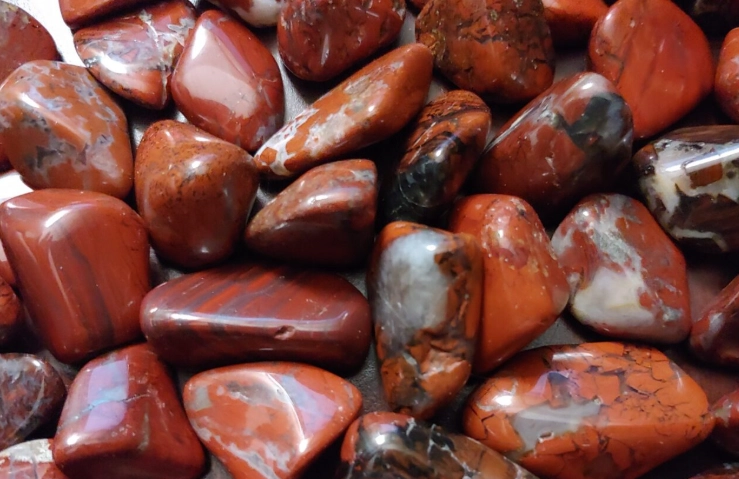
Red Jasper vs. Other Similar Stones
It's easy to get confused. Here’s a quick comparison to clear things up.
Red Jasper vs. Bloodstone (Heliotrope): Bloodstone is a dark green jasper with red spots (like blood drops). Red jasper is primarily red/brown. Bloodstone is more associated with physical healing and courage, while red jasper is about grounding and endurance.
Red Jasper vs. Carnelian: This is a common mix-up. Carnelian is a translucent to opaque chalcedony, usually in orange to orange-red shades. It's brighter and often has a waxy luster. Red jasper is darker, more opaque and earthy. Carnelian is linked to creativity and motivation; red jasper to stability and nurturing.
Red Jasper vs. Brick Red Jade: Real jade (nephrite or jadeite) is much tougher and has a different crystalline structure. It's often more expensive. "Red jade" is often a misnomer for red jasper. A gemological test is the only sure way, but price and vendor reputation are clues.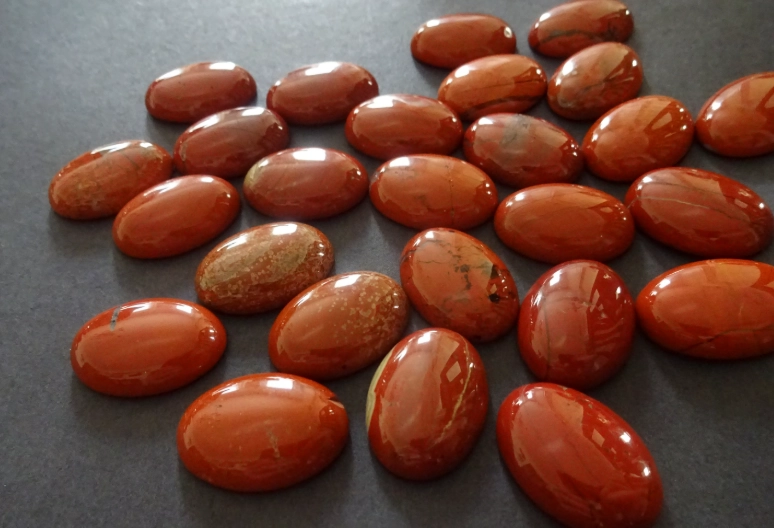
Answering Your Burning Questions (FAQ)
Generally, yes. It's a stable stone. You can rinse it to cleanse it. However, avoid prolonged soaking, especially in salt water or if it's in jewelry with metal settings that could tarnish or if the stone has been treated or cracked.
Some people do to promote grounding dreams and emotional security. However, others find its stabilizing, slightly energizing vibe too stimulating for sleep. It might keep you awake. Try it on your nightstand first instead of directly under your pillow.
It's most commonly linked to Aries (for its fiery, courageous energy) and Virgo (for its grounding, practical nature). But honestly, any sign can benefit from its grounding properties, especially if they feel scattered or anxious.
We covered this earlier, but the quick checks: earthy, uneven color (not neon), opacity, cool temperature, and hardness. When in doubt, buy from a reputable dealer. The Gemological Institute of America (GIA) is the world's foremost authority on gems and provides extensive educational resources that can help you become a more informed buyer.
For a powerhouse grounding combo, pair it with Black Tourmaline (for protection) or Smoky Quartz (for dissolving negativity). To balance its earthy energy with higher vibes, try Clear Quartz (amplification) or Amethyst (spiritual connection).
First, don't panic. Metaphysically, some say it absorbed a lot of negative energy or completed a big task for you. Practically, it could be due to a pre-existing flaw, thermal shock (sudden temperature change), or a hard knock. You can still use the pieces, or you can respectfully bury them as a thank you.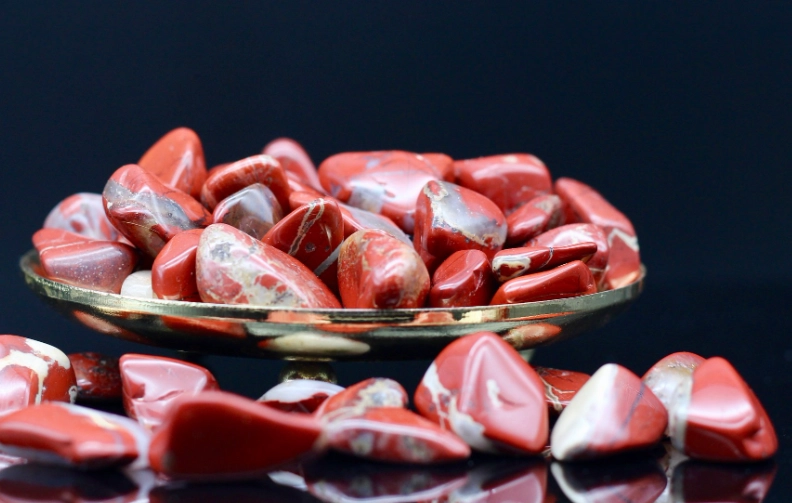
Final Thoughts: Is Red Jasper Worth the Hype?
Look, the crystal world is full of trends and overpriced, hyped-up stones. Red jasper isn't one of them. It's a humble, ancient, and widely available stone. Its value isn't in its price tag (it's quite affordable) but in its purported steadfast, grounding energy.
Will a red jasper stone solve all your problems? Absolutely not. No crystal will. But can it serve as a beautiful, tangible reminder to stay grounded, to nurture yourself, and to face challenges with steady courage? In my experience, yes, it absolutely can.
Its greatest power might be in its simplicity. It doesn't promise enlightenment or instant wealth. It promises stability. And in a world that often feels anything but stable, that might be exactly what you're looking for. Whether you're drawn to its rich color, its geological story, or its metaphysical reputation, a piece of red jasper connects you to the enduring, slow, and solid rhythm of the earth itself. And sometimes, that connection is everything.
So go find a piece that feels right in your hand. Don't overthink it. Start simple. See what it brings to your life. You might just be surprised by this unassuming, earthy stone.
Related Articles

A past story of MCU

7 Crystal Types: A Guide to Their Properties & How to Use Them
Moonstone Properties Guide: Healing, Meanings & How to Use
Garnet Crystal: Meanings, Uses & How to Spot Real vs Fake
Dalmatian Jasper Meaning: Healing Properties & Spiritual Insights