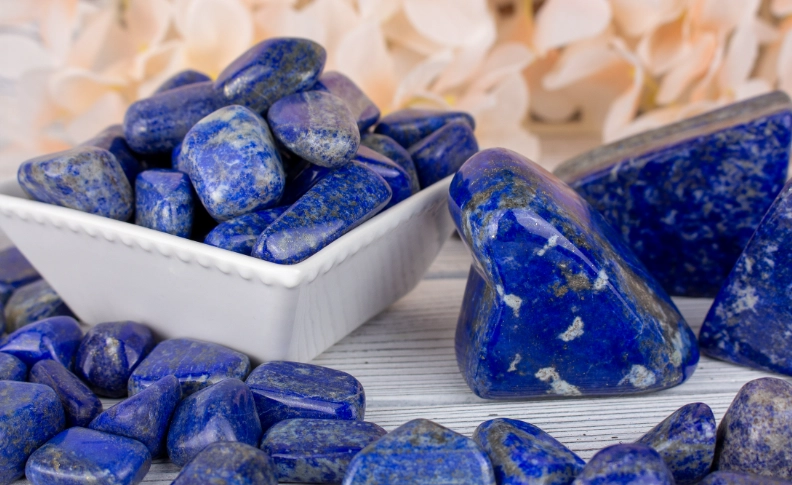
I bought my first piece of lapis lazuli about twelve years ago. It was a small, tumbled stone from a street market. I thought it was just a cool-looking blue rock. I had no idea it was once more valuable than gold, ground into pigment for masterpieces, or that I was holding what ancient Egyptians called the "Stone of the Gods." I tossed it in a bowl with other crystals and mostly forgot about it. That was my first mistake. Treating lapis like a decorative trinket misses the point entirely. This stone isn't just blue; it's a deep, cosmic navy speckled with gold pyrite (fool's gold) and veined with white calcite. That specific composition isn't a flaw—it's the key to its power. Most beginners see the white streaks as imperfections and seek out "pure" blue stones. An expert knows that the calcite brings a necessary grounding energy to lapis's intense psychic vibration. Without it, the stone's energy can feel overwhelming, even chaotic.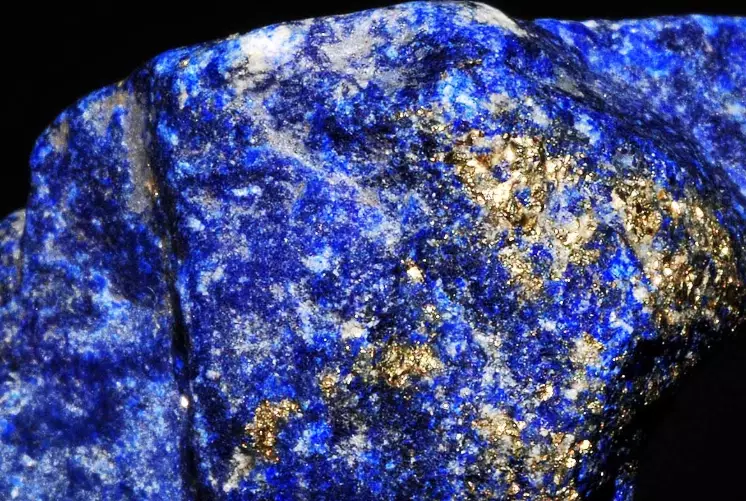
What's Inside This Guide
What Makes Lapis Lazuli So Special?
Lapis lazuli isn't a single mineral. It's a rock, a metamorphic rock to be precise, primarily composed of lazurite, which gives it that iconic ultramarine blue. The shimmering gold bits are pyrite, and the white streaks are calcite. This trio works together. For millennia, it was mined from a single remote source in the mountains of Afghanistan, a fact that added to its legendary status and value. Cleopatra used powdered lapis as eyeshadow. Renaissance artists like Michelangelo paid a fortune for the ultramarine pigment made from it to paint the robes of the Virgin Mary. It symbolized royalty, honor, and the heavens themselves.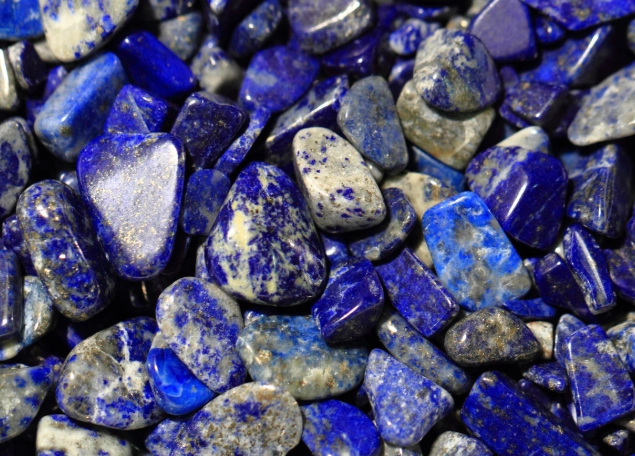
Today, it's widely known as the stone of truth and self-awareness. But that description feels thin. It's more like a cosmic mirror. It doesn't just encourage truth-telling to others; it forces a brutally honest conversation with yourself. It brings what's hidden in your subconscious up to the conscious mind. That's why people sometimes feel uneasy when they first start working with it. It's not a gentle, comforting stone like rose quartz. It's a powerful ally for deep inner work.
The Real Healing Properties of Lapis Lazuli
Forget the generic lists online. The healing properties of lapis lazuli are interconnected, all stemming from its core action: enhancing communication on all levels—with yourself, with others, and with the spiritual realm.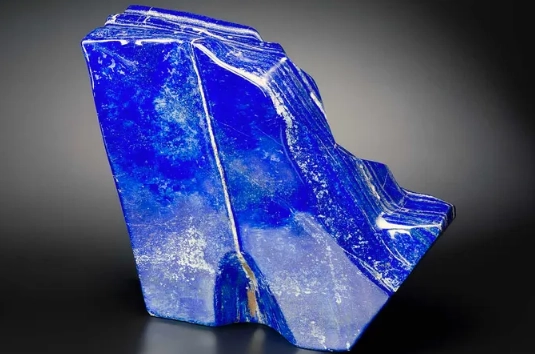
Mental and Emotional Clarity
This is where lapis shines. Feeling mentally foggy, indecisive, or like your thoughts are a tangled knot? Lapis acts like a mental defragmenter. It's particularly useful for writers, students, or anyone who needs to articulate complex ideas. It cuts through emotional noise and helps you identify the root of anxiety or anger. I keep a piece on my desk when I'm writing or planning. It doesn't magically do the work for me, but it helps quiet the internal critic and organize my thoughts more coherently.
Physical Connection: The Throat and Beyond
As the premier throat chakra stone, it's legendary for supporting clear communication, public speaking, and soothing sore throats or thyroid issues. But its physical influence goes deeper. Historical texts and modern crystal practitioners often link it to supporting the immune and nervous systems. The idea is that by releasing suppressed self-expression (which gets stored as tension), physical blockages can ease. It's also associated with relieving migraines, especially those linked to stress or sinus pressure, perhaps due to its cooling blue energy.
A Non-Consensus Note: Many sources claim lapis is a "powerful pain reliever." In my experience, it's not an analgesic. It doesn't numb pain. Instead, it helps you understand the message behind the pain. A tension headache might be asking you to speak up about a workload issue. Lapis helps you hear that message and address the cause, rather than just masking the symptom.
Spiritual and Psychic Activation
The gold pyrite flecks are seen as stars in a midnight sky, connecting lapis to celestial wisdom. It's a classic stone for stimulating the third eye and accessing higher knowledge, intuition, and vivid dreams. It's a protective stone for spiritual travel or deep meditation, creating a boundary of awareness. Beginners should pair it with a grounding stone like smoky quartz to avoid feeling spacey.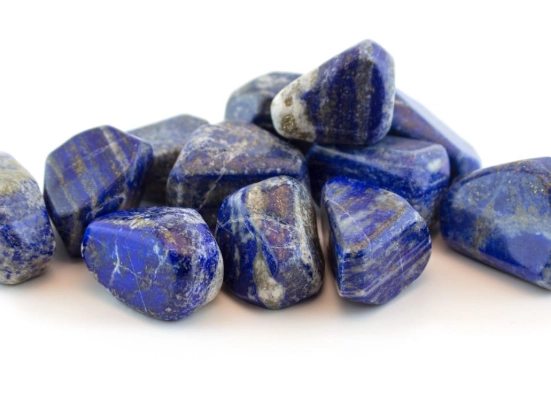
How to Choose Real Lapis Lazuli (And Spot Fakes)
The market is flooded with fakes. Dyed howlite or magnesite is the most common impostor. It's a white stone dyed blue, often with clumsy gold paint lines to mimic pyrite. Buying fake lapis is a waste of money and energy. Here’s how to be a savvy shopper.
Look for the "Three-Phase" Composition: Real lapis has variations. Look for uneven color distribution (some parts deeper blue), natural-looking gold pyrite specks (they should be irregular and embedded, not painted on top), and wisps or veins of white calcite. A stone that's a perfectly uniform, bright blue is a major red flag.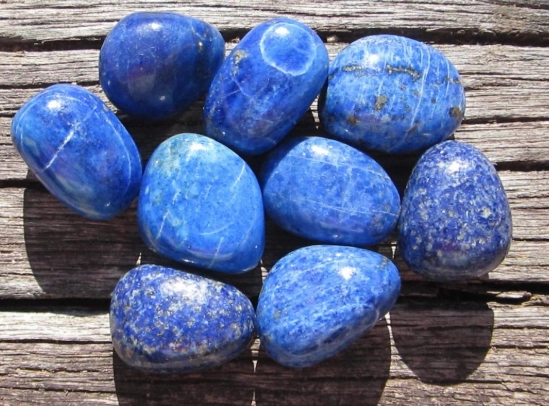
The Scratch and Smudge Test (Carefully): Gently scratch an inconspicuous spot with a sharp pin. Real lapis is relatively hard (5-6 on Mohs scale). A dyed stone will often reveal a white scratch underneath the blue dye. Also, rub the stone with a damp white cloth. If blue dye comes off, it's fake.
Source and Price Matter: Genuine, high-quality Afghan lapis commands a higher price. If a large carved item or necklace is being sold for a shockingly low price, it's likely not real. Reputable sellers will disclose the origin.
| Feature | Real Lapis Lazuli | Fake (Dyed Howlite/Magnesite) |
|---|---|---|
| Color | Deep, uneven navy to ultramarine blue. Can have greenish hues. | Often a uniform, bright royal or electric blue. Looks "too perfect." |
| Pyrite (Gold Flecks) | Irregular, crystalline, embedded in the stone. Reflects light differently. | Gold lines or flecks that look painted, flat, and uniform. May rub off. |
| White Calcite Veins | Natural, wispy, marble-like veins. | Usually absent. If present, they look stark white and painted. |
| Texture & Porosity | Dense, polished surfaces are vitreous. Can feel cool to the touch. | Often more chalky or porous in texture. May feel warmer. |
| Price | Higher, especially for intense color and good pyrite. | Suspiciously low for the size and claimed quality. |
Practical Ways to Use Lapis Lazuli in Your Life
This is where theory meets practice. How do you actually integrate this stone?
For Meditation and Journaling
Hold a piece in your receiving hand (left for most) during meditation. Focus on your throat or third eye. Don't force thoughts; just ask, "What truth do I need to see today?" Be prepared for insights. Keep it beside your journal for morning pages or evening reflection. It encourages honest, unfiltered writing.
As Jewelry for All-Day Energy
A lapis pendant or necklace keeps its energy directly on the throat chakra. This is ideal if your work involves constant communication, negotiation, or teaching. Bracelets or rings bring its clarifying energy to your actions. Warning: It can make you very direct. Choose your words consciously!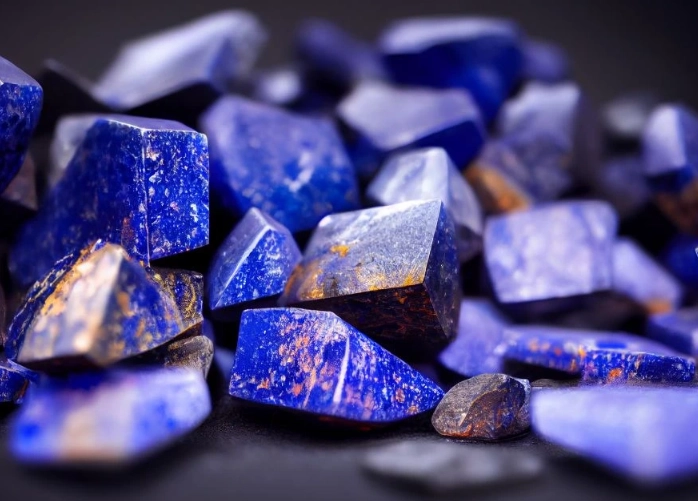
In Your Home and Workspace
Place a sphere or large piece in your living room to promote honest and harmonious communication among family. On your office desk or in a meeting room, it fosters clear thinking and truthful dialogue. It cuts through office politics and posturing. I know a therapist who keeps a discreet piece in her consultation room.
A Specific Ritual for Decision-Making
Stuck between two options? Place a lapis stone in front of you. On two separate small papers, write the core benefit or outcome of each choice. Place each paper under the stone, one at a time, and sit quietly for a minute. Notice which scenario brings a greater sense of inner alignment, calm, or expansive clarity when paired with the lapis. It's not about a magical answer, but about using the stone to quiet mental chatter and access your deeper knowing.
Caring for Your Lapis Lazuli
Lapis is softer and more porous than many crystals. Here’s the critical mistake most people make: they soak it in water or salt. Never do this. Water can seep into the stone, damaging the structure and causing the pyrite to rust or the color to dull. Salt is far too abrasive.
Safe Cleaning Methods: Wipe it gently with a soft, dry cloth. For deeper cleansing, pass it through the smoke of sage or palo santo, place it on a bed of dry rice overnight, or leave it in moonlight (not direct sunlight, which can fade the color).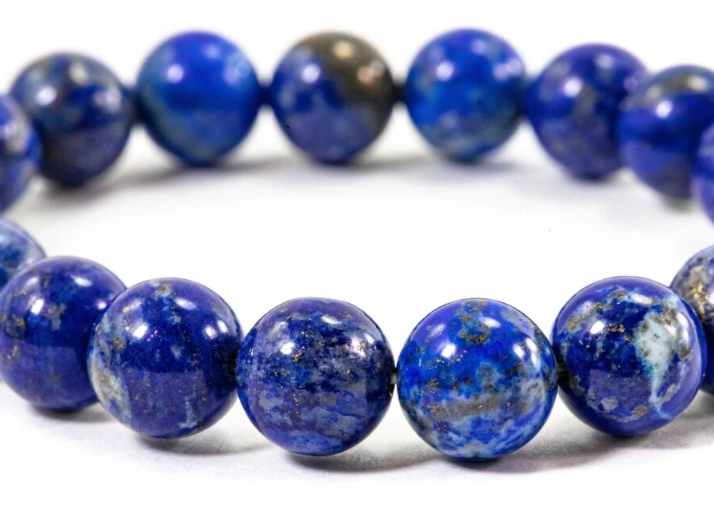
Storage: Keep it separate from harder gems like quartz or sapphire to prevent scratches. A soft pouch is ideal.
Your Lapis Lazuli Questions Answered
Related Articles
3D NAND, how can it be played?
Lapis Lazuli: Complete Guide to Its Properties, Uses & Value
Moss Agate: Meaning, Uses, and How to Spot Real vs. Fake
Unlock the Power of Kyanite: 7 Key Benefits and How to Use Them
Pink Quartz Properties: Healing, Meanings & How to Tell It's Real