Let's get straight to it. When you think of turquoise, you probably picture a calming blue-green shade, maybe a piece of jewelry. But the meaning of turquoise runs so much deeper. It's a color and a stone that has captivated humans for millennia, from ancient Egyptian pharaohs to modern-day designers and wellness seekers. Its appeal isn't accidental. Turquoise sits at a perfect crossroads between the calm of blue and the growth of green, creating a unique vibration that speaks to balance, communication, and protection. This isn't just mystical fluff—there's a reason this hue feels so refreshing and why people have instinctively turned to the stone for centuries. We're going to unpack all of it: the psychology, the history, the so-called healing properties, and most importantly, how you can actually use its energy in practical, modern ways.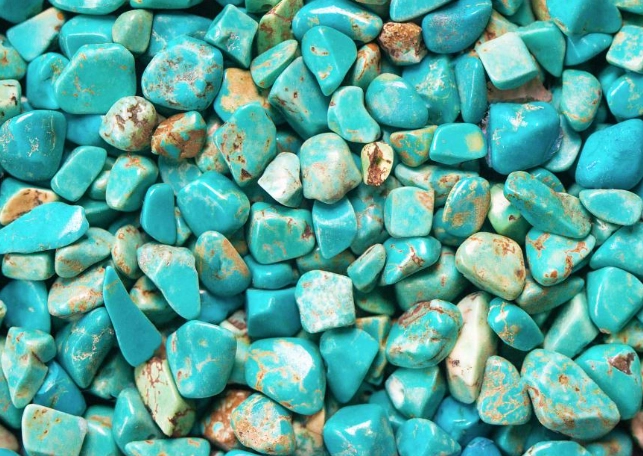
What You'll Discover
The Psychology of Turquoise: Why It Feels So Calming
Color psychology isn't a perfect science, but the effects of turquoise are hard to ignore. Blue is universally linked to calm, trust, and stability. Green connects us to nature, growth, and harmony. Turquoise is the lovechild of these two giants.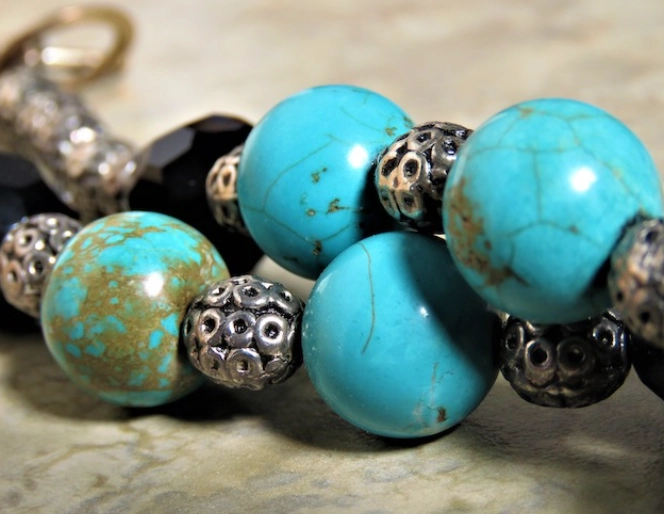
It carries blue's ability to lower heart rates and green's knack for reducing anxiety. That's why you see it in spas, hospital waiting areas, and app icons designed to make you feel at ease. It's a color that says "breathe."
But there's another layer. Turquoise is also deeply tied to communication. It's the color of the throat chakra in many Eastern traditions, which governs self-expression and truth. Ever feel a sense of clarity looking at a turquoise sea or sky? That's not just you. The color psychologically encourages clear thinking and honest dialogue, both with others and with yourself. It cuts through mental fog.
Quick Insight: In my years working with color, I've noticed people often confuse turquoise with teal or aqua. Teal is darker, more green-leaning, and feels more sophisticated and introverted. Aqua is lighter, brighter, and more playful. Turquoise sits in the middle—balanced, approachable, and spiritually resonant. Getting this right matters when you're choosing a color for a specific purpose.
From Pharaohs to Native Tribes: Turquoise's Historical Roots
To understand its meaning, you have to look at its past. This isn't a new-age fascination; it's ancient.
The Egyptians mined turquoise in the Sinai Peninsula over 6,000 years ago. They called it "mefkat," which meant joy and delight. They inlaid it into burial masks (like Tutankhamun's) and jewelry, believing it offered protection in the afterlife. For them, it was a direct link to the divine, a piece of the sky on earth.
Cross the globe, and Native American cultures, particularly in the Southwest like the Navajo, Zuni, and Pueblo peoples, held turquoise as sacred. It wasn't just decoration; it was a living entity. They saw it as a piece of the sky that had fallen to earth, a bridge between heaven and the terrestrial world. Warriors tied it to their bows for accuracy, hunters carried it for luck, and it was used in rituals to call for rain. The value was in its spirit, not just its beauty.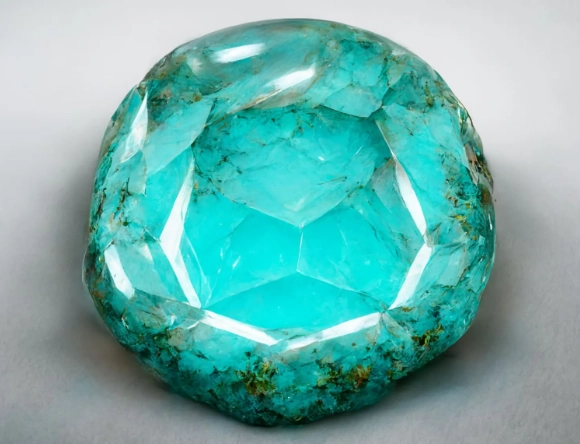
Persian culture revered the stone as a talisman against the evil eye, often inlaying it into palace domes and turbans. This thread of protection is consistent across continents. It tells us that the meaning of turquoise as a guardian stone is one of humanity's oldest intuitive understandings.
Turquoise Healing Properties & Modern Energy Uses
This is where it gets interesting for modern seekers. The term "healing properties" can sound vague. Let's get specific about what people actually experience and how you might work with it.
First, the throat chakra connection is paramount. Many people use turquoise when they need to speak their truth—having a difficult conversation, giving a presentation, or setting a boundary. The idea is that it clears energetic blockages in the throat area, allowing for fluid, authentic expression. I've known singers who keep a piece in their pocket during performances.
Emotionally, it's known as a master healer and a stone of empathy. It's said to absorb negative energies and promote a sense of inner peace and emotional balance. It's not a stimulant; it's a stabilizer. After a draining day, holding a piece of turquoise can feel like a reset button.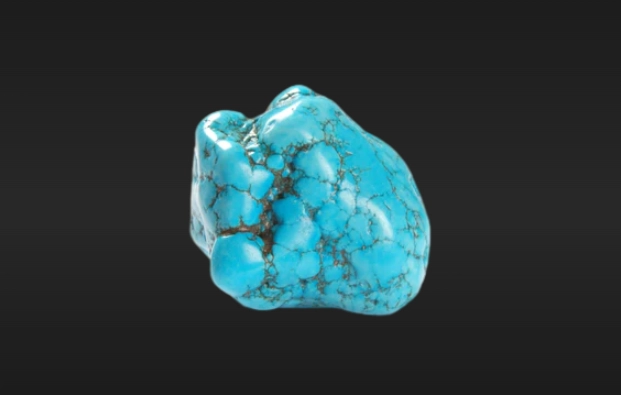
Physically, traditional lore links it to the immune system, inflammation, and detoxification, likely because of its historical use for protection against poison and disease. Modern crystal practitioners might place it near the throat for thyroid issues or simply wear it to support overall vitality.
How These Properties Translate Today
You don't have to believe in metaphysical energy to benefit. The psychological association is powerful enough. Wearing a turquoise necklace can serve as a physical reminder to speak clearly and calmly. Placing a stone on your desk can be a visual cue to take a deep breath when stress hits. The ritual itself creates the change.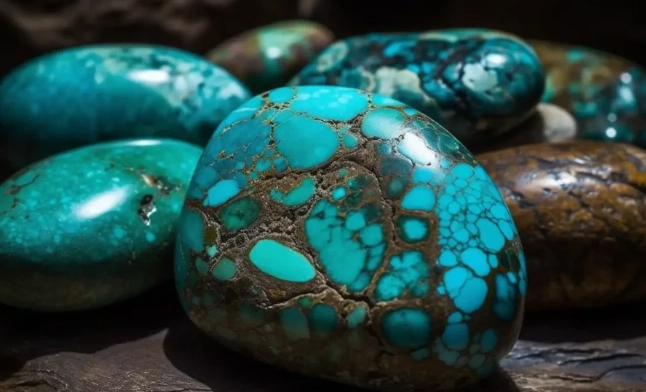
Here’s a simple comparison of how different forms of turquoise are commonly used:
| Form | Best For | Practical Tip |
|---|---|---|
| Jewelry (Necklace/Pendant) | Throat chakra work, daily communication, constant energetic contact. | Choose a setting that lets the stone touch your skin. A simple wire-wrap pendant works great. |
| Bracelet | General balance, carrying its energy with you throughout the day. | Wear it on your left wrist to receive its energy, or the right to project it outward. |
| Tumbled Stone | Meditation, holding during stress, placing on specific body areas. | Keep one in your pocket to rub when anxious. Place one by your bed for peaceful sleep. |
| Raw/Unpolished Piece | Decorative energy in a space, strong grounding vibes. | Place a large raw piece in your living room or home office to promote a calm atmosphere. |
A Practical Guide to Using Turquoise in Your Life
Okay, so you're intrigued. How do you actually bring turquoise meaning into your daily routine without it feeling like a chore?
1. Start with Wearable Intent: Don't just put on a turquoise ring. As you put it on, set a simple intention. "Today, I communicate with clarity and kindness." Or, "This helps me stay calm." That mental tag associates the object with the goal.
2. Create a Calm Corner: Interior design is a powerful tool. Use turquoise as an accent color. A throw pillow, a small vase, a piece of art. In a space where you read or meditate, these touches subconsciously signal your brain to unwind. It's color therapy you don't have to think about.
3. The 5-Minute Reset: Got a tumbled stone? When you feel overwhelmed, sit quietly, hold it in your hand, and focus on its coolness and weight. Breathe deeply for two minutes. Imagine stress flowing out into the stone. It's a mindfulness anchor.
4. For Creative Blocks: Struggling to write, brainstorm, or express an idea? Place a turquoise stone near your computer or on your notebook. Its association with clear communication can help break the mental logjam. I do this when I'm stuck on an article outline.
Common Mistakes & How to Avoid Them
After a decade, I've seen people get frustrated because their turquoise "doesn't work." Often, it's a simple misstep.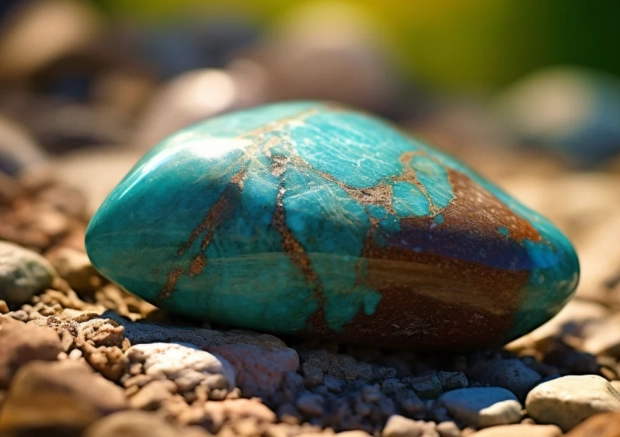
The biggest mistake? Not cleansing it. Think of a turquoise stone like a sponge. If it's absorbing negative energies (which is one of its purported jobs), it will eventually get full and less effective. You need to wring it out. Methods vary: leaving it in moonlight overnight, smudging with sage, or placing it on a bed of salt. Do this when you first get it and then every few weeks, or whenever it feels energetically "heavy."
Another error: Using dyed howlite or magnesite instead of real turquoise. These are cheap imitations, often sold in tourist shops. They might look similar, but they lack the mineral composition and history of genuine stone. Real turquoise is opaque, has a waxy luster, and often has a matrix (web-like lines of its host rock). If it's perfectly uniform and bright blue, be suspicious. Buy from reputable crystal shops.
Finally, expecting magic. Turquoise is a tool, not a solution. It won't make a difficult conversation easy, but it might help you center yourself before having it. It supports your intention; it doesn't replace your effort.
Your Turquoise Questions, Answered
So, what's the final take on turquoise meaning? It's a multi-layered symbol of calm, truth, and protection that has earned its place across cultures and millennia. Whether you're drawn to its history, its psychology, or its potential as a personal energy tool, its real power lies in the intention you bring to it. Start small. Get a single tumbled stone. Notice how you feel when you look at it, hold it. Let your own experience, more than any article or guide, tell you what turquoise means for you.
Related Articles
Selenite Crystal Uses: A Complete Guide for Energy, Healing & Home

Pyrite: Fool's Gold, Real Uses & Crystal Guide

Agate Spiritual Meaning: A Complete Guide to Healing & Grounding

Cold thinking under the wafer factory boom!
Yellow Sapphire Guide: Benefits, Buying Tips, and Care