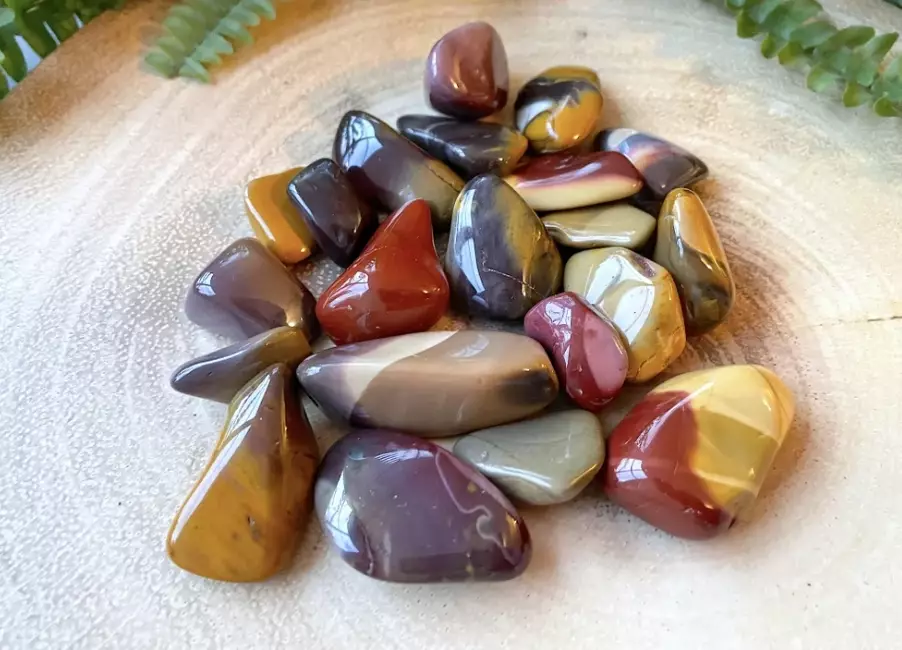
If you've held a piece of mookaite, you know it feels special. The warm, earthy reds, creamy yellows, and occasional streaks of purple create a landscape in stone. But a question nags at collectors and crystal enthusiasts: just how rare is mookaite? The short answer is, it's more complex than a simple yes or no. Its rarity isn't like a diamond from a specific mine; it's a story of geographic isolation, finite supply, and geological uniqueness. In the crystal world, true rarity is about more than just quantity—it's about accessibility, quality, and the story behind the stone. Let's dig into what makes mookaite a stone you might want to appreciate now, before it becomes even harder to find.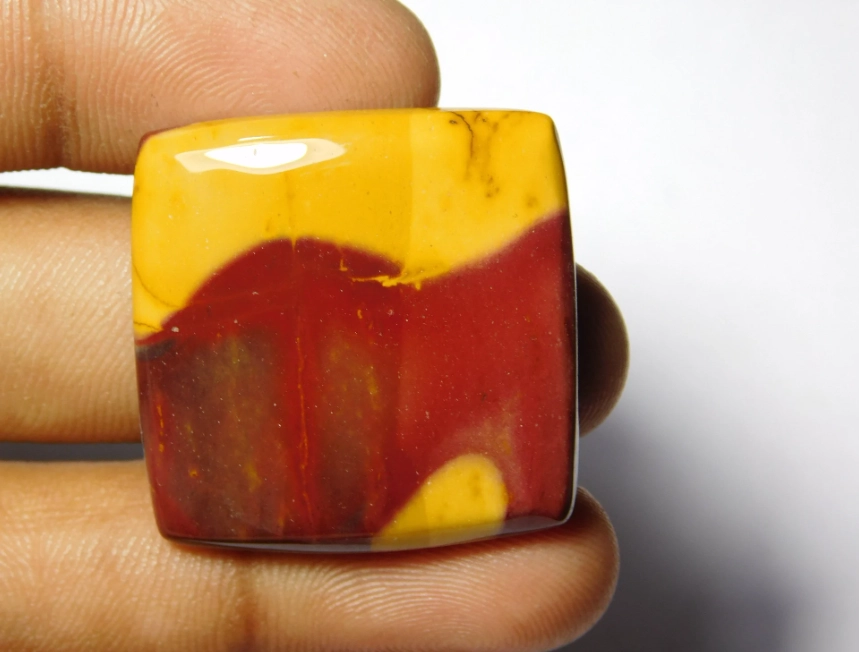
What You'll Discover Inside
The Single Source: Why Location Defines Rarity
This is the biggest factor. Nearly all genuine mookaite comes from one place on Earth: the Kennedy Ranges in Western Australia, specifically from stations near Mooka Creek (which gives the stone its name). Think about that. Amethyst is found on multiple continents. Quartz is everywhere. Mookaite? One remote corner of Western Australia.
The mining is small-scale. It's not a massive commercial operation with heavy machinery stripping hillsides. It's often collected from surface exposures or shallow pits. Access is controlled by the pastoral leaseholders and requires respecting the land and Indigenous cultural heritage. The Western Australian Department of Mines, Industry Regulation and Safety regulates mineral extraction, but for a material like this, the practical limits are more about land access and environmental care than formal quotas.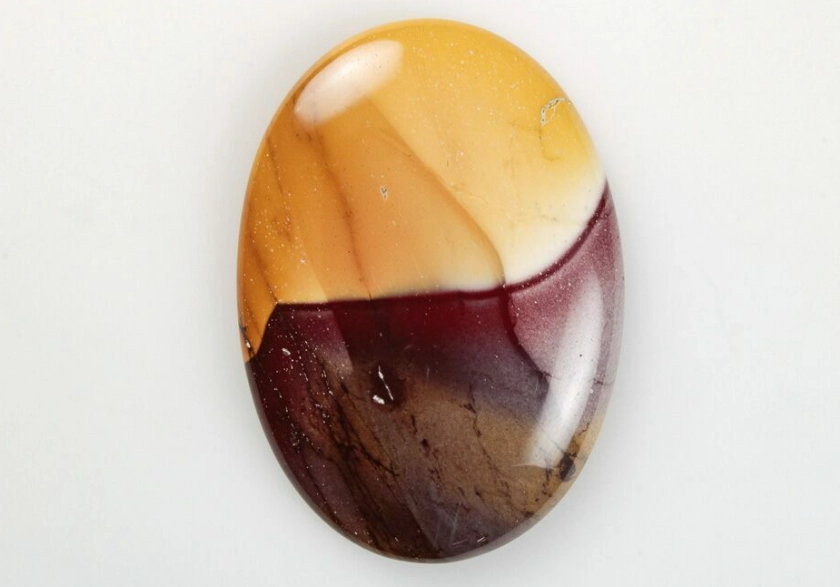
I've spoken to suppliers who make the long trek out there. The journey itself filters out casual collection. You need permits, relationships with landowners, and a tolerance for the Outback. This inherent logistical difficulty adds a layer of rarity that a simple tonnage figure doesn't capture.
A Geological Fluke: How Mookaite Forms
Mookaite isn't just any jasper. It's a radiolarite. That's a key distinction most sellers don't bother explaining. Jasper is a broad term for opaque, microcrystalline quartz. Radiolarite is a specific type formed from the siliceous skeletons of ancient radiolarians—tiny marine plankton—that settled on a sea floor millions of years ago.
In the case of mookaite, this happened in the Windalia Radiolarite formation during the Early Cretaceous period. The unique colors come from trace minerals like iron oxides (reds, yellows, browns) and possibly manganese (purples) that seeped into the sediment. The result is a stone that's both organic in origin and vividly colorful.
This formation process is not easily replicated. It required a specific ancient marine environment, a specific type of biological deposition, and subsequent mineral infusion under the right conditions. This makes mookaite a geologically rare material, not just a commercially scarce one.
The Color Code: Which Mookaite is Truly Rare?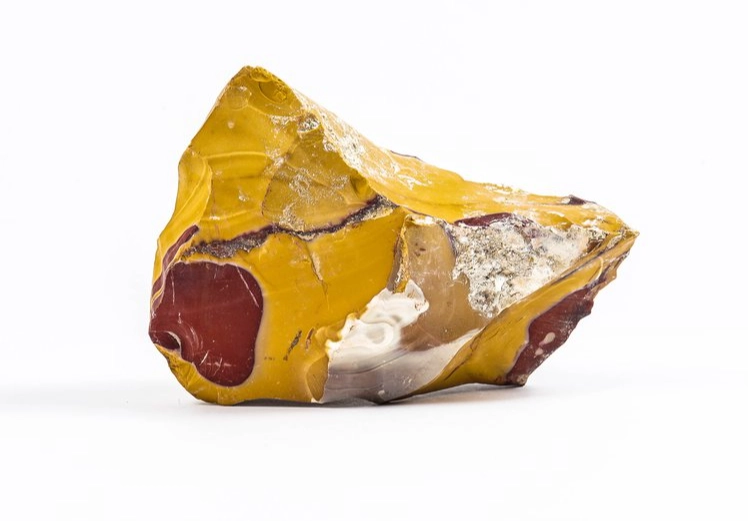
Here's where the rarity question gets personal. Not all mookaite is created equal. The common, tan-to-mustard yellow material is more abundant. The vibrant, deep reds and the elusive purples are the prize.
Let's break down the color spectrum by approximate scarcity:
| Color Variety | Common Name | Relative Rarity | What to Look For |
|---|---|---|---|
| Deep Red / Burgundy | "Mookaite Red" or "Cherry" | High | Solid, vibrant red sections with little to no matrix. Most sought-after for cabochons. |
| Vivid Purple & Plum | "Royal Plum" or "Purple Mookaite" | Very High | Clear purple hues. Often occurs as streaks or patches within red/yellow material. A pure purple piece is a collector's dream. |
| Bright Mustard Yellow | "Golden Mookaite" | Medium | Clean, sunny yellow without brown muddying. More common than red but still desirable. |
| Pink & Peach | — | Medium-High | Softer, pastel-like hues. Less commonly seen on the market. |
| Tan / Cream / Brown Mix | "Standard" or "Landscape" Mookaite | Low | The most commonly available material, often with a mix of all colors in a swirled pattern. |
A common mistake beginners make is paying a premium for a palm stone that's mostly tan with just a tiny streak of red, thinking it's "rare." The rarity premium applies to pieces dominated by the rare colors. A tumble stone that's 80% deep red is significantly rarer and more valuable than a larger piece that's 80% beige.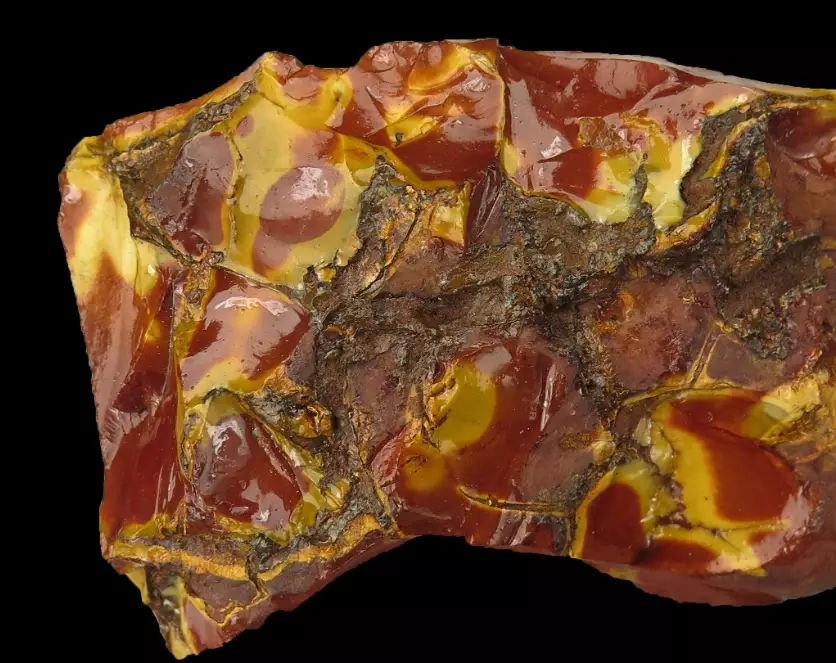
Market Reality vs. Hype
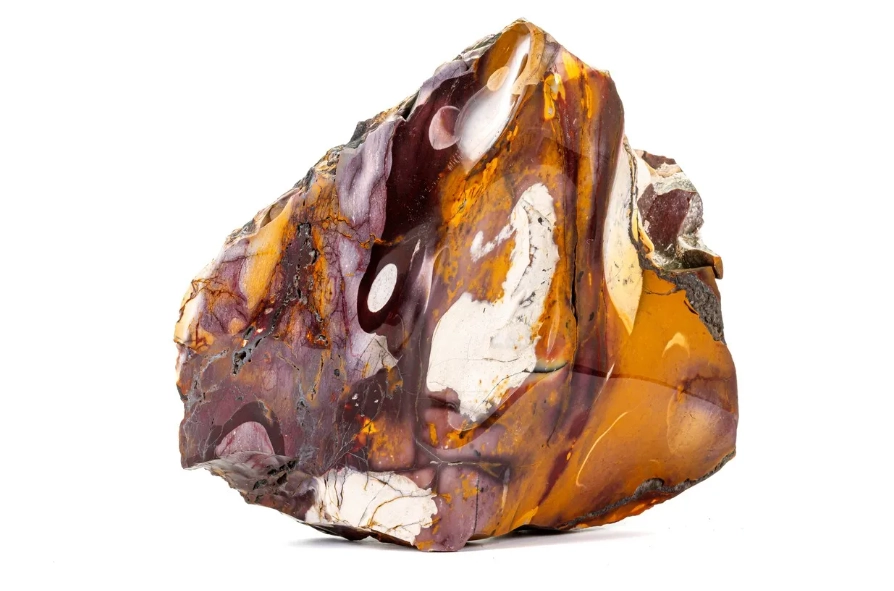
Walk into any crystal shop, and you'll see mookaite. So how can it be rare? This is the disconnect. It's commercially available but geologically finite. There's a current stockpile that entered the global market over the past few decades. Wholesalers bought large lots, and it's been trickling down.
But ask veteran lapidaries and miners. They'll tell you the really good, high-color-contrast, solid material is getting harder to source. The easy pickings have been collected. What's left in the ground is either lower grade or more difficult to extract.
The price reflects this slowly. A top-grade, deep red mookaite cabochon can command a price per carat approaching that of some semi-precious gems like better quality garnet or peridot. The common tumbled stones are still affordable, acting as a gateway, but they mask the true scarcity of the premium material.
How to Spot Genuine Mookaite (And Avoid Fakes)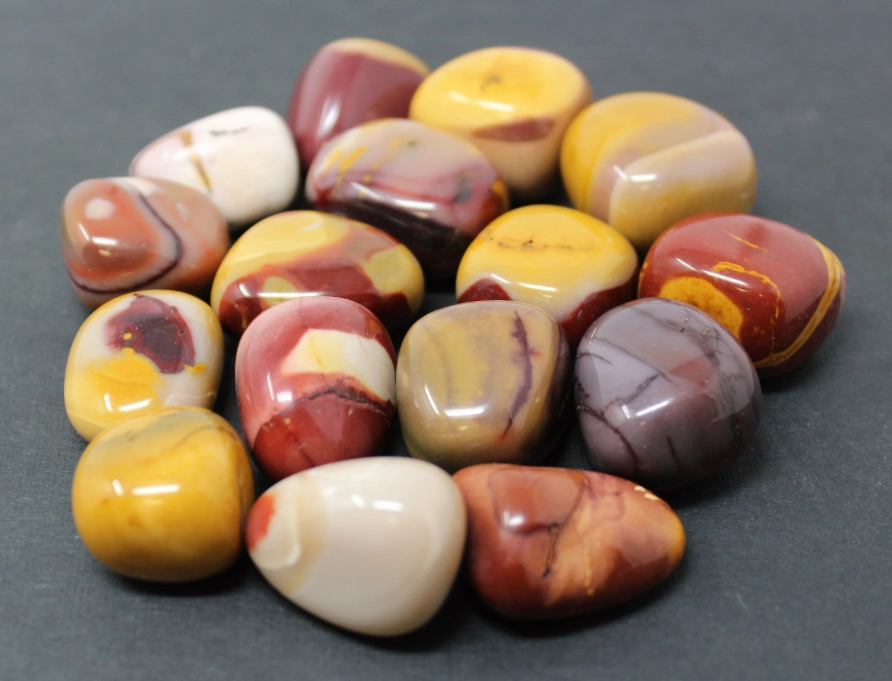
With rarity comes imitation. You won't see outright plastic fakes often, but you will see other jaspers mislabeled as mookaite. Indian picture jasper, certain Mexican jaspers, and even some rhyolite can look similar to the untrained eye.
Here’s how to be sure:
The Feel: Mookaite has a distinct waxy to matte lustre when polished. It's not glassy like agate.
The Color Palette: Authentic mookaite colors are earthy and blend into each other like watercolors—soft gradients between red, yellow, cream, and sometimes purple. If the colors are sharp, geometric, or include blues and greens, it's not mookaite.
The Pattern: It often has a streaky, dendritic, or cloudy pattern. You won't find perfect orbs or stark, separate bands as you might in other jaspers.
The Source Test: Reputable dealers will state it's from Western Australia. If the listing just says "Africa" or "India," it's wrong. Period.
I once bought a "mookaite" sphere online that turned out to be a very nice Indian jasper. It was beautiful, but it wasn't what I paid for. The seller didn't know the difference. Now I always ask for the specific origin.
The Future of Mookaite Supply
So, is mookaite running out? Not imminently, but the trend is toward scarcity. Mining in Australia is becoming more regulated, with greater emphasis on environmental impact and Indigenous rights. The cost of extraction rises.
The material entering the market now is, on average, of lower color quality than the material from 20 years ago. The spectacular, museum-grade specimens are already in collections or have been cut up. Future mining will likely yield more of the "standard" grade material, making the high-grade reds and purples even more of a standout.
This doesn't mean you should panic-buy. It means you should buy intentionally. If you love mookaite, seek out a few special pieces—a cabochon with incredible color, a specimen with clear purple—from trusted sources. The common tumbled stones will likely remain available for years, but their role is to introduce you to the stone, not represent its pinnacle.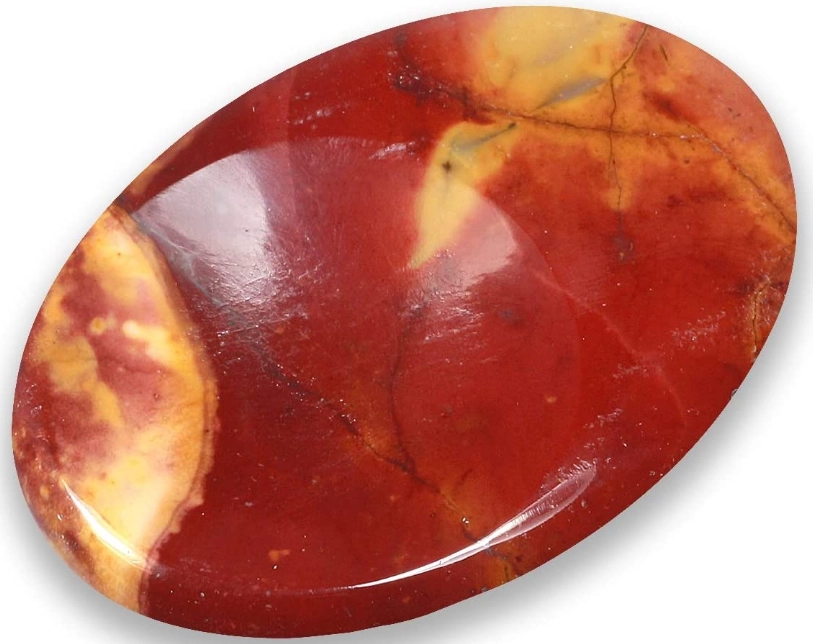
Your Mookaite Rarity Questions Answered
 I see mookaite everywhere online. How can it be rare?
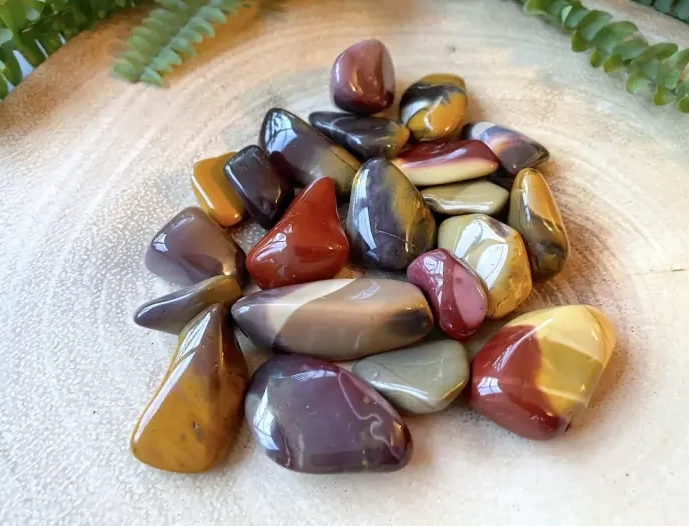 So, how rare is mookaite? It's not the rarest stone on Earth, but its rarity is real, multifaceted, and increasing. It's defined by a single remote source, a unique fossilized origin, and a dwindling supply of its most beautiful colors. For the crystal lover or collector, this makes mookaite more than just a pretty stone—it's a tangible piece of ancient Australian seabed with a story that's becoming more precious by the year. Value it, seek out the good pieces, and understand that what you hold is a limited edition from the Earth's history.
Related Articles
Amethyst Properties: A Complete Guide to Healing, Uses & Myths
Obsidian Crystal Meaning: Healing, Protection & Practical Uses
Garnet Crystal: Meanings, Uses & How to Spot Real vs Fake

Why has the quality education reform not been successful in ten years? This is t
Who Should NOT Wear Tiger Eye Stone? A Guide to Crystal Safety