Quick Insights
Let's talk about celestite. You've probably seen it—those delicate, sky-blue clusters popping up everywhere from fancy metaphysical shops to your friend's Instagram feed. It's gorgeous, no doubt. But what's the real deal with it? Is it just another pretty rock, or is there more to the story?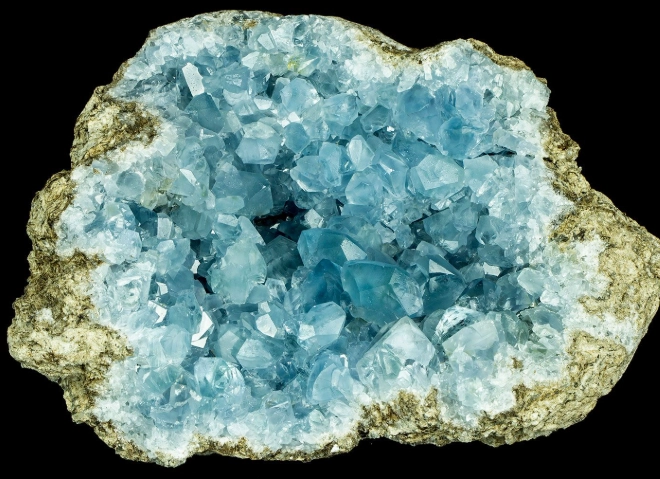
I remember the first time I held a piece. It was a small, geode-style cluster from Madagascar. I was struck by how fragile it felt, not at all like the tough quartz points I was used to. The color was... calming. That's the best word for it. But I also wondered, how much of what people say about it is hype? I've spent a lot of time since then digging (figuratively, not literally) into what makes this crystal tick. This guide is what I wish I'd had back then—a straight-shooting look at celestite, minus the fluff and mystery.
In a nutshell: Celestite, also known as celestine, is a mineral composed of strontium sulfate. Its name comes from the Latin word *caelestis*, meaning "celestial," a nod to its signature soft blue color that often resembles a clear sky. It's prized both as a collectible mineral specimen and in the world of crystal healing for its purported calming and spiritually uplifting properties.
What Exactly Is Celestite? Breaking Down the Basics
Before we dive into meanings and uses, let's get our facts straight on what this stuff actually is, geologically speaking. It keeps things grounded.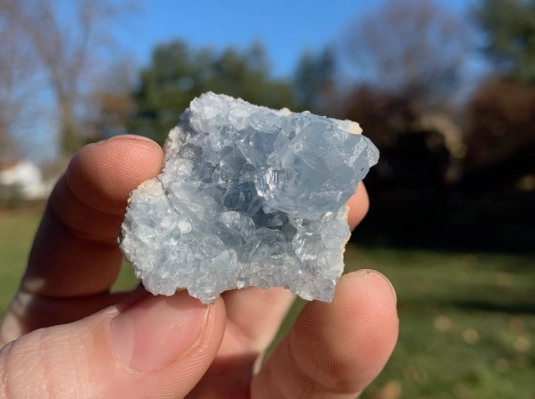
The Color and Look: Not Always Sky Blue
Most people know celestite for its pale blue hue. But here's a thing they don't always tell you—it can be colorless, white, yellow, or even orangey-red. The blue color, which is the most sought-after, usually comes from trace impurities. The crystals form in these beautiful tabular or prismatic shapes, and they often grow in clusters or geodes that look like frozen celestial flowers.
The transparency ranges from perfectly clear to cloudy. The clearer, more intensely blue pieces from places like Madagascar are the real showstoppers and, unsurprisingly, command higher prices. The more common whitish or grayish material is, well, less exciting to look at, to be honest.
How It Forms and Where You Find It
Celestite typically forms in sedimentary rock environments. You'll often find it in cavities within limestone or dolomite, or in association with sulfur deposits. It's not one of the super-rare minerals, but gem-quality, deeply colored specimens are less common.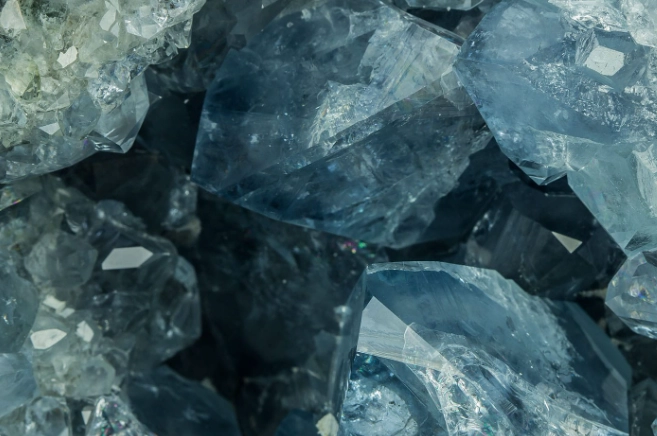
The major sources are pretty well-known among collectors:
| Location | Known For | Typical Appearance |
|---|---|---|
| Madagascar | The classic, iconic source. Produces those stunning blue geodes and clusters. | Deep sky-blue crystals, often in druzy clusters or large geodes. |
| Ohio, USA (around Put-in-Bay) | Historically significant. Some of the largest crystals ever found came from here. | Large, colorless to pale blue, tabular crystals. |
| Peru | Great for smaller, affordable specimens and carvings. | Pale blue, often more compact formations. |
| Egypt | Ancient source, linked to early uses. | Often more whitish or yellowish crystals. |
If you're curious about the nitty-gritty geological process, the U.S. Geological Survey has tons of accessible resources on how evaporite minerals like celestite form. It's drier reading than this, but it's the real scientific backbone.
I have a small piece from Ohio. It's not the vibrant blue of the Madagascar stuff—it's more of a faint, icy blue—but there's something cool about holding a piece from such a famous locale. It feels like history.
So, What's It *For*? Meanings and Common Uses
This is where things get subjective. The "meaning" of any crystal is a blend of tradition, modern metaphysical practice, and personal belief. I'll lay out the common associations, but take what resonates for you.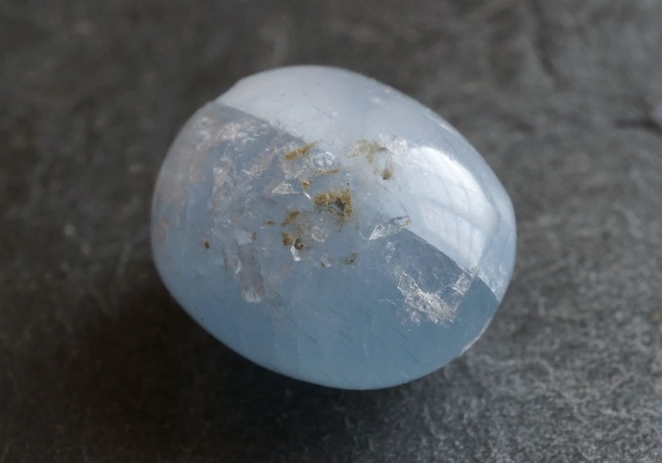
Almost universally, celestite is linked to themes of peace, higher guidance, and communication. Its celestial name really sets the tone.
Top Associations and Spiritual Meanings
People who work with crystals often turn to celestite for a few key reasons:
- Calming the Mind: This is its biggest claim to fame. It's considered a top-tier stone for soothing anxiety, quieting mental chatter, and easing stress. The color alone seems to do that for many people.
- Connecting with "Higher Realms": In many spiritual practices, celestite is seen as a bridge to angelic energy, spirit guides, or just a higher sense of intuition. It's not about religion per se, but about feeling connected to something larger.
- Enhancing Communication: Not just everyday talk, but clearer, more compassionate communication and, for some, better dream recall or understanding.
- Promoting Peace: In a space or within oneself. It's a popular choice for meditation rooms or bedrooms.
Now, a bit of real talk. I find the most extreme claims—like it will instantly connect you to specific angels—to be a bit much. But as a focus object for meditation or a gentle reminder to breathe and seek peace? That's where I think its practical power really lies. It's a tool, not a magic wand.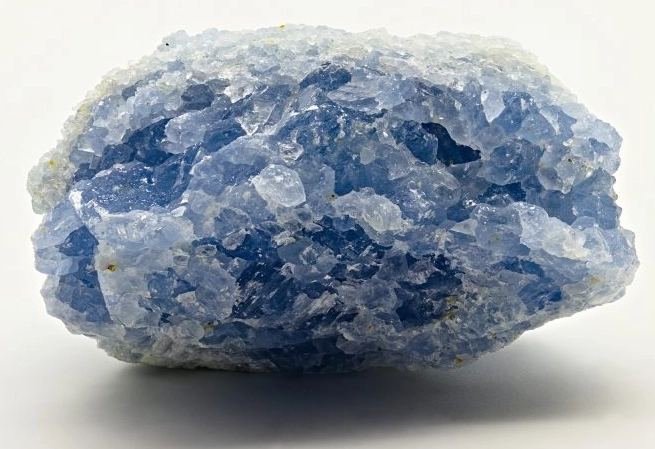
Practical Ways People Use Celestite
How do you actually use this thing? It's softer and more fragile than many crystals, so you have to be a bit careful.
- In Your Space: Place a cluster in your bedroom for a calming vibe, on your desk to combat work stress, or in a meditation corner. The visual of it can act as a prompt to relax.
- During Meditation: Hold a small piece or have it nearby. Some people focus on its energy to quiet the mind or set an intention for guidance.
- For Sleep: Tuck a small, secure piece under your pillow or on the nightstand. (Make sure it's not so small it's a choking hazard, and that it's in a cloth bag if it's fragile). The idea is to encourage peaceful dreams and rest.
- As a Gift: It's a common and generally well-received gift for someone going through a stressful time, moving into a new home, or who just appreciates beautiful natural objects.
I keep a cluster on my writing desk. When I feel stuck or frazzled, I'll sometimes just stop and look at it for a minute. Does it magically fix writer's block? No. But the act of pausing and focusing on something serene does help reset my brain. That's the practical magic.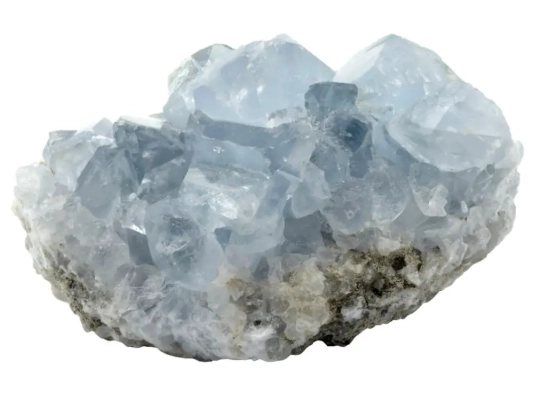
The Big Question: Is Your Celestite Real or Fake?
This is a huge pain point for buyers. The popularity of celestite, especially the blue variety, has led to a lot of fakes and imitations in the market. It's frustrating to pay for something authentic and get a piece of dyed quartz or resin.
Myth Buster: The "Too Perfect" Blue
If you see a celestite cluster that is a uniform, intense, royal blue all over with zero variation, be very suspicious. Natural celestite often has color zoning—lighter and darker patches. A perfect, neon blue is often a sign of dye.
How to Spot a Fake: A Quick Checklist
- Check the Color: Natural blue is usually a soft, powdery, or pale sky blue. It's not neon, not electric, and not uniformly deep. Look for subtle variations. Run a damp cotton swab with acetone (nail polish remover) over an inconspicuous spot. If blue comes off, it's dyed.
- Feel the Temperature: Real stone feels cool to the touch and takes a moment to warm up in your hand. Plastic or resin often feels lighter and warms up quickly.
- Examine the Structure: Real celestite crystals have a distinct shape (tabular). Clusters should look organic, not perfectly patterned. Fake ones might have a bubbly or sugary texture that looks "off."
- Consider the Price: A large, deep blue, perfect cluster for $20 is almost certainly fake. Genuine, high-quality celestite has a cost. If it seems too good to be true, it probably is.
- Weight: Resin fakes are often lighter than a stone of the same size should be.
When in doubt, buy from reputable dealers who specialize in minerals, not just general gift shops. They should be able to tell you the origin. The Mindat.org database is an incredible, scientifically-vetted resource for comparing your specimen's look to authenticated ones from specific locations.
Caring for Your Celestite: It's More Delicate Than You Think
This is crucial. Celestite is not a "toss it in your pocket with your keys" kind of stone. Mishandling it leads to disappointment.
What to Avoid (The No-No List)
- Water: Do not soak it, do not run it under water for long, and definitely don't put it in salt water. It is slightly water-soluble. A quick dusting with a barely damp cloth is the absolute max. Prolonged exposure will damage the surface and make it dull or powdery. I learned this the hard way with a small specimen I tried to "clean"—it never looked the same.
- Sunlight: Do not leave it in direct sunlight for extended periods (like on a windowsill). The beautiful blue color can and will fade over time to a dull white or gray. It's a photosensitive mineral.
- Harsh Chemicals: Cleaners, perfumes, acids—keep them far away.
- Rough Handling: It cleaves easily. Don't drop it or knock it against harder stones.
Safe Cleansing and Charging Methods
In crystal practice, cleansing means clearing stagnant energy. Because water and sun are out, here are safe alternatives:
- Smudging: Passing it through the smoke of sage, palo santo, or incense.
- Sound: Using a singing bowl, bell, or tuning fork near it.
- Other Crystals: Placing it on or near a large selenite plate or in a bed of dry rice (though be careful of dust).
- Moonlight: This is the best method for celestite, in my opinion. Placing it by a window where it gets indirect moonlight (not direct sun in the morning!) is perfect and aligns with its celestial vibe. The Gemological Institute of America (GIA), while focused on gemstones, offers solid general advice on caring for delicate minerals that applies here.
Just breathe on it gently and wipe it with a soft, dry cloth. Sometimes the simplest method is best.
Celestite Q&A: Answering Your Real Questions
Final Thoughts: Is Celestite Right for You?
Celestite isn't a powerhouse, grounding stone like hematite. It's not a manifesting engine like citrine. It's subtle. It's gentle. Its value lies in its ability to remind us to look up, to breathe, and to seek a moment of quiet in a noisy world.
If you're drawn to its beauty, if you need a visual anchor for peace, or if you're interested in the softer side of crystal work, then yes, it's absolutely worth having a piece. Just go in with realistic expectations. Don't expect fireworks. Expect a gentle nudge towards serenity.
And please, buy from someone knowledgeable, care for it gently, and enjoy it for the unique window into the Earth's artistry that it is. Whether you connect with its spiritual meanings or just think it's a stunning natural decoration, a genuine piece of celestite is a special thing to have around.
Maybe place it where you'll see it in the morning. A little bit of sky inside your home isn't a bad thing at all.
Related Articles
Unlock the Power: Black Onyx Benefits for Women Explained
Who Should Avoid Moss Agate? 5 Groups & Key Reasons
Tigerseye Meaning & Uses: A Complete Guide to the Stone of Courage

This technology used by Apple's chip has great potential!
Ruby Gemstone Meaning and Benefits: A Complete Guide