You've seen green tourmaline in jewelry stores and maybe on crystal healing blogs. It's that vibrant, earthy green stone that seems to pulse with a quiet energy. But what's the real story behind it? Is it just a pretty face, or does it hold something deeper? After years of collecting and working with crystals, I can tell you green tourmaline is a workhorse of the mineral world, often misunderstood and frequently underrated compared to its flashier cousin, the emerald. This isn't just about metaphysics; it's about geology, history, and practical application. Let's cut through the hype and look at what makes this stone a cornerstone for collectors and seekers alike.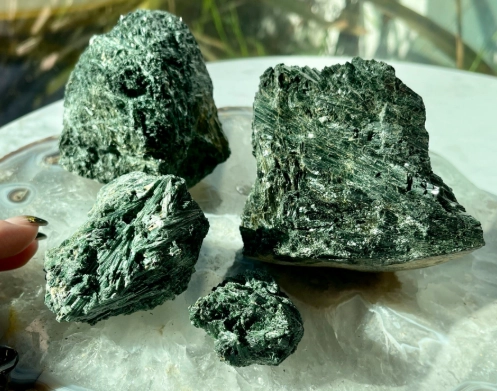
What's Inside This Guide
What Exactly Is Green Tourmaline?
First things first, "tourmaline" isn't a single mineral. It's a complex group of boron silicate minerals, and the green variety primarily gets its color from traces of iron, and sometimes manganese or chromium. This technical detail matters because it explains the incredible range of greens—from pale mint to deep forest and even bluish-greens. Unlike many gems, it's strongly pleochroic, meaning the color intensity changes depending on the angle you view it. Hold a green tourmaline crystal one way, and it might look light green; tilt it, and the color deepens dramatically. That's a hallmark of the real deal.
Historically, it was often confused with emerald. Some of the "emeralds" in Russian crown jewels were later identified as green tourmaline. The confusion makes sense—they share a captivating green—but their energy and physical makeup are worlds apart. Major sources today include Brazil, Nigeria, Mozambique, and Afghanistan. Brazilian stones often have that classic, vibrant grassy green, while some Afghan specimens rival the finest emeralds in saturation.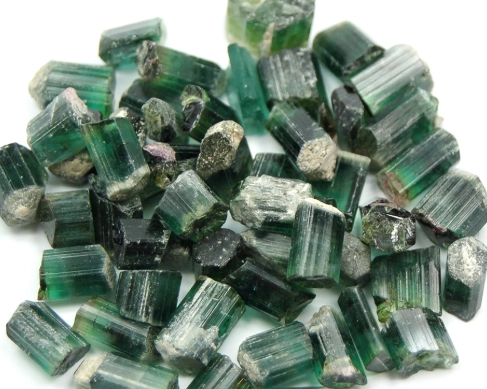
A Quick Comparison: Green Tourmaline vs. Emerald
Newcomers often ask which is "better." Here’s the breakdown from a practicality and energy standpoint.
| Aspect | Green Tourmaline | Emerald |
|---|---|---|
| Composition | Complex Boron Silicate | Beryl (Beryllium Aluminum Silicate) |
| Durability (Mohs) | 7 to 7.5 - Good for daily wear | 7.5 to 8 - Slightly harder but more brittle |
| Typical Clarity | Often eye-clean to lightly included | Almost always included ("jardin") |
| Color Source | Iron, Manganese | Chromium, Vanadium |
| Metaphysical Focus | Growth, Vitality, Manifestation, Protection | Unconditional Love, Harmony, Truth |
| Price Point (for quality) | Generally more accessible | Premium, especially for clean stones |
The takeaway? Emerald has the legacy name, but green tourmaline offers greater durability for rings, more consistent clarity, and a dynamic energy geared toward personal empowerment.
Healing Properties & How to Actually Use Them
Here's where we move from textbook to toolkit. Green tourmaline is often called the "stone of the heart chakra," but that's an oversimplification. It's really a heart-and-hands crystal. It connects compassionate feeling (heart) with the power to build and manifest in the physical world (hands).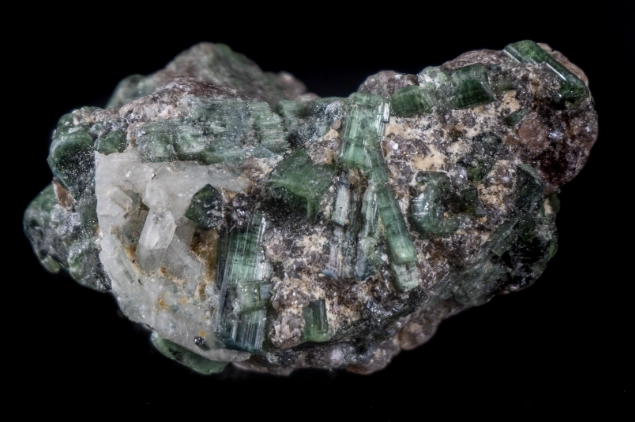
The Core Energetic Signatures
Most lists will tell you it's for love and compassion. That's true, but its more potent roles are in vitality and grounded growth. It's like an energetic fertilizer. It doesn't just make you feel love; it gives you the stamina and courage to act on it, to build the relationships and projects that matter. It's also a renowned protector, particularly against environmental pollutants and electromagnetic smog (think Wi-Fi routers, cell phones). I keep a small raw piece by my computer, not for decoration, but as a functional energy filter.
Practical Applications You Can Try Today
Forget vague notions. Here are concrete ways to use it:
- For Stress & Overwhelm: Hold a tumbled stone in your left hand (receptive side) while taking five deep breaths. Focus on feeling its cool, smooth surface. This simple act pulls you out of mental chatter and into your body.
- For Creative or Work Blocks: Place a crystal on your desk to the left side. Its energy is said to encourage a flow of new ideas and the motivation to execute them. It’s not about waiting for inspiration, but about creating a field where action feels easier.
- For Physical Vitality: After a long day, lie down and place a stone over your solar plexus or heart. Don't try to "do" anything. Just rest. Many report a gentle, revitalizing sensation, as if the stone is helping to recharge drained batteries.
- As a Wealth Magnet (The Real Way): It's linked to prosperity, but not as a lottery charm. It fosters an attitude of growth and recognizes opportunity. Keep a piece in your wallet or near your financial documents to encourage a mindset of abundance and mindful stewardship of resources.
A common mistake? Using it only in meditation and then putting it away. Its power is in consistent, low-key interaction. Wear it, hold it, have it in your space.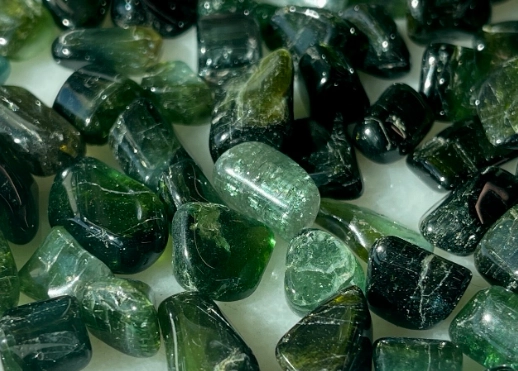
The Expert's Eye: Spotting Real vs. Fake Green Tourmaline
The market is flooded with fakes, from dyed quartz to outright glass. Here’s how to not get fooled, drawn from hard lessons and conversations with gemologists.
1. Check for Pleochroism: This is your number one test. Tilt the stone under good light. Does the color change in intensity? Real tourmaline will show darker and lighter green shades from different angles. Glass or synthetic spinel will look flat and uniform.
2. Look for Natural Inclusions: Genuine green tourmaline usually has some internal fingerprints—tiny fractures, liquid veils, or needle-like inclusions (called "trichites"). If it's flawlessly clear and cheap, be suspicious. Perfection at a low price is a major red flag.
3. Feel the Temperature: Real crystals feel cooler to the touch than room-temperature plastic or glass. It's a subtle but noticeable difference.
4. Consider the Source and Price: A large, deeply saturated, eye-clean green tourmaline for $50? Almost certainly fake. Know that vibrant, clean material commands a fair price. Reputable dealers like those affiliated with the Gemological Institute of America (GIA) will provide basic information.
The biggest pitfall I see is buyers prioritizing color over everything else. A slightly paler but genuine stone is infinitely more valuable—energetically and monetarily—than a perfect-looking fake.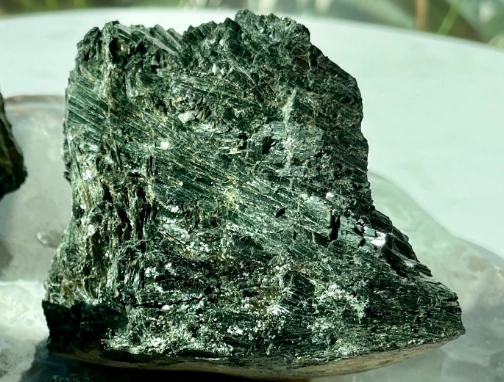
Your Practical Green Tourmaline Buying Guide
Ready to get your own piece? Let's talk specifics.
What to Look For (Beyond "It's Pretty")
- Color: You want a hue that speaks to you. Mossy green promotes grounding, while a bright grassy green is more energizing. Blue-green varieties (indicolite) have a cooler, more calming vibe.
- Clarity: For jewelry, eye-clean is best. For healing or collection, inclusions are part of the stone's story and don't diminish its energy.
- Cut: A well-cut stone reflects light evenly. For raw energy, a natural, unpolished termination point (the end of the crystal) is considered powerful for directing energy.
- Form: Tumbled stones are great for pockets and holding. Raw points are ideal for gridding or directing energy. Faceted gems are for wearable, all-day contact.
Where to Buy Reliably
Avoid mass-market platforms where fakes proliferate. Seek out specialized crystal shops (online or brick-and-mortar) with detailed descriptions and good reputations. Gem and mineral shows are fantastic for seeing variety and talking directly to miners or importers. Always ask: "Is this natural?" and "Where is it from?" A vague answer is a warning sign.
Caring for Your Stone
Green tourmaline is relatively tough but can be damaged by sudden temperature changes. Clean it with mild soap, lukewarm water, and a soft brush. Avoid harsh chemicals, steam cleaners, and ultrasonic cleaners. To recharge it, place it on a selenite plate, in moonlight, or bury it in dry earth for 24 hours. A mistake many make? Using salt water, which can erode the surface over time.
Your Green Tourmaline Questions Answered
Green tourmaline’s magic lies in its blend of beauty, durability, and profound earthy energy. It’s a companion for growth, a shield for modern life, and a testament to nature’s artistry. Whether you’re drawn to it for its look or its lore, choosing a genuine piece and interacting with it consciously can open up a subtle yet powerful layer of support in your daily life. Start with one small, real stone. See how it feels. The journey with a crystal is always personal, and green tourmaline is a remarkably patient and potent guide.
Related Articles

What Are Antares and Betelgeuse? A Guide to the Giant Red Stars
White Moonstone: Ultimate Guide to Meaning, Uses & Healing Properties
Que Sera Stone: Meaning, Healing Properties, and Practical Uses Guide
Tiger's Eye Crystal Meaning and Uses: A Complete Practical Guide
Indigo Gabbro Stone: The Ultimate Guide to Its Healing & Practical Uses