Let's cut through the mystical fog. When most people hear "black jade," they picture a glossy, dark gem used in jewelry or maybe some vague spiritual talisman. That's only half the story. Real black jade, particularly nephrite, is a stone of contradictions—simultaneously ancient and futuristic, grounding yet sophisticated. It's not just for crystal healers; it's finding its way into minimalist interiors, high-tech components, and the toolkit of anyone seeking a tangible anchor in a chaotic world. I've been working with and collecting jade for over a decade, and the misconceptions I see, especially around the black variety, are what prompted this guide.
What's Inside: Your Black Jade Roadmap
What Exactly Is Black Jade?
First, a crucial distinction. "Jade" refers to two different minerals: nephrite and jadeite. Nephrite is tougher, more fibrous, and historically the most revered in Chinese culture. Jadeite is rarer, comes in more vivid colors (like Imperial Green), and is generally more expensive. Most authentic black jade on the market is nephrite. Its color comes from iron oxide and graphite inclusions, not from being a completely different stone.
It's this fibrous structure that gives nephrite jade its legendary toughness—tougher than steel. That's why ancient cultures used it for weapons and tools before it became decorative. Think about that. A stone durable enough for an axe head is now a delicate-looking pendant. That duality is key to understanding its appeal.
Beyond the Bracelet: Types and Modern Uses
Black jade isn't a monolith. Its application has exploded beyond traditional carvings. Here’s how it breaks down in today's market.
1. The Design & Decor Power Player
Interior designers are using black jade in ways that would surprise you. It's not about giant statues. Think subtle, powerful accents.
- Slab Backsplashes & Vanity Tops: A honed (matte) finish black jade slab behind a stove or in a bathroom is a statement. It's durable, heat-resistant, and unlike black granite, it has a deep, non-reflective warmth. Maintenance is simple—mild soap and water. No special sealants needed like marble.
- Decorative Objects: A simple, polished black jade sphere on a desk or a set of bookends does something interesting. It absorbs visual clutter. In a room full of colors and textures, it becomes a calm, grounding focal point.
- Tile Accents: Polished black jade tiles as a border or in a shower niche add a layer of luxury that's organic, not flashy.
I used a small, palm-sized black jade palm stone as a paperweight for years. Clients would constantly pick it up, commenting on its cool, substantial feel. It became a conversation piece that subtly communicated stability.
2. The Personal Style Anchor (Jewelry)
Black jade jewelry has moved far beyond the beaded strand. Modern settings highlight its organic nature.
- Men's Jewelry: It's a top choice for men's signet rings, cufflinks, and pendants. The color is neutral but carries weight. A bezel-set black jade ring in a tungsten or platinum band is understated and virtually indestructible for daily wear.
- Asymmetrical & Raw Pieces: Designers are using rough, unpolished slices of black jade set in gold, celebrating its natural cracks and textures. This appeals to those who want an "earthier" look than a perfect, glossy cabochon.
- Stacking: A thin, polished black jade bangle paired with metal bangles creates a sophisticated contrast. It's less "crystal healing stack" and more "architectural jewelry."

3. The (Surprising) Tech & Sustainability Angle
This is the frontier few talk about. Nephrite's physical properties are being examined for industrial applications. Its fine, interlocking fibrous structure makes it exceptionally resistant to fracture propagation. Research from materials science journals (like those from the Gemological Institute of America) notes its potential in specialized composites. Furthermore, as a natural, durable material, it's being considered as a sustainable alternative to synthetic stones in design, appealing to the eco-conscious luxury market. It's not just a pretty face; it's a material with engineering potential.
4. The Spiritual & Emotional Tool
Let's address the elephant in the room. Whether you buy into crystal metaphysics or not, the archetype of black jade is powerful. Culturally, it's associated with protection, grounding, and absorbing negativity. In practice, this translates beautifully into modern mindfulness.
Using a black jade worry stone isn't about mystical energy transfer; it's about tactile grounding. The cool, smooth surface gives your nervous system a physical anchor, pulling you out of a spiral of anxious thoughts. It's a prompt to breathe. I recommend it to clients not as a magic cure, but as a physical reminder of their intention to stay present.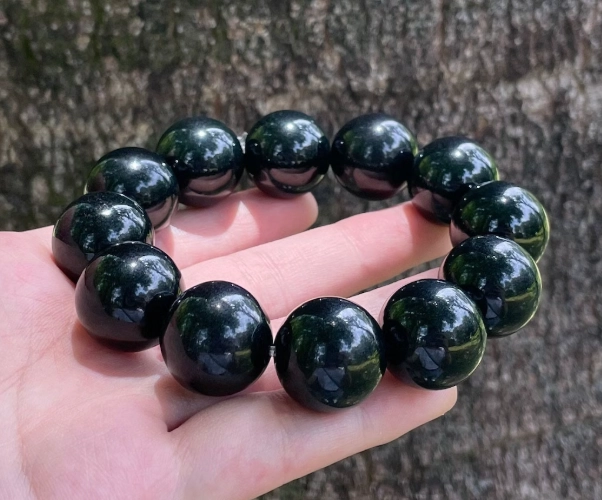
How to Spot Fake Black Jade: An Expert's Checklist
The market is flooded with fakes. Here’s how to protect yourself, whether you're shopping online or in a store.
| Material Often Faked As Black Jade | How to Tell the Difference | The "Quick Test" |
|---|---|---|
| Dyed Serpentine or Marble | Color is too uniform, like ink. May feel chalky or too warm. Dye can collect in cracks (check with a magnifier). | Scratch Test (Caution): Jade is very hard (6.5-7 Mohs). A steel knife (5.5) won't scratch it, but will leave a mark on serpentine. |
| Onyx or Agate | These have a more vitreous (glassy) shine and parallel banding. Jade has a greasy or waxy luster and a fibrous, sugary look up close. | Luster Test: Look at the shine. Glassy = likely onyx. Soft, oily glow = points toward jade. |
| Glass or Resin | Feels light, too perfect, and may have bubbles or mold seams. Conducts temperature quickly (feels warm fast). | Temperature Test: Real jade feels cold initially and takes time to warm in your hand. Glass/resin warms up almost instantly. |
| Black Jadeite (Very Rare) | Extremely rare and expensive. Often has a salt-and-pepper look or faint green hints. Price is a major indicator. | Price & Provenance: If it's cheap and labeled "black jadeite," be very skeptical. Ask for a lab report. |
Pro Tip from a Lapidary Friend: "The best test is heft and sound. Tap two presumed jade pieces together gently. Real jade has a distinctive, resonant 'clink'—denser and clearer than glass or stone. It also feels denser in your hand than its size suggests. It's a weighty presence."
Integrating Black Jade into Your Life (Practical Steps)
Okay, you've got a genuine piece. Now what? Here are concrete, non-woo-woo ways to use it.
For Your Home
- Entryway Bowl: Place a bowl of small, tumbled black jade stones by your front door. The ritual of dropping your keys in it marks the transition from outside world to home. It's a physical habit that cues mental decompression.
- Home Office Focus Stone: Keep a piece on your desk. When you feel distracted, pick it up, roll it in your hand for 30 seconds while focusing on your breath. It's a mini-meditation reset button.
- Bedside Companion: Not under your pillow (that's uncomfortable), but on the nightstand. Its purpose is visual. Before sleep, let it represent putting the day's worries to rest.
For Personal Energy (The Pragmatic View)
Forget vague "energy cleansing." Think of it like maintaining a tool.
- Cleansing: Don't use salt; it can damage the polish. Running it under cool tap water (visualizing stress washing away) is effective. Or, place it on a windowsill during a new moon—not for "moon energy," but as a symbolic reset point in the lunar cycle.
- Setting Intentions: This is the most powerful step everyone skips. Hold your jade and simply state its purpose aloud. "I use this piece for grounding during work calls" or "This ring reminds me to speak with confidence." You're programming your own association, which is far more potent than any inherent property.

Your Black Jade Questions, Answered
Related Articles
What Is the Rarest Color of Jade? The Truth About Imperial Green
Nuummite: The Rarest Gemstone's Properties, Value & Myths
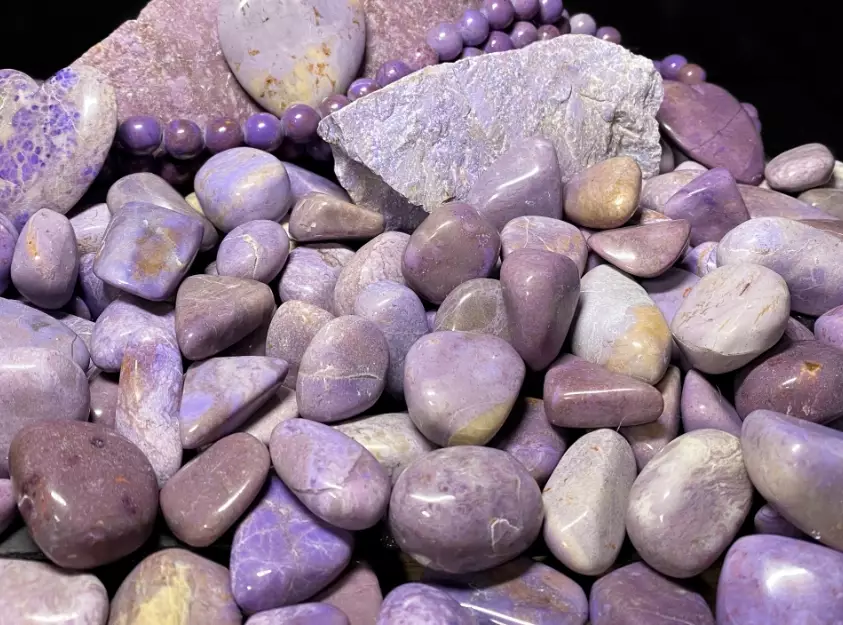
Purple Jade Meaning: Healing Properties, Uses & Buying Tips
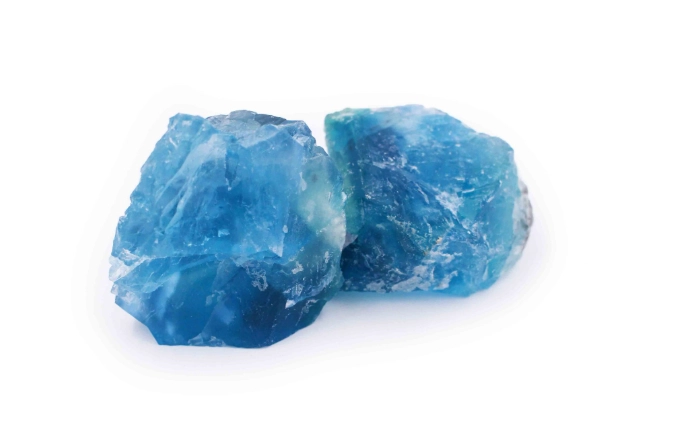
Blue Fluorite Raw: Ultimate Guide to Buying, Identifying & Using Raw Blue Fluorite
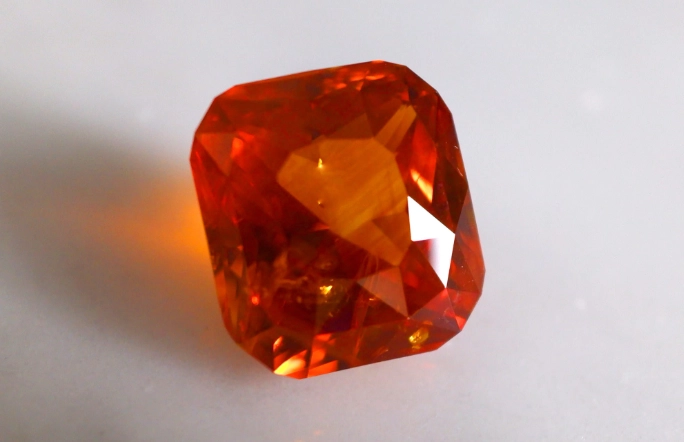
Orange Sapphire Guide: Value, Buying Tips & Care Secrets