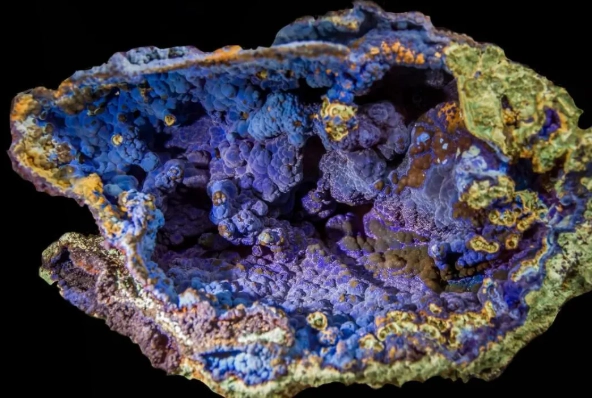
Jade blue. You've probably heard the name, maybe seen it on a paint swatch or in a fashion magazine. But if someone asked you to point it out in a lineup of blues and greens, could you? The truth is, jade blue sits in a fascinating, often misunderstood space between green and blue. It's not quite teal, not quite turquoise, and definitely not a standard sky blue. So, what color is jade blue? Let's cut to the chase: it's a medium to dark, slightly dusty cyan tone that leans more towards blue than green, carrying the cool serenity of a deep lagoon with a whisper of gray sophistication. It's named after the rare and valuable blue jadeite, which gives it an inherent sense of luxury and calm.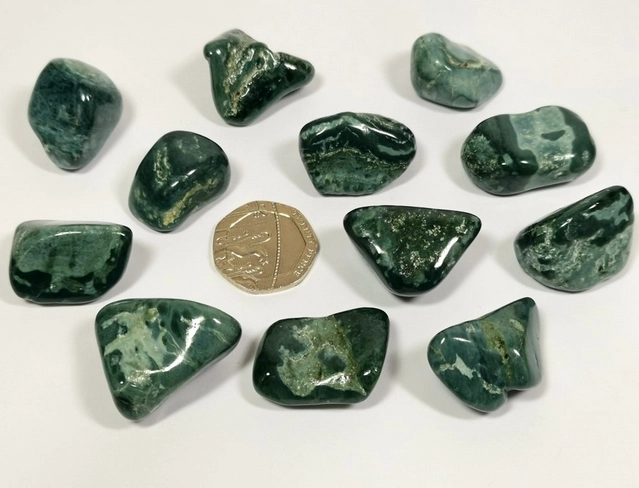
What's Inside This Guide
- Defining the Jade Blue Color: More Than Just a Name
- The Psychology of Jade Blue: Why It Feels So Good
- Where You'll Find Jade Blue: From Nature to Design
- How to Use Jade Blue in Your Home: A Practical Guide
- Common Mistakes When Using Jade Blue (And How to Avoid Them)
- Frequently Asked Questions About Jade Blue
Defining the Jade Blue Color: More Than Just a Name
Let's get specific. In the digital world of web and graphic design, jade blue is often pinned down to a hex code like #5BA4B8. In print, you might see it as a mix in the CMYK spectrum. But those numbers don't tell the whole story. I've seen countless clients bring in a "teal" sample that was actually jade blue, and vice versa. The confusion is real.
The Technical Specs: HEX, RGB, CMYK
For the designers and detail-oriented folks, here's the breakdown. The classic jade blue hex is #5BA4B8. In RGB values, that's roughly Red: 91, Green: 164, Blue: 184. You can see the green (164) is significant but still less than the blue (184). In the CMYK color model used for printing, it's a blend of Cyan, Magenta, Yellow, and Black. This mix creates that slightly muted, sophisticated feel compared to a pure, bright cyan.
Jade Blue vs. Teal vs. Turquoise: Spotting the Difference
This is where most people get tripped up. I used to mix them up myself. Here's a simple way to think about it:
Jade Blue: Think of a deep, calm mountain lake on a slightly overcast day. It's more blue than green, with a noticeable gray or dusty undertone. It feels grounded and elegant.
Teal: Teal is the vibrant, equal-parts party of blue and green. It's often brighter and more saturated. If jade blue is a lake, teal is a tropical ocean cove – more energetic.
Turquoise: Turquoise leans even more into green and carries a much lighter, almost pastel value. It's named after the gemstone and feels brighter and more playful.
The grayness in jade blue is its secret weapon. It's what keeps it from feeling childish or overwhelming, making it incredibly versatile for adult spaces.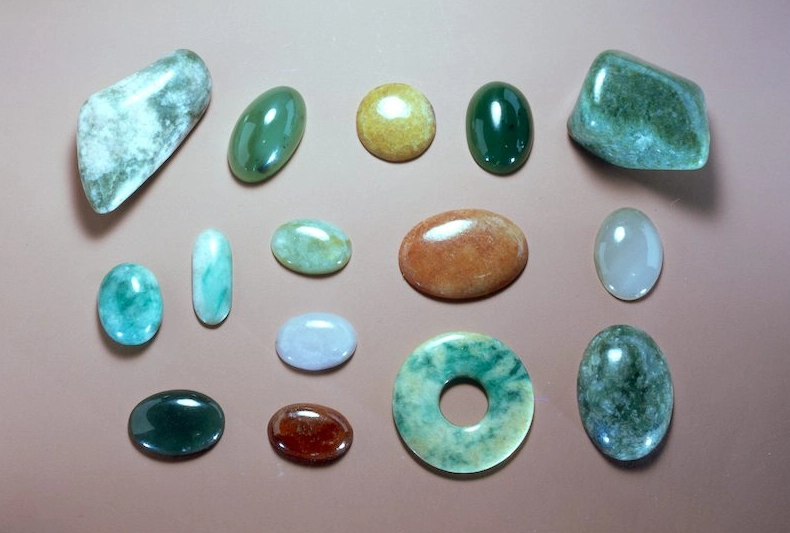
The Psychology of Jade Blue: Why It Feels So Good
Colors talk to our brains without saying a word. Jade blue is a master communicator. It combines the trusted stability of blue with the renewing growth of green, then dials down the intensity with that gray note.
The result? A color that's profoundly calming but not sedating. It encourages clear thought and focus. I painted the wall behind my home office desk a jade blue, and the difference in my afternoon energy slump was noticeable. It didn't scream for attention like a bright color, but it provided a gentle, refreshing backdrop that kept me engaged.
It also carries subtle connotations of wisdom, clarity, and protection, borrowed from the jade stone's long history in cultures like the Chinese and Māori. It's a color that feels both modern and timelessly connected to the earth.
Where You'll Find Jade Blue: From Nature to Design
You don't have to look far. Once you know what to look for, jade blue pops up everywhere.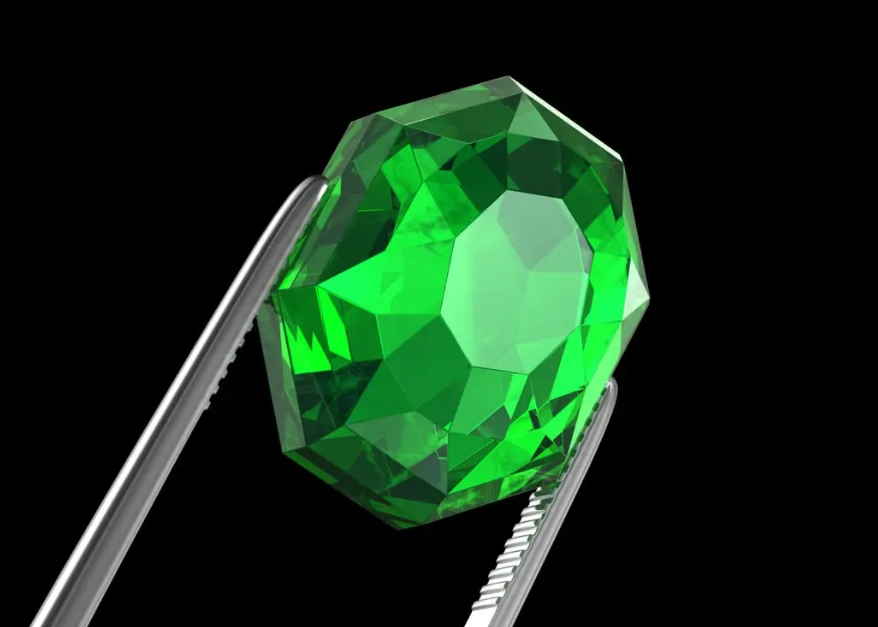
In Interior Design: Creating Serene Spaces
This is where jade blue truly shines. It's a star in coastal, modern farmhouse, and contemporary interiors. You'll see it as an accent wall in a living room, on kitchen cabinetry for a unexpected twist (paired with brass hardware, it's stunning), or in textiles like velvet upholstery or thick wool throws. It works beautifully in bathrooms, evoking a spa-like tranquility.
Major paint companies have their own versions. Benjamin Moore's "Blue Danube" (2067-30) and Sherwin-Williams "Rain" (SW 6219) are popular choices that capture the jade blue essence. These aren't just random names; color experts at these companies study trends and human response. According to reports from sources like the Pantone Color Institute, there's a sustained shift towards colors that offer comfort and a connection to nature, which perfectly explains jade blue's enduring appeal.
In Fashion and Beauty: A Versatile Statement
In fashion, jade blue is a sophisticated alternative to navy. A jade blue blazer or summer dress stands out without being loud. It's incredibly flattering against a wide range of skin tones because of its balanced coolness. In beauty, you'll find it as an eyeshadow shade that makes brown and hazel eyes pop, or as a bold, yet wearable, nail polish color.
How to Use Jade Blue in Your Home: A Practical Guide
Let's get practical. You're convinced jade blue is beautiful, but how do you actually use it without regret? I'll walk you through a real scenario: painting a feature wall in a medium-sized bedroom.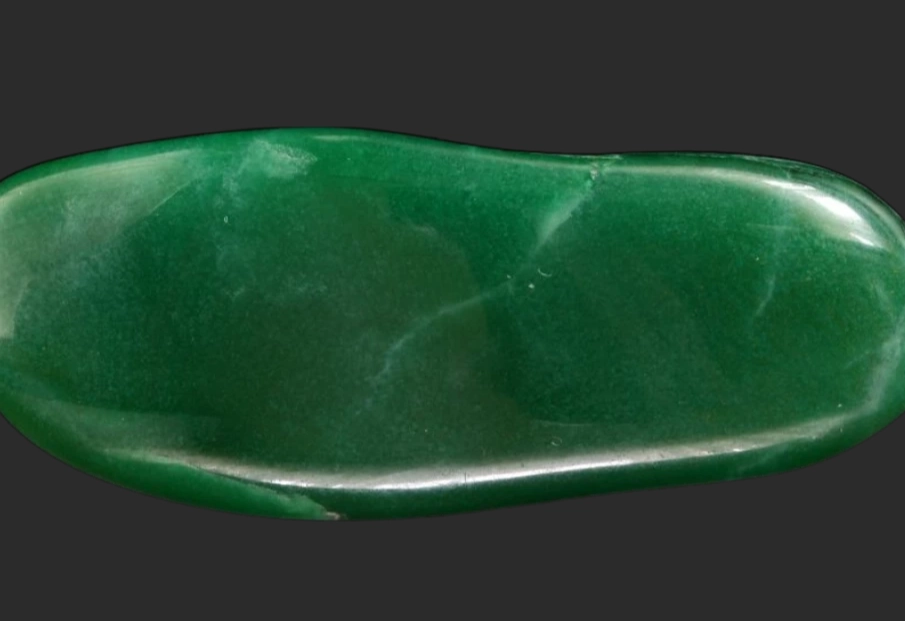
Step 1: Choose Your Shade Carefully. Lighting changes everything. A jade blue that looks perfect at the paint store can look too green or too gray in your room. Always get a sample pot. Paint a large poster board and move it around the room at different times of day. North-facing rooms will make it appear cooler and grayer; south-facing light will bring out its warmth.
Step 2: Pair It Right. Jade blue is a team player. Here are its best teammates:
| Pairing Color | Effect Created | Best Use Case |
|---|---|---|
| Crisp White (e.g., Chantilly Lace) | Clean, fresh, coastal vibe. Maximizes light. | Trim, ceilings, adjacent walls. |
| Warm Wood Tones (Oak, Walnut) | Adds organic warmth, balances coolness. | Floors, furniture, shelving. |
| Mustard or Ochre Yellow | Creates a vibrant, complementary contrast. | Throw pillows, artwork, a single accent chair. |
| Blush Pink or Soft Peach | Sophisticated, modern, and unexpectedly cozy. | Bedding, curtains, decorative objects. |
| Charcoal Gray | Moody, dramatic, and ultra-modern. | Accent furniture, photo frames. |
Step 3: Start Small if You're Nervous. Don't commit to four walls. Paint the inside of a bookshelf, the back of a cabinet, or just one wall. Use it in accessories first—a vase, a lamp, a rug with jade blue threads. Live with it for a few weeks.
Common Mistakes When Using Jade Blue (And How to Avoid Them)
After years of working with color, I've seen the same pitfalls. Avoid these to get it right:
Mistake 1: Using it in a windowless or dark room. Jade blue needs light. In a dark basement room, it can feel cold and cave-like. If you must use it there, pair it with very warm, creamy whites and abundant artificial light in warm temperatures (2700K-3000K bulbs).
Mistake 2: Pairing it with cool, stark gray and silver. This is a classic error that leads to a sterile, hospital-like feel. The gray in jade blue is enough. Combine it with warm metals like brass, gold, or oil-rubbed bronze. The warmth is crucial.
Mistake 3: Going matchy-matchy. Don't buy a jade blue sofa, jade blue curtains, and jade blue pillows. It's overwhelming. Let it be the star in one or two places, and use your pairing colors (from the table above) to create layers and interest.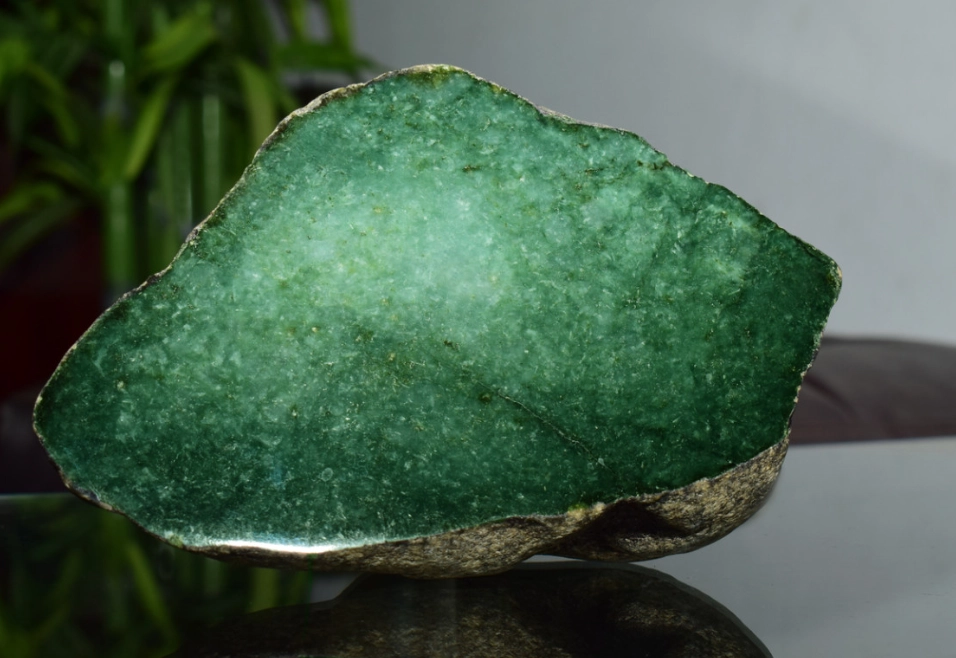
Frequently Asked Questions About Jade Blue
 How do I decorate a living room with jade blue as the main color?
Related Articles
The Ultimate Guide to Onyx Meaning: Protection, Power & Balance
Unlocking the Spiritual Meaning of Tigers Eye: A Complete Guide
Labradorite Crystal Meaning: Healing, Magic & Practical Uses
Jasper Stone: The Ultimate Guide to Its Colors, Uses & Healing Properties
Blue Crystals Guide: Types, Meanings, and How to Use Them