In This Article: A Quick Guide
- What Exactly Is Tiger Eye? The Science Behind the Glow
- Beyond the Stripes: Meaning and Symbolism Through Time
- So, What Are the Actual "Benefits" or Uses?
- The Big Question: Is Your Tiger Eye Real or Fake?
- Not All Tiger Eye Is Golden Brown: Types and Colors
- How to Choose Your Own Tiger Eye Stone: A Buyer's Checklist
- Caring for Your Tiger Eye: Keep It Looking Great
- Answers to Questions You Might Be Too Shy to Ask (FAQ)
You've probably seen it everywhere – in jewelry stores, on Instagram feeds, maybe even on a friend's wrist. That stone with the captivating bands of gold, brown, and amber that seem to move and shift in the light. That's tiger eye. It's stunning, no doubt. But if you think it's just a cool-looking bead, you're missing out on the whole story. There's a reason this gem has been dug up, traded, and treasured for thousands of years, from ancient Rome to modern-day meditation circles.
Let's be real. The crystal world can get... fluffy. Full of big promises and vague meanings. I get it. I was skeptical too. But after years of collecting, talking to lapidaries (the folks who cut stones), and just plain old observing, I've come to see tiger eye differently. It's not magic in the fairy tale sense. It's more like a tool, a focal point. Its real power might just be in what it reminds you to do for yourself.
What Exactly Is Tiger Eye? The Science Behind the Glow
First things first. Tiger eye is a variety of quartz. Technically, it's a pseudomorph. That's a fancy geology term that basically means one mineral has replaced another but kept the original's shape. In the case of tiger eye, it started as crocidolite, a blue asbestos (don't worry, it's stable now!). Silica-rich fluids seeped in, slowly replacing the crocidolite fibers with quartz, while preserving that fibrous structure. That's the key.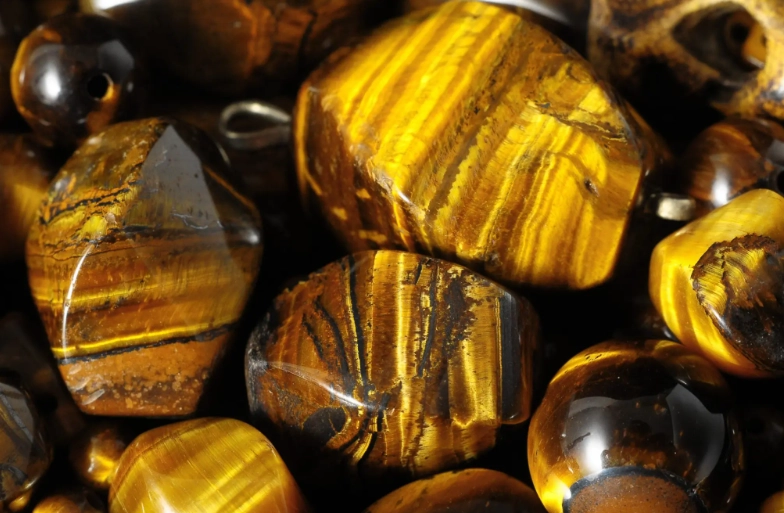
Those parallel fibers are what create the stone's signature chatoyancy – that silky, cat's-eye band of light that glides across its surface when you move it. It's not just color; it's an optical effect, a play of light. No two stones have the exact same pattern, which is part of the appeal. If you want to get into the nitty-gritty mineralogy, the Gemological Institute of America (GIA) Gem Encyclopedia is the absolute gold standard for accurate, scientific information on gemstones like tiger eye.
Most tiger eye comes from South Africa, and the mining history there is deep. You can also find deposits in places like Western Australia, India, and even some parts of the United States. The location can influence the color tones a bit, but the basic structure is the same.
Beyond the Stripes: Meaning and Symbolism Through Time
Alright, let's talk meaning. This is where people's eyes either light up or glaze over. I'll stick to what's widely talked about and historically noted, not make anything up.
Across many cultures, tiger eye has been linked to protection, courage, and luck. Roman soldiers were said to carry it into battle for bravery and protection. In Eastern traditions, it's often associated with the power of the sun, warding off negativity and ill will. The common thread? It's seen as a stone of empowerment, of moving from fear to action.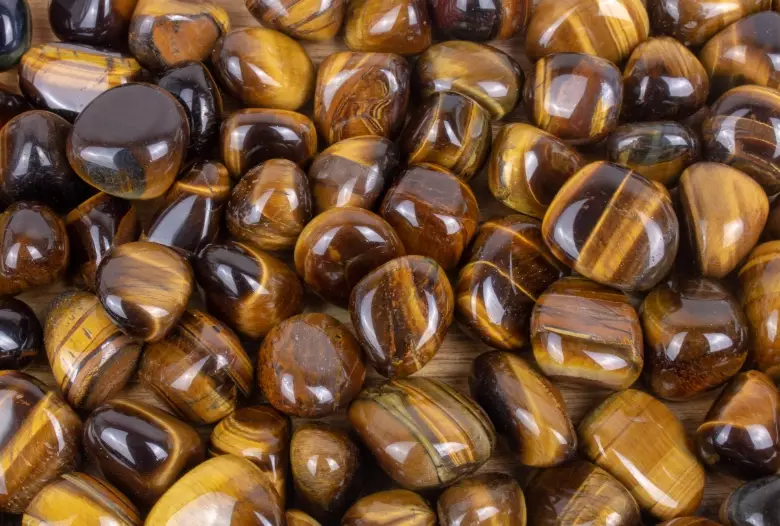
In modern metaphysical circles, tiger eye is called a "stone of the mind." It's believed to enhance clarity, focus, and practical thinking. The idea is that it helps cut through mental fog and wishful thinking, grounding your ideas into actionable plans. It's often recommended for entrepreneurs, students, or anyone facing a big decision.
Is there peer-reviewed science to back the "energy" claims? No. And any honest source will tell you that. The Mindat mineral database, an incredible non-commercial resource run by the Hudson Institute of Mineralogy, gives you the straight facts on its geology, not its spirituality. But the psychological impact of a symbol? That's real. If wearing a tiger eye bracelet makes you feel more confident during a presentation, that feeling is 100% genuine, regardless of the mechanism.
Common Themes You'll Hear About Tiger Eye
- Grounding & Stability: Connects you to practical, earthy energy. Helps with feeling scattered or anxious.
- Protection & Luck: A traditional talisman against negativity and a booster for good fortune, especially in financial ventures.
- Clarity & Insight: Said to sharpen the intellect, improve decision-making, and reveal the truth of a situation.
- Courage & Confidence: The "tiger" part of its name isn't accidental. It's linked to personal power and will.
So, What Are the Actual "Benefits" or Uses?
Forget abstract concepts. How do people actually use tiger eye in their daily lives? It's less about mystical energy beams and more about intention and ritual.
As a Focus Tool: Keep a small tumble stone on your desk. When your mind is racing, hold it. Look at the bands. Use it as a physical anchor to bring your thoughts back to one task. It works because you decide it does.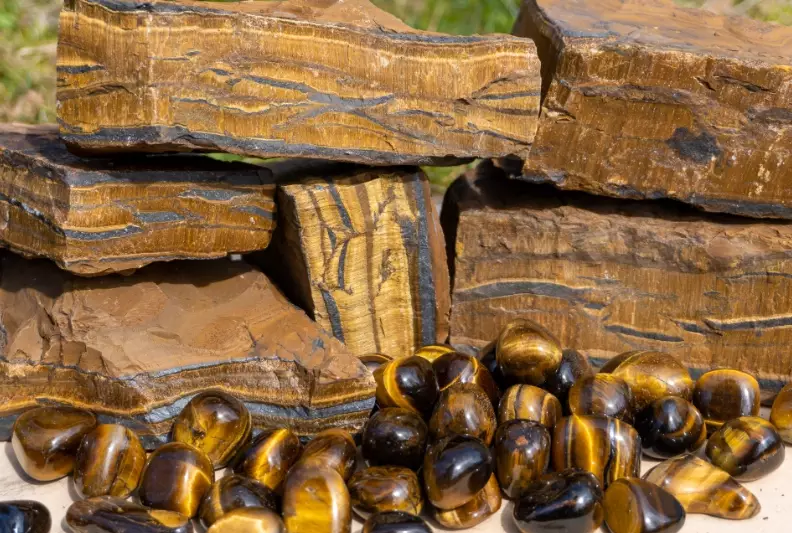
For Decision-Making: Facing a tough choice? Some people use tiger eye as a prompt for pro/con lists. The stone's association with clarity serves as a reminder to be objective and practical, not just emotional.
In Jewelry: This is the most popular way. A tiger eye ring or pendant keeps it close. It can be a conversation starter, a personal reminder of your own strength, or simply a beautiful accessory. I personally think it looks best in simple, rustic silver settings that don't overpower the stone.
In Meditation: Holding a piece during meditation can give your mind a simple point of focus—the weight, the temperature, the visual pattern—helping to quiet internal chatter.
The Big Question: Is Your Tiger Eye Real or Fake?
This is a major pain point. The market is flooded with fakes, especially online. Seeing a band of light doesn't automatically mean it's genuine tiger eye. Here’s how to not get ripped off.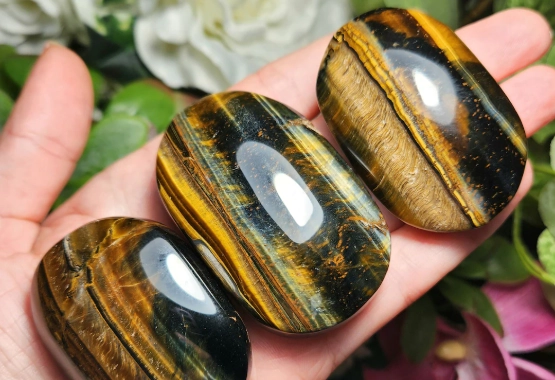
Real Tiger Eye Has Depth. The chatoyant band isn't painted on; it comes from within. Tilt the stone. The band of light should move smoothly across the surface. If the stripes look flat, printed, or perfectly uniform, it's suspect.
Check the Weight and Temperature. Real stone feels cool to the touch and has a certain heft. Plastic or glass imitations feel lighter and warm up quickly in your hand.
Look for Imperfections. Natural stone often has minor inclusions, color variations, or uneven banding. A perfectly uniform, flawless piece is often a red flag for being man-made.
The Scratch Test (Carefully): Real quartz (which tiger eye is) has a hardness of 7 on the Mohs scale. It shouldn't be easily scratched by a steel knife (hardness ~5.5). Do this on an inconspicuous area if you must. Glass will scratch more easily.
Beware of "Stabilized" or "Reconstituted" Tiger Eye. These are terms for lower-quality material that's been crushed, dyed, and bonded with resin. It's not *fake* per se, but it's not a natural solid stone either. Sellers should disclose this, but many don't. The price is usually a giveaway—if it seems too good to be true, it is.
Honestly, buying from reputable dealers is your best bet. Look for sellers who provide the location of the rough material and are transparent about any treatments.
Not All Tiger Eye Is Golden Brown: Types and Colors
This is where it gets fun. While the classic golden brown is iconic, tiger eye comes in a few other stunning varieties, each with slight compositional differences.
| Type | Primary Colors | What Makes It Different | Common Associations |
|---|---|---|---|
| Golden Tiger Eye | Rich golds, amber, brown | The classic, most common form. The gold color comes from oxidized iron within the quartz. | Wealth, confidence, solar energy |
| Red Tiger Eye (Sometimes called Dragon's Eye) | Deep reds, maroons, reddish-brown | Heated (often naturally) Golden Tiger Eye. The heat oxidizes the iron further, turning it red. | Vitality, passion, action, courage |
| Blue Tiger Eye (Hawk's Eye) | Silvery-blue, blue-gray, greenish-blue | The crocidolite fibers weren't fully replaced by quartz, leaving some of the original blue mineral. It's less chatoyant, more silky. | Calm, communication, perspective |
| Green Tiger Eye | Olive green, yellow-green | Contains traces of other minerals like riebeckite or crocidolite. Rarer than the golden type. | Balance, growth, emotional healing |
I'm partial to the classic golden type and the serene blue hawk's eye. The red can sometimes look a bit too much like plastic if it's poorly cut, in my opinion. The green is beautiful but harder to find in its natural, untreated state.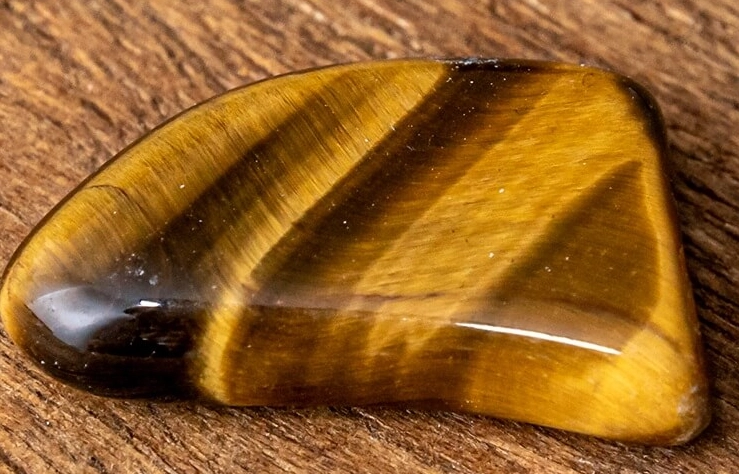
How to Choose Your Own Tiger Eye Stone: A Buyer's Checklist
Ready to get one? Don't just click "buy." Think about what you want from it.
- Set a Budget: Tiger eye is generally affordable. A nice tumble stone can be $5-$20. A high-quality, well-cut cabochon for a ring might be $30-$80. Massive spheres or rare color pieces cost more.
- Decide on the Form: Tumble stone for your pocket? Beads for a bracelet? A polished cabochon for a pendant? A raw, uncut piece for display? The use dictates the form.
- Examine the Chatoyancy: This is the star feature. Look for a sharp, moving band of light. The stronger the "eye," the more valued the piece typically is.
- Consider Color Preference: Do you want the warm, classic gold? The fiery red? The cool blue? There's no right answer, only your preference.
- Check for Reputable Sellers: Read reviews. Do they talk about sourcing? Do they show actual photos, not just stock images? Etsy can be great for handmade pieces, but vet the seller. Specialty gem & mineral shows are fantastic for seeing stones in person.
- Ask About Treatments: It's a fair question to ask a seller: "Is this color natural, or has it been heat-treated?" Most red tiger eye is heat-treated, which is a stable and accepted practice, but you should know.
Caring for Your Tiger Eye: Keep It Looking Great
Tiger eye is durable (hardness 7), but it's not indestructible. A little care goes a long way.
- Cleaning: Warm, soapy water and a soft brush (like an old toothbrush) is perfect. Rinse well. Avoid harsh chemicals, ultrasonic cleaners, and steam cleaners, which can damage polish or any stabilized material.
- Storage: Keep it separate from harder gems (like diamonds, sapphires, topaz) that can scratch it. A soft cloth bag or a separate compartment in a jewelry box is ideal.
- Sunlight: Prolonged, direct sunlight can fade the colors over many years. It's not an immediate concern, but don't leave it on a sunny windowsill permanently.
- Recharging/Cleansing: If you're into the energetic aspect, common practices include placing it on a selenite plate, smudging with sage smoke (briefly!), or leaving it in moonlight. I find just rinsing it under cool water with the intention of washing away stagnant energy works fine for me.
Answers to Questions You Might Be Too Shy to Ask (FAQ)
Can tiger eye go in water?
Yes, generally. It's a quartz, so brief immersion in water for cleaning is perfectly safe. I wouldn't soak it for days or wear it in a chlorinated pool regularly, as chemicals can dull the polish over time.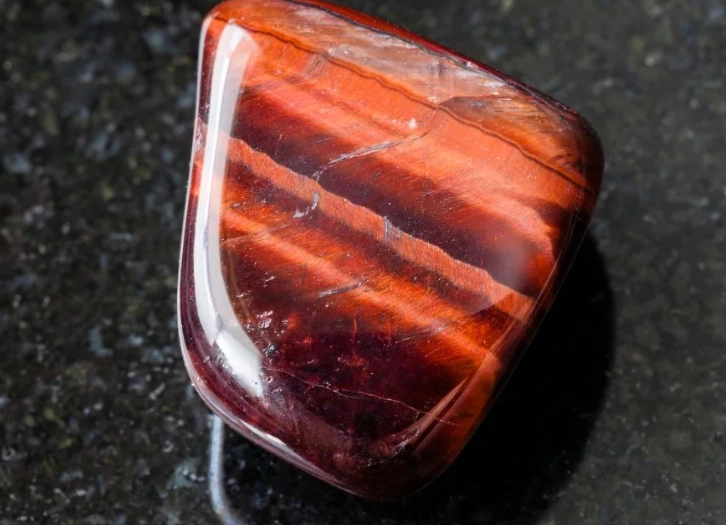
Which chakra is tiger eye associated with?
It's most commonly linked to the Sacral Chakra (Svadhisthana) and the Solar Plexus Chakra (Manipura). The Solar Plexus connection is the big one—it's your center of personal power, will, and confidence.
Is tiger eye a birthstone?
It's not a traditional modern birthstone, but it is sometimes listed as an alternative birthstone for the month of June. More commonly, it's associated with the zodiac signs of Gemini and Leo.
How can I tell if my tiger eye is working?
This is the kicker. You don't, in a measurable way. You notice subtle shifts in your own mindset. Maybe you feel a bit more grounded on a stressful day when you have it in your pocket. Maybe it serves as a visual reminder to stay focused. The "work" is often in the intention you pair with it. If you expect lightning bolts, you'll be disappointed.
What's the difference between tiger eye and cat's eye?
"Cat's eye" is the general term for the chatoyancy effect. Tiger eye is a specific gemstone that exhibits cat's eye. Other gems, like chrysoberyl, can also show a cat's eye effect, but they are completely different minerals.
Where is the best place to buy real tiger eye?
Local gem and mineral shops, reputable rock shows, and online sellers with detailed photos, good reviews, and transparent sourcing. Avoid generic mass-market jewelry sites if authenticity is your primary concern. For geological maps and official mining information, resources like the U.S. Geological Survey can provide context on where minerals are found, though they won't sell you stones!
The world of tiger eye is deep and textured, much like the stone itself. It bridges geology and folklore, science and symbolism. Whether you're drawn to its history, its hypnotic appearance, or the sense of calm focus it can provide, it's a gemstone that has earned its enduring popularity. Start with a simple piece, learn its feel, and see what it brings to your life. You might be surprised.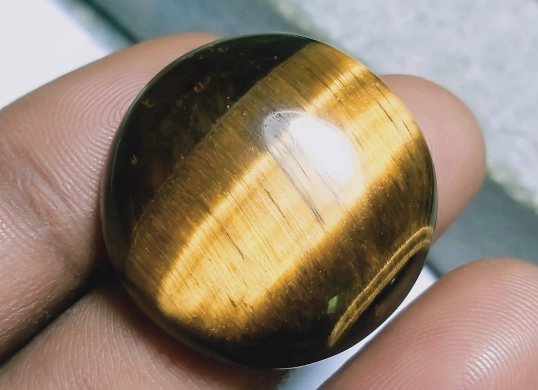
Related Articles
Sodalite Crystal: Ultimate Guide to Meaning, Uses & How to Spot Fakes
Amber Stone Meaning: More Than Just a Pretty Fossil
Selenite Crystal Cleansing: How to Cleanse & Charge with Moonlight
Green Moss Agate Benefits: More Than Just a Pretty Stone

3D NAND, how can it be played?