Let's talk about citrine. You've probably seen it everywhere – in jewelry stores, on wellness blogs, maybe even on your friend's desk. It's that warm, sunny yellow crystal that seems to promise good vibes and good fortune. But there's a lot more to it than just a pretty color. After years of collecting and working with stones, I've found citrine to be one of the most misunderstood, yet practically useful crystals you can own. This isn't just about vague "positive energy"; it's about a specific tool with a long history and some very concrete applications. We'll cut through the hype, show you how to spot the real deal (and avoid the fakes), and give you straightforward ways to make it work for you.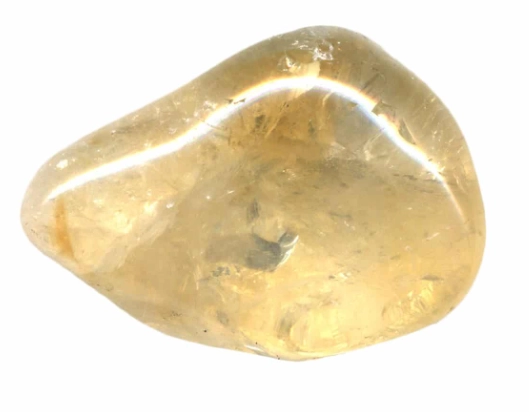
What's Inside This Guide?
What is Citrine? A Quick Introduction
Citrine is a variety of quartz, which means its chemical makeup is silicon dioxide (SiO₂). Its signature yellow to orange-brown color comes from traces of iron in its structure. In the gem and crystal world, it's famously known as the "merchant's stone" or "success stone," a nickname that goes back centuries to traders who kept it in their cash boxes to attract wealth.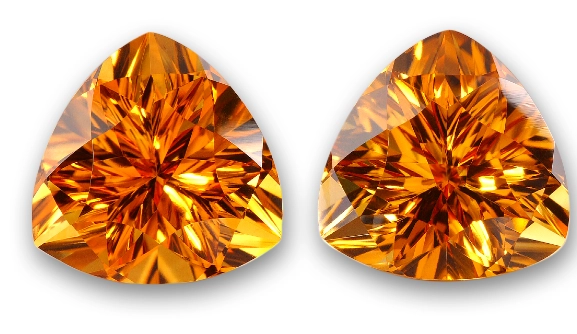
Here's the first thing most beginners don't realize: the vast majority of citrine on the market isn't naturally formed. It's actually heat-treated amethyst or smoky quartz. Natural citrine is relatively rare. The heat treatment process turns purple amethyst into that deep orange-yellow color you often see. This isn't necessarily "fake" – it's a stable, accepted treatment in the gem trade – but it's different from a stone that grew yellow in the earth. We'll get into how to tell them apart in a bit.
Key Takeaway: Whether natural or heat-treated, citrine's metaphysical properties are generally considered to be the same in modern crystal practice. The debate is more about geology and authenticity for collectors.
The Real Benefits of Citrine: Beyond the Hype
I'm skeptical of crystals that promise to solve every problem. Citrine's reputation, however, is remarkably focused. Its energy is primarily associated with two domains: abundance and personal power. It's not a sleepy, meditative stone. It's an active one.
Think of it this way. If you're feeling stuck in a scarcity mindset – worrying about money, doubting your skills, feeling like opportunities are for other people – citrine is said to help shift that internal dialogue. It's linked to the solar plexus chakra, your center of willpower, confidence, and action. The idea is that it doesn't magically manifest cash on your pillow. Instead, it might help you spot an opportunity you'd otherwise miss, give you the guts to ask for that raise, or simply help you stop self-sabotaging your own success by fostering a more optimistic, "can-do" attitude.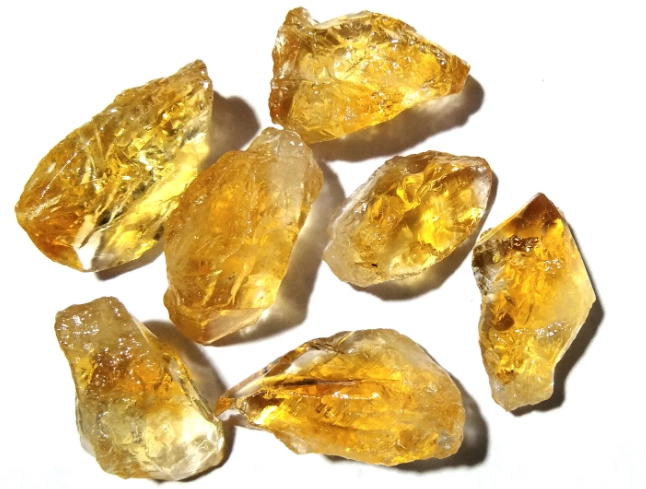
Beyond wealth, its bright energy is also connected to mental clarity and creativity. I know several writers and artists who keep a piece on their desk to combat brain fog. It’s like a cup of coffee for your motivation, without the jitters.
Common Associations & Uses
- Manifestation & Goals: Used as a focus point for setting intentions, especially around career and financial goals.
- Energy Cleansing: Believed to transmute negative energy and prevent environmental psychic drain (hence its popularity in offices).
- Digestive Health: In historical and alternative practices, it was sometimes associated with supporting the digestive system, likely due to its connection to the solar plexus.
How to Tell Natural Citrine from Fake or Heat-Treated Stones?
This is where a lot of people get tripped up. You buy a "citrine" tumble stone online, and it looks perfect. Too perfect. Here’s a quick comparison to help you identify what you likely have.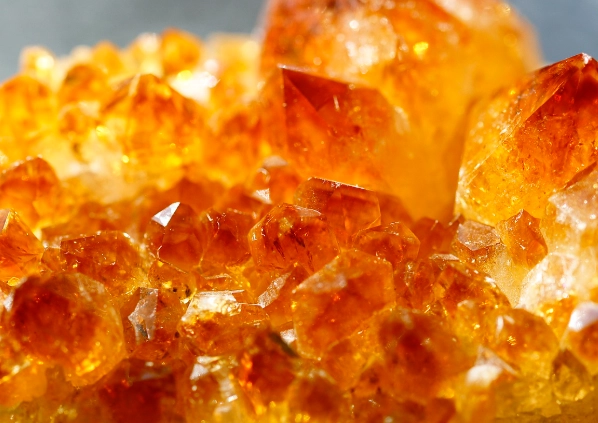
| Feature | Natural Citrine | Heat-Treated Amethyst (HCA) | Glass or Plastic Fake |
|---|---|---|---|
| Color | Pale, subtle yellow, smoky yellow, or honey-colored. Uniform. | Vibrant orange, amber, or deep brownish-yellow. Color is often concentrated at the crystal tips. | Unnaturally bright, uniform, and sometimes has air bubbles inside. |
| Clarity & Texture | Usually has some natural inclusions, slight cloudiness. Feels cool and heavy for its size. | May have a white, cloudy base where it was attached to the rock. Can look "toasted." | Feels light, warm to the touch quickly. Flawless clarity is a red flag for cheap stones. |
| Price Point | More expensive, especially for larger, clear pieces. | Very common and affordable. Makes up ~95% of the market. | Dirt cheap, often sold in bulk bags. |
| Where You'll Find It | Specialist crystal shops, reputable online dealers who specify "natural." | Almost everywhere – chain metaphysical stores, general online marketplaces. | Tourist shops, cheap accessory stores, some unscrupulous online sellers. |
My personal rule? Don't stress too much about it for general use. If you love the stone and it resonates with you, that's what matters most for personal work. However, if you're a collector or paying a premium, you have the right to know what you're buying. Always ask the seller. A reputable one will tell you if it's heat-treated.
How to Use Citrine in Your Daily Life (Practical Tips)
Forget complicated rituals. The power of citrine is in its simplicity and consistency. Here are ways I've seen it work effectively, both for myself and others.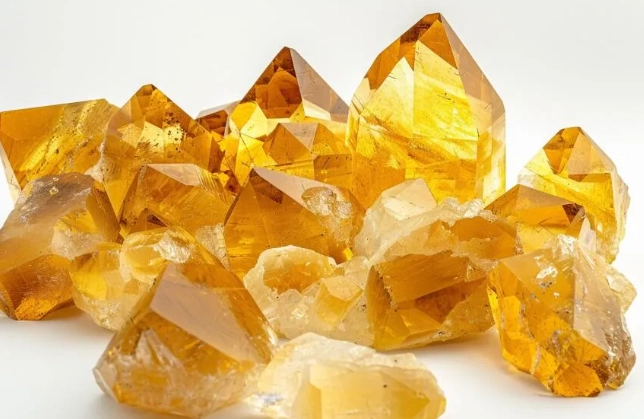
For Wealth & Career (The Classic Uses)
In Your Wallet or Cash Register: This is the oldest trick in the book. Place a small tumblestone or a tiny cluster in the compartment where you keep your bills. The idea is to "charge" your money with prosperous energy every time you open it. It serves as a tangible reminder of your abundance goals.
On Your Desk or Workspace: Place a point or a sphere on your desk, preferably on the left side (the receiving side in some traditions). It's said to help attract opportunities and maintain focus and motivation during work hours. I keep a small cluster near my computer, and whether it's the crystal or just a visual cue, it helps me push through afternoon slumps.
For Home & Personal Energy
In the Wealth Corner: In Feng Shui, the far left corner of your home (from the front door) is the wealth area. Placing a nice-sized citrine cluster or geode there is a popular way to energize the entire home's abundance potential.
As Jewelry: Wearing citrine as a necklace (close to the solar plexus) or a ring keeps its energy directly on your body throughout the day. It's discreet and constant.
With Other Stones: Citrine plays well with others. Pair it with green aventurine (for luck in new ventures) or pyrite (for business savvy) to create a powerful "abundance grid" on your altar or desk.
Citrine Care & Cleansing: What You're Probably Doing Wrong
Here's a critical piece of advice many guides get wrong: Do not leave your citrine in direct sunlight for long periods to cleanse it.
Yes, sunlight is a classic cleansing method. But citrine, especially heat-treated citrine, can fade. I've seen a beautiful orange piece turn a pale, milky yellow after a summer on a windowsill. The UV rays break down the color centers in the stone.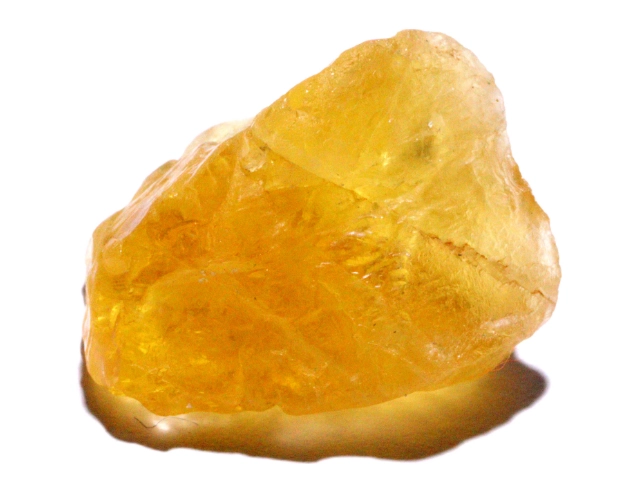
The good news? Citrine is one of the few crystals believed to be self-cleansing and non-porous. It doesn't absorb negative energy easily, so it doesn't require frequent cleansing like some stones (looking at you, black tourmaline). If you feel it needs a refresh, here are safer methods:
- Moonlight: Overnight under the moon is perfect and won't cause fading.
- Selenite Plate: Placing it on a slab of selenite for a few hours clears and recharges it passively.
- Sound: Using a singing bowl or bell.
- Smoke: A quick pass through sage or palo santo smoke.
Avoid: Salt (can scratch the surface), harsh chemicals, and prolonged water immersion.
Your Citrine Questions Answered
How can I tell if my citrine is natural or heat-treated amethyst?
Look at the color distribution. Natural citrine is typically a pale, uniform yellow or smoky yellow. Heat-treated amethyst (HCA) often has a deeper, more orange hue, and you might see faint white streaks or a cloudy base near where the crystal was attached to the rock. The most telling sign is if the color is intensely saturated only at the crystal tips, fading to clear or white at the base – that’s almost always HCA. Natural citrine’s color is more consistent throughout.
Does citrine really help with attracting wealth?
Think of it less as a magic money magnet and more as a tool for shifting your mindset. Citrine’s energy is linked to abundance, confidence, and action. By keeping it in your workspace or wallet, it serves as a constant, physical reminder to focus on opportunities, take calculated risks, and maintain a positive outlook – all crucial elements for creating wealth. It doesn’t replace hard work, but it can help foster the mentality that attracts success.
What’s the best way to cleanse and charge my citrine?
Citrine is unique because it’s one of the few crystals that generally doesn’t need cleansing; it’s believed to cleanse itself and other stones. However, if it feels energetically heavy, placing it in moonlight or sunlight for a few hours works. A major caveat: prolonged, direct sunlight can fade its color over time, especially for heat-treated stones. For charging, I prefer placing it on a selenite slab or alongside clear quartz overnight. Avoid salt or water methods, as they can damage the stone’s surface.
Can citrine fade or lose its color?
Yes, it can, and this is a key detail many guides miss. Prolonged exposure to strong, direct sunlight is the main culprit. The UV rays can cause the color centers in the crystal to break down, leading to fading. This is more noticeable in heat-treated amethyst, which can turn a milky white or pale yellow. To preserve its color, display your citrine in indirect light. If you use it in jewelry, be mindful of taking it off before extended sun exposure, like a day at the beach.
Related Articles
Malachite Properties: Healing Benefits, Uses, and Care Guide
Bloodstone Crystal Guide: Healing Properties, Uses, and Buying Tips

The Deep Significance of Wearing Opal: Meaning, Myths & Modern Style
Lapis Lazuli: The Ultimate Guide to History, Properties & Uses
Jasper Stone Spiritual Benefits: Grounding, Protection & More
