Let's cut through the fluff you find on most crystal sites. Green jasper isn't just a "stone of tranquility." In my years of working with minerals, I've seen it misused more than almost any other common crystal. People buy it for peace, then wonder why they feel oddly sluggish or stuck. The truth is, green jasper's real power lies in practical grounding and stubborn endurance, not floaty zen. If your life feels chaotic, your finances are a mess, or you can't seem to finish what you start, this might be your stone. But you need to know how to work with it, not just wear it.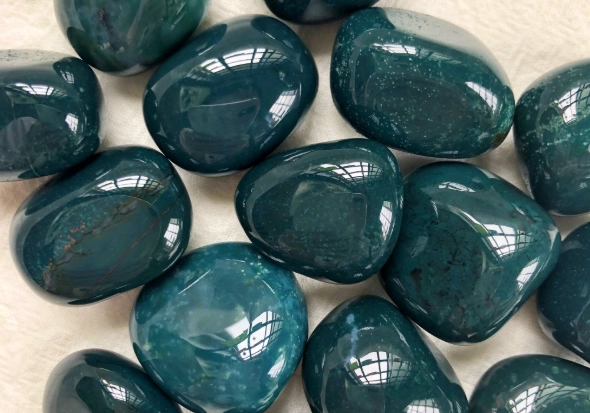
This guide dives into what most articles skip: the nuanced uses, the common identification mistakes (so you don't get ripped off), and how to integrate its energy without letting it weigh you down.
Your Quick Guide to Green Jasper
What Exactly Is Green Jasper? (The Geology Bit)
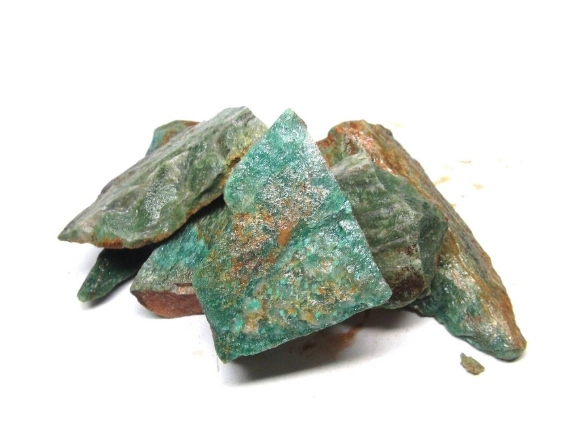
Green jasper is a microcrystalline variety of quartz, specifically a type of chalcedony. Its color comes from mineral impurities—often chlorite, iron oxides, or hornblende—that get trapped during formation. Unlike translucent stones, it's opaque and has a dull, waxy luster.
It forms in fractures and cavities in volcanic rock through the slow deposition of silica-rich fluids. That's why you often see banding or dendritic (tree-like) patterns. Major sources include India, Russia, Brazil, and parts of the United States like Oregon and Idaho.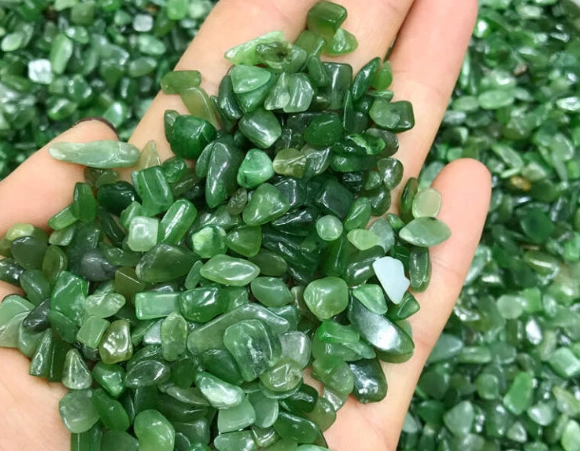
Key Characteristics at a Glance
- Composition: Silicon Dioxide (SiO2) with impurities.
- Hardness: 6.5 to 7 on the Mohs scale (durable for daily wear).
- Luster: Waxy to dull, never glassy or sparkly.
- Transparency: Opaque. If light shines through, it's likely agate.
- Common Patterns: Stripes, spots, orb-like patterns, or dendritic inclusions.
Here’s a quick look at how it compares to stones it's often confused with:
| Stone | Key Difference from Green Jasper | Common Confusion Point |
|---|---|---|
| Green Aventurine | Has a sparkly "aventurescence" (glitter). Jasper is matte. | Both are green, opaque quartz varieties. |
| Bloodstone (Heliotrope) | Dark green with distinct red (iron oxide) spots. | Sometimes called "green jasper with red spots." |
| Malachite | Much softer (3.5-4 Mohs), vivid concentric bands. | The banding pattern. |
| Dyed Agate | Bands are often too perfect, colors unnaturally bright. | Sold cheaply as "jasper." |
Green Jasper Meaning & Healing Properties: A Reality Check
Metaphysical properties aren't science, but they are a consistent language of experience. Green jasper's reputation isn't random; it's tied to its physical stability and connection to the earth element.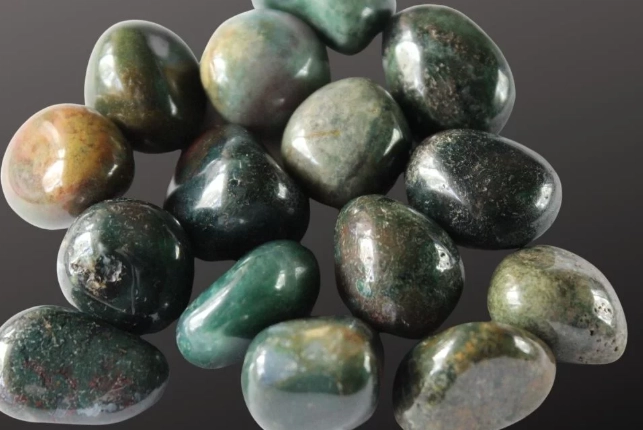
The Grounding Force (Emotional & Physical)
This is where green jasper shines. It's not a fast-acting rescue stone for panic attacks. Think of it as emotional ballast. When you're spinning with anxiety about deadlines, family drama, or global news, green jasper's energy is slow, heavy, and stabilizing. It pulls you out of your head and into your body.
Physically, it's traditionally associated with supporting the body's filtration and detoxification systems—think liver, kidneys, bladder. I don't claim it cures ailments, but many users report a feeling of physical steadiness when holding it during times of fatigue or recovery. A client of mine kept a palm stone in her pocket during a long convalescence, saying it helped her feel "planted" and less frail.
The Nurturer of Stubborn Growth
Here's the non-consensus part: green jasper isn't primarily about love. It's about sustenance. It nurtures the slow, stubborn kind of growth—like a perennial plant pushing through rocky soil. It's fantastic for long-term projects, sticking to a budget, or maintaining a healthy habit when motivation fades. It fosters patience with yourself. If you're always abandoning projects at the 80% mark, this stone encourages you to see them through.
The Shield Against Environmental Stress
This is a subtle but powerful use. Green jasper is said to absorb negative environmental energy—electromagnetic smog from devices, tense atmospheres in offices, even geopathic stress. Placing a piece near your Wi-Fi router or on your desk isn't magical thinking; it's about creating a symbolic anchor of stable, natural energy in a chaotic modern space. It reminds your nervous system of the forest, not the fluorescent lights.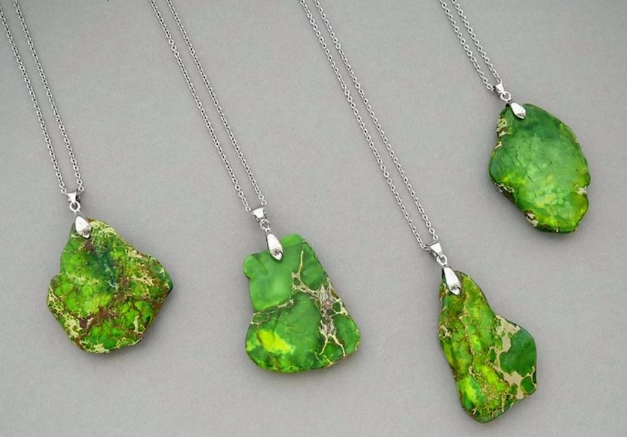
How to Spot Fake Green Jasper: A Buyer's Guide
The crystal market is flooded with fakes. Green jasper is common, so it's often faked with cheaper materials to maximize profit on bulk items like tumbles and spheres.
The Feel Test: Real jasper feels denser and cooler to the touch than plastic or glass. It warms slowly in your hand.
The Look Test: Examine the pattern. Nature is rarely uniform. Look for irregularities in the banding, speckles of different colors (brown, yellow, white), and a matte finish. A perfectly uniform, bright green stone is a major red flag—it's likely dyed howlite or resin.
The Scratch Test (Careful!): Real jasper (hardness 6.5-7) can scratch glass. Gently try to scratch the bottom of a glass bottle. If it leaves a mark, that's a good sign. If the stone itself gets scratched or powder comes off, it's fake.
The Price Point: A large, perfect green jasper sphere for $20 is almost certainly fake. Real, high-quality specimens have a tangible cost. When in doubt, buy from established dealers who provide information on the stone's origin. Reputable sources like the Mindat mineral database or the Gemological Institute of America (GIA) can be referenced for geological verification.
Practical Uses: From Your Desk to Your Garden
How do you actually use this stone? Move beyond just carrying a tumble in your pocket.
1. For Financial Stability: Create a simple "prosperity grid." Place a piece of green jasper in the far-left corner of your desk (the wealth area in Feng Shui's Bagua map). Pair it with a citrine for attraction and a pyrite for business savvy. Touch it when making budgets or paying bills to foster a grounded, responsible mindset.
2. For Gardening & Plant Growth: Bury a small, raw piece of green jasper near the roots of a struggling plant or in your vegetable garden. The idea is to transfer the stone's earthy, nurturing vibration to the soil. Many gardeners swear by this. It's less about magic and more about setting an intention of growth and care.
3. In Meditation for Grounding: Hold a piece in your non-dominant hand while meditating. Don't visualize flying through the cosmos. Visualize roots growing from your sit bones deep into the earth. Feel the stone's weight. This is especially useful after energy work or reiki, which can sometimes leave you feeling spacey.
4. As a Decorative Anchor: Use a large, beautiful specimen as a bookend, paperweight, or centerpiece on your dining table. It brings a stable, calming, natural energy to a room. It's more effective in spaces where practical work happens (home office, kitchen) than in a bedroom where you might want more dreamy energy.
Care & Charging: Why Water is a Bad Idea
Most generic guides say jasper is safe in water. I disagree. As a porous chalcedony, prolonged immersion can damage the polish or allow water into tiny fissures, potentially leading to cracks or cloudiness over time.
Cleansing: Use smoke from sage or palo santo. Place it on a cluster of clear quartz or a slab of selenite overnight. Burying it in dry brown rice for a day also works well.
Charging: Moonlight is gentle and effective. For a stronger earth-connection charge, bury it in soil in a pot or your garden for 24-48 hours. This is the best method, period. It reconnects the stone directly with its elemental source. Sunlight can fade some green jasper over time, so I avoid it.
Your Green Jasper Questions Answered
Green jasper's value isn't in mystery, but in its steadfast, earthy presence. It won't suddenly transform your life. Instead, it works in the background, reinforcing your resolve, calming your nerves about real-world problems, and helping you build something lasting. Start with a simple palm stone. Hold it during your next stressful Zoom call or place it by your bedside. Notice if the chaos feels a little more manageable. That's the real magic.
Related Articles
Onyx Properties Explained: Beyond Beauty to Practical Power
Green Jasper Spiritual Meaning: The Grounding Stone for Heart & Home

7 Crystal Types: A Guide to Their Properties & How to Use Them
Who Should Avoid Lapis Lazuli? A Safety & Energetics Guide
Unlock the Healing Power of Mookaite: A Complete Guide to Its Properties & Uses