You've seen it. That stone with the flash of electric blue, deep violet, or shimmering gold that seems to move like oil on water. It's called labradorite. Maybe you picked up a piece on a whim, or a friend raved about its "protective energy." But what's the real story behind this mesmerizing crystal? Is it just a trendy rock, or is there something more? Let's cut through the noise. This isn't about vague spiritual claims. It's a practical, down-to-earth look at a fascinating mineral—its science, its history, and how you can genuinely incorporate it into your life, whether you're a crystal skeptic or a seasoned collector.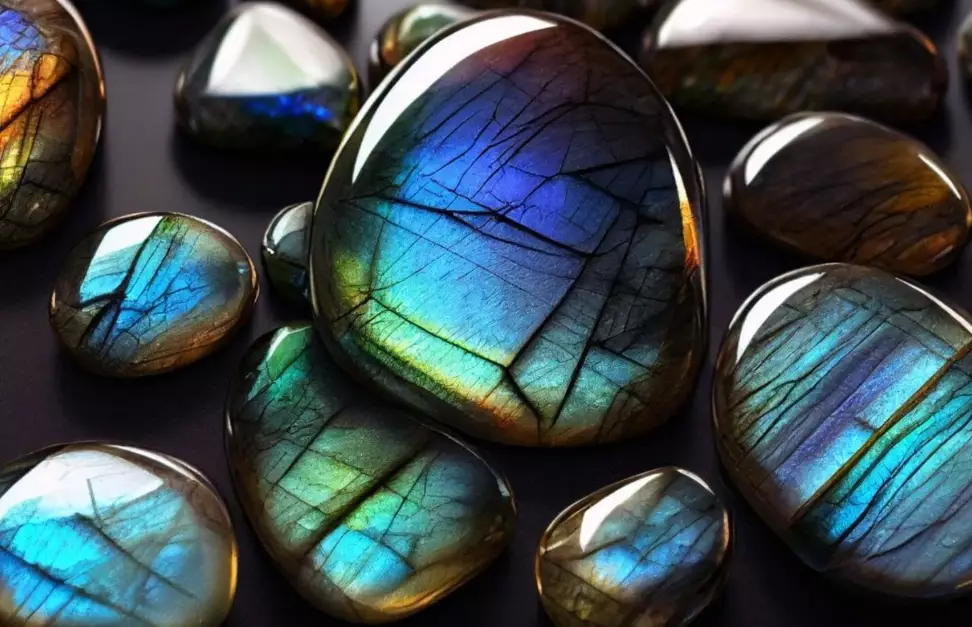
What's Inside This Guide
- What Exactly Is Labradorite? (It's Not Magic, It's Science)
- The Physical & Visual Traits That Define It
- Healing Properties & Metaphysical Uses: A Grounded Perspective
- How to Spot Fake Labradorite: A Buyer's Checklist
- Using Labradorite in Your Daily Life: Simple, Effective Ideas
- Pairing Labradorite with Other Crystals
- Common Misconceptions & My Personal Take
What Exactly Is Labradorite? (It's Not Magic, It's Science)
First things first, let's get the name right. It's labradorite (pronounced lab-ra-door-ite), named after the Labrador region in Canada where it was first identified in the 1770s. Geologically, it's a feldspar mineral. That flash of color you see? That's not paint or a trick. It's a scientific phenomenon called labradorescence or schiller effect.
Here's the non-technical version: inside the stone, there are microscopic layers. When light hits these layers, it bends, breaks, and reflects back at different wavelengths. The specific thickness and arrangement of these layers determine whether you see a flash of blue, green, gold, or violet. It's the same basic principle that makes a peacock's feathers or a soap bubble shimmer. No magic—just stunning physics.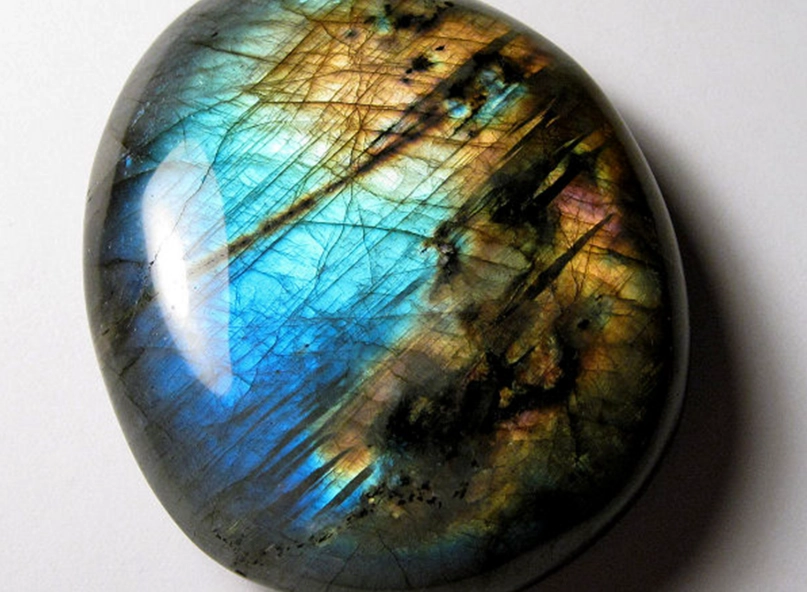
The Physical & Visual Traits That Define It
Not all labradorite is created equal. The base color is usually a dark gray, charcoal, or black. The magic is in the flash. Quality is judged by three things:
- Color Intensity: Vivid, saturated blues and violets are most prized, but vibrant greens and golds are also stunning.
- Flash Coverage: Does the color cover a large area, or is it just a tiny streak? Full-face flash is rarer.
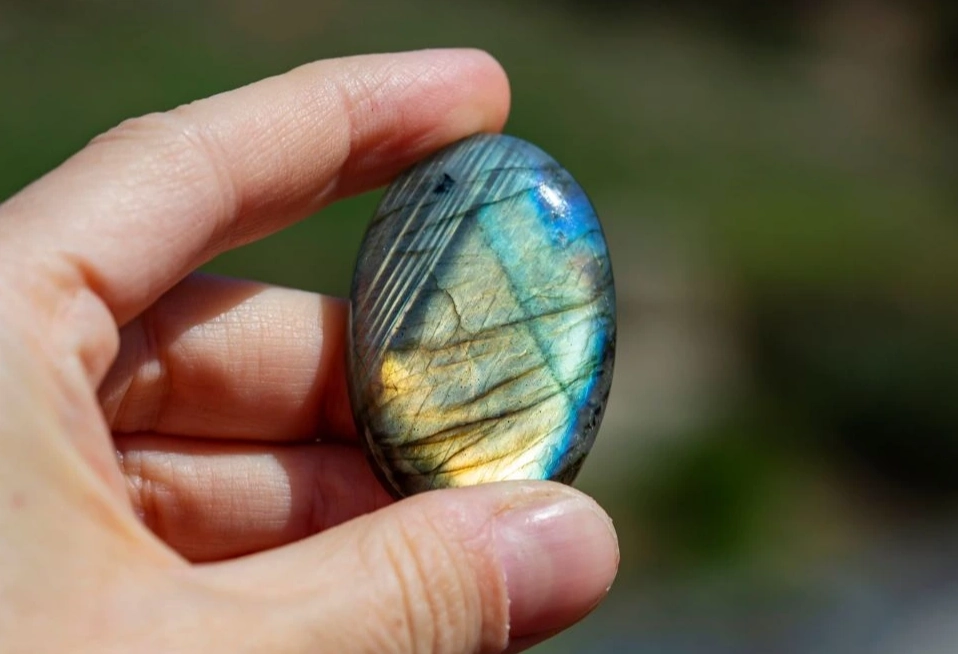
- Directionality: A single piece can flash different colors from different angles. The best specimens show multiple colors as you rotate them.
It has a hardness of 6-6.5 on the Mohs scale. This means it's decent for jewelry but can be scratched by materials like quartz. Keep it away from harder stones in a bag.
Healing Properties & Metaphysical Uses: A Grounded Perspective
This is where opinions diverge. Scientifically, a crystal won't cure an illness. But for centuries, across cultures, stones have been used as tools for focus, intention, and symbolic support. Think of labradorite less as a battery and more as a mirror or a filter.
Its most universally agreed-upon metaphysical associations are:
- Protection & Shielding: It's often called the "Stone of Transformation" or a "psychic shield." The idea is that its energetic field helps filter out negativity or mental static, not unlike putting on noise-canceling headphones for your aura.
- Intuition & Inner Knowing: Linked to the Third Eye chakra, it's said to enhance intuition and reveal inner truths—like its flash reveals hidden colors.
- Transformation & Courage: Associated with change, helping to reduce fear and anxiety during life's transitions by reminding you of your own inner strength and magic.
Labradorite and the Chakras: A Practical Correspondence Table
If you work with chakra systems, here's how labradorite is commonly mapped. This isn't a prescription, just a widely used framework.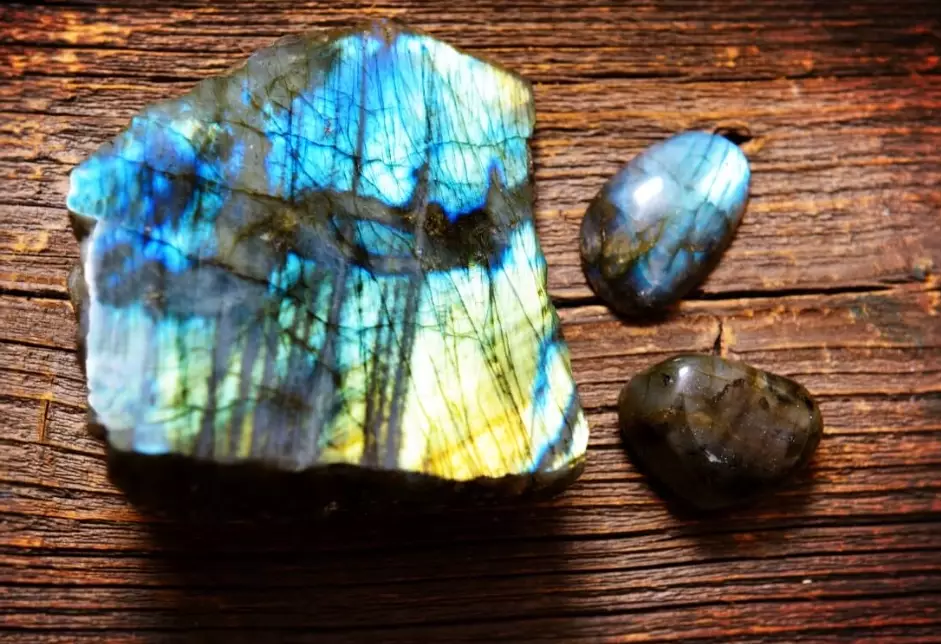
| Chakra | Association with Labradorite | Potential Focus Area |
|---|---|---|
| Third Eye (Ajna) | Primary connection. Enhances intuition, clarity, and psychic awareness. | Meditation, decision-making, dream work. |
| Throat (Vishuddha) | Secondary connection. Encourages authentic, clear communication. | Speaking your truth, creative expression. |
| Crown (Sahasrara) | Connects to higher guidance and spiritual protection. | Spiritual practice, feeling connected. |
I've met people who swear by keeping a piece during stressful work meetings. They say it doesn't make the stress disappear, but it helps them feel less personally bombarded by the chaotic energy. That's a practical application I can get behind.
How to Spot Fake Labradorite: A Buyer's Checklist
This is crucial. With its popularity, fakes abound. Most are just dyed glass or plastic. Here's how to protect yourself:
- The Flash Test: Real labradorite's color moves and changes as you tilt it under a light. A fake will have a static, painted-on look or a glittery spray that's the same from every angle.
- The Temperature & Weight Test: Real stone feels cool to the touch and has a substantial heft. Plastic feels warm and light.
- Look for Imperfections: Natural stones often have minor cracks, inclusions, or a rough backside. A perfectly uniform, glossy, blemish-free piece is a red flag.
- Price Point: If a large, deeply flashed pendant is being sold for $10, it's almost certainly fake. Good labradorite has value.
When in doubt, buy from reputable sellers who specify "natural" or "genuine" labradorite. A great resource for verifying mineral properties is the Gemological Institute of America (GIA) website.
Using Labradorite in Your Daily Life: Simple, Effective Ideas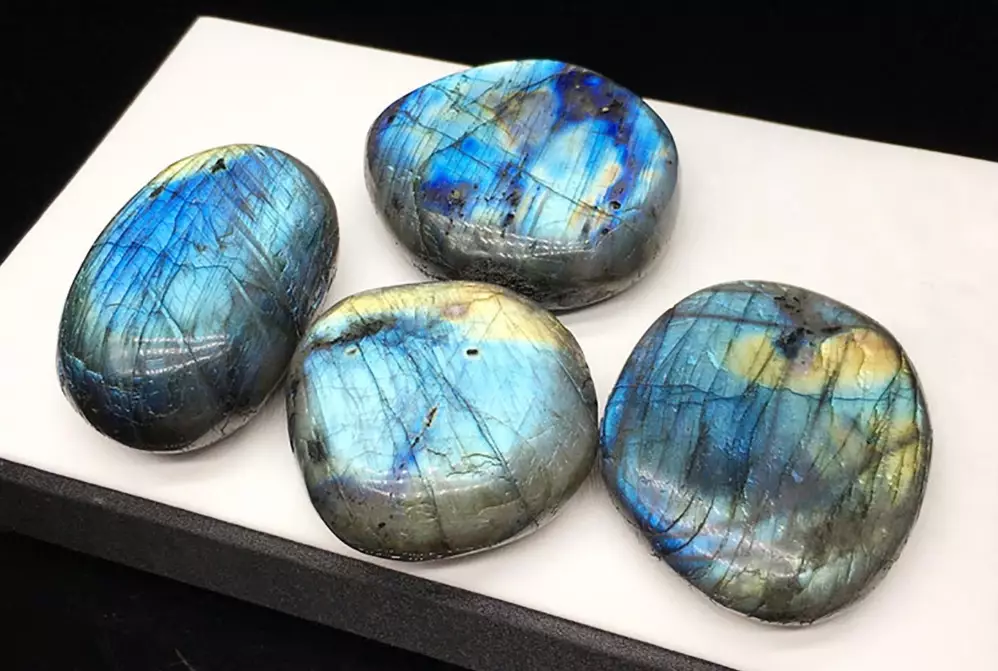
You don't need a complicated ritual. Integration is key.
As Jewelry: Wearing it as a pendant keeps its energy close to your throat and heart. A ring or bracelet serves as a constant, subtle reminder of your own resilience.
On Your Desk: Place a palm stone or small sphere near your computer. The idea is to create a "focus bubble" and filter out digital fatigue or office gossip energy. Try it for a week and see if you notice a difference in your concentration.
In Meditation: Hold a tumbled stone in your hand. Focus on its coolness and visualize its light creating a calm, protective sphere around you. Start with just 3 minutes.
For Sleep: Some place a piece on their nightstand to ward off disruptive dreams or mental chatter. I know someone who puts a small tumbled stone under their pillow during particularly anxious times. They report sleeping more soundly—placebo or not, the result is real for them.
Pairing Labradorite with Other Crystals
Crystals can work in concert. Here are two powerful, intentional pairings:
- Labradorite + Black Tourmaline: The ultimate protection duo. Think of black tourmaline as grounding static to the earth, and labradorite as a shield deflecting it. Great for empaths or if you're entering a high-stress environment.
- Labradorite + Clear Quartz: Quartz is an amplifier. This pairing can intensify labradorite's intuition-boosting properties and bring greater mental clarity to the forefront.
- Labradorite + Rose Quartz: Combines protective, intuitive energy with heart-opening compassion. Useful when navigating difficult emotional conversations or healing heartache.
Common Misconceptions & My Personal Take
Let's clear some things up. A big misconception is that you must "activate" or "charge" labradorite in a specific, rigid way. The truth is, your intention is the most powerful charger. Holding it and stating your purpose for it (e.g., "I use this stone for clarity") is often enough.
Another mistake: leaving it in direct sunlight for days to "recharge." Prolonged sun can actually fade the beautiful flash over time. Moonlight or earth (burying it in soil for a day) are gentler, traditional methods.
My personal journey with this stone started with skepticism. I bought a piece purely for its beauty. But I found myself naturally reaching for it during times of uncertainty—job interviews, tough decisions. It became a physical anchor for my intention to stay calm and see clearly. It didn't magically solve my problems, but it helped me focus on solving them. That's the real power, in my opinion.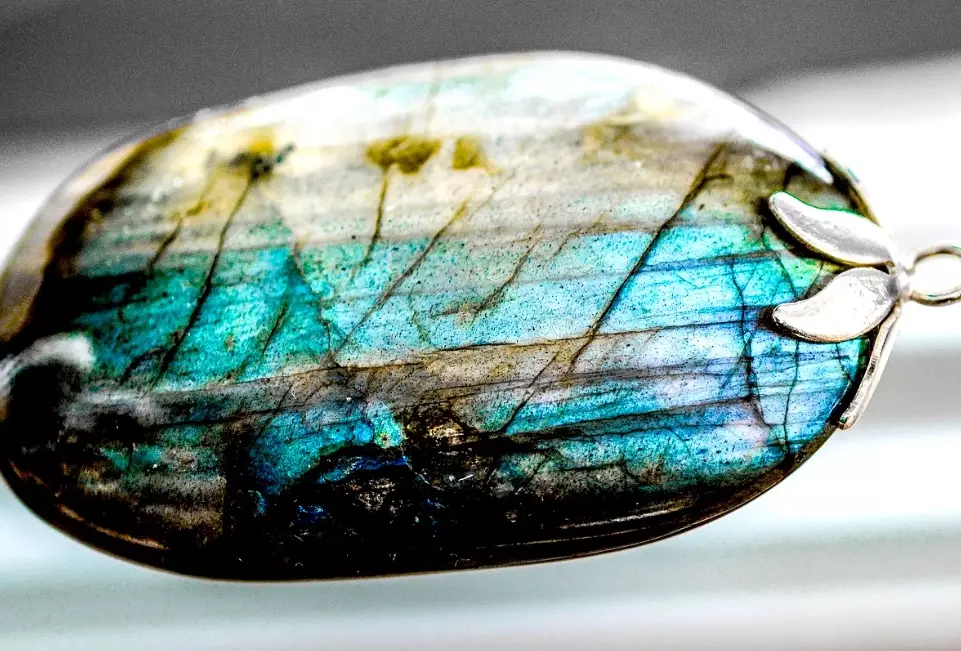
Your Labradorite Questions, Answered
How do I use labradorite for anxiety and stress relief?
Hold a tumbled stone in your dominant hand for 5-10 minutes while focusing on slow, deep breaths. The key is to visualize its cool, shimmering light calming your nervous system. Many find placing a piece on their nightstand or desk creates a subtle, protective buffer against daily overwhelm. It's not an instant fix, but a consistent practice tool.
What's the easiest way to tell if my labradorite is real or fake?
Check for the 'flash' or 'schiller' effect. Real labradorite's color shifts as you move it under light. Fake glass or plastic imitations often have a static, painted-on look or overly uniform bubbles. Also, real stone feels cooler to the touch and is heavier than plastic. If the color looks the same from every angle, be suspicious.
Can I wear labradorite jewelry every day, and how do I clean it?
Yes, wearing it daily is a great way to keep its energy close. For cleaning, avoid harsh chemicals, ultrasonic cleaners, and prolonged sunlight, which can dull the flash. Gently wipe with a soft, damp cloth. To energetically cleanse it, place it on a bed of dry sea salt overnight or pass it through the smoke of sage or palo santo—intention matters more than the method.
What's the main difference between labradorite and moonstone?
While both show adularescence (that glowing effect), the feel and color are different. Labradorite's flash is bold—blues, greens, golds, violets—like the aurora borealis. It's associated with protection and inner magic. Moonstone typically has a softer, bluish-white sheen and is linked to feminine energy, intuition, and new beginnings. Labradorite is the shield; moonstone is the gentle guide.
 So, is labradorite just a pretty stone? Hardly. It's a geological wonder, a historical artifact, and for many, a meaningful tool for personal grounding and focus. Whether you're drawn to its science or its symbolism, it invites you to look beneath the surface—both its own and yours. Start with a small, genuine piece. Hold it. See what you discover. The magic it reveals might just be your own.
Related Articles
The Ultimate Guide to Celestite: Crystal Meanings, Uses & How to Spot Fake Stones
The peak battle of the three giants in wafer foundry
Green Jasper Spiritual Meaning: The Grounding Stone for Heart & Home
Herkimer Diamond Meaning: Spiritual & Healing Properties
Kyanite Crystal Meaning and Uses: The Ultimate Guide