Quick Guide
Let's be real. When you first hear "magical use of lapis," it sounds like something straight out of a fantasy novel, right? Wizards, potions, ancient spells. I thought the same thing when I picked up my first rough piece years ago. It was heavier than I expected, and that deep blue with flecks of gold pyrite... it just felt old. Powerful. Not in a flashy way, but in a quiet, knowing way. So, what's the real deal? What is the magical use of Lapis Lazuli beyond the myths and the pretty jewelry?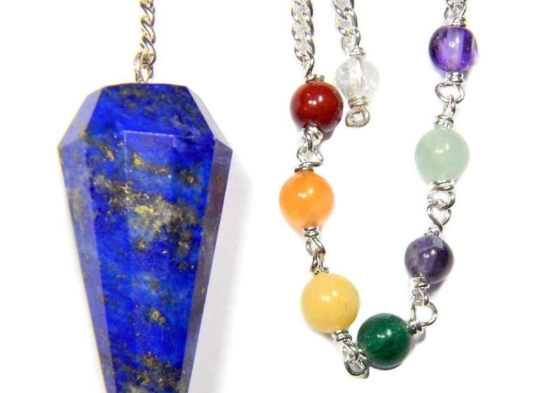
It's not about casting literal fireballs. The magic is subtler, more internal. It's about the stone's reputed ability to act as a key—a key to your own mind, your voice, and a deeper layer of truth. For thousands of years, from the pharaohs of Egypt to the healers of the Silk Road, this wasn't just decoration. It was a tool. A companion for the journey inward. So if you're curious, skeptical, or just love that gorgeous blue, stick around. We're going to dig into everything: the history, the so-called "woo-woo" spiritual stuff, the practical emotional uses, and how you can actually work with it in your daily, totally non-wizard life.
The Core Idea: At its heart, asking "what is the magical use of Lapis?" is asking how this stone can facilitate inner truth, clear communication, and intellectual insight. It's often called the "Stone of Truth" for a reason.
First Things First: What Even IS Lapis Lazuli?
Before we talk magic, let's ground it in reality (a good practice for anything, really). Lapis lazuli isn't a single mineral. It's a rock, a beautiful mash-up. The primary ingredient is lazurite, which gives it that unforgettable celestial or deep midnight blue. Then you've got calcite, which shows up as white veins or patches, and the glittery fool's gold—pyrite. The best quality lapis has an intense, uniform blue with scattered pyrite flecks, not big white calcite streaks. The most famous source for millennia has been the Sar-e-Sang mines in the remote mountains of Afghanistan, a fact confirmed by geological surveys like those referenced by the U.S. Geological Survey in their mineral commodity summaries. This isn't new-age speculation; it's geoscience.
That Afghan connection is crucial to its history. It was a major trade item on the Silk Road, literally worth its weight in gold. Egyptians used it for scarabs, burial masks (think Tutankhamun), and eye shadow. Renaissance artists ground it into the priceless pigment ultramarine for the robes of the Virgin Mary. This long, cross-cultural resume as a substance of supreme value and beauty is the first layer of its "magic." It commands respect.
I remember buying a cheap, chalky-looking "lapis" bead once. It felt light and left blue dust on my fingers. A total dud. The real stuff has a certain weight, a coolness, and a depth of color that cheap dyed howlite or plastic just can't fake. It taught me that starting with a genuine stone matters, especially if you're investing in its energetic properties.
The Heart of the Matter: What is the Magical Use of Lapis in Spirituality & Healing?
Okay, here's where we get into the territory that makes some people raise an eyebrow. I get it. But whether you view this as metaphor, psychology, or subtle energy, the patterns of use are fascinating and surprisingly consistent across traditions. The magical use of Lapis Lazuli is less about external wizardry and more about internal alchemy—transforming confusion into clarity, fear into honest expression.
Mental and Spiritual Power Uses
This is where lapis truly shines (pun intended). Its primary domain is the realm of the mind and spirit.
- The Ultimate Third-Eye Activator: In crystal healing, lapis is the go-to stone for the brow chakra, or the third eye. This is your center of intuition, insight, and perception. What is the magical use of Lapis for the third eye? It's like wiping fog off a window. It's said to help clear mental clutter, psychic static, and self-deception, allowing you to see situations—and yourself—with greater objectivity and wisdom. It's for when you're stuck overthinking in circles.
- Boosting Intellectual Power: Forget just feeling smart—it's about accessing deeper wisdom. Historically, it was a stone of scholars and philosophers. Today, people use it when studying, writing, or tackling complex problems, believing it encourages deeper understanding, memory, and the ability to connect disparate ideas. It's not a cheat code, but maybe a focus tool.
- Psychic Protection & Spiritual Connection: That's where the pyrite comes in. The gold flecks are often seen as a symbol of spiritual light and protection. Many believe lapis creates a shield around the aura, especially during meditation or spiritual work, filtering out lower vibrations or mental interference. It's also considered a powerful stone for connecting with your spirit guides or higher self, providing a "clear line" of communication. The Mindful.org community often discusses tools for deepening meditation, and crystals like lapis are frequently mentioned as tactile focal points.
So, what is the magical use of Lapis in a spiritual context? It's a tool for seeing clearly, thinking deeply, and connecting safely to the unseen.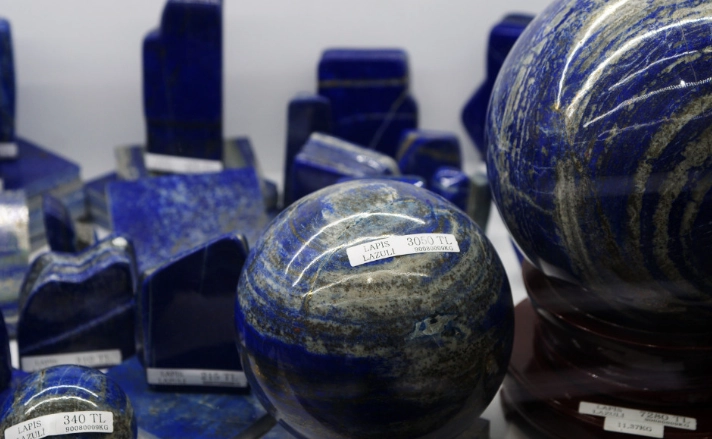
Emotional and Healing Applications
The mental stuff directly impacts the emotional. You can't really separate them.
My own experience? I kept a small lapis palm stone on my desk during a period of difficult, necessary conversations. I'd hold it before a call, focusing on speaking my truth with kindness. Did the stone do the talking? No. But the ritual of holding it, feeling its solid weight, reminded me of the intention: clarity over conflict, truth over fear. The placebo effect is powerful, and sometimes that's all the "magic" you need.
- Truth-Telling & Authentic Communication: This is huge. Lapis is famed for encouraging honesty—first with yourself, then with others. It's for those moments when you need to have a tough talk, set a boundary, or express a difficult feeling without anger or blame. It's linked to the throat chakra as well, supporting the vocal expression of inner truth.
- Emotional Balancing (Especially for Anger & Anxiety): The deep blue is often associated with calm and serenity. By helping to identify the root *mental* causes of emotional turmoil (like anxiety stemming from over-analysis or anger from misunderstood situations), lapis is thought to bring a calming, balancing effect. It doesn't sedate; it clarifies the source.
- A Note on Physical Healing: In metaphysical circles, lapis is sometimes associated with soothing throat issues, boosting the immune system, and alleviating migraines—particularly those linked to tension or mental overload. It's crucial to state this clearly: These are traditional beliefs and should never replace professional medical advice from a qualified doctor. Think of it as a complementary support for overall well-being, not a cure. The National Center for Complementary and Integrative Health provides science-based information on complementary approaches, always emphasizing they are not substitutes for conventional care.
How to Actually USE Lapis Lazuli: A No-Fluff Guide
Alright, theory is great. But how does this translate to action? What is the magical use of Lapis Lazuli when it's just sitting in your hand or on your shelf? Here are the most common, practical ways people incorporate it. Pick what resonates.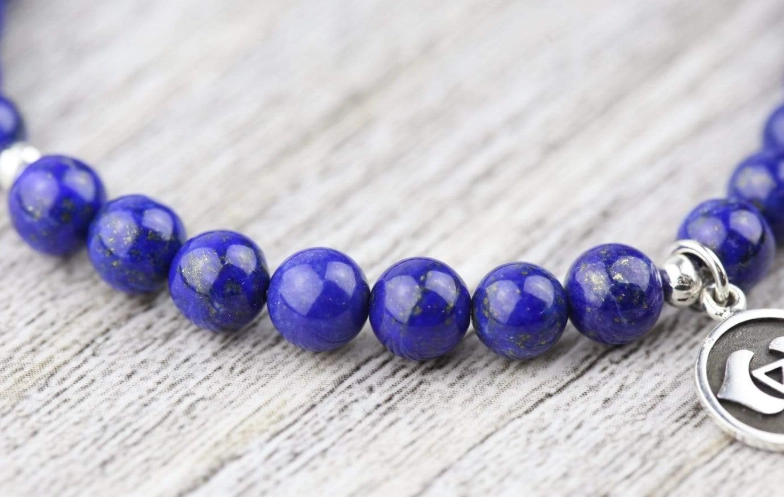
Wearing It as Jewelry
This is the easiest, most constant method. Skin contact is key for many.
| Wearing Location | Believed Benefit | My Take |
|---|---|---|
| Necklace or Pendant | Keeps the energy near throat (communication) and heart. A long pendant can rest near the thymus (immune association). | Most effective for all-day communication and truth vibes. My go-to for work meetings. |
| Bracelet (left wrist) | Left side is considered the receptive side. Good for absorbing lapis's clarifying energy throughout the day. | Subtle and easy. Good if you work with your hands and want a constant reminder. |
| Earrings | Close to the mind, temples, and third eye. Thought to help filter what you hear and enhance listening skills. | A stylish choice. I find studs less distracting than dangles for focus work. |
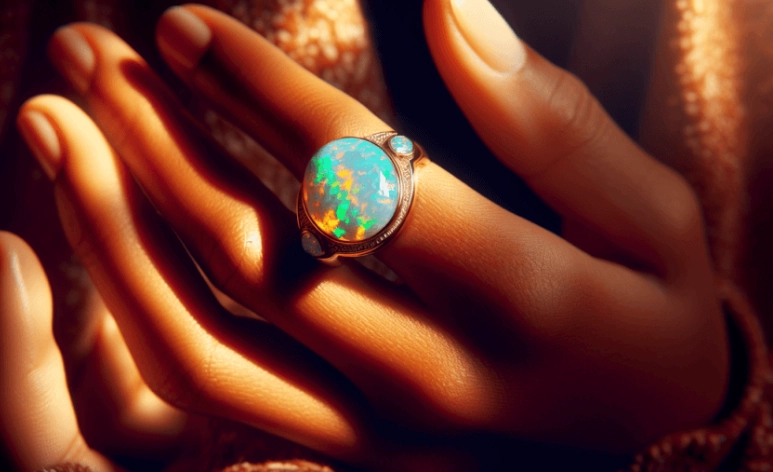
| Ring | Symbolizes commitment to your truth. On specific fingers, it can relate to different life aspects (e.g., index finger for authority). | Powerful as a personal reminder. Can be a bit bold for some, but the symbolism is strong. |
Meditation and Placement
You don't have to wear it to work with it.
- Meditation: Hold a piece in your hand or place it on your forehead (third eye) during meditation. Set a simple intention like "clarity" or "inner truth." Don't force it; just breathe and let the stone be your anchor. The goal isn't to "receive a message" every time, but to quiet the mind.
- Strategic Placement:
- On Your Desk or Workspace: For focus, mental clarity, and honest dealings.
- By Your Bed: Some believe it encourages vivid, insightful dreams and prevents nightmares. Keep a journal handy.
- In Your Living Room: To promote honest and harmonious communication among family or housemates.
The placement is about creating an environment that supports your intention. It's feng shui, but with sparkly blue rocks.
Simple Rituals and Practices
These are little things that take two minutes but can frame your day.
- Morning Intention: Hold your lapis when you wake up. Ask yourself: "Where do I need truth or clarity today?" It primes your mindset.
- Pre-Conversation Grounding: Before a tough talk, hold the stone, take three deep breaths, and visualize speaking calmly and honestly.
- Journaling Aid: Keep it next to your journal. It can be a powerful prompt for deeper self-inquiry and uncovering hidden truths you're avoiding.
Your Lapis Lazuli Questions, Answered (The Real Stuff People Ask)
Frequently Asked Questions About Lapis Lazuli
- Clear Quartz: To amplify its properties.
- Rose Quartz: To blend truth with compassion ("speaking your truth with love").
- Citrine: For manifesting the insights you gain.
- Amethyst: For a powerhouse spiritual and calming combo.
A Few Honest Cautions & Final Thoughts
Let's not romanticize this. Understanding what is the magical use of Lapis also means knowing its limits.
First, it's a tool, not a crutch. It won't do the hard work of introspection or difficult communication for you. It might create the mental space for you to do it yourself, but you still have to take the action. Buying a lapis bracelet won't magically fix a relationship without you opening your mouth.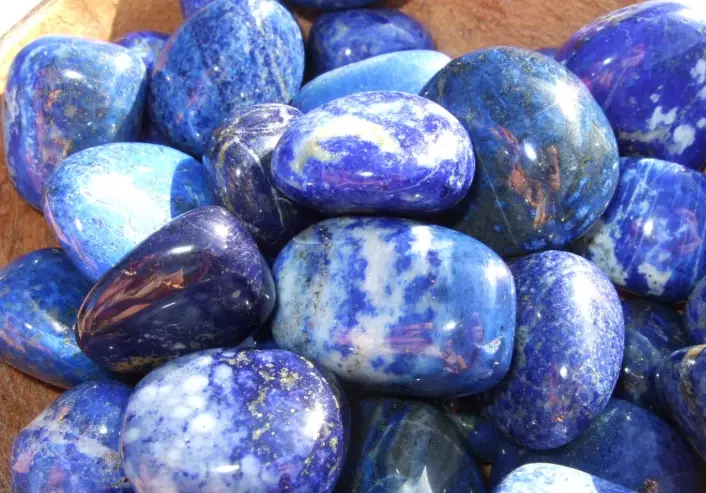
Second, the crystal world is full of hype. Not every claim is rooted in long tradition. Lapis, however, has a pedigree that's hard to ignore—thousands of years across multiple advanced cultures saw something special in it. That historical weight gives its modern metaphysical reputation more credibility, in my opinion, than a stone that was "discovered" for healing last Tuesday.
Finally, the real "magic" might just be intentionality. When you hold a piece of lapis, you're holding a piece of the deep earth and human history. You're making a conscious choice to seek truth and clarity. That act itself is powerful, regardless of any unseen energies.
So, what is the magical use of Lapis Lazuli? It's a multifaceted companion for the journey to your authentic self. It's a historian, a counselor, and a mirror. Its magic lies in its ability to remind us of the power of clear sight, honest speech, and the profound wisdom we can access when we quiet the noise and look within. Whether you're drawn to its history, its beauty, or its purported energies, it's a stone that invites depth. And in a world that often prizes the superficial, that might be the most magical thing of all.
Start simple. Get a small, genuine piece. Don't worry about doing it "right." Hold it. Look at that deep blue. Ask it—and yourself—what needs to be seen or said. You might be surprised by the answers that surface. That's where the real work, and the real magic, begins.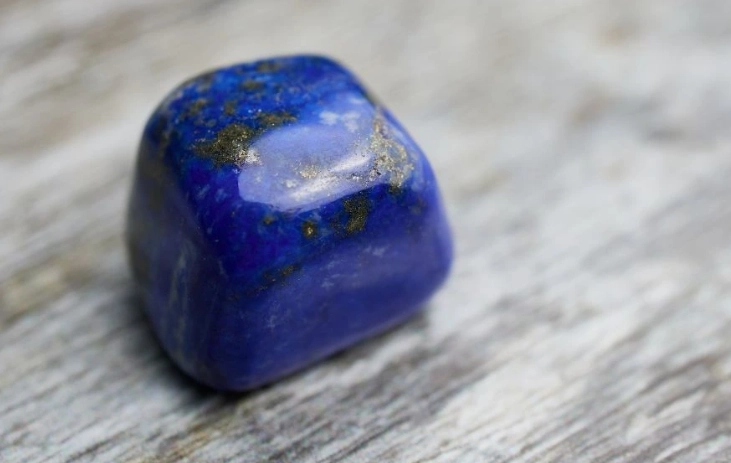
Related Articles
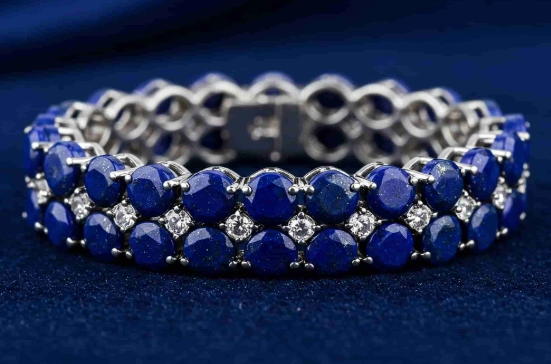
Lapis Lazuli Benefits for Women: Spiritual, Emotional & Physical Healing
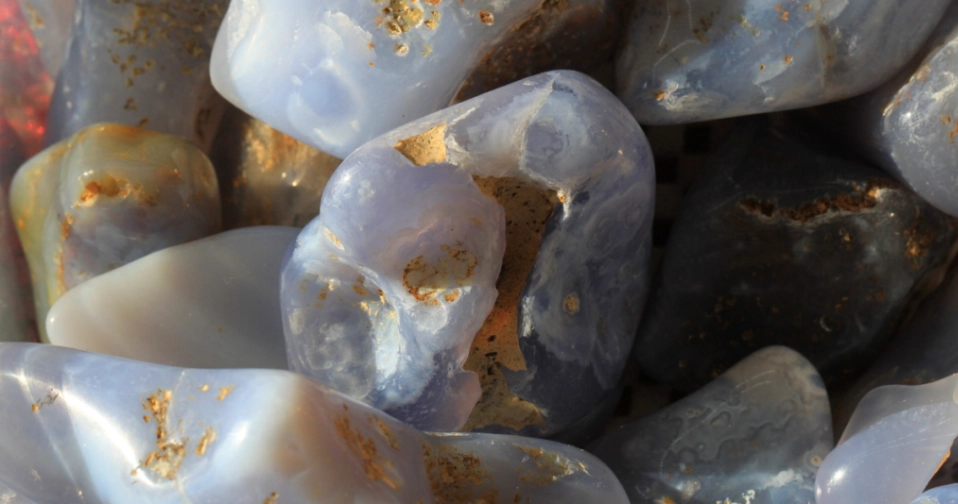
Blue Chalcedony: The Ultimate Guide to Its Healing, Spiritual & Practical Uses

From 5G to satellite communication, Qualcomm shines at MWC 2023.
Green Aventurine Meaning: Luck, Prosperity & How to Use It
What Does Quartz Protect Against? A Complete Guide to Its Powers