In This Article
- Where Does Mookite Come From? (It's Not Just a Pretty Face)
- The Mookite Breakdown: What You're Really Getting Into
- Mookite vs. The Usual Suspects
- How to Actually Choose a Mookite Slab (Look Beyond the Glitter)
- Installation and the Never-Ending Care Guide
- Mookite Beyond the Kitchen Counter
- Your Mookite Questions, Answered (FAQ)
- Final Thoughts: Is Mookite Right For You?
Okay, let's talk about mookite. You've probably stumbled upon this name while falling down a rabbit hole of kitchen countertop options, right? Quartz, granite, marble... then bam, mookite. It sounds exotic, maybe a bit mysterious. Is it some newfangled engineered material? A brand name? Honestly, the first time I heard it, I thought it might be related to some tech gadget. Turns out, it's one of nature's more interesting creations, and it's been hiding in plain sight (or rather, beneath it) for a very long time.
I remember walking into a client's home a few years back. They were thrilled about their new "mookite" fireplace surround. I had to pretend I knew exactly what they were talking about while mentally scrambling. After that, I made it a point to really dig in. What I found was a stone with a personality that's hard to ignore. It's not for everyone, but for the right person, it can be the star of the show.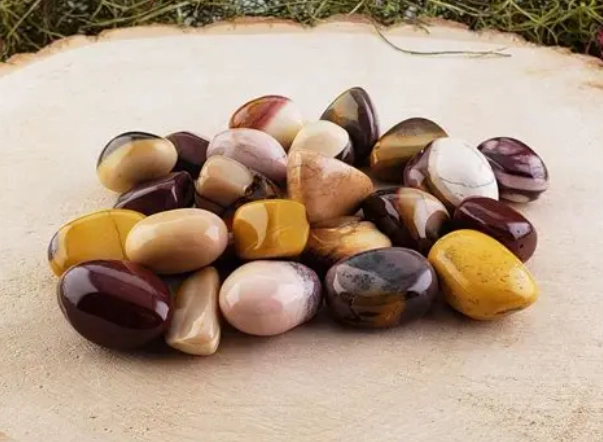
Where Does Mookite Come From? (It's Not Just a Pretty Face)
This is where it gets geologically cool. Mookite isn't manufactured in a factory. It's born from ancient rivers and seas. Over millions of years, silica-rich sediments (think microscopic organisms and volcanic ash) settled and were cemented together under immense pressure. The iron oxides and other minerals present are what gift mookite its signature warm, earthy palette. Most of the commercial mookite comes from specific regions in Western Australia, which adds to its unique character and, admittedly, sometimes to its cost and availability depending on where you live.
The Geoscience Australia website has tons of resources on the country's geology if you're into that kind of deep dive. It helps to understand that this stone is a piece of ancient history. That's a big part of its appeal for many people—it's not just a surface; it's a story.
The Mookite Breakdown: What You're Really Getting Into
Let's cut to the chase. Should you even consider mookite for your project? Here’s the unfiltered look at what makes it special and where it might give you pause.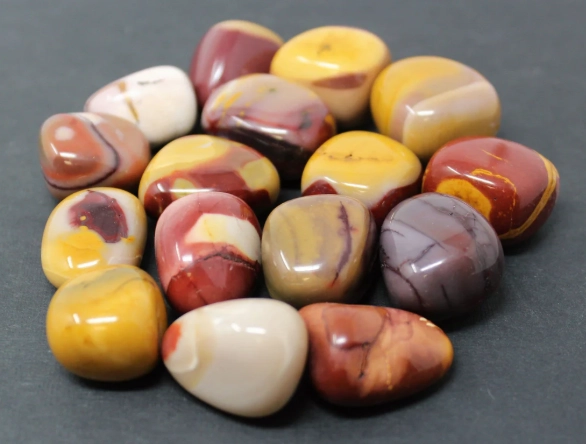
The Upsides (The Pros)
- Durability is Top-Shelf: On the Mohs scale of mineral hardness, jasper (the main component of mookite) sits around a 7. For context, granite is typically between 6 and 7. This means mookite is highly resistant to scratching. You're not going to mar it with everyday knives, pots, or pans. It's a huge selling point for high-traffic areas like kitchen countertops.
- Heat Resistance? No Sweat: It's a natural stone formed under intense heat and pressure. Placing a hot pot directly on it (though I still recommend a trivet out of habit) is generally not a problem. It won't blister or scorch like some surfaces might.
- One-of-a-Kind Aesthetics: This is the big one. No two slabs of mookite are identical. The veining, the color blotches, the patterns—they're all random and organic. If you want a countertop that is genuinely unique and full of warm, earthy energy, nothing else really looks like it. It has an artistic, almost abstract quality.
- Stain Resistance (When Sealed): Once properly sealed, its non-porous nature makes it quite resistant to stains from coffee, wine, or oil. The key phrase there is "once properly sealed." We'll get to that.
The Downsides (The Cons)
- The Seal is a Big Deal: Unlike quartz, which is non-porous by engineering, mookite is porous. It absolutely requires a high-quality penetrating sealer upon installation and regular resealing thereafter (usually every 1-3 years, depending on use). Forget this, and you're asking for stains. This is the most common complaint and point of failure I've seen.
- Color Can Be Overwhelming: That beautiful, bold pattern? It's a lot. In a small kitchen or a space with busy cabinetry and backsplash, it can feel chaotic rather than charming. It often works best as a focal point in a more minimalist or neutral-colored room.
- Limited Availability & Cost: Because it's sourced from one primary region, it's not as ubiquitous as granite or quartz. This can limit your slab selection and sometimes drive up the price due to shipping and import costs. You might not have ten different mookite options at your local yard.
- The Feel Isn't for Everyone: This is subjective, but some people find the surface of polished mookite to be a bit... waxy? It doesn't have the same crisp, glass-like feel as a highly polished granite or the uniform smoothness of quartz. It's a textural thing you should try to feel in person.
See what I mean? It's a trade-off. You get incredible toughness and beauty, but you sign up for a maintenance ritual.
Mookite vs. The Usual Suspects
It's useless to talk about mookite in a vacuum. How does it stack up against the other heavy hitters? This table should lay it out clearly.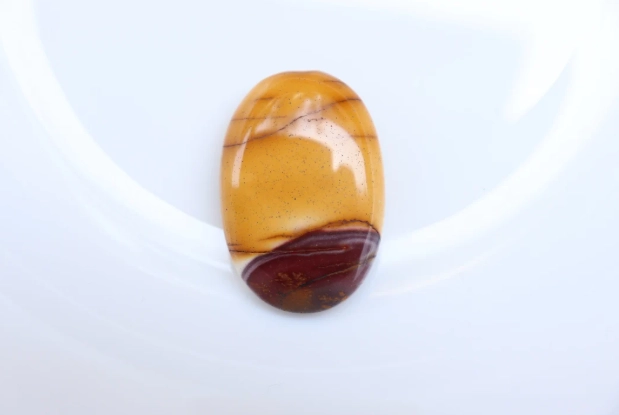
| Feature | Mookite | Quartz (Engineered) | Granite | Marble |
|---|---|---|---|---|
| Primary Composition | Natural Jasper | ~90% Crushed Stone + Resin | Natural Quartz & Feldspar | Natural Calcite |
| Durability (Scratches) | Excellent | Excellent | Excellent | Poor to Fair |
| Heat Resistance | Excellent | Good (Resin can scorch) | Excellent | Good |
| Stain Resistance | Good (When sealed) | Excellent (Non-porous) | Good (When sealed) | Poor (Etches easily) |
| Maintenance | High (Regular sealing) | Very Low (Just clean) | Medium (Periodic sealing) | Very High (Delicate) |
| Aesthetic | Unique, bold, earthy patterns | Consistent, wide color range | Speckled, varied patterns | Classic veining, elegant |
| Cost Range | Medium-High | Medium-High | Low-High | High-Very High |
So, if you hate the idea of any maintenance, quartz is probably calling your name. If you want the absolute classic natural stone look and are okay with some upkeep, granite is a safe bet. But if you want something that looks like no other and you don't mind the sealing routine, mookite enters the conversation.
How to Actually Choose a Mookite Slab (Look Beyond the Glitter)
Falling in love with a small sample is easy. The real test is the full slab. Here's what I tell people to look for when they're at the stone yard.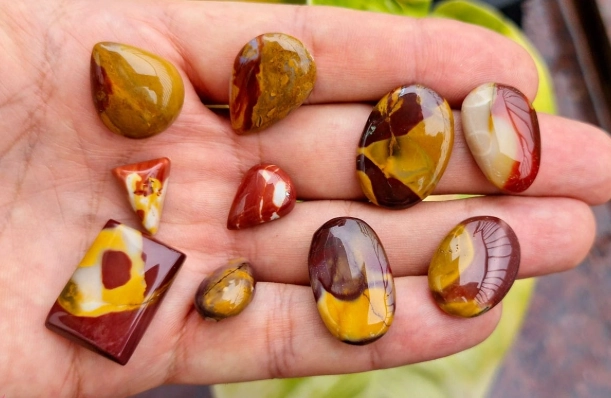
First, see the whole thing. Insist on viewing the entire slab, not just a bookmark-sized sample. The pattern can change dramatically from one end to the other. A section might have lovely cream and burgundy, while another might be dominated by a dense brown patch you're not as keen on. You need to know what you're committing to for all your countertop pieces.
Check for consistency (or lack thereof). Are you okay with a very bold, high-contrast slab, or do you prefer a more blended, subtle coloration? This is pure personal preference. Remember, the fabricator will try to "bookmatch" seams for a continuous pattern, but with mookite's randomness, the match won't be perfect.
Surface finish matters. Polished is most common and really makes the colors pop, but it can show water spots. A honed or leathered finish will give a more muted, matte look and can help hide fingerprints and minor imperfections. Ask to see samples of different finishes.
Inspect for natural flaws. Like any natural stone, mookite can have pits, fissures, or small cracks. These are usually natural and don't affect integrity, but you should point them out to your fabricator so they can work around them or fill them if necessary. Don't panic if you see them; just be aware.
Installation and the Never-Ending Care Guide
Let's say you've bought the slab. Now what?
Installation: Get a Pro
This isn't a DIY project. Mookite is heavy and requires precise cutting for sinks and cooktops. A professional installer will ensure the seams are as tight as possible and the overhangs are properly supported. They will also apply the critical first sealant after installation. Don't skip this step. Ever.
The Care and Feeding of Your Mookite
Daily cleaning is simple: warm water, a drop of mild dish soap, and a soft cloth. Avoid harsh chemicals, abrasive pads, or acidic cleaners (vinegar, lemon juice, some bathroom cleaners) as they can degrade the sealer and damage the stone over time.
The real mantra is "Reseal, reseal, reseal." How often? The old water test is your friend. Sprinkle a few drops of water on the surface in an inconspicuous spot. If it beads up, you're good. If it darkens the stone quickly and soaks in, it's time. Generally, plan on every 12 to 36 months. A high-quality impregnating sealer, like those from brands often referenced by the Natural Stone Institute, is your best bet. This isn't a wax; it's a sealer that sinks in and blocks the pores.
It's a commitment, no two ways about it.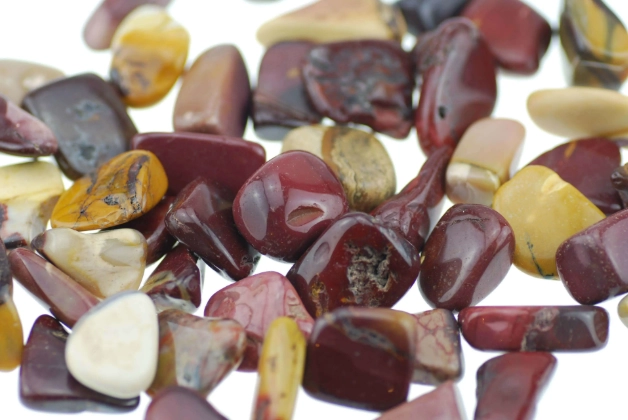
Mookite Beyond the Kitchen Counter
Kitchens get all the attention, but mookite can shine elsewhere. Its durability makes it a fantastic choice for bathroom vanities, where it handles toiletries and moisture well (again, sealed!). I've seen it used as stunning fireplace surrounds, where its warm colors complement firelight beautifully. Some people use it for bold, statement-flooring inlays or even as durable, eye-catching outdoor paving in covered areas (though constant freeze-thaw cycles in very cold climates could be risky for any natural stone).
Your Mookite Questions, Answered (FAQ)
Is mookite the same as granite or quartzite?
Nope, it's a different rock altogether. Granite is igneous (formed from cooled magma), quartzite is metamorphic (sandstone transformed by heat/pressure), and mookite is sedimentary (layered minerals cemented together). They have different mineral makeups and properties.
How much does mookite actually cost?
It's tricky. As a natural, imported material, prices swing. You might find it for $70 per square foot installed, or you might see it over $120. It totally depends on the slab quality, thickness, your location, and the complexity of the installation. It often lands in the mid-to-upper range, comparable to premium quartz or exotic granites.
Can I use mookite for an outdoor kitchen?
You can, but with major caveats. It must be in a covered area to protect it from constant UV exposure (which can fade colors) and relentless, driving rain. The sealing regimen becomes even more crucial. In areas with harsh winters, the freezing and thawing of water in pores can cause spalling (surface flaking). For a fully exposed outdoor countertop, a high-quality porcelain slab that mimics stone might be a less stressful option.
What's the best way to find a mookite supplier?
Start with local stone fabricators and countertop shops. Call and ask if they carry or can source Australian mookite. Larger, well-established yards are more likely to have connections. Be prepared to travel to see the slab in person. It's not a purchase you make from a tiny online photo.
Does the color fade over time?
In interior use, the color change is minimal, if any. It's a stone, not a dye. However, like any material, direct, constant sunlight over years can potentially cause some fading or change in tone. Using window treatments in sun-drenched rooms is just a good practice for all your furnishings.
Final Thoughts: Is Mookite Right For You?
Look, mookite isn't the easy, low-maintenance choice. If you want plug-and-play perfection, buy quartz. But if you view your home as a collection of unique, natural elements and you don't mind a bit of a relationship with your countertops—a little care, a periodic sealing date—then mookite offers something truly special.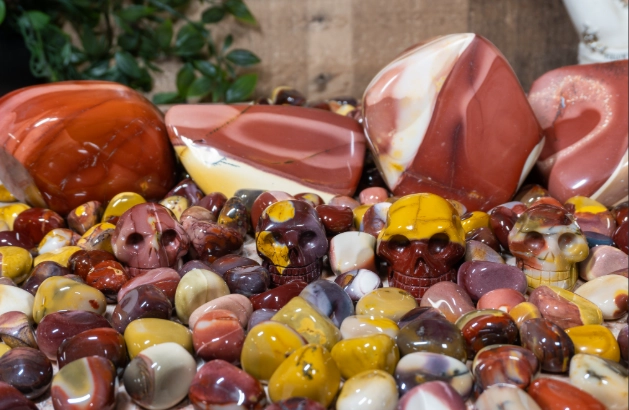
It brings a warmth and artistry that manufactured products struggle to replicate. Its durability is legit. It's a conversation starter. Just go in with your eyes wide open. See the full slab, budget for professional installation and high-end sealers, and embrace the maintenance as part of owning something natural and extraordinary.
For me, that's the trade-off. You get a living piece of the earth, with all its glorious imperfections and character. You just have to be the kind of person who values that enough to look after it.
Related Articles
Tigerseye Meaning & Uses: A Complete Guide to the Stone of Courage
Selenite: The Ultimate Guide to Meaning, Uses, and Care
Why Is Azurite So Expensive? The Real Reasons Behind the Price
Mookite Stone Guide: Pros, Cons, Costs & Comparisons for Your Home