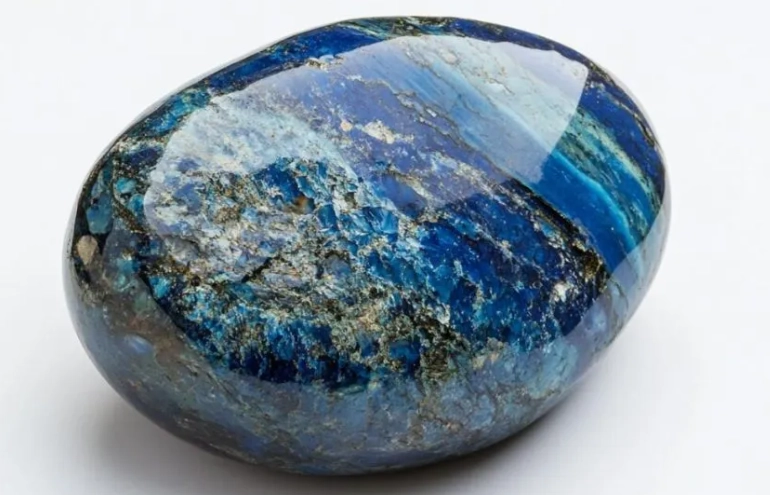
Ask anyone about lapis lazuli, and they'll mention the color. That deep, celestial blue is impossible to ignore. But if you stop there, you're missing the entire story. The true meaning of lapis goes far beyond its beauty. For millennia, this wasn't just a pretty rock; it was a symbol of power, a conduit to the divine, and a practical tool for artists and healers. Today, its meaning has evolved, but its core essence—as a stone of truth, wisdom, and inner vision—remains shockingly relevant. Let's dig past the surface glitter and uncover what this stone really represents.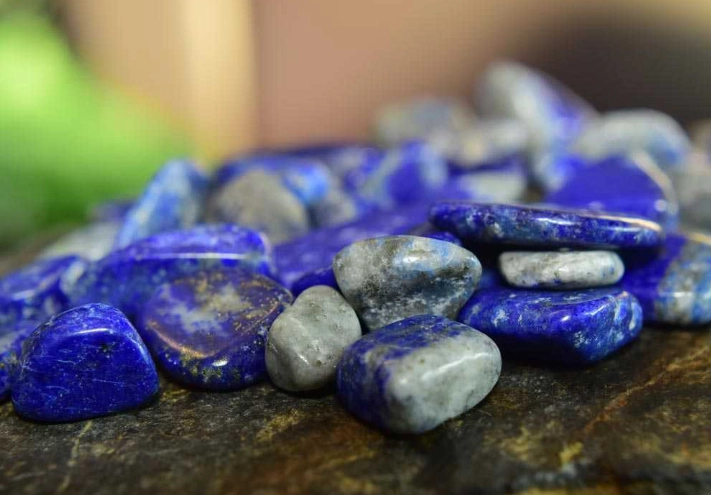
What You'll Discover
What is the Historical and Cultural Meaning of Lapis?
To understand lapis, you have to start where it all began. The finest lapis for centuries came from a single, remote source: the Sar-i Sang mines in the mountains of modern-day Afghanistan. This wasn't a casual find. Getting this stone out required incredible effort, which immediately elevated its status. It became a commodity more valuable than gold in some ancient trade networks, reaching Egypt, Mesopotamia, and beyond.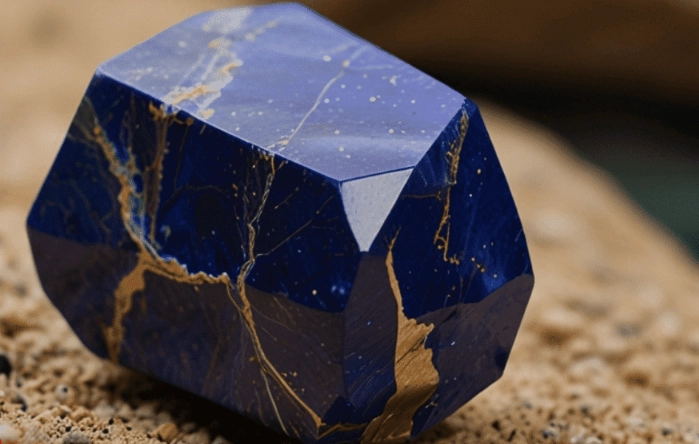
In Ancient Egypt, the meaning of lapis was tied directly to the heavens. They believed its blue, speckled with golden pyrite (fool's gold), mirrored the night sky. It was sacred. They ground it into powder for the iconic eye makeup seen on pharaohs—not just for style, but for spiritual protection. Tutankhamun's funeral mask features lavish inlays of lapis lazuli. For them, it was a stone of the gods, offering safe passage to the afterlife.
Move forward to the Renaissance, and the meaning shifts. Artists like Michelangelo prized ground lapis for creating ultramarine, the most expensive blue pigment available. It was reserved for the most important figures in a painting, like the Virgin Mary's robes. Here, lapis meant purity, holiness, and immense prestige. You can see its legacy in masterpieces housed in places like the National Gallery in London.
How is Lapis Lazuli Formed? (The Geology Behind the Blue)
Its symbolic meaning is profound, but its physical creation is just as fascinating. Lapis lazuli isn't a single mineral. It's a metamorphic rock, a blend formed under intense heat and pressure.
Think of it as a cosmic recipe:
- The Blue: Comes primarily from lazurite. This is the mineral that gives lapis its signature royal blue.
- The Gold Sparkle: That's pyrite, or fool's gold. It forms little metallic flecks within the stone.
- The White Veins: Usually calcite or dolomite. Many see them as flaws, but they're part of the stone's authentic fingerprint.
This combination happens over millions of years in limestone deposits that come into contact with magma. The result is a stone that's uniquely patterned—no two pieces are exactly alike. This geology lesson matters because it directly affects the stone's quality and, by extension, its value and meaning for you.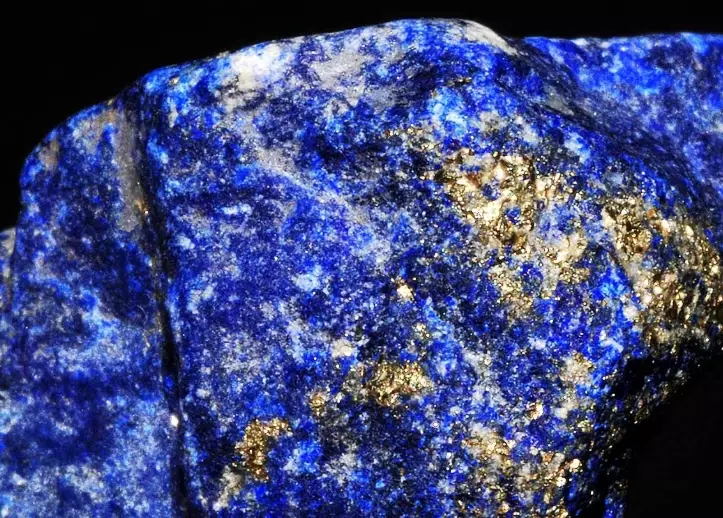
| Feature | What It Is | What It Means for You |
|---|---|---|
| Color Intensity | Deep, uniform royal blue | Higher lazurite content; often considered higher quality and more potent in metaphysical circles. |
| Pyrite Distribution | Fine, even flecks of gold | Adds to the visual appeal and symbolic connection to wealth and energy. Large, clumpy pyrite can weaken the stone. |
| Calcite Presence | White streaks or patches | Natural and common. Excessive white can dilute the blue, but a little is a sign of a genuine, untreated stone. |
| Polish & Finish | High polish vs. matte | A high polish showcases the color but can feel commercial. A matte or rough finish feels more earthy and connected to its source. |
What Are the Healing Properties and Spiritual Meaning of Lapis?
This is where most people's search for the meaning of lapis leads them today. In contemporary crystal healing and spirituality, lapis lazuli is a powerhouse. It's not about magic; it's about resonance and intention. The stone's historical associations with truth and wisdom have translated into modern interpretations of its energy.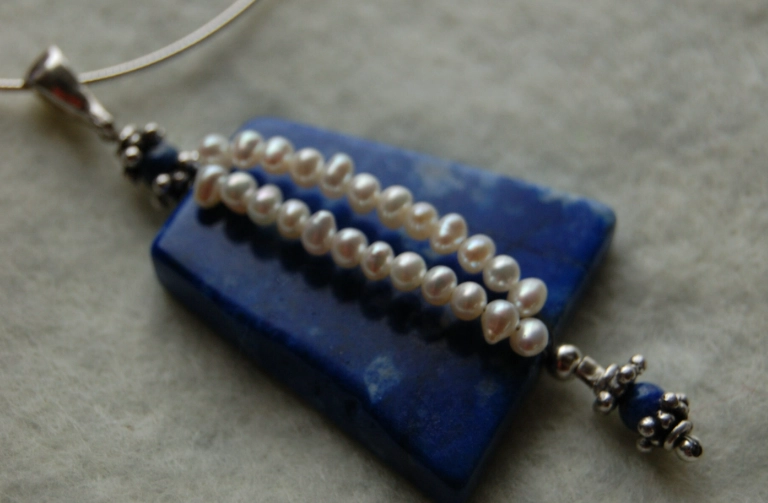
Let's break down its core spiritual meanings:
The Stone of Truth and Self-Awareness
Lapis is often called the "truth-teller." Its energy is said to encourage honest communication, both with others and, more importantly, with yourself. It's for those moments when you're avoiding a difficult conversation or lying to yourself about a situation. Holding or meditating with lapis can create mental clarity, cutting through self-deception.
I've found it useful when I need to write or speak from a place of deep conviction. It doesn't make the words flow easily—that's a common misconception—but it helps quiet the inner critic and the fear of judgment, allowing your genuine voice to come through.
The Third Eye Chakra Activator
In energy systems, lapis is strongly linked to the Third Eye Chakra, the center of intuition, insight, and spiritual vision. The meaning here is about inner sight. It's believed to enhance dream recall, boost psychic abilities, and help you connect the dots in your life to see the bigger picture.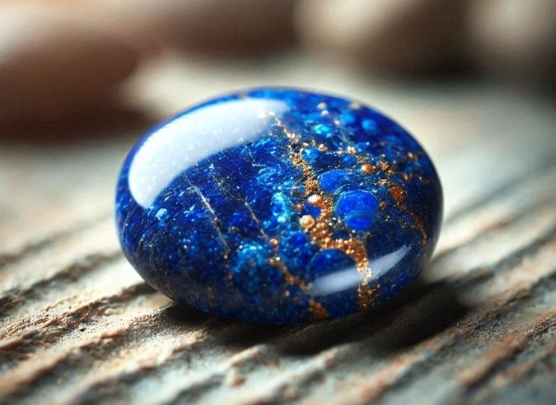
A practical tip many miss: Don't just place it on your forehead and wait for visions. Pair it with a simple journaling practice. Keep the stone nearby as you write down your dreams or intuitive hunches. Over time, you might notice patterns or insights becoming clearer.
Emotional Balancer and Stress Reliever
Despite its association with deep thought, lapis has a calming effect. Its deep blue vibration is linked to serenity. For people who hold stress in their throat (think constant tension, a feeling of being unable to speak up), lapis worn as a necklace is a classic recommendation. The idea is that it helps release that stifled energy, allowing for calm, truthful expression instead of angry outbursts or bottled-up anxiety.
A Quick Reality Check
It's crucial to state this clearly: There is no scientific evidence that crystals like lapis lazuli can cure medical conditions. Any discussion of healing properties is based on historical tradition, anecdotal experience, and metaphysical belief systems. If you have anxiety, depression, or any health issue, please consult a qualified healthcare professional. Think of lapis as a complementary tool for mindfulness and personal reflection, not a replacement for medical care.
How to Use Lapis Lazuli in Your Daily Life?
So, you're drawn to the meaning of lapis. How do you actually bring it into your routine without it just becoming another trinket on the shelf? It's about intentional placement.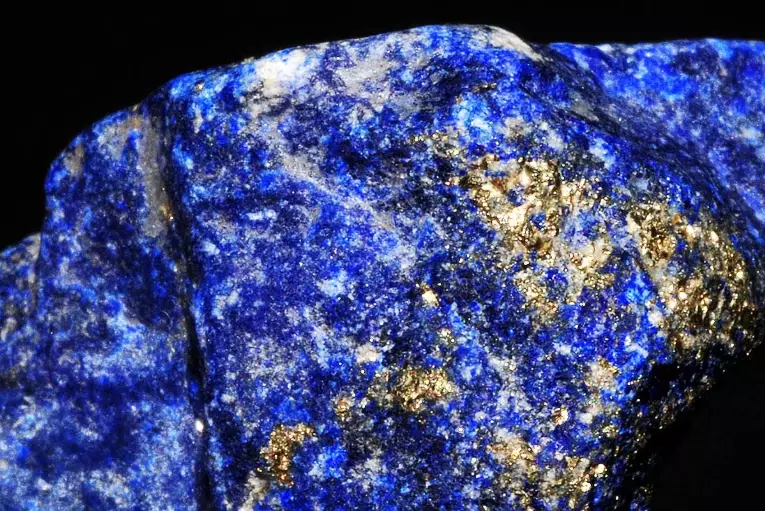
As Jewelry (The Most Direct Method)
Wearing lapis keeps its energy in your personal field.
- Necklace/Pendant: Worn near the throat and heart, ideal for enhancing communication and emotional honesty.
- Ring or Bracelet: On your dominant hand, it can be a reminder to act with integrity throughout your day.
- Earrings: Close to the head, great for stimulating mental clarity and intuition.
The key is to set an intention when you put it on. Simply think, "Today, I will speak my truth clearly," or "I am open to intuitive guidance."
In Your Meditation or Workspace
Place a tumbler stone or sphere on your desk. When you feel scattered or indecisive, hold it for a minute, feel its cool weight, and take a few deep breaths. It acts as a tangible anchor to pull you back to a state of focus. On your meditation altar, placing it before a session can help set the tone for deeper introspection.
For Home Decor
A larger, raw piece of lapis makes a stunning and meaningful decorative object. Place it in a living room or study to promote an atmosphere of wise conversation and peaceful reflection. In a home office, it can symbolize bringing wisdom and authenticity into your work.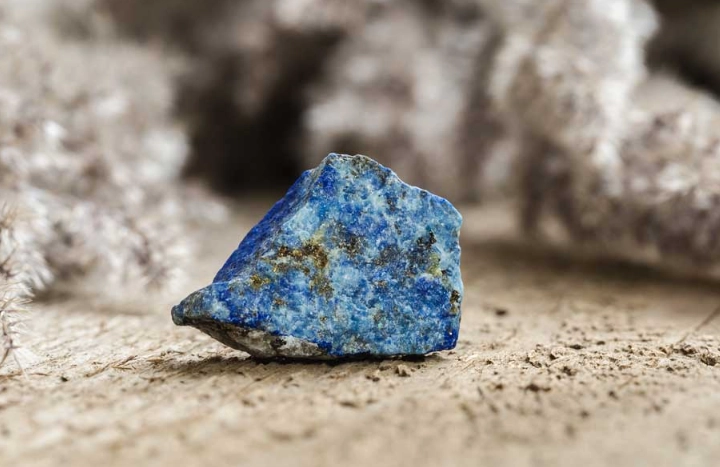
How to Choose and Care for Your Lapis Stone
Not all lapis is created equal, and the market is full of imitations (like dyed howlite or sodalite). Knowing what to look for ensures you get a stone whose meaning resonates with its authenticity.
Identifying Real Lapis: Look for the three components: blue (lazurite), gold sparkles (pyrite), and often some white (calcite). The blue should be deep, not a flat, uniform navy. A totally pure, sparkle-free, vein-less dark blue is often dyed or is actually a different mineral. Genuine lapis has character.
Caring for Your Stone:
- Avoid Water & Chemicals: Lapis is porous and can be damaged by prolonged soaking, harsh cleaners, or perfumes. Wipe it clean with a soft, dry cloth.
- Recharge Its Energy: Place it in moonlight overnight or on a bed of clear quartz crystals. Sunlight can fade the color over time, so I avoid it.
- Handle with Care: It's not the hardest stone. It can scratch or chip if knocked against hard surfaces.
One mistake I see beginners make? They buy a cheap, obviously dyed piece, feel no connection to it, and then dismiss the entire concept of crystal meaning. Investing a little more in a genuine, smaller piece from a reputable seller is infinitely better than a large fake.
Your Lapis Lazuli Questions Answered
The meaning of lapis lazuli is a rich tapestry woven from geology, ancient history, art, and personal spirituality. It's a stone that asks you to look deeper—past the initial awe of its color and into your own depths. Whether you wear it as a reminder to speak your truth, place it on your desk as a focus tool, or simply admire it as a piece of our planet's incredible art, lapis offers a tangible connection to wisdom that is both timeless and urgently needed today.
Related Articles
Crazy Lace Agate: Benefits, Uses & How It Can Transform Your Life
Dalmatian Jasper: Spiritual Meaning, Healing Properties & How to Use
Metaphysical Properties of Labradorite: A Guide to Spiritual Power
Yellow Sapphire Guide: Benefits, Buying Tips, and Care
Obsidian Crystal Meaning: Healing, Protection & Practical Uses