Let’s be honest. When you hear "agate," you probably picture a polished slice with pretty bands, maybe on a necklace or a coaster. It's become a decor staple. But there's a whole world—and a lot of confusion—hidden in those layers. I’ve been collecting and working with minerals for over a decade, and agate is one of the most misunderstood stones out there. People buy dyed Brazilian agate thinking it's rare, use it for purposes it can't handle, and miss out on its genuinely cool applications. This guide isn't about vague "healing vibrations." It's about what agate actually is, how to spot the good stuff, and how to use it without wasting your money.
What You'll Find in This Guide
What Agate Really Is (And Isn't)
Geologically, agate is a variety of chalcedony, which is itself a microcrystalline form of quartz. That's a fancy way of saying it's silicon dioxide (SiO₂) with incredibly tiny crystals. What makes it agate is its defining characteristic: concentric banding. Those bands form in cavities within volcanic or metamorphic rock, as silica-rich groundwater slowly deposits layer upon layer.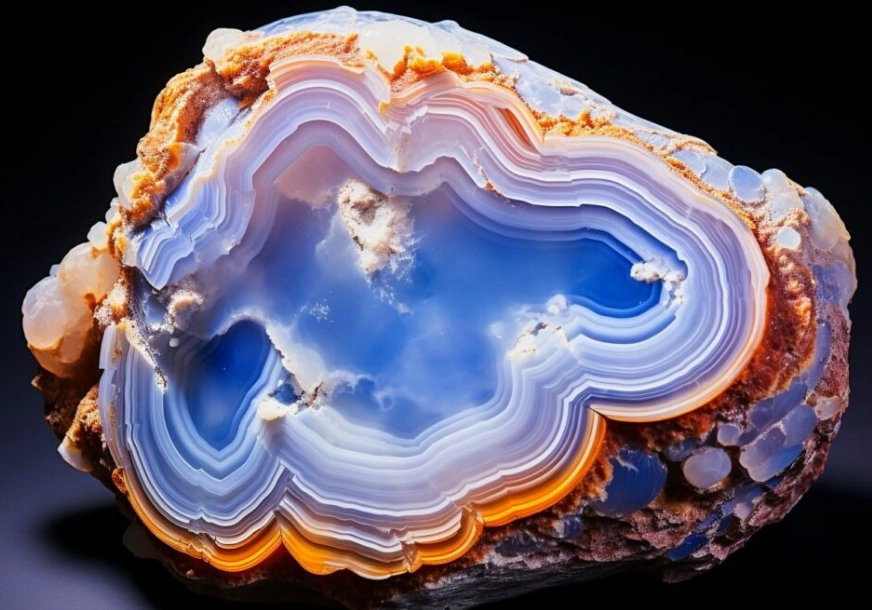
Here’s the first big misconception. Not all banded chalcedony is agate. True agate bands are typically parallel and curved. If the bands are straight or angular, it might be onyx. If it has no bands but has plumes, mossy inclusions, or dendritic patterns, it's still chalcedony, but it gets a different name (like moss agate or dendritic agate). The naming is messy, even for experts.
From a practical standpoint, agate's appeal lies in its combination of hardness and beauty. On the Mohs scale, it's a 7, making it hard enough for jewelry that resists everyday scratches. It takes an incredible polish, which is why those sliced bookends and coasters have such a glossy, deep lustre. But that hardness also means it's brittle—a sharp knock on the wrong angle can cause a clean break, a crucial point many decor retailers don't mention.
The 5 Agate Types You Need to Know (Beyond Just Looks)
Forget just picking a pretty color. Knowing the type helps you understand value, origin, and best use. Here’s a breakdown of the most common types you'll encounter, moving beyond basic descriptions.
| Type | Key Identifying Features | Typical Origin & Price Point* | Best Use Case |
|---|---|---|---|
| Brazilian Agate | Often dyed vibrant blues, pinks, purples. Natural colors are greys, whites, browns. Very fine, concentric bands. | Southern Brazil (Rio Grande do Sul). Ubiquitous and inexpensive when dyed. Natural, high-quality specimens cost more. | Mass-market decor items (coasters, slices), beginner collecting. Be wary of dyed pieces sold as natural. |
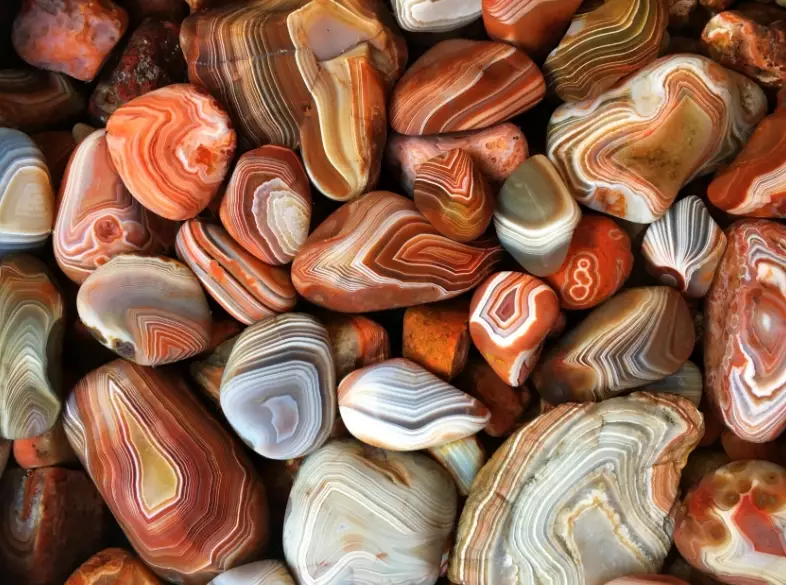
| Laguna Agate | Extremely tight, bright bands of red, orange, white. Often considered the "king" of banded agates for its precision. | Ojo Laguna, Chihuahua, Mexico. Limited supply. Commands premium prices, especially for eye-catching patterns. | High-end mineral collecting, statement jewelry. An investment-grade agate. |
| Crazy Lace Agate | Swirling, chaotic bands resembling lace. Colors: cream, brown, orange, red. | Northern Mexico (Chihuahua). Moderately priced, widely available in polished form. | Decorative objects, unique cabochons for jewelry. A conversation starter. |
| Moss Agate | Not banded! Contains green, brown, or black dendritic (fern-like) inclusions in a translucent chalcedony body. | Multiple sources (India, USA, Australia). Price varies by clarity and inclusion beauty. | Jewelry where light can pass through the inclusions. Popular for its "organic" look. |
| Fire Agate | Iridescent, play-of-color effect (like opal) over botryoidal (bubble-like) formations. Browns, reds, greens. | Southwestern USA, Mexico. Value depends heavily on the intensity and area of the fire. | Specialty jewelry and carving. Requires skilled cutting to expose the "fire." |
*Price is highly dependent on size, quality, and treatment. A polished slab of common dyed Brazilian agate might be $10, while a top-grade Laguna agate nodule can be thousands.
I once paid a fair bit for what was sold as a "rare red Botswana agate." After showing it to a more experienced collector, I learned it was just a very nicely dyed piece of common grey agate—the dye had even seeped into tiny fractures. A hard lesson in always asking about treatment.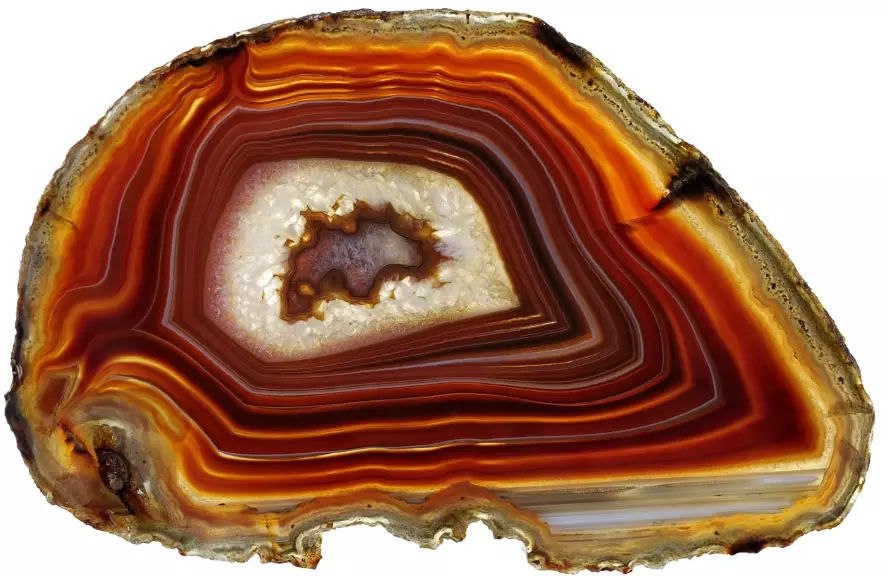
Using Agate in Decor & Tech: What Works, What Breaks
Agate isn't just for looking at. Its properties lend it to some surprising uses, but you have to match the material to the task.
Home Decor That Actually Lasts
Agate slices as coasters or wall art are stunning. The key is the backing. A thin, unbacked slice will eventually crack from thermal stress (a hot mug) or lateral pressure. Quality pieces are laminated to a stable backing (wood, felt, resin). For tabletops, agate is usually just an inlay within a more durable epoxy or glass surface. It's a top layer, not the structural material.
A more unique, durable application is agate bookends. Here, thick, polished slabs are used, but they're heavy and stable by design. The polish prevents dust accumulation in the bands, which is a common issue with rough agate specimens.
The Overlooked Tech and Tool Connection
This is where agate gets really interesting, far from the crystal healing aisle. For centuries, agate's hardness and fine grain made it the material of choice for high-precision applications.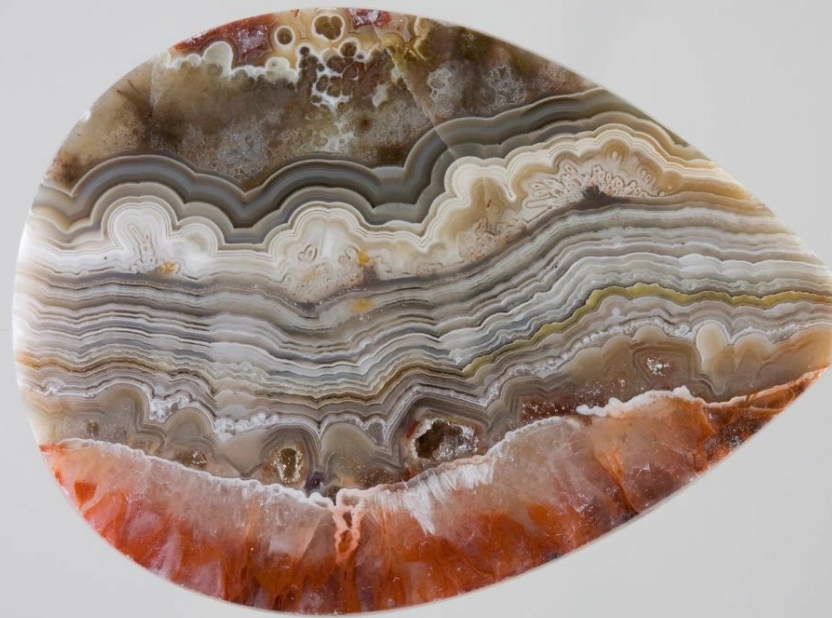
- Mortar and Pestles: Not your kitchen variety. Chemical and pharmaceutical labs use agate mortars and pestles to grind samples without contaminating them. Agate is harder than most substances being ground and doesn't introduce metal ions. You can find these online, but expect to pay hundreds for a real lab-grade set from a scientific supplier.
- Pivot Bearings: In old-school analytical balances and precision scales, agate was used for the knife-edge pivots and bearing surfaces because of its extreme wear resistance and low friction. Modern versions might use synthetic sapphire, but the principle is the same.
- Industrial Applications: Its hardness means it's used in abrasives and as a filler in high-quality paints and plastics. The agate in your decor and the agate in a lab tool are the same mineral, just serving wildly different purposes based on its physical properties.
Buying Agate: The 3 Mistakes Everyone Makes
Walking into a crystal shop or browsing Etsy can be overwhelming. Here’s how to avoid the classic pitfalls.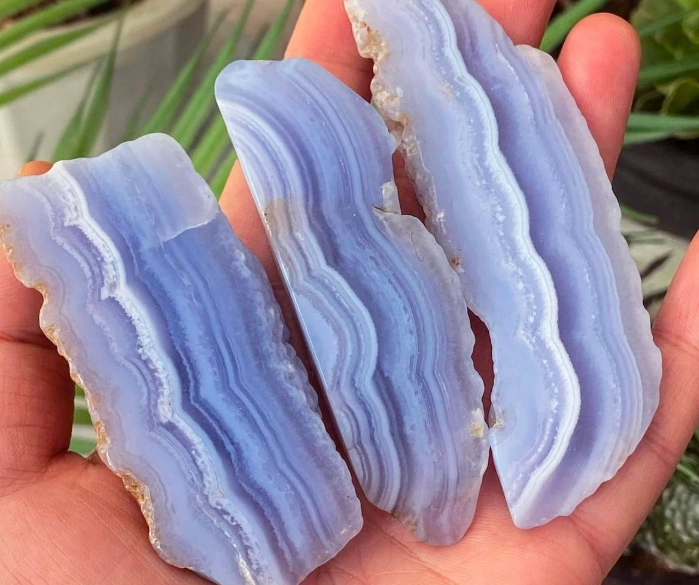
Mistake 1: Chasing Color Over Character. The most vibrant pieces are almost always dyed. There's nothing inherently wrong with dyed agate if you like the look and the price reflects it. The problem is paying a "natural rare color" premium for it. Ask directly: "Is this color enhanced or natural?" A reputable seller will tell you. Natural agate colors are often more subtle—earthy tones, soft greys, milky whites, with occasional rich reds (from iron) or blacks (from manganese).
Mistake 2: Ignoring the Cut and Finish. A good polish makes all the difference. Look for a glassy, reflective surface where the bands seem to glow from within. A poor polish will look waxy, dull, or scratched, obscuring the agate's beauty. Check the edges. Are they chipped? Is the slice warped or uneven? This indicates lower-quality material or rushed workmanship.
Mistake 3: Overpaying for Generic Material. A small, polished Brazilian agate geode should not cost $50. Do a quick search online to gauge average prices for similar items. Unique patterns, rare types (like high-fire fire agate or fine Laguna), and large sizes command higher prices. A standard 3-inch diameter slice for a coaster? That should be on the lower end. Don't be afraid to compare.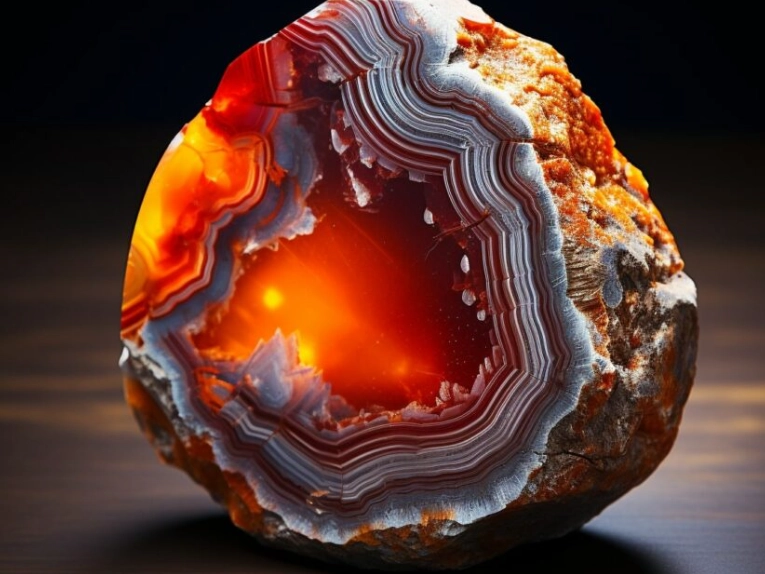
Your Questions on Agate, Answered
Agate's story is one of geology meeting art, and now, modern design. By understanding what it truly is—a durable, banded form of quartz with a rich history—you can appreciate it beyond a trendy decor item. You can make informed purchases, spot quality, and even explore its lesser-known practical uses. Start by looking closely at the bands, asking the right questions, and remembering that sometimes the most common stone, understood deeply, is more fascinating than the rarest one bought on a whim.
Related Articles
Selenite: The Ultimate Guide to Meaning, Uses, and Care
Pietersite Guide: Meaning, Uses & How to Spot Fakes
Natural Blue Crystals: Ultimate Guide to Types, Meanings & Uses
Rhodonite Bracelet Benefits: Emotional Healing & More Explained
Natural Properties of Clear Quartz: Ultimate Guide to Meaning & Uses