You've seen it. That stone with the hidden flash of blue, green, and gold that seems to catch the light from nowhere. That's labradorite. Most people buy it because it's stunning, and then they feel something else—a sense of calm, a shield against negativity, maybe a nudge of intuition. That's not just your imagination. After collecting and working with crystals for over a decade, I've seen labradorite's subtle power work time and again, especially for people feeling overwhelmed or stuck. But there's a lot of fluffy, generic info out there. Let's cut through that and talk about what labradorite's healing properties actually do, how to use them for real-life issues, and the mistakes almost every beginner makes.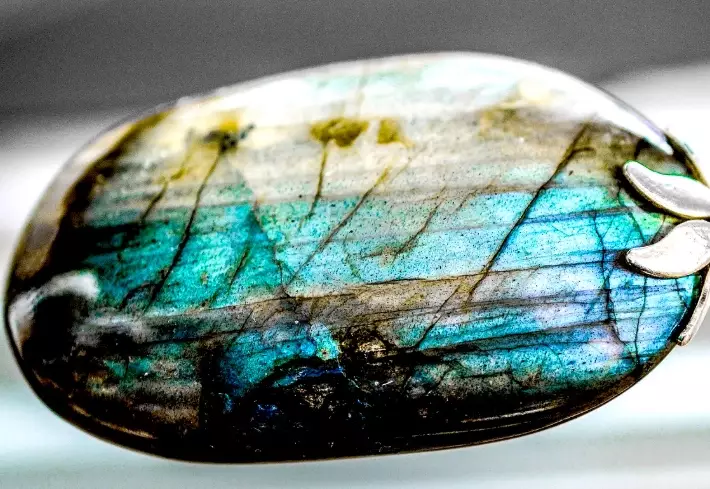
In This Article
What Exactly Is Labradorite? (It's Not Just "Magic")
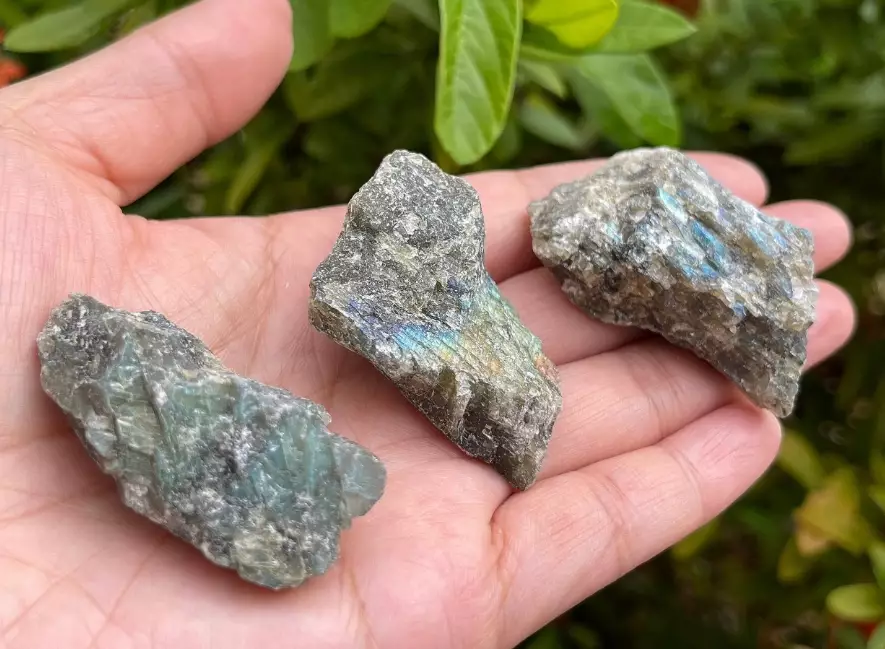
First things first, let's get grounded. Labradorite is a feldspar mineral. That flash of color, called labradorescence, isn't a pigment. It's caused by light bouncing off tiny, internal layers within the stone. Geologically, it's a interference effect. Metaphysically, that's the first clue to its properties: it reveals hidden depths and reflects back what's needed.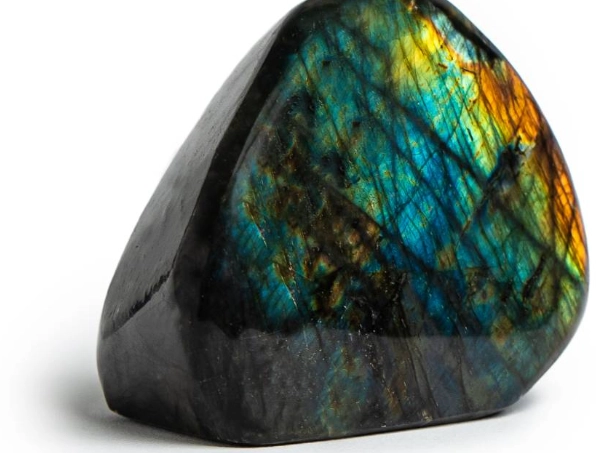
It was discovered in Labrador, Canada (hence the name), but you can also find beautiful specimens from Madagascar, Finland (where a spectacular variety called Spectrolite comes from), and other places. The quality varies massively. A cheap, dull-grey piece from a generic gift shop won't have the same energetic "punch" as a vibrant, well-formed piece from a dedicated crystal dealer. You often get what you pay for.
Quick Fact: Many cultures have revered labradorite. Inuit legends say the Northern Lights were once trapped in the rocks along the coast of Labrador, and some were set free, leaving traces of that light within the stone. It's been called the "Stone of the Aurora Borealis."
So, when we talk about its healing properties, we're talking about a stone historically associated with light, magic, and protection. This isn't new-age invention; it's tapping into a long human tradition of finding meaning in the natural world.
The Key Healing Properties of Labradorite, Broken Down
People throw around terms like "protective" and "intuitive" without explaining what that feels like in practice. Let's get specific. Based on both traditional lore and my own observations, labradorite's effects cluster in three main areas: the mind, the spirit, and the body.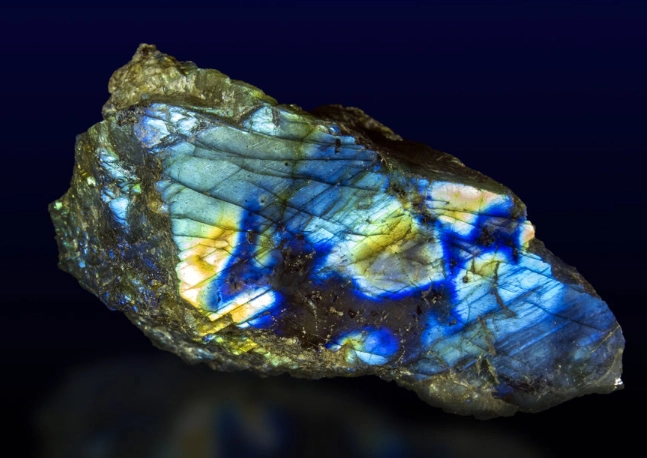
1. For Your Mind & Emotions: The Anxiety Interceptor
This is where labradorite shines for modern life. It doesn't just "calm" you in a vague way. It acts like a filter for mental noise. If you're the type whose brain spins with worry, replays conversations, or gets bombarded by external stress (hello, open-plan offices and social media), labradorite creates a discernible buffer.
I've had clients describe it as "putting on mental noise-canceling headphones." The stone's energy is said to strengthen your aura—your personal energy field—making you less permeable to other people's moods, deadlines, and general chaos. It's particularly good for people in caregiving roles, therapists, or anyone in a highly social job who needs to stay centered.
2. For Your Spirit & Intuition: The Inner Light Switch
Labradorite is famously called a stone of transformation. That sounds dramatic, but it's more about revealing what's already there. Think of its flash: hidden until the angle is just right. It's linked to the Third Eye Chakra (intuition, insight) and the Throat Chakra (authentic expression).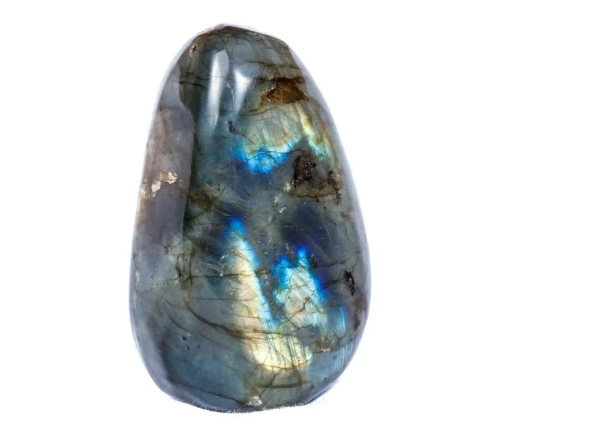
What does this mean practically? If you're feeling stuck in a rut, unsure of your path, or like you're wearing a mask, labradorite can help. It encourages you to look within for answers rather than seeking external validation. I often recommend it to people starting meditation, as it can make those initial, quiet insights a bit easier to notice and trust. It won't shout answers at you; it turns up the volume on your own inner voice.
3. For Your Body: The Energetic Support System
Important note: Crystals are not a substitute for medical diagnosis or treatment. Always see a doctor for health concerns. That said, within energy healing frameworks, labradorite is associated with supporting the body's own regulatory systems.
It's often linked to easing issues related to stress—think tension headaches, eye strain (from all that screen time), and general fatigue. The idea is that by calming the mind and reducing energetic "leaks," the body's resources aren't constantly being diverted to fight perceived threats, allowing it to focus on repair and balance. Some also connect it with regulating hormones and metabolism, again, by addressing the root energetic disharmony that stress can cause.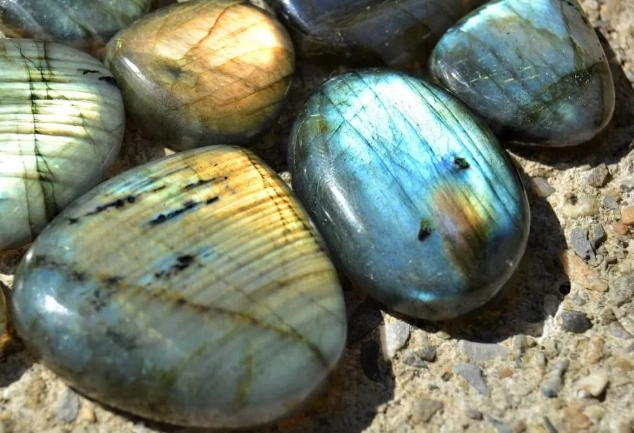
How to Actually Use Labradorite in Your Daily Life
Owning a stone is one thing. Working with it is another. Here are concrete, actionable ways to integrate its healing properties.
As Jewelry (The Most Effective Way): Wearing labradorite as a pendant, ring, or bracelet keeps its energy in your personal field all day. A pendant near the throat/chest is great for protection and expression. A ring connects it to your hands, your tools for action in the world. This is my top recommendation for consistent effect.
On Your Desk or Workspace: Place a palm-sized piece on your desk. It can help create a focused, less mentally chaotic bubble. I keep one right by my computer. Before a big video call or a deep work session, I'll hold it for a minute to set the intention for clarity and calm.
In Meditation: Hold a tumbled stone in your receiving (non-dominant) hand or place it on your forehead (Third Eye). Don't force anything. Just notice if your mind feels quieter, or if images/ideas arise more freely. A five-minute session with labradorite can be more refreshing than a 20-minute session without it, in my experience.
For Sleep: Tuck a small tumbled stone under your pillow or on your nightstand. Its protective quality is said to shield against negative dreams or psychic disturbances during sleep, leading to more restorative rest. Avoid large, pointy pieces—comfort matters!
The One Big Mistake People Make With Labradorite
Here's that expert insight you won't find everywhere: everyone says to cleanse your crystals, but with labradorite, how you cleanse it is critical. Most beginners ruin the polish or even damage the stone.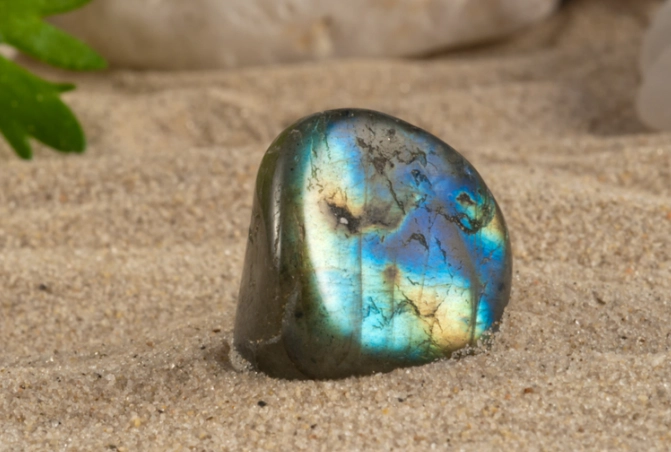
Never, ever cleanse labradorite with salt water or for prolonged periods in direct sunlight. The salt can erode its beautiful surface finish, making it look dull. Prolonged, harsh sunlight can fade its flash over time. It's a stone of the moon and the northern lights, not the desert sun.
Stick to these safe methods: passing it through the smoke of sage or palo santo, placing it on a selenite charging plate overnight, or leaving it in the light of a full moon (which is gentle and perfect for its lunar energy). Cleanse it when it feels "heavy" or about once a month.
Your Labradorite Questions, Answered
Related Articles
Kunzite Value: Is This Pink Gemstone a Good Investment?
Jade Rock Meaning: More Than Just Luck & How to Use Its Energy
Labradorite Crystal Healing Properties & Complete Guide

Saturn in Astrology: Meaning, Lessons & How to Work With It
Red Jasper Meaning & Benefits: Stone of Endurance & Vitality